
How Upcoming Luxury Hotel Openings In Maryland Are Quietly Setting off A Massive Wave Of Regional Travel And Economic Expansion

Published
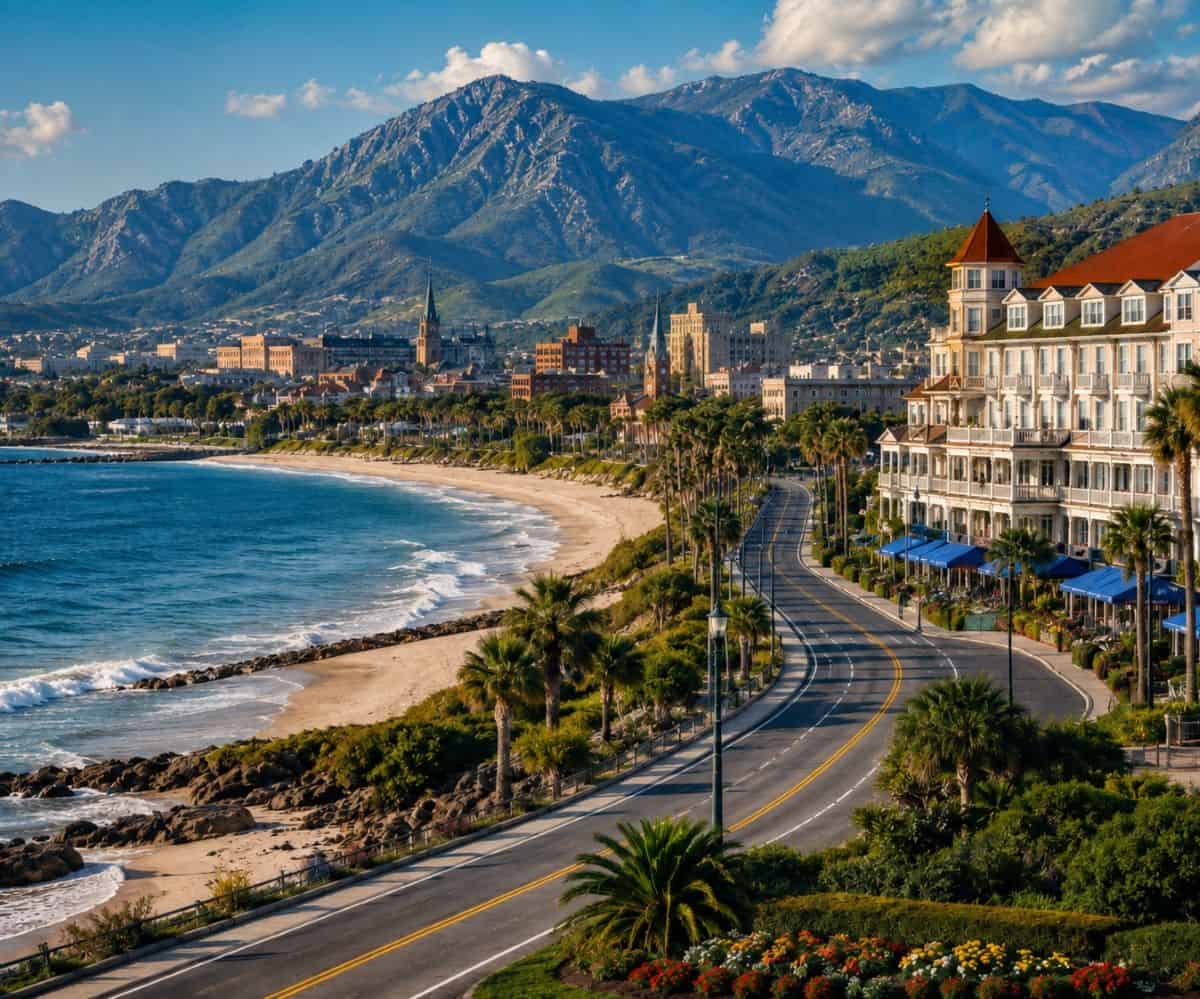
The transformation of Carroll Creek’s edge from a leisurely stroll to a destination where people stay when Frederick expands on another front makes Maryland’s Hospitality project a part of humanity’s wandering spirit. Along with other historical Maryland towns, Frederick’s residents may anticipate an improvement in the quality of life with the ensuing changes, as private investment of millions of dollars will fund the city’s urban transformation as part of the Maryland’s Hospitality project. The outcome of changes in transit-oriented design, as the first Marriott Flagship Hotel in addition to the construction of Maryland’s $104 million dollar Convention Center in Frederick, will stimulate growth in Prince George’s County. Local job creation will draw sustained growth and development of businesses and new hotels in Maryland combined with new construction, encouraging people to return to the region over the span of many years to stay and work while also visiting the new growth and developments.
What Makes the Downtown Frederick Marriott Flagship Project in Frederick, MD, a Game-Changer for Regional Tourism?
The Downtown Frederick Marriott Flagship & Conference Center in Frederick, MD, represents a monumental $104 million financial investment aimed at altering the economic trajectory of western Maryland. Supported by $23 million in committed and proposed State of Maryland capital budget allocations along with strategic demolition funds, this flagship project addresses a decades-long shortage of premier corporate and event spaces within Frederick County.
Featuring 204 full-service luxury guest rooms and over 26,000 square feet of combined indoor and outdoor meeting space, this facility will operate as the sole destination in Frederick County capable of hosting massive regional business summits under one roof. Furthermore, the addition of a 250-space public parking garage integrated seamlessly along Carroll Creek Linear Park ensures that foot traffic flows directly into local shops and restaurants, driving an estimated $1.5 billion in private sector spending over the next 25 years.
Advertisement
Advertisement
How Will the Cheverly Hospitality Redevelopment Project Revitalise Prince George’s County, MD, Near Washington, D.C.?
Overseen directly by the Redevelopment Authority of Prince George’s County, the Cheverly Hospitality & Commercial Redevelopment Project in Prince George’s County, MD, targets the complete overhaul of underutilised land along essential transit arteries. Scheduled for phased execution and planning from FY 2027 through FY 2028, the ambitious scheme relies on full site land assembly and the targeted demolition of aging, obsolete urban infrastructure.
Advertisement
Advertisement
Spanning 50,000 square feet of total buildable space, the site is designated for modern hotel lodging facilities and integrated dining establishments. Positioned right on the doorstep of Washington, D.C., this major public effort utilizes the Prince George’s County Capital Improvement Program budget to capture overflow business and leisure travel from the capital while providing high-end amenities to local residents.
How Will Statutory Tax Standardisation and Building Energy Performance Standards Impact Maryland Hotels From 2027 to 2035?
Starting 1 July 2027, all new and existing accommodation operators in Maryland, USA, must adjust to an overhauled legal and fiscal landscape under Chapter 638 of the Maryland General Assembly Enactments (§ 20-410 & § 20-434). This legislation introduces statewide hotel rental tax standardisation that mandates centralized reporting standards across accommodations intermediaries and hotel properties to streamline tax collection directly through the State Comptroller.
Simultaneously, aggressive Building Energy Performance Standards (BEPS) such as those pioneered under Montgomery County, MD, environmental directives require properties opening or expanding by 2028 to satisfy strict site Energy Use Intensity (EUI) thresholds. Evaluated across formal multi-year reporting cycles concluding between 2029 and 2032, these regulations ensure that Maryland’s 2027–2035 hotel pipeline operates at elite levels of environmental sustainability.
What Is the Broader Impact of Travel and Tourism on Maryland’s Regional Economy?
Travel and tourism serve as the primary catalyst for economic expansion across Maryland, USA, driving substantial direct spend into local communities while generating tax receipts that fund public infrastructure. The introduction of high-capacity hotel hubs, such as the flagship property in Frederick, MD, creates a lasting economic ripple effect that benefits small businesses, cultural venues, and regional transit systems across the state.
Advertisement
Advertisement
By expanding accommodation capacity and building dedicated conference spaces, Maryland captures lucrative trade shows, corporate retreats, and international leisure visitors who would otherwise choose competing markets. This sustained influx of visitors supports thousands of hospitality jobs, fosters urban renewal along historic corridors like Carroll Creek Linear Park, and elevates the global profile of counties like Prince George’s County and Montgomery County.
What Do Current Maryland Occupancy and RevPAR Statistics Reveal About Market Readiness for Long-Term Hotel Pipeline Growth?
Maryland’s hospitality baseline displays powerful economic stability, creating a resilient financial foundation for incoming developments between 2027 and 2035. Statewide visitor spending now exceeds $21.2 billion annually, delivering over $2.5 billion in crucial state and local tax receipts. Hotel operational metrics reflect this robust demand, with statewide average daily rates (ADR) consistently tracking between $149 and $152. In high-demand metropolitan environments such as Baltimore City, ADR surges up to $207 during major convention cycles, demonstrating substantial pricing power in core commercial urban sub-markets.
Occupancy levels across Maryland, USA, maintain a steady trajectory between 60% and 68.1% during peak travel periods, establishing a solid baseline Revenue Per Available Room (RevPAR) of $102 state-wide. These strong performance metrics confirm that existing regional accommodation capacity is approaching saturation during high-demand business and leisure windows. Consequently, the expansion pipeline is financially supported by real consumer demand rather than speculative growth, ensuring new properties maintain high yield potential from their opening day.
How Are Public Capital Allocations in Maryland Achieving Multi-Fold Direct Returns Through Hospitality Infrastructure Investments?
Strategic co-investment models between public treasuries and private developers are proving to be major economic multipliers across the state. A prime example is the flagship development in Frederick, MD, where a $23 million public budget allocation from the State of Maryland is directly unlocking $1.5 billion in private sector local spending over a 25-year operational lifecycle. By using targeted public grants to absorb initial land assembly and infrastructure costs, municipal authorities successfully attract major private hotel flags to regional markets.
Advertisement
Advertisement
The fiscal returns on public tourism funding extend far beyond direct building construction. Destination Marketing Organization (DMO) grant investments generate an immediate $7-to-$1 direct return on state funds invested. Furthermore, highly targeted, campaign-attributable hotel room bookings deliver an extraordinary $55-to-$1 return on investment (ROI). These multi-fold returns validate the state’s aggressive capital deployment strategy, proving that public infrastructure funding directly fuels long-term tax revenue and regional wealth generation.
Why Are Transit-Oriented Corridors Near Washington, D.C., and Baltimore Becoming Primary Targets for 2027–2035 Mixed-Use Hospitality Construction?
Modern hotel development in Maryland is shifting heavily toward strategic transportation arteries and high-density urban corridors. The ambitious redevelopment effort in Prince George’s County, MD, specifically within the Cheverly corridor, illustrates this strategic pivot. By clearing underutilised land and obsolete structures, the project unlocks 50,000 square feet of buildable space dedicated to modern lodging and integrated dining hubs positioned directly alongside prime transit gateways into Washington, D.C.
This transit-oriented focus aligns directly with regional traveler movement patterns and arrival logistics. Maryland airport passenger throughput exceeds 2.3 million visitors annually, while regional transit hubs influence 76.9% of all overnight stay decisions across the capital region. Placing new accommodation inventory along established rail, highway, and airport feeder networks captures overflow metropolitan demand, minimizes regional congestion, and guarantees seamless accessibility for both corporate and leisure travelers.
How Will Enforced Building Energy Performance Standards Restructure Hotel Engineering and Operations Across Maryland by 2032?
Legislative mandates are fundamentally changing how commercial properties are designed, engineered, and operated across Maryland, USA. Enforced Building Energy Performance Standards (BEPS) spearheaded by pioneering environmental laws in Montgomery County, MD require all newly constructed or expanding hotel properties operating from 2028 onward to adhere to strict site Energy Use Intensity (EUI) thresholds. Compliance is evaluated across structured multi-year reporting cycles concluding between 2029 and 2032.
Advertisement
Advertisement
To avoid severe financial penalties from local municipalities, developers entering the 2027–2035 pipeline are embedding advanced green engineering directly into building blueprints. Properties must integrate high-efficiency HVAC systems, smart energy management tech, and low-carbon building envelopes to lower baseline carbon emissions and reduce energy usage per square foot. These regulations ensure that Maryland’s next-generation hotel stock sets a national benchmark for environmental sustainability while reducing long-term operational overhead.
How Does Statutory Hotel Rental Tax Standardisation Under Chapter 638 Streamline Statewide Revenue Collection Through the State Comptroller?
The financial architecture governing Maryland’s accommodation sector will undergo structural modernization under Chapter 638 of the Maryland General Assembly Enactments (§ 20-410 & § 20-434). Effective between 1 July 2027 and 1 January 2028, this landmark legislation establishes uniform statewide hotel rental tax reporting standards across all lodging properties and online accommodation intermediaries. The mandate centralizes administrative oversight directly under the State Comptroller, eliminating compliance loopholes and streamlining tax processing.
This administrative efficiency delivers direct fiscal relief to Maryland residents and local municipalities alike. Annual hotel rental tax receipts generate critical revenue that funds essential municipal services and public works, directly contributing to an average tax savings of over $1,051 per Maryland household every year. Centralized digital reporting ensures that incoming lodging inventory from 2027 onward immediately contributes its full share to local public treasuries.
What Is the Projected Impact of High-Capacity Event Hubs on Local Employment and Small Business Ecosystems Across Maryland Counties?
Expanding venue capacity acts as a vital growth engine for local labor markets and surrounding small business ecosystems. Maryland’s leisure and hospitality sector already sustains over 269,800 direct jobs, serving as one of the state’s largest employment pillars. Major developments planned through 2035 will expand this baseline by creating hundreds of permanent management, operations, and service jobs across multiple jurisdictions.
Advertisement
Advertisement
High-capacity venues such as the Downtown Frederick Marriott Flagship with its 204 full-service guest rooms and 26,000+ square feet of event space generate extensive economic ripple effects. Large-scale conferences and corporate summits draw thousands of high-spending delegates into historic downtown districts like Carroll Creek Linear Park. This steady foot traffic boosts revenues for independent retailers, local dining establishments, craft beverage producers, and regional cultural venues across Frederick County and neighboring areas.
The Maryland Skyline’s New Soul
A balance sheet isn’t the only place where the finishing of Maryland’s construction between 2027 and 2035 will show its work. In these hotels, you will find the energy that brings life to old downtown areas. You will find local employees who now have a stable and long term job. These hotels also provide the first welcome to travelers who have finally reached Frederick and Prince George’s County. When visitors see these new structures, they will feel that Maryland is focused on their experience, not on financial gain. Maryland’s buildings combine smart green technologies with fair taxes, and give people and community the place they are able to call home. When people experience Maryland’s buildings, they will remember that when public vision focuses on the community, it’s the people that will feel the impacts of positive change the most.
Frequently Asked Questions (FAQs)
Q1: When will the Downtown Frederick Marriott Flagship & Conference Center open in Frederick, MD?
The Downtown Frederick Marriott Flagship & Conference Center in Frederick, MD, has an estimated completion and opening target of 2027, backed by $104 million in total project investment.
Advertisement
Advertisement
Q2: What is the primary goal of the Cheverly project in Prince George’s County, MD?
Managed by the Redevelopment Authority of Prince George’s County, the Cheverly Hospitality & Commercial Redevelopment Project aims to clear aging infrastructure to construct 50,000 square feet of modern hotel lodging and dining spaces along major travel routes near Washington, D.C.
Q3: What legal tax changes will affect Maryland hotels starting in 2027?
Under Chapter 638 of the Maryland General Assembly Enactments, statewide hotel rental tax standardization takes effect between July 2027 and January 2028, enforcing centralized reporting for tax collection through the State Comptroller.
Advertisement
