
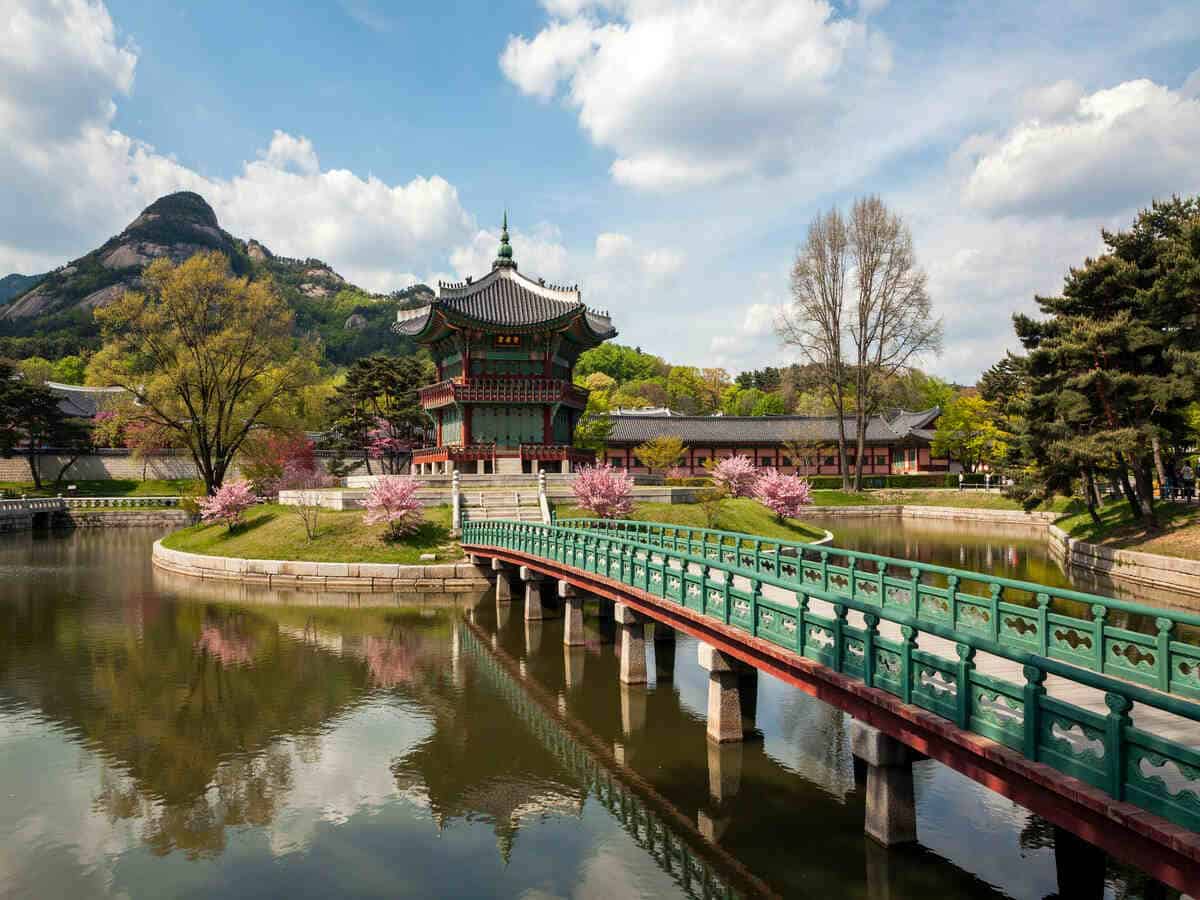
Image generated with Ai
South Korea travellers are witnessing Busan’s remarkable tourism rise as the coastal city welcomes nearly three million foreign visitors in the first seven months of the year, driven by strong international demand, record monthly arrivals, expanding air connectivity and growing visitor spending. Busan attracted 2.93 million overseas tourists from January to July, reaching a major milestone on its journey towards the annual target of four million visitors and positioning the city as one of South Korea’s fastest-growing global travel destinations.
Busan has recorded a powerful surge in international tourism, attracting 2.93 million foreign visitors from January to July as the South Korean coastal city strengthens its position as a major global travel destination. The latest figures show Busan has already achieved 73.2 percent of its annual goal of four million overseas visitors, supported by strong growth from key international markets, increased air connectivity and rising tourist spending.
Advertisement
The city’s foreign visitor numbers increased by 46.1 percent compared with the same period last year, significantly exceeding South Korea’s overall international arrival growth rate of 21.3 percent. The rapid expansion highlights Busan’s growing appeal among global travellers seeking coastal experiences, cultural attractions, entertainment and regional tourism opportunities beyond Seoul.
July became another landmark month for Busan’s tourism sector, with the city welcoming 507,045 international visitors. The figure surpassed the previous record of 484,057 visitors achieved in June, marking the second consecutive month of record-breaking foreign arrivals.
Advertisement
Advertisement
Busan accounted for nearly one-quarter of South Korea’s total international visitors in July, representing 24.2 percent of all overseas arrivals to the country during the month. This growth demonstrates the city’s increasing importance within South Korea’s tourism ecosystem and its ability to attract travellers directly from international markets.
The latest tourism performance has been driven by strong demand from Asian markets, particularly Taiwan and China. These two markets remained the leading sources of foreign visitors to Busan during July.
Taiwan contributed approximately 128,000 visitors, while China recorded around 125,000 arrivals. Together, the two markets accounted for almost half of Busan’s total international arrivals during the month, highlighting the importance of regional travel demand in supporting the city’s tourism growth.
The United States also emerged as a rapidly expanding market for Busan. The city welcomed 259,675 American visitors between January and July, representing a 78.4 percent increase compared with the previous year.
The growth from the US market placed America among Busan’s largest visitor sources and showed increasing interest from long-haul travellers in exploring South Korea’s southern coastline, cultural heritage and urban experiences.
The strong performance across multiple markets reflects Busan’s wider efforts to increase international recognition and strengthen its position as a destination capable of attracting visitors throughout the year.
The expansion of Busan tourism has been closely linked with the performance of Gimhae International Airport, the city’s main gateway for international travellers.
During the first half of the year, Gimhae International Airport recorded more than one million international arrivals, representing a 46.6 percent increase compared with the previous year. The airport achieved the highest growth rate among South Korea’s four regional international airports.
Passenger movement data also showed that most travellers arriving through Gimhae Airport remained within the wider Busan region. Around 50.2 percent of international passengers stayed in Busan, while 47.9 percent travelled to nearby destinations including South Gyeongsang Province and Ulsan.
Only 1.9 percent of passengers continued towards the Seoul metropolitan area, indicating that Busan is increasingly becoming a primary destination rather than simply an alternative entry point for travellers visiting South Korea.
The trend supports Busan’s ambition to develop a stronger regional tourism network and encourage visitors to explore more destinations across the southeastern part of the country.
The increase in international arrivals has generated significant economic benefits for Busan, with foreign visitor spending showing strong growth throughout the year.
International credit card spending in the city reached 742.3 billion won, approximately 501 million dollars, between January and July. This marked a 50.8 percent increase compared with the previous year and placed Busan as the second-highest region in South Korea for foreign tourist spending after Seoul.
Medical tourism also experienced substantial growth, with spending from international medical visitors rising by 118.4 percent. The increase helped Busan secure the largest share of medical tourism expenditure among South Korean regions outside the capital.
The growth in tourism-related spending reflects the city’s expanding appeal across different travel segments, including leisure tourism, healthcare travel, shopping, dining and cultural experiences.
Busan is experiencing a powerful tourism boom as nearly three million international visitors arrive in the South Korean coastal city, fuelled by rising global demand, stronger connectivity and record-breaking monthly arrivals.
Busan is continuing to strengthen its international tourism appeal through a series of major events planned for the autumn season.
The city will host Busan Global City Week from September 8 to 10, followed by a month-long Festival October programme featuring major cultural celebrations, including the Busan International Rock Festival and other tourism-focused activities.
These events are expected to provide additional reasons for international visitors to extend their stays and experience more of the city’s attractions.
As Busan approaches its annual foreign visitor target, the city’s tourism strategy is shifting towards improving visitor experiences, increasing stay durations and spreading tourism benefits across the wider region.
With record-breaking arrivals, expanding international markets, stronger airport connectivity and rising visitor expenditure, Busan is emerging as one of South Korea’s most dynamic global tourism destinations. The city’s continued growth signals a major transformation in the country’s travel landscape, where regional destinations are gaining greater influence alongside traditional tourism centres.
Advertisement
Tags: south korea, tourism growth, Tourism news, Travel News
Advertisement
Advertisement












Friday, September 4, 2026
Friday, September 4, 2026

Friday, September 4, 2026

Friday, September 4, 2026

Thursday, September 3, 2026

Wednesday, September 2, 2026
Friday, September 4, 2026

Friday, September 4, 2026


