
New York, United States 900 Dollars First-Class Upgrade Shock at Check-In — What Others Get Wrong About Last-Minute Airline Pricing

Published
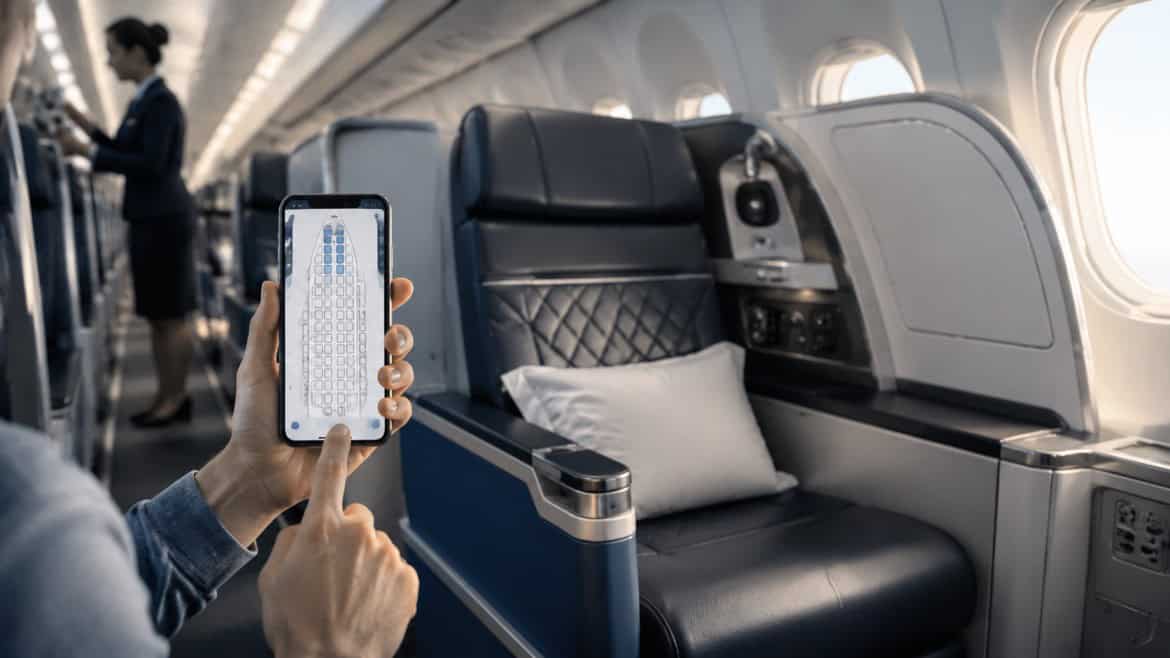
Image generated with Ai
Passengers flying out of New York are increasingly encountering a sharp pricing surprise at the airport check-in screen. A simple economy ticket can suddenly trigger a $900 first-class upgrade offer, appearing just hours before departure. This happens during the final 24-hour check-in window when airlines release last-minute premium seats.
This matters now because dynamic pricing systems are tightening across major US carriers, especially on high-demand routes from New York to London and Los Angeles. Business travellers, tourists, and frequent flyers are all affected in real time.
The key issue is timing and transparency. What looks like a “deal” is actually algorithmic inventory control. Airlines are monetising unsold premium seats more aggressively than ever, and passengers often decide within seconds at the kiosk or mobile app without understanding the pricing logic behind it.
The Check-In Upgrade System Most Passengers Misunderstand
At check-in, airlines activate automated systems that scan remaining seat inventory across cabins. If first class or business class is underbooked, the system generates paid upgrade offers.
Advertisement
Advertisement
These offers typically appear:
Advertisement
Advertisement
- 24 hours before departure (online check-in opens)
- At airport kiosks and mobile apps
- During gate reassignments when demand shifts
Airlines such as Delta Air Lines, American Airlines, United Airlines, and Alaska Airlines use dynamic revenue optimisation tools that continuously adjust pricing until boarding begins.
The system is designed to balance two outcomes:
- Fill premium seats that would otherwise fly empty
- Extract maximum revenue from last-minute demand spikes
What passengers see is not a fixed upgrade price, but a real-time auction-style algorithm.
Advertisement
Advertisement
Why Upgrade Prices Swing From $29 to $1,500
The range is extreme because multiple pricing variables interact simultaneously:
- Route demand strength
- Seat availability in premium cabins
- Time remaining before departure
- Aircraft type and seat configuration
- Historical booking patterns
- Elite passenger upgrade priority
On short domestic flights, upgrade offers can drop as low as $29–$199 when seats remain unsold. But on premium-heavy routes, especially transcontinental or international, prices can surge beyond $1,000–$1,500.
Advertisement
Advertisement
Airlines prioritise revenue recovery over uniform pricing. A seat on a six-hour flight from New York is valued very differently from a 90-minute regional hop.
New York to London: The $900 Upgrade Reality
One of the most revealing examples is the New York (JFK) to London Heathrow (LHR) corridor.
On this route, passengers frequently see last-minute upgrade offers around $600 to $900 for business class during check-in. This price reflects several factors:
- Strong corporate travel demand
- High-value overnight seating (lie-flat beds)
- Limited premium cabin inventory
- Competition among US and UK carriers
At peak periods, such as summer or holiday seasons, prices can climb even higher or disappear entirely. Airlines prioritise full-fare business class tickets first, leaving fewer discounted upgrade opportunities.
For many travellers, this creates a psychological dilemma: pay a premium at the last minute or remain in economy for a long-haul overnight flight.
Advertisement
Advertisement
Domestic US Routes: The $100–$700 Upgrade Spectrum
Within the United States, pricing behaves more predictably but still varies widely.
Typical ranges include:
- Short-haul flights (under 2 hours): $29–$199
- Medium domestic routes: $150–$400
- Long cross-country flights: $250–$700
For example, routes such as New York to Los Angeles or Atlanta to Seattle often fall into the higher bracket due to distance and demand from business travellers.
Aircraft configuration also matters. A domestic first-class recliner seat on a narrowbody aircraft is priced very differently from a premium transcontinental cabin designed for longer comfort.
International Long-Haul Upgrades: Where Prices Break the Ceiling
International flights introduce the highest upgrade volatility.
Advertisement
Advertisement
On long-haul services between the United States and Europe or Asia, check-in upgrade offers often range between:
- $600 to $1,500 for business class
- Occasionally higher on ultra-long routes
Flights exceeding 10–14 hours, such as San Francisco to Singapore, can push upgrade pricing to the top end of this range due to the value of lie-flat sleep and premium service.
Airlines treat these cabins as high-margin products, and last-minute discounts are only released if unsold capacity remains significant.
Algorithmic Pricing Transparency Gap
The real story is not just price variation. It is transparency.
Airlines are increasingly relying on automated pricing engines that adjust upgrade costs in real time. However, passengers are not shown:
Advertisement
Advertisement
- Why a specific upgrade price appears
- How many seats remain unsold
- Whether prices will rise or fall within minutes
This creates what can be described as a “pricing visibility gap” between airline revenue systems and passenger decision-making.
Regulators such as the US Department of Transportation emphasise fare transparency rules, but upgrade pricing still operates in a largely unregulated grey zone.
The result is behavioural pressure: passengers often feel compelled to decide instantly, fearing that the offer will disappear.
What Travellers Should Do Before Accepting a Check-In Upgrade
Passengers can take a more strategic approach:
- Compare upgrade price with original business class fare
- Check seat maps before accepting offers
- Monitor prices 24 hours before departure, not just at check-in
- Use airline loyalty programs for potential free upgrades
- Consider bid-based upgrade systems if available
Timing is critical. In many cases, upgrade prices are lowest immediately when check-in opens and rise closer to departure if demand spikes.
Advertisement
Advertisement
A Fast-Changing Pricing Game Travellers Can Still Navigate
Check-in upgrades have become a real-time pricing battleground between airlines and passengers. The shift from fixed fares to algorithm-driven pricing means travellers in New York and beyond are now part of a constantly adjusting system.
The difference between a $29 upgrade and a $900 seat is no longer luck—it is timing, demand, and data-driven pricing logic.
For travellers willing to understand how the system works, opportunities still exist. But for everyone else, the airport check-in screen has quietly become one of the most unpredictable pricing moments in modern aviation.
Call to Action:
Before your next flight, track upgrade prices early and compare them across devices. The difference could be hundreds of dollars on the same seat.
Advertisement
