
Switzerland Unites With UK And More In Updating Saudi Arabia Travel Advisory Amid Escalating Security Threats and Immediate Airport Closures

Published
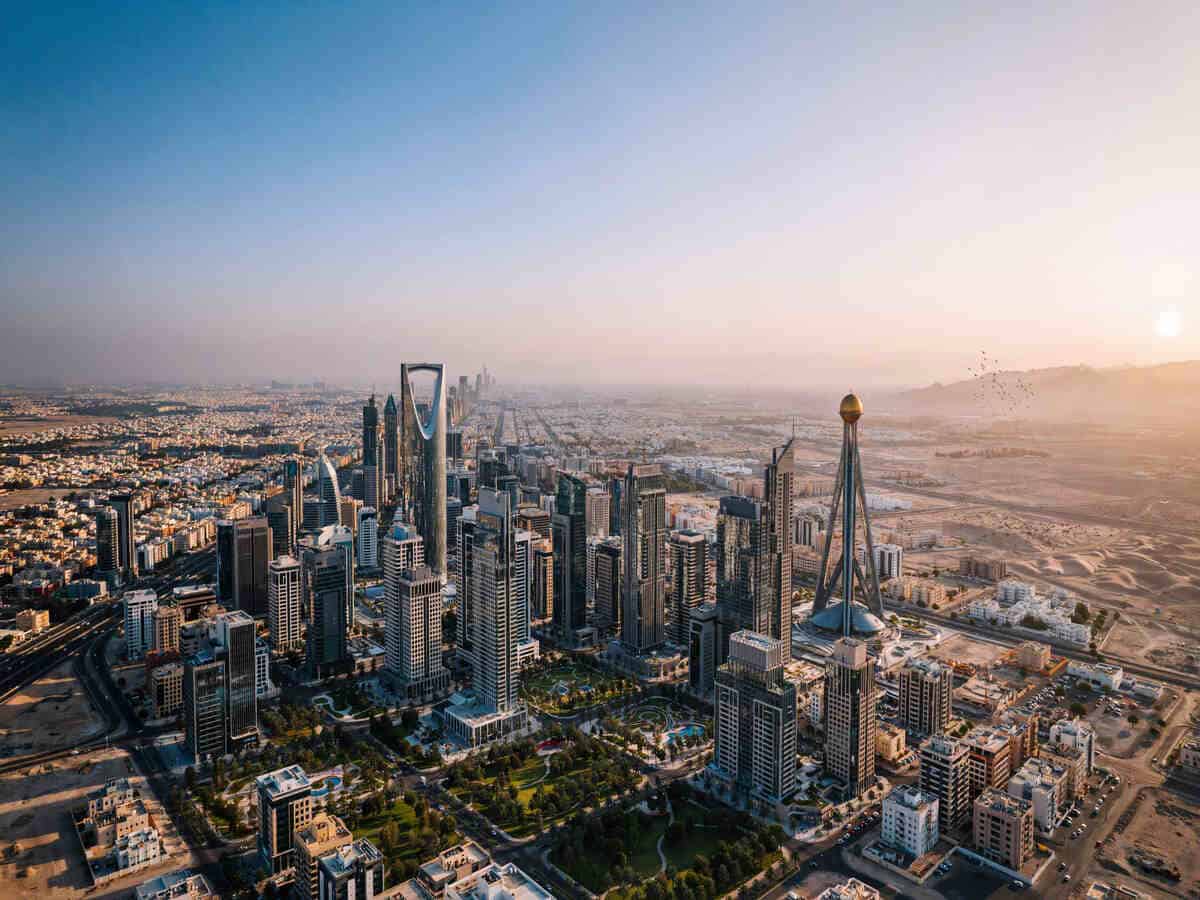
Travel alerts issued by Switzerland and its partners to Saudi Arabia due to terrorist attacks at airports. The geopolitics of the Middle Eastern region have taken an extremely unpredictable and dangerous turn, which has entirely changed the security situation for tourists, expatriates and corporate staff who work in the area. The sudden and deadly escalation in the conflict has been marked by attacks on important infrastructure, aviation facilities and other civil structures using airstrikes, and the Western powers have reacted to this situation with united efforts. Taking the lead in diplomatic warning of danger, the Swiss FDFA joined forces with several nations, namely the UK, the USA, Canada and Australia, issuing a warning that strongly advises against traveling to Saudi Arabia.
This unified international posture underscores a dramatic deterioration in regional security. The rapid succession of these updated warnings paints a stark and unforgiving picture: Saudi Arabia, traditionally recognized as a stabilizing hub of global commerce, energy production, and religious pilgrimage, is currently navigating an intense, active, and unpredictable security crisis. For individuals planning travel to the region, understanding the specific catalysts for these advisories and the nuanced restrictions imposed by their respective home countries is no longer simply a matter of routine precaution; it is an absolute necessity for personal survival.
Advertisement
Advertisement
The Catalyst for Crisis: The Assault on King Khalid International Airport
The primary engine driving this sudden cascade of international travel warnings is a severe and deadly escalation in drone and ballistic missile strikes directed at Saudi Arabian sovereign territory. While the border regions have experienced intermittent, localized flare-ups over the past decade, the catastrophic events of mid-October 2026 have completely shattered the baseline of cautious normalcy.
Over a recent, devastating weekend, King Khalid International Airport in Riyadh—one of the largest and busiest aviation hubs in the entire Middle East—was the target of consecutive, highly destructive aerial attacks. These strikes, widely attributed to Houthi militia forces operating out of Yemen and backed by Iranian intelligence and weaponry, successfully bypassed defensive interception systems to inflict significant mass casualties and catastrophic infrastructural damage. Official on-the-ground reports confirm that the bombardment resulted in at least 14 fatalities, comprising a tragic demographic mix of Saudi citizens and foreign nationals from the US, Egypt, Jordan, Syria, Palestine, and Bangladesh, alongside an estimated 300 individuals who sustained varying degrees of traumatic injuries.
Advertisement
Advertisement
The explicit and successful targeting of a major international airport fundamentally changes the risk calculus for foreign governments and international corporations. These attacks demonstrate a terrifying willingness and sophisticated capability to strike civilian aviation infrastructure deep within the Saudi heartland, far beyond the immediate southern border conflict zones. Furthermore, the active interception of these incoming projectiles presents a secondary, widespread hazard: the unpredictable and highly dangerous fallout of flaming, high-velocity falling debris, which can strike residential neighborhoods, commercial districts, and critical energy facilities indiscriminately across the Kingdom.
As a direct consequence of this vulnerability, Saudi aviation authorities were forced to enact emergency protocols, suspending all flight operations at King Khalid International Airport. This led to immediate, widespread chaos and the sudden cancellation of hundreds of flights across the country. This disruption is not merely an inconvenience; it represents a significant trapping hazard for foreign nationals, severely complicating both standard entry into and emergency medical or security evacuation from the country.
Advertisement
Advertisement
The Swiss FDFA Assessment: A Rigorous Baseline of Caution
The Swiss Federal Department of Foreign Affairs (FDFA) provides a comprehensive, objective, and continuously updated assessment of the situation, serving as a critical operational baseline for European travelers and multinational corporations headquartered in Switzerland. The core message radiating from Bern is unequivocal: all tourist and non-essential travel to Saudi Arabia is now heavily discouraged.
The FDFA advisory meticulously outlines the multifaceted nature of the escalating threat. It explicitly highlights that the fragile 2022 ceasefire agreement negotiated between Saudi Arabia and Houthi forces in Yemen has effectively collapsed, leading to a violent resumption of aggressive missile and drone campaigns starting in mid-July 2026. These attacks are deliberately calculated to disrupt the Kingdom’s economic engine and defensive core, expressly targeting military installations, energy infrastructure, and, most alarmingly for civilians, international airports. The Swiss government warns that further, unannounced attacks—particularly those targeting the densely populated capital city of Riyadh—cannot be ruled out, noting that the overall security situation remains highly uncertain and highly susceptible to rapid, deadly deterioration.
For Swiss citizens who must travel for absolutely vital, unavoidable reasons, the FDFA mandates extreme vigilance and behavioral modification. The advisory stresses the absolute necessity of avoiding locations proximate to potential high-value targets. This includes maintaining a wide berth from diplomatic missions, military bases, police stations, and security-related infrastructure. Travelers are strictly instructed to adhere to all security regulations issued by local police and heavily armed security personnel at airports, public institutions, luxury hotels, and expatriate residential compounds.
Crucially, the FDFA offers a sobering reality check regarding consular support: the advisory cautions that in the event of a severe, widespread crisis or a sudden deterioration of the security environment, the Swiss Embassy in Riyadh possesses only very limited logistical and personnel resources to provide emergency assistance. This heavily places the burden of responsibility, risk management, and emergency preparedness directly onto the shoulders of the individual traveler and their sponsoring organization.
Beyond the immediate threat of aerial bombardment in the capital, the Swiss advisory also addresses persistent, acute regional risks:
- The Yemeni Border: Travel within a 30-kilometer radius of the southern border with Yemen is strongly discouraged due to the acute, daily risk of rocket and drone attacks, as well as the danger of personal injury from localized ground skirmishes and falling debris.
- The Eastern Province: Travelers are told to exercise extreme caution in areas like Al-Qatif and Al-Ahsa. Political and religious tensions persist between the Sunni government and the predominantly Shiite population, meaning that demonstrations, localized unrest, and armed attacks on security forces cannot be ruled out.
- The Iraqi Border: Travel to the northern border region with Iraq is strongly discouraged due to the extremely volatile security situation fueled by overlapping regional conflicts.
- The Red Sea Region: Increased caution is heavily advised along the western coast. Events in the Middle East since October 2023 have deeply affected international shipping, with active, ongoing attacks on commercial vessels occurring frequently.
A Strict Domestic Legal Landscape Exacerbates Risks
An often-overlooked and highly perilous facet of the current crisis is the severe domestic legal environment within Saudi Arabia, which has tightened significantly and aggressively in response to the escalating security threats. The Swiss advisory and other international warnings emphasize that the Kingdom operates under a strict interpretation of Islamic law, where moral and legal offenses are prosecuted vigorously and punished much more severely than in Western nations.
Advertisement
Advertisement
However, recent geopolitical developments have introduced specific, conflict-related legal hazards that can ensnare unsuspecting travelers. The Saudi Ministry of Interior has implemented and is ruthlessly enforcing stringent emergency regulations prohibiting the filming, publishing, or sharing of any information, photographs, or videos related to missile interceptions, military movements, or the aftermath of impact sites. The enforcement of these rules is rigid and unforgiving; foreign nationals, including US and European citizens, have already faced harsh detention and aggressive interrogation for inadvertently photographing government buildings, airport infrastructure, or military convoys.
Furthermore, travelers are strongly advised by all diplomatic missions to thoroughly sanitize their social media profiles of any controversial political statements concerning the host country, its royal family, or the broader regional conflict. Insulting Islam, criticizing the justice system, or participating in any form of public demonstration is strictly prohibited and carries severe penalties, including lengthy prison sentences in conditions significantly harsher than those found in Switzerland or other Western countries. This volatile intersection of extreme physical danger from the skies and rigid, unforgiving legal scrutiny on the ground creates a uniquely perilous environment for the uninformed or careless visitor.
A Global Consensus: Specific Advisories by Nation
While the Swiss FDFA provides a robust framework of caution, other major Western governments have escalated their warnings to even more restrictive levels, particularly concerning the use of aviation hubs. The international consensus is clear: the airspace and airports of Saudi Arabia are currently considered active high-risk environments.
Here is a detailed, country-by-country breakdown of how key nations have updated their specific travel guidance in the wake of the Riyadh airport attacks:
- United States (Level 3: Reconsider Travel): The US State Department has taken aggressive, unprecedented steps regarding the protection of its diplomatic personnel and citizens. The Embassy has issued severe internal restrictions mandating that US government employees and their dependents are categorically prohibited from utilizing any commercial airport within Saudi Arabia without obtaining special, high-level, written authorization from the Chief of Mission. Furthermore, strict “no-go” zones are enforced, prohibiting government employees from traveling within 20 miles of the Yemen border. The US has also issued urgent alerts emphasizing the severe legal consequences of photographing military incidents, explicitly warning that citizens have been detained for such actions, and urging Americans to maintain a low profile and completely avoid areas associated with Western corporate interests.
- United Kingdom (FCDO – “All but Essential Travel”): The UK’s Foreign, Commonwealth & Development Office has dramatically expanded its designated red zones. The FCDO now officially advises against all but essential travel to the capital, Riyadh, as well as major commercial and urban centers including Jeddah, Dammam, and Taif. Most critically, this “all but essential” warning has been applied to virtually all airports across the country, with the sole, notable exception of Medina International Airport. This directive has effectively ground British business and leisure travel to a complete halt. The FCDO explicitly warns that traveling against this updated, severe advice is highly likely to immediately invalidate standard commercial travel insurance policies, leaving citizens financially liable for any medical or evacuation costs.
- Canada (Global Affairs Canada – “Avoid Non-Essential Travel”): Aligning seamlessly with its Five Eyes intelligence allies, Canada has upgraded its nationwide advisory, aggressively urging all citizens to avoid non-essential travel to the Kingdom. The Canadian government has specifically singled out King Khalid International Airport in Riyadh, issuing a stark “Avoid all travel” directive for the facility due to the ongoing military threat, the risk of structural collapse, and the severe, ongoing disruption of flight operations. Canadians are also instructed to completely avoid the volatile southern provinces (Asir, Jazan, and Najran). Uniquely and alarmingly, the Canadian advisory explicitly instructs its citizens currently on the ground to independently prepare contingency plans for emergency departure, bluntly stating that they must not rely on government-chartered evacuation assistance should the airspace close permanently.
- Australia (DFAT / Smartraveller – “Reconsider Your Need to Travel”): The Australian government has elevated its overall national risk assessment and issued highly specific, localized warnings. DFAT has placed a strict “Do not travel” designation on King Khalid International Airport. This warning is exceptionally broad in its scope, applying even to Australian citizens who are merely transiting through Riyadh on connecting flights with airlines like Saudia or Riyadh Air. Australians are advised not to proceed to the airport under any circumstances without concrete, last-minute reconfirmation of their flights and are urged to drastically minimize any time spent within the physical footprint of Saudi aviation facilities.
- Other Aligned Nations: The sheer scale and urgency of the situation have prompted rapid, similar actions from other key international players. New Zealand’s Ministry of Foreign Affairs and Trade has strongly urged its citizens to avoid King Khalid International Airport and the southern border regions entirely. Furthermore, allied nations including Japan, Ireland, and South Korea have firmly joined the Western consensus, issuing strong, unequivocal warnings to their citizens to completely avoid travel to the Kingdom in light of the recent deadly airport strikes and the persistent, unmitigated threat of further aerial bombardment.
The Cultural and Behavioral Imperative
For those few individuals whose travel to Saudi Arabia is deemed absolutely essential and unavoidable, strict adherence to cultural norms is not just a matter of respect; it is a vital component of personal security. The legislation is based on rigid moral standards.
Travelers must acutely adapt their clothing and behavior to local customs. Offensive behavior in public, including displays of affection between adults, is punishable. Same-sex acts, extramarital relationships, and pregnancies outside of marriage are strictly prohibited. During the holy month of Ramadan, eating, drinking, or smoking in public during daylight hours—even inside a private, rented vehicle—is completely forbidden and aggressively policed.
Advertisement
Advertisement
Furthermore, the import, possession, trade, and consumption of alcoholic beverages remain entirely illegal. Offenses against narcotics laws, even involving microscopic quantities of any type of drug, are punishable by exceptionally long prison sentences, and the death penalty remains a legally viable outcome for such infractions. In the event of a traffic accident resulting in injury, or in cases of financial disputes, local police routinely prevent foreign nationals from leaving the country until the matter is entirely resolved through the local judicial system.
Navigating the New Reality of Middle Eastern Travel
The synchronized, dramatic escalation of travel advisories by Switzerland, the UK, the US, Canada, Australia, and a host of other nations serves as a profound, flashing red indicator of the systemic, life-threatening risk currently present in Saudi Arabia. The terrifying transition of the threat landscape—moving from localized, easily avoided border skirmishes to direct, deadly, and successful assaults on major international airports like King Khalid International—has fundamentally altered the viability of routine commercial and tourist travel to the Kingdom.
For multinational corporations managing large expatriate workforces, the immediate implications are incredibly severe. The widespread, international classification of major Saudi airports as active high-risk zones, coupled with the stark warnings that standard corporate travel insurance may be entirely voided, necessitates an immediate, ground-up reevaluation of all regional deployments, projects, and travel schedules.
With the rise of attacks by drones and closure of the airports, Switzerland, alongside the rest of the world, has warned against traveling to Saudi Arabia.
It is evident that the situation is highly unpredictable and very dangerous. The constant threat of Houthi drone and missiles strikes along with the strict regulations of local laws governing domestic security concerns makes it a must for anyone remaining in the area to be always aware of their surroundings. In view of how nervous the whole world is about the repercussions of the October attacks, there is no denying that the strong warning message from foreign ministers across the globe is very clear: the dangers of visiting Saudi Arabia have reached a certain point.
Advertisement
