
Sharjah-Abu Dhabi Flights Are Currently Cancelled: All You Need To Know Before Travelling To The UAE

Published
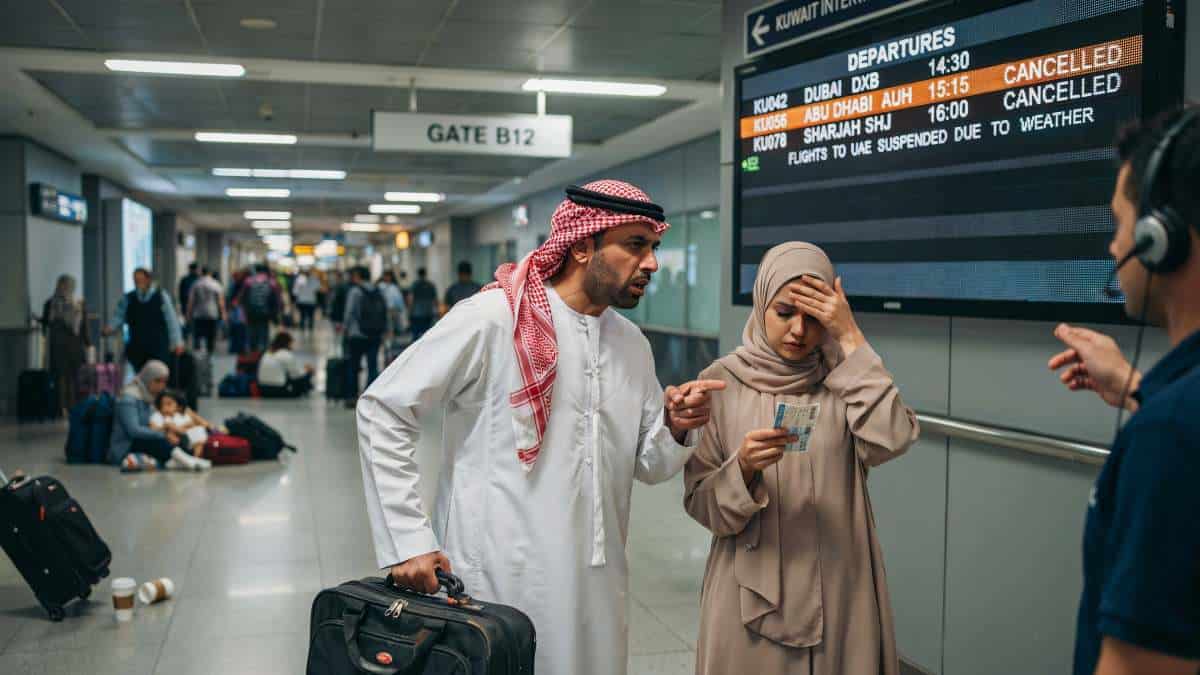
The stability of Middle East Aviation has been shaken by rising Iran-US tensions. These geopolitical shifts frequently impact regional travel. Recently, Kuwait International Airport suspended operations. This decision followed hostile missile and drone attacks.
Airspace safety protocols were immediately reviewed. The Kuwait Armed Forces intercepted several hostile objects. Unfortunately, falling debris caused significant material damage. Critical infrastructure was also targeted. The Kuwait Petroleum Corporation reported damage to a vital facility. Furthermore, an electricity and water plant caught fire. Consequently, commercial airspace safety became the top priority. This led to widespread flight adjustments for major carriers in the UAE.
Advertisement
Advertisement
Essential Travel Advisory: Navigating Your Journey Amid Disruptions
If you hold a reservation for flights between the UAE and Kuwait, staying informed is your highest priority. Because the regional security environment is fluid, your travel plans may be subject to sudden changes. To ensure a smoother experience, please remain hyper-vigilant and proactive regarding your flight status.
Follow these essential tips to manage your travel arrangements effectively:
Advertisement
Advertisement
- Verify Before You Depart: Never head to the airport without first confirming your flight status. Check the official websites or mobile applications of Emirates, Etihad, Air Arabia, or Kuwait Airways every few hours.
- Enable Real-Time Alerts: Ensure your contact details—specifically your mobile number and email—are correctly updated in your booking profile. Opt-in for SMS notifications, which are currently the fastest way for airlines to deliver direct, time-sensitive updates.
- Monitor Official Channels: Follow the verified social media accounts of your airline and local aviation authorities. These platforms often provide the quickest updates when websites experience high traffic or technical lag.
- Prioritize Direct Communication: If your flight is listed as cancelled or delayed, contact your airline’s customer service center or your travel agent immediately. Do not wait for an automated rebooking, as manual intervention can often secure a more favorable alternative route.
- Keep Documentation Accessible: Maintain digital and physical copies of your booking reference, passport, and any necessary travel insurance documents. Having these ready will expedite the rebooking process when speaking with airline representatives.
- Exercise Strategic Flexibility: Given the volume of disruptions, be prepared to consider alternative dates or routes. Flexibility in your departure window may significantly increase your chances of securing a confirmed seat.
- Manage Expectations with Patience: Customer support centers for major carriers are currently experiencing extreme call volumes. Expect extended wait times and stay composed when speaking to agents; they are managing the same rapidly changing data that you are.
- Verify Insurance Coverage: Check if your travel insurance policy covers geopolitical disruptions or “force majeure” events. If it does, keep records of all communication and receipts for any additional expenses incurred due to these cancellations.
By staying calm and organized, you can mitigate the stress caused by these regional interruptions. Remember that the safety of all passengers remains the primary driver behind these necessary operational shifts.
Impact on Travellers and Flight Cancellations
Thousands of passengers now face severe travel disruptions. Travel between the UAE and Kuwait has become difficult due to flight cancellations. Major carriers have responded quickly to the situation.
Advertisement
Advertisement
- Emirates: Multiple services between Dubai and Kuwait are cancelled through July 19.
- Air Arabia: Several flights from Sharjah and Abu Dhabi are halted.
- Etihad Airways: Select flights are listed as awaiting updates.
- Kuwait Airways: Most commercial flights have been rescheduled.
These cancellations have created significant logistical challenges. Passengers are currently experiencing uncertainty regarding their travel plans. The regional infrastructure remains under heavy strain. As a result, travel options are strictly limited for the time being.
Industry Insights: Managing Regional Security Risks
Aviation News highlights the difficulty of maintaining schedules during instability. Airlines must prioritize passenger and crew safety above all else. When an airport suspends operations, a domino effect occurs.
Advertisement
Advertisement
- Scheduled arrivals are often diverted or left stranded.
- Departure schedules in major hubs are significantly delayed.
- Airlines rely on real-time intelligence for safety decisions.
- Digital communication tools are used to alert passengers.
Technology is helpful, but physical infrastructure damage is unpredictable. Consequently, airline agility is constantly tested. Flight planning has become highly cautious and reactive. Experts note that safety is now the primary driver of all operational changes.
Comparison with Previous Developments
The current airline response follows standardized safety protocols. These procedures were refined during past regional security events. For instance, disruptions once occurred following attacks on Saudi Arabia’s Abha airport.
However, the current situation in Kuwait is unique. This event affects energy and water infrastructure alongside aviation hubs. Because of this, a more synchronized regional response is required. Previous protocols mostly focused on simple airspace rerouting. Today, emergency management is fully integrated into daily operations.
Airlines are now more proactive than in the past. They often cancel or delay flights before official state mandates are issued. This reflects a shift toward conservative, risk-averse operational policies. Protecting assets and passengers remains the top priority for Emirates, Etihad, and Air Arabia in these unpredictable times.
Advertisement
