
United States Thanksgiving 2026 Unveils Food Traditions, Historic Secrets, and the True Meaning of Gratitude

Published
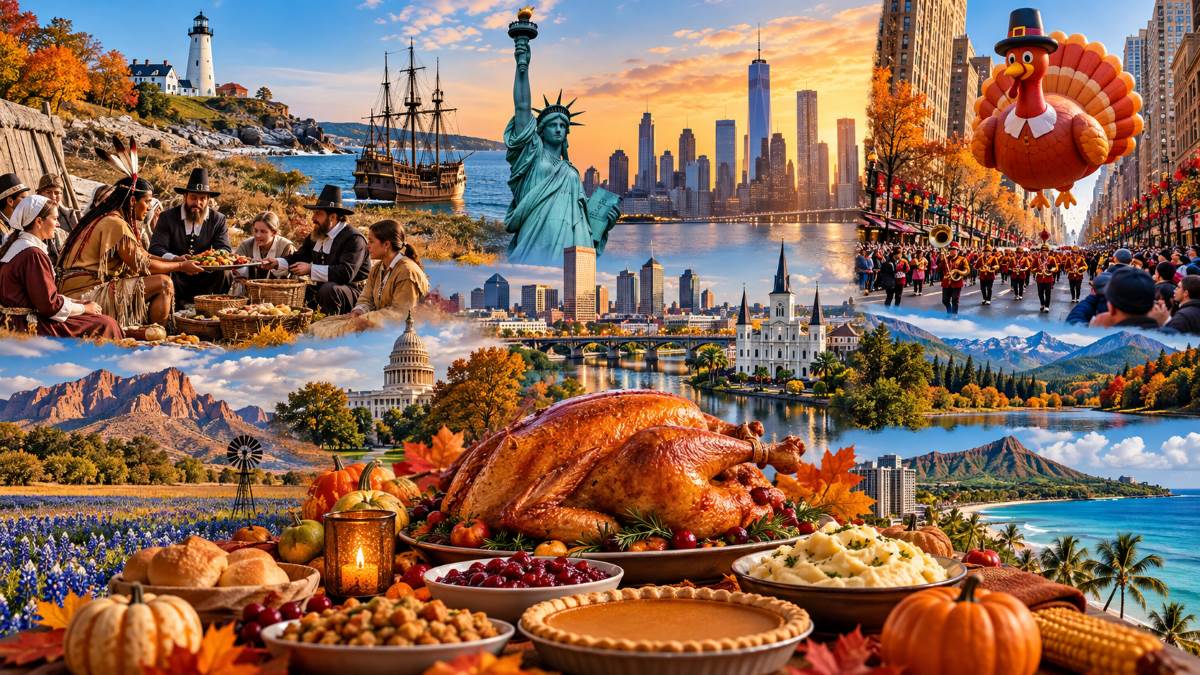
United States Thanksgiving 2026 takes centre stage as millions prepare to celebrate a holiday shaped by food, family, history and gratitude. However, the occasion means more than a traditional turkey dinner. Across America, different states bring their own flavours, customs and stories to this cherished annual celebration. From extraordinary food traditions and lively public parades to historic secrets and powerful community initiatives, Thanksgiving reveals the diverse spirit of the nation. Moreover, its history invites people to look beyond familiar celebrations and understand the experiences of Indigenous communities. Each state offers a distinctive perspective on what gratitude and togetherness mean today. Travel And Tour World urges readers to explore how ten US states mark this occasion, preserve regional heritage, and create memorable experiences for residents and visitors alike. Discover the traditions, stories, and historical connections that make Thanksgiving remarkable, and uncover the true meaning of gratitude behind America’s much-loved holiday.
Thanksgiving and Its Essence Across 10 US States: From Historic Plymouth to New York’s 100th Parade, Discover the Traditions That Bring America Together
Thanksgiving in the United States is more than a traditional feast. It celebrates gratitude, family, community, and cultural identity. From the historic landscapes of Massachusetts to the spectacular streets of New York, the holiday reflects different regional traditions while bringing people together around a shared idea: appreciating what matters most. As Americans prepare for Thanksgiving on 26 November 2026, its meaning offers a fascinating journey through the country’s history, food, and diverse communities.
“Thanksgiving reflects the true spirit of gratitude, togetherness, and cultural diversity across America. From historic Plymouth to New York’s iconic parade, each state offers a unique perspective on this cherished tradition. Understanding its history, embracing regional customs, and supporting communities make the celebration more meaningful for travellers and residents alike,” said Anup Kumar Keshan, Founder and Editor-in-Chief, Travel And Tour World.
Thanksgiving in America: A Holiday Built Around Gratitude
Every year, the fourth Thursday of November brings one of the most important holidays on the American calendar. In 2026, Thanksgiving falls on 26 November, creating an occasion for family reunions, festive meals, charitable activities, and public celebrations across the country.
Advertisement
Advertisement
For many Americans, the holiday begins with preparations in the kitchen. Turkey, stuffing, mashed potatoes, gravy, cranberry sauce, and pumpkin pie feature on numerous traditional menus. Families gather around dining tables, friends organise shared meals, and communities arrange food donations for people who need additional support.
However, the holiday’s meaning extends well beyond its familiar dishes. Thanksgiving encourages people to pause amid their busy lives and recognise the relationships, opportunities and everyday comforts they value. It also provides an opportunity to reflect on American history and the different experiences that have shaped the nation.
Advertisement
Advertisement
The holiday does not look identical in every household. Some families follow recipes passed down through generations, while others combine traditional dishes with foods that reflect their cultural backgrounds. Some watch football or attend local events, while others spend the day volunteering or visiting relatives.
This diversity makes Thanksgiving an interesting way to explore the United States. Ten states, in particular, offer different perspectives on the holiday’s historical background, regional cuisine, public festivities, and community spirit.
Advertisement
Advertisement
Massachusetts: Exploring the Historical Roots of Thanksgiving
Massachusetts occupies a central place in the traditional Thanksgiving story because of the 1621 harvest gathering at Plymouth involving English colonists and the Wampanoag people.
The gathering took place after the colonists’ difficult first year in the region. The Wampanoag had their own established society, traditions, and knowledge of the land long before the English settlers arrived. Their assistance played an important role in the colonists’ survival.
Yet the familiar image of the gathering as the beginning of a harmonious national tradition leaves out important historical details. The relationship between Indigenous peoples and European settlers involved diplomacy, political interests, and changing circumstances. Cooperation did not prevent later conflict, dispossession and the devastating effects of colonization.
The Smithsonian’s National Museum of the American Indian stresses that the conventional national narrative is incomplete without Wampanoag perspectives and a fuller account of the events surrounding the gathering.
Advertisement
Advertisement
For visitors, Massachusetts offers an opportunity to approach Thanksgiving through historical interpretation rather than familiar holiday imagery alone. Places associated with Plymouth’s colonial history provide context for understanding the people, decisions, and circumstances behind the traditional story.
The state’s importance also offers a wider lesson: gratitude and historical reflection can exist together. Celebrating a national holiday need not mean overlooking the experiences of those whose stories have often received less attention.
New York: A Century of Parade Tradition
New York offers one of the most recognisable public expressions of the holiday through the Macy’s Thanksgiving Day Parade.
The parade began in 1924 and developed into a major annual spectacle. Giant character balloons, elaborate floats, marching bands and performances attract crowds along the route, while television broadcasts bring the celebration to audiences across the country.
In 2026, the parade reaches a significant milestone with its 100th edition. Macy’s announced a centennial celebration featuring 100 inflatable elements, alongside returning characters and new attractions. The event is scheduled for Thanksgiving morning, adding another chapter to a tradition that has entertained generations.
The parade demonstrates how a holiday associated with private family gatherings can also become a shared public experience. Children watch familiar characters float above city streets, families make viewing plans, and spectators join the celebrations long before the main meal begins.
Advertisement
Advertisement
New York’s Thanksgiving also highlights the relationship between tradition and popular culture. A celebration can retain its familiar purpose while adapting to changing entertainment trends and audience expectations.
For travellers, the parade provides a compelling reason to experience the city during the holiday season. However, its popularity means visitors should check official announcements for route details, timings, and crowd-management guidance before making plans.
Virginia: Looking Beyond the Familiar Origin Story
Virginia offers another important perspective on the history of Thanksgiving observances in America.
On 4 December 1619, 38 English settlers arrived at Berkeley Hundred along the James River. The settlers observed a religious thanksgiving for their safe passage, following instructions contained in their settlement’s charter.
The Library of Congress documents this event, which is often cited in discussions about the earliest recorded thanksgiving observances among English settlers in what became the United States.
The Virginia account differs from the better-known 1621 Plymouth harvest gathering. The two events took place in different circumstances and had different purposes. The Berkeley observance was a religious ceremony connected with the settlers’ arrival, while the Plymouth gathering is remembered as a harvest celebration involving the Wampanoag.
Advertisement
Advertisement
These distinctions matter because the history of Thanksgiving did not begin with one simple, universally accepted event. Several religious and civic observances contributed to the wider tradition over time.
Virginia’s story encourages visitors and readers to examine historical evidence and understand how national traditions develop. It also shows why historical sites can be valuable destinations for people who want to look beyond the familiar images associated with a holiday.
Pennsylvania: Family Recipes and the Meaning of Home
Pennsylvania provides a useful setting for exploring the importance of family traditions during Thanksgiving.
For many households, the meal is one of the holiday’s defining features. Preparing familiar dishes can reconnect relatives with childhood memories, family celebrations, and generations of home cooking.
Yet a traditional menu does not have to mean an identical menu. Families may adapt recipes, introduce dishes from their cultural backgrounds or create new customs as younger generations grow up and establish households of their own.
This is particularly relevant in a country shaped by migration and cultural exchange. A shared American holiday can accommodate a wide range of food traditions without losing its central emphasis on togetherness.
Advertisement
Advertisement
Pennsylvania’s cities and smaller communities also offer opportunities to examine how families celebrate in different settings. Some gatherings take place in large family homes, while others happen in smaller apartments or community spaces.
The most meaningful part of the occasion may not be the size of the meal or the number of dishes on the table. Instead, it may be the chance to reconnect with relatives, welcome friends, or preserve a recipe that carries personal significance.
For travellers, local food stories can provide a more intimate understanding of American culture than a list of famous holiday dishes alone.
Texas: Turning Gratitude Into Community Participation
In Texas, Thanksgiving can be explored through family gatherings, local charity initiatives and organised outdoor activities.
Turkey Trot events, commonly held around Thanksgiving, bring participants together for running or walking activities. Depending on the organiser, these events may also support charitable causes or encourage community participation.
Such activities add another dimension to a holiday often associated with an elaborate meal. They offer opportunities for people to spend time together, participate in local traditions and support organisations working in their communities.
Advertisement
Advertisement
Charitable initiatives also reflect a practical side of gratitude. Food drives, meal distributions and donations can help households facing financial difficulties during the holiday season.
These efforts are especially relevant because a festive occasion can place additional pressure on families already struggling with the cost of food and everyday essentials.
Texas is not defined by one uniform Thanksgiving tradition. Family customs and local activities differ across its cities, towns and rural areas. Nevertheless, community events provide a useful starting point for examining how people express appreciation through participation and generosity.
Anyone planning to attend a specific event in 2026 should confirm its official schedule, location and charitable arrangements before travelling.
Louisiana: A Holiday Shaped by Regional Food Culture
Food offers a particularly rich way to explore Thanksgiving in Louisiana.
The familiar American holiday meal can meet regional cooking traditions influenced by Cajun and Creole cuisines. Depending on the household, the table may include seasoned dressings, seafood dishes, sweet potatoes, and other foods alongside turkey and traditional sides.
Advertisement
Advertisement
These variations demonstrate how national celebrations can reflect local identities. Recipes carry information about ingredients, cooking methods, family histories, and the communities that have influenced a region’s cuisine.
A holiday meal can therefore become a form of cultural storytelling. A dish prepared every year may represent a grandparent’s influence, a family migration story or a tradition preserved through changing circumstances.
Louisiana’s culinary diversity also offers an appealing angle for food-focused travellers. Exploring regional ingredients and local cooking traditions can help visitors understand why American food culture differs considerably from one state to another.
However, it is important not to assume that every household follows the same menu. Individual preferences, family backgrounds and personal circumstances all influence what appears on the Thanksgiving table.
The broader point is that a shared holiday can create space for regional differences rather than requiring everyone to celebrate in the same way.
Georgia: Connecting the Harvest With the Dinner Table
Thanksgiving’s association with harvest makes Georgia a useful setting for examining the relationship between agriculture, seasonal ingredients, and holiday cooking.
Advertisement
Advertisement
The state’s agricultural landscape provides a wider context for considering where food comes from and how producers contribute to the meals people enjoy. Ingredients such as pecans and sweet potatoes can also feature in regional cooking and seasonal recipes.
The connection between farms and family dining tables offers a practical interpretation of gratitude. Preparing a meal involves more than the person cooking it. It also depends on agricultural workers, food producers, transport networks, retailers, and many others who help bring ingredients to consumers.
This perspective can deepen the meaning of a familiar holiday dinner. Appreciating food involves recognising the work and resources required to produce it, as well as avoiding unnecessary waste.
For visitors, Georgia’s regional food traditions can provide a way to explore the state’s identity beyond its major attractions. Local markets, food-focused experiences, and regional recipes may help travellers understand how agriculture and culture influence everyday life.
The harvest theme also connects Thanksgiving to a broader human tradition of giving thanks for food and the work that makes it available.
California: Gratitude Through Giving and Cultural Diversity
California offers a wide-ranging perspective on how Thanksgiving can bring different communities together.
Advertisement
Advertisement
Its diverse population provides a setting for exploring how families adapt the holiday to their own cultural backgrounds. Some households follow familiar American traditions, while others combine them with recipes and customs inherited from different parts of the world.
This diversity challenges the idea that a meaningful celebration must follow one prescribed format. People can share the same occasion while bringing different experiences, languages and food traditions to the table.
The holiday also provides an opportunity to examine volunteering and food access. Food banks, community kitchens and charitable organisations can play an important role in supporting people who need assistance during the festive period.
For volunteers, these activities turn gratitude into direct action. Preparing meals, sorting donations or helping distribute food can strengthen connections between people who might otherwise have little contact with one another.
Travellers interested in community-focused experiences can research verified local programmes and their participation requirements. Any volunteering opportunity should be checked directly with the organisation involved.
California’s example highlights an important distinction: generosity is not limited to financial donations. Time, practical assistance and personal involvement can also help build stronger communities.
Advertisement
Advertisement
Minnesota: Finding Community in the Autumn Season
Minnesota offers another perspective on the relationship between Thanksgiving, seasonal change and community life.
Autumn gatherings, family meals and local charity activities provide opportunities for people to reconnect before the winter months. In some communities, organised running and walking events also form part of the wider Thanksgiving period.
These activities demonstrate that a holiday can involve more than the main meal. People may spend time outdoors, visit relatives, participate in local events or help neighbours prepare for the colder season.
The changing weather also provides a natural backdrop for seasonal reflection. As the year moves towards winter, Thanksgiving offers a moment to consider personal achievements, relationships and the support people have received.
Minnesota’s regional traditions vary, and there is no single experience that represents every resident. Nevertheless, community activities provide a useful angle for understanding how a national celebration becomes part of local life.
For travellers, the state’s seasonal atmosphere can offer a different perspective from the large urban spectacles associated with Thanksgiving. The appeal lies in observing everyday traditions and the ways people create a sense of belonging.
Advertisement
Advertisement
Hawaii: Bringing Local Identity to a National Holiday
Hawaii offers a distinctive perspective on Thanksgiving because its communities reflect Native Hawaiian heritage alongside a range of Asian, Pacific Islander, and other cultural influences.
For some families, the holiday meal combines familiar mainland American dishes with local ingredients and recipes. Others may follow traditions specific to their own households and cultural backgrounds.
These variations show how a national holiday can take on different meanings in different places. The central ideas of family, appreciation, and sharing remain recognisable, while the food and customs reflect local identities.
Hawaii also provides an opportunity to distinguish Native Hawaiian culture from the wider diversity of the state’s population. Its Indigenous history and cultural traditions should not be reduced to a general description of island life.
For visitors, local food and cultural experiences can offer insight into the relationships between heritage, place and family traditions. Respectful engagement means recognising that communities are not simply attractions and that cultural practices may carry meanings beyond their appeal to tourists.
Hawaii’s example reinforces a broader point about American Thanksgiving: the holiday can accommodate many expressions of belonging without erasing the identities that make each community distinctive.
Advertisement
Advertisement
The Deeper Meaning of Thanksgiving
Across these ten states, Thanksgiving takes different forms. Massachusetts and Virginia provide opportunities to examine the historical record. New York demonstrates the power of public spectacle, while Louisiana and Georgia highlight the connections between food, regional identity and agriculture. Other states offer useful perspectives on family traditions, volunteering, cultural diversity and community participation.
Yet the holiday’s central themes remain connected. Gratitude encourages people to recognise what they value. Shared meals create opportunities for conversation and re connection. Charitable activities turn appreciation into practical assistance.
The holiday also invites a more thoughtful engagement with history. The familiar account of the 1621 gathering cannot fully explain the experiences of the Wampanoag people or the consequences of European colonization. Recognising these perspectives provides a more complete understanding of the past.
Thanksgiving does not need to be identical in every household to remain meaningful. Some people celebrate with extended families, others with friends, and others through community service. Some prepare elaborate meals, while others keep the day simple. What connects these experiences is the opportunity to pause, acknowledge the contributions of others, and consider how gratitude can influence everyday actions.
For visitors exploring America during the holiday season, this offers a perspective that goes beyond parades, shopping and festive menus. The most revealing experiences may come from learning about local histories, listening to community stories and understanding why particular traditions matter to the people who preserve them.
Ultimately, the enduring value of the occasion lies not in the number of dishes served or the scale of the celebrations. It lies in the relationships people nurture, the help they offer, and their willingness to recognise both the blessings and the difficult histories that shape their communities.
Advertisement
