
Antarctica Reveals A New Travel Era As Polar Cruises Enter A Safer Adventure Future

Published
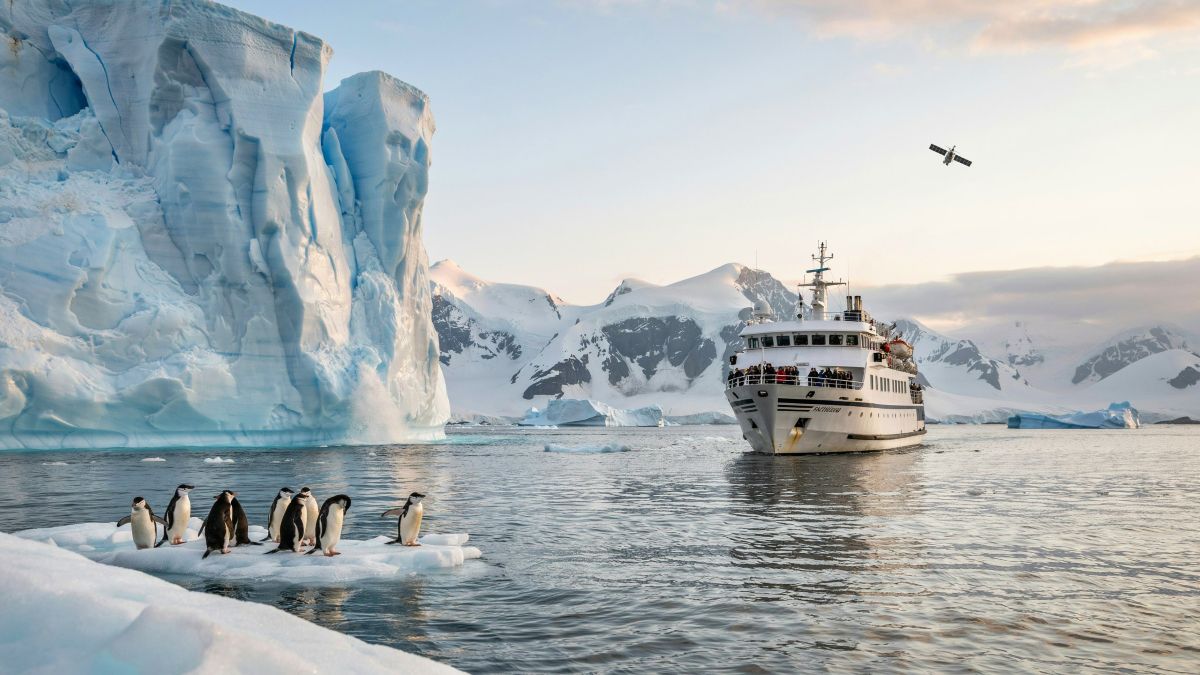
The era of travel emerges from the frozen continent of Antarctica because it moves into an era of safe adventures for those explorers looking for memorable trips. Due to the increase in polar cruise trips, the travellers get introduced to new methods of exploring the frozen continent using new technologies and safety procedures. Besides, the era of travel changes polar cruise trips by providing safe ways and protection to the natural environment. The adventure future of Antarctica is all about collaboration and planning of sustainable trips. It enables today’s travelers to enjoy the destination while preserving it for future generations.
Antarctica Tourism Moves Into A New Maritime Age
Antarctica remains one of the most challenging travel destinations on Earth. Unlike traditional holiday locations, visitors cannot simply arrive independently. Every journey depends on ships, aviation support, scientific infrastructure, weather information and carefully planned logistics.
Advertisement
Advertisement
The same maritime systems that support scientific missions also support tourism. Research vessels, icebreakers, satellite monitoring networks and international cooperation help create a safer environment for expedition cruises.
China’s Antarctic programme shows how modern polar operations work. Research icebreakers such as Xuelong and Xuelong 2 combine scientific research with logistics support. These vessels transport supplies, assist Antarctic stations and conduct ocean research. Their operations show that Antarctic access requires strong maritime capability and international connections.
Advertisement
Advertisement
This development matters for tourism because expedition cruise companies operate in the same challenging environment. They depend on accurate navigation information, safe sea routes and emergency support systems.
The future Antarctic traveller will experience a destination shaped by science, technology and environmental responsibility.
Advertisement
Advertisement
Expedition Cruises Could Benefit From Better Safety Technology
Antarctic expedition cruises are becoming increasingly popular because they offer experiences that few places on Earth can match. Travellers can witness enormous icebergs, penguin colonies, seals, whales and breathtaking polar landscapes.
However, these journeys also involve challenges. The Southern Ocean is remote and unpredictable. Weather conditions can change quickly. Rescue operations can take longer because support facilities are often far away.
New maritime awareness systems could improve travel safety. Technologies such as vessel tracking systems, satellite radar and long-range monitoring tools help authorities understand ship movements in difficult areas.
These systems can support:
- Better emergency response planning
- Improved vessel tracking
- Safer navigation decisions
- Faster identification of ships during emergencies
- Stronger coordination between operators and authorities
For cruise passengers, this means technology working quietly behind the scenes to create safer journeys.
Satellite systems can also identify vessels in areas where traditional tracking methods may face limitations. Radar satellites can detect ship-like objects even during darkness and cloudy conditions. When combined with other information, they provide a clearer understanding of activity across remote polar waters.
Advertisement
Advertisement
Antarctic Travel Will Face Stronger Environmental Protection
The biggest challenge for Antarctic tourism is not only reaching the continent. It is protecting it.
Antarctica is one of the planet’s most fragile environments. Even small changes can affect wildlife, ecosystems and natural landscapes.
As more vessels travel through Antarctic waters, careful management becomes increasingly important. Tourism operators must consider risks linked to:
- Fuel spills
- Waste management
- Wildlife disturbance
- Invasive species
- Emergency pollution response
Antarctica follows strict international rules focused on science, conservation and peaceful activities. These protections help maintain the continent’s unique environment.
For travellers, this means future Antarctic journeys may include stronger biosecurity checks, controlled landing areas and more detailed environmental briefings.
These measures may create a more regulated travel experience, but they also help preserve the landscapes that make Antarctica one of the world’s most extraordinary destinations.
Advertisement
Advertisement
Gateway Cities Could Become More Important For Polar Tourism
Antarctica tourism does not begin when travellers reach the ice. It starts in gateway cities that connect visitors with the continent.
Locations such as Ushuaia in Argentina, Punta Arenas in Chile, Christchurch in New Zealand and Hobart in Australia play an important role in Antarctic travel.
These destinations provide:
- Accommodation before and after cruises
- Transport connections
- Ship services
- Fuel and supply support
- Tourism infrastructure
The importance of gateway networks is clear because Antarctic operations depend on ports, repairs, supplies, aviation support and personnel movements. Tourism relies on many of the same systems.
As Antarctic tourism expands, gateway cities could see stronger demand from travellers preparing for polar adventures.
Hotels, restaurants, transport companies and local tourism providers may benefit from growing interest in Antarctic journeys.
Advertisement
Advertisement
China’s Antarctic Presence Shows How Polar Travel Depends On Cooperation
China’s Antarctic activities highlight an important reality about polar travel. Access to Antarctica depends on cooperation between countries, ports and scientific communities.
During previous Antarctic expeditions, Chinese research vessels supported station operations and used international gateway connections. Xuelong 2 also visited Christchurch for resupply, personnel changes and scientific discussions with researchers.
This shows that Antarctic operations are built through networks rather than isolated journeys.
For tourism, this cooperation is equally important. Cruise operators, researchers and governments need shared information to manage safety and environmental challenges.
Antarctica is not becoming a normal cruise destination. It remains a carefully controlled region where travel depends on responsibility and international coordination.
More Ships Mean A Bigger Need For Responsible Tourism
Antarctica is attracting more attention from travellers, but the region cannot support unlimited tourism growth.
Advertisement
Advertisement
The Southern Ocean is already used by different types of vessels, including:
- Scientific research ships
- Supply vessels
- Fishing vessels
- Expedition cruise ships
Each vessel has different purposes and responsibilities. A research ship is not the same as a commercial fishing vessel. A tourism vessel is not the same as a government logistics ship.
Clear separation between these activities is essential.
Tourism operators must follow environmental rules and maintain responsible practices. Travellers also play an important role by choosing operators that respect conservation standards.
Future Antarctic tourism may focus less on mass travel and more on careful, low-impact experiences that protect the natural environment.
Satellite Tracking Could Change The Future Of Polar Exploration
Technology is becoming a major part of Antarctic travel.
Advertisement
Advertisement
In the past, remote regions were difficult to monitor. Today, satellites, digital tracking systems and improved communication tools provide a clearer picture of activity across the Southern Ocean.
For tourism, these technologies can help operators plan safer routes and respond better to changing conditions.
They can support decisions about:
- Ice conditions
- Weather risks
- Ship movements
- Emergency situations
- Safe travel corridors
The same systems used for maritime awareness can also support conservation. Authorities can monitor sensitive areas and understand how human activity affects Antarctica.
This creates a future where technology supports both exploration and environmental protection.
Antarctic Tourism Must Balance Adventure With Protection
The attraction of Antarctica comes from its untouched beauty. Travellers want to experience a place that feels different from anywhere else on Earth.
Advertisement
Advertisement
However, protecting that experience requires careful management.
The future of Antarctic tourism will depend on finding balance between:
- Visitor demand
- Scientific research
- Environmental protection
- Maritime safety
- International cooperation
More monitoring does not mean less adventure. Instead, it could create a safer and more responsible way to explore the continent.
Travellers may continue discovering Antarctica’s glaciers, wildlife and landscapes, but they will do so under stronger rules designed to preserve the region.
The Future Of Antarctica Travel Will Be Safer More Sustainable And More Controlled
Antarctica is the source of a new era of travel, as polar cruises embark on a safer adventure era whereby adventurers explore the frozen continent through sustainable adventures and modern technologies. In addition, international collaboration helps in planning and safeguarding this distant destination. The future of Antarctica is about exploration, whereby every adventurer enjoys its wonders without compromising the wild nature of the area through sustainable tourism practices.
Advertisement
