
Belgium Outranks Czechia, Austria and More as Europe’s Secret Brewing Towns Redefine Winter City Breaks

Published
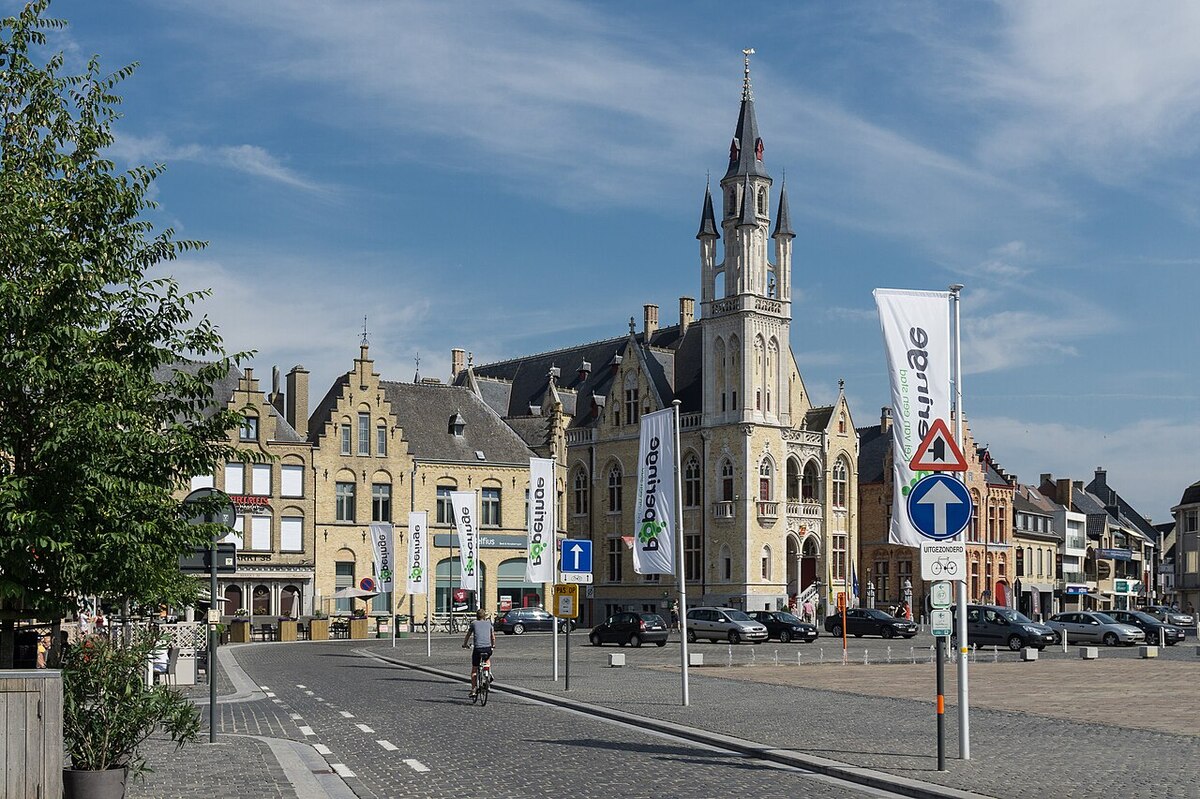
Belgium is the favorite European destination for beer tourism, overtaking not only Czechia but also Austria and other countries in the region. Poperinge and Watou have taken the first place with an excellent result of 88 points out of 100. The quality of local brews, historic hop growing, pubs and breweries have contributed to the high mark. Czechia, Austria, the United Kingdom, the Netherlands are also represented in the list of best beer destinations in Europe, offering a chance to enjoy a real European experience, visiting historic towns associated with brewing tradition. With Christmas markets season and winter city breaks approaching, beer tourism destinations offer a full experience of local flavor, culture, hospitality and unforgettable atmosphere to accompany holidays and weekend getaways during autumn and winter months.
As the summer festival season comes to an end, European tourism is preparing for a new wave of Christmas market visits, cultural holidays and winter city breaks. For travellers interested in regional food and drink, historic breweries, traditional beer halls and independent taprooms offer another reason to discover destinations beyond Europe’s major tourist centres.
Advertisement
Advertisement
Beer continues to hold a significant place in global drinking culture. According to research published by Kirin Holdings, worldwide beer consumption reached approximately 194.1 billion litres in 2024, representing an increase of 0.5% compared with 2023. This continued demand highlights the enduring popularity of beer, not only as a beverage but also as an important part of local traditions and regional identities.
A new European ranking commissioned by luxury travel specialist Bailey Robinson has identified the destinations offering the strongest beer-related visitor experiences. The study selected one leading location from each country and examined destinations recognised for their brewing traditions, hop cultivation, heritage attractions and beer culture.
Advertisement
Advertisement
The results place several smaller European towns ahead of more familiar city-break destinations, highlighting how local craftsmanship and centuries-old brewing practices can support cultural tourism.
Belgium Leads Europe’s Beer Tourism Ranking as Historic Hop Towns Secure First Place
Belgium has claimed the leading position in the European beer tourism ranking, with the neighbouring destinations of Poperinge and Watou receiving 88 points out of 100. Their success reflects the region’s deep association with hop production, established breweries and Belgian beer-making traditions.
Advertisement
Advertisement
Czechia follows closely in second place, with Žatec earning 85 points for its historic role in hop cultivation. Austria’s Freistadt ranks third with 75 points, while Faversham in the United Kingdom secures fourth place with 74 points.
Amersfoort in the Netherlands completes the top five, followed by destinations in Germany, Poland, Estonia, Lithuania and Latvia.
Top 10 European Destinations for Beer Lovers
| Rank | Destination | Country | Score /100 |
|---|---|---|---|
| 1 | Poperinge and Watou | Belgium | 88 |
| 2 | Žatec | Czechia | 85 |
| 3 | Freistadt | Austria | 75 |
| 4 | Faversham | United Kingdom | 74 |
| 5 | Amersfoort | Netherlands | 73 |
| 6 | Bayreuth | Germany | 73 |
| 7 | Cieszyn | Poland | 68 |
| 8 | Tartu | Estonia | 62 |
| 9 | Biržai | Lithuania | 60 |
| 10 | Valmiera and Valmiermuiža | Latvia | 58 |
The results suggest that destinations with distinctive brewing heritage can attract travellers seeking authentic cultural experiences rather than conventional sightseeing alone.
Belgium’s Poperinge and Watou Offer Europe’s Ultimate Beer Heritage Experience
Rank 1 | Belgium | 88/100
Poperinge and Watou have emerged as the strongest destinations for beer enthusiasts, placing Belgium at the top of the European ranking. Situated in one of the country’s historic hop-growing regions, Poperinge has played an important role in supporting Belgian brewing for generations.
Visitors can explore this agricultural and industrial heritage at the Hop Museum, which explains the history of hop cultivation and its importance in beer production. The surrounding countryside also offers an opportunity to understand the region’s connection with traditional farming and brewing.
Advertisement
Advertisement
Nearby Watou strengthens the area’s appeal through its association with St. Bernardus Brewery, which is recognised for producing Belgian abbey-style beers. Brewery experiences introduce visitors to established production methods and regional brewing traditions.
Together, the two destinations offer a combination of rural scenery, local history and beer-related attractions.
Czechia’s Žatec Takes Second Place with Its World-Famous Hop-Growing Heritage
Rank 2 | Czechia | 85/100
Žatec has secured second place in the ranking, reinforcing Czechia’s position as one of Europe’s most significant countries for brewing history. The town is particularly associated with Saaz hops, an internationally recognised variety used in traditional Czech lagers.
Its centuries-old hop-growing culture has helped shape the identity of the surrounding region. The cultivation, processing and trade of hops remain central to understanding Žatec’s historical development and its contribution to Czech beer production.
Although Prague and Plzeň are better known among international tourists, Žatec offers a different perspective on the country’s brewing industry.
Advertisement
Advertisement
Instead of focusing only on finished beer, visitors can discover the agricultural heritage and specialist knowledge behind some of the world’s best-known lager styles.
Austria’s Freistadt Enters Europe’s Top Three with Centuries of Brewing Tradition
Rank 3 | Austria | 75/100
Freistadt in Upper Austria takes third place, achieving 75 points for its distinctive brewing identity and historic attractions.
The town is closely linked to Braucommune Freistadt, a brewing institution with roots stretching back to the eighteenth century. This longstanding tradition provides visitors with an insight into how brewing has formed part of local economic and community life.
Beyond its beer heritage, Freistadt offers medieval streets, traditional architecture and a historic town centre.
These attractions make it an appealing choice for travellers interested in combining cultural sightseeing with regional food and drink experiences.
Advertisement
Advertisement
Its strong performance also demonstrates that smaller Austrian towns can offer compelling alternatives to the country’s better-known urban destinations.
United Kingdom’s Faversham Secures Fourth Place as Kent’s Historic Brewing Culture Shines
Rank 4 | United Kingdom | 74/100
Faversham in Kent has been named the United Kingdom’s highest-ranking destination for beer enthusiasts, earning 74 points.
The market town has a longstanding connection with British brewing and is home to Shepherd Neame, widely recognised as Britain’s oldest brewer.
Its brewing heritage remains an important element of the destination’s identity, attracting visitors interested in traditional ales, brewery experiences and British pub culture.
Travellers can explore historic streets, discover local pubs and learn about the town’s relationship with beer production.
Advertisement
Advertisement
Faversham also benefits from its traditional English market-town atmosphere, providing opportunities to combine a brewery-focused visit with cultural sightseeing and local hospitality.
Its fourth-place finish highlights the continued appeal of Britain’s historic brewing towns.
Netherlands’ Amersfoort Completes Europe’s Top Five with Historic Charm and Modern Beer Culture
Rank 5 | Netherlands | 73/100
Amersfoort has taken fifth place in the European ranking, scoring 73 points and establishing itself as the Netherlands’ leading destination in the study.
The city combines a well-preserved medieval centre with a contemporary hospitality scene, creating an attractive setting for travellers interested in traditional architecture and local food and drink.
Its canals, historic buildings and welcoming cafés contribute to its appeal as a relaxed European city-break destination.
Advertisement
Advertisement
Independent breweries and specialist beer venues also provide opportunities to discover locally produced drinks and regional styles.
For tourists seeking an alternative to Amsterdam, Amersfoort offers a quieter setting where brewing culture can be explored alongside sightseeing, restaurants and historic neighbourhoods.
Germany, Poland and the Baltic Countries Strengthen Europe’s Beer Tourism Appeal
Beyond the leading five destinations, the ranking highlights several other European locations with notable brewing connections.
Germany’s Bayreuth takes sixth place with 73 points, placing it level with Amersfoort on score. Poland’s Cieszyn follows in seventh place with 68 points.
The Baltic countries also secure positions in the top ten. Estonia’s Tartu ranks eighth with 62 points, Lithuania’s Biržai follows with 60 points, and Latvia’s Valmiera and Valmiermuiža complete the list with 58 points.
Their inclusion widens the geographical scope of European beer tourism, encouraging travellers to consider destinations outside traditional brewing centres.
Advertisement
Advertisement
The results demonstrate that regional beer cultures extend across different parts of Europe, from Central European towns to destinations in the Baltic region.
Christmas Markets and Winter City Breaks Could Bring Fresh Appeal to Europe’s Brewing Towns
As the winter travel season approaches, historic beer destinations offer opportunities to combine traditional cultural experiences with seasonal holidays.
European Christmas markets, historic town centres and winter festivities provide a setting for exploring local food and drink traditions. Brewery visits, traditional pubs and taprooms can also become part of a wider city-break itinerary.
For visitors, this creates an opportunity to experience a destination beyond its main landmarks.
Travellers exploring Belgium, Czechia, Austria or the United Kingdom can combine local brewing heritage with architecture, regional cuisine and cultural attractions.
However, the ranking measures beer-tourism appeal rather than confirming Christmas market dates, seasonal brewery opening hours or winter event schedules. Travellers should check individual venues and local tourism information before planning their visits.
Advertisement
Advertisement
Europe’s Lesser-Known Brewing Destinations Open New Opportunities for Cultural Tourism
The ranking demonstrates how beer-related tourism can encourage visitors to explore places that might otherwise receive less international attention.
Smaller destinations such as Poperinge, Žatec and Freistadt offer experiences shaped by local traditions, historic industries and specialist craftsmanship.
Their appeal extends beyond beer tasting. Museums, traditional architecture, agricultural landscapes and regional hospitality help visitors understand the communities behind Europe’s established brewing cultures.
The findings also highlight an important development in destination tourism: travellers can build meaningful holidays around local heritage rather than relying only on famous landmarks.
With Belgium leading the list and nine other European countries represented, the ranking provides fresh inspiration for travellers planning cultural trips, brewery visits and winter city breaks.
For those looking to discover a different side of Europe, the continent’s historic beer towns offer a combination of tradition, history and local character.
Advertisement
Advertisement
Sarah Ward Hedges, Personal Travel Designer at Bailey Robinson, said: “Beer has long been part of the cultural identity of many European destinations, but some of the most memorable experiences aren’t necessarily found in the cities travellers would expect.
“While famous beer destinations such as Munich and Prague have plenty to offer, venturing beyond the usual tourist hotspots can provide a more authentic and personal experience. Smaller towns and lesser-known destinations often have deeply rooted brewing traditions, independent breweries and local pubs where visitors can connect with the people and communities behind the beer. Exploring these places can also mean fewer crowds and more opportunities to discover hidden gems that might otherwise be overlooked.
“While summer festivals often attract the most attention, autumn and winter can be wonderful times to explore Europe’s brewing destinations. Traditional pubs, historic breweries and cosy local venues offer the perfect setting for experiencing local culture, particularly when combined with Christmas markets, seasonal food and sightseeing.
“Ultimately, a great beer-themed break isn’t just about trying different drinks. It’s about exploring somewhere new, meeting local people and gaining a deeper appreciation of the history, traditions and communities that make each destination unique.”
From exploring Belgium’s famous hop-growing region and discovering Czechia’s UNESCO-recognised brewing heritage to visiting one of Britain’s oldest breweries, the ranking highlights how some of Europe’s most memorable beer tourism experiences can be found in lesser-known towns beyond the continent’s busiest tourist destinations.
Advertisement
