
Cartagena Travel Faces Security Questions After Rural Massacre as Tourists Continue Visiting Colombia

Published
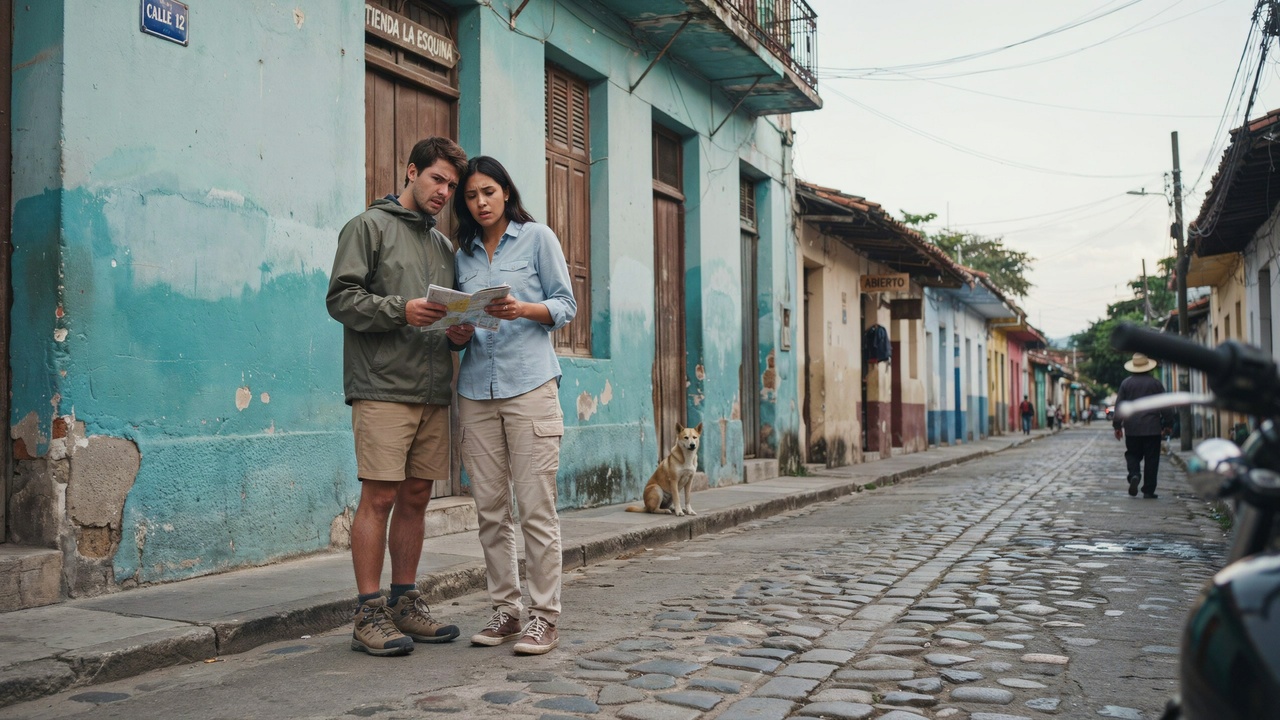
Image generated with Ai
Cartagena Travel is facing renewed security scrutiny after four young men were killed in a shooting in the rural Puerto Rey and Tierra Baja area of La Boquilla on 1 October 2026. The incident occurred outside Cartagena’s principal tourist districts and was being investigated by the Metropolitan Police and Fiscalía. The killings have nevertheless raised questions for visitors planning trips to Colombia’s Caribbean coast. The key distinction is location. The reported attack occurred in a rural part of the wider Cartagena district, rather than the historic walled city, Getsemaní or Bocagrande. Current official guidance still calls for increased caution in Colombia, making informed planning important for travellers.
What Happened in Cartagena?
The reported killings occurred during the night of 1 October 2026 in the Puerto Rey/Tierra Baja area of La Boquilla, in northern rural Cartagena.
Local reports said residents heard gunshots between roughly 10:30pm and 11pm. Investigators subsequently found three bodies inside a white vehicle and a fourth body nearby on the road connecting Puerto Rey and Tierra Baja.
The victims were initially reported to be young men aged approximately 20 to 22. Their identities were still undergoing formal verification when the initial reports were published, with the bodies transferred for forensic examination.
Advertisement
Advertisement
The incident is therefore a serious security event.
However, the available reporting does not establish that tourists were targeted or that the killings occurred within Cartagena’s principal visitor zones.
Advertisement
Advertisement
That distinction is essential when assessing the implications for tourism.
Why Is It Being Called Colombia’s 95th Massacre?
The classification comes from Indepaz, a Colombian peace and conflict-monitoring organisation.
Advertisement
Advertisement
Indepaz defines a massacre as the killing of three or more people during a single incident. Because four people were killed, the organisation classified the Cartagena incident as Colombia’s 95th massacre of 2026.
This is an Indepaz classification.
It should not be presented as an official government determination of motive or responsibility.
At the time of the initial reporting, the police and Fiscalía investigation remained active. Authorities had not publicly established a confirmed perpetrator or motive.
Advertisement
Advertisement
That means claims circulating about the reasons behind the attack require caution.
Police Investigate the Killings and Threatening Leaflet
The Cartagena Metropolitan Police and Fiscalía General de la Nación opened an investigation involving criminal investigators and intelligence personnel.
Investigators were seeking to determine who carried out the shooting, why the victims were targeted and whether organised criminal groups were involved.
A threatening leaflet also circulated after the killings.
The document was reportedly attributed to the Autodefensas Gaitanistas de Colombia, commonly referred to as the Clan del Golfo, and purported to claim responsibility for attacks against another criminal organisation.
But the Cartagena Metropolitan Police was investigating the origin and authenticity of that document.
Advertisement
Advertisement
Consequently, the leaflet should not be reported as confirmed proof of responsibility.
The distinction between an allegation and an established finding is particularly important for travel reporting.
Is Cartagena Safe for Tourists After the Attack?
There is no evidence in the supplied reporting that this particular attack targeted tourists or occurred in the main tourism districts.
The killings took place in rural Cartagena, between Tierra Baja and Puerto Rey in La Boquilla. The city’s principal visitor areas include the historic walled city, Getsemaní, Bocagrande and major hotel and beach zones.
Therefore, it would be inaccurate to conclude that the entire Cartagena tourism area has become unsafe because of this incident.
At the same time, travellers should not ignore the wider security environment.
Advertisement
Advertisement
The US State Department currently classifies Colombia at Level 3, “Reconsider Travel,” because of crime, terrorism, civil unrest, kidnapping and natural disasters. Its advisory also identifies particular areas where the risks are higher.
Importantly, the advisory does not place Cartagena among the Colombian areas specifically listed under its “Do Not Travel” restrictions.
That means travellers should assess the precise location and itinerary rather than treating every part of Colombia as having identical security conditions.
What Does This Mean for Cartagena Travel?
For a tourist staying in the established visitor districts, Cartagena remains a major international destination.
Colombia’s official tourism platform describes Cartagena de Indias as a Caribbean destination with colourful streets, historic attractions, beaches, islands and cultural experiences.
The city continues to promote tourism internationally.
Advertisement
Advertisement
Cartagena’s municipal government has also been investing in visitor infrastructure. In 2026, the city opened the renovated Historic Corridor connecting the Historic Centre with Parque de la Marina, with pedestrian and public-space improvements intended to strengthen mobility and the visitor experience.
A new Centro de Atención al Turista at Parque Centenario has also been established to provide information and assistance to national and international visitors.
These developments indicate that tourism remains an important part of the city’s public planning.
Cartagena’s Tourism Security Measures Remain Active
Colombia’s National Police has continued deploying additional resources around major tourist periods.
During the 2026 Easter season, Cartagena police announced a deployment of more than 3,500 officers, including additional personnel focused on tourist areas, beaches, hotels, transport terminals and historic locations.
Police Tourism and Heritage personnel were also assigned to historic sites, hotels, beaches and shopping areas.
Advertisement
Advertisement
The measures demonstrate that authorities recognise the need for visible security around high-traffic tourism zones.
The police have also previously reported targeted operations against criminal activity affecting tourists. In March 2026, authorities announced the arrest of seven alleged members of a drug-trafficking structure operating in Cartagena’s walled city, where investigators said drugs were being sold to tourists.
This does not mean ordinary tourists are routinely targeted.
It does show why visitors should use normal urban-travel precautions.
Which Cartagena Areas Should Travellers Focus On?
The Historic Centre remains one of the city’s principal cultural attractions.
Colombia Travel highlights its preserved colonial architecture, colourful streets, plazas, churches and historic walls.
Advertisement
Advertisement
Getsemaní provides a more contemporary neighbourhood experience, with restaurants, nightlife and cultural activity.
Bocagrande is associated with modern hotels, restaurants, shopping and beachfront tourism.
The nearby islands and beaches also form an important part of Cartagena’s tourism proposition. Colombia’s official tourism platform promotes the Caribbean region for beaches, islands, cultural experiences and water activities.
Visitors should distinguish these established tourism zones from unfamiliar rural or peripheral areas.
Should Travellers Visit Rural Areas Around Cartagena?
This is where additional caution is appropriate.
The reported killings occurred in rural Cartagena rather than the central tourism districts.
Advertisement
Advertisement
Visitors who have no specific reason to travel into unfamiliar peripheral areas should avoid doing so independently, particularly after dark.
The practical advice is to use reputable transportation, follow local guidance and arrange excursions through established tourism providers.
The Cartagena district itself recommends using authorised tourism services and departing for island excursions from recognised facilities such as the Muelle de La Bodeguita.
This is particularly relevant for visitors unfamiliar with the city’s geography.
Cartagena Travel Still Offers Major Attractions
The security story should not erase the destination’s wider tourism profile.
Cartagena combines Caribbean scenery with centuries of history.
Advertisement
Advertisement
Visitors can explore the walled Historic Centre, colonial architecture, museums, churches and plazas.
The city’s coastal setting also provides access to beaches and islands suitable for diving and water activities. Colombia Travel describes Cartagena as a destination where historic architecture, Caribbean culture and marine experiences coexist.
Cartagena also has a major events calendar.
The official Colombia tourism platform lists the 11 November Independence celebrations for 11–15 November 2026, featuring festivals, parades, music and dance inspired by African and Caribbean traditions.
What Should Travellers Do Before Visiting Cartagena?
Travellers should check their own government’s latest Colombia advisory before departure.
The US State Department currently advises travellers to reconsider travel to Colombia because of several security and natural-disaster risks, while identifying specific regions with higher restrictions.
Advertisement
Advertisement
Visitors should also check current local information immediately before travelling.
Once in Cartagena, use authorised tourism operators and reputable transport services.
Keep valuables secure, avoid displaying expensive phones or jewellery unnecessarily and remain alert in crowded areas.
For island trips, use recognised operators and pay attention to weather and marine safety.
Colombia’s official tourism platform provides practical information covering safety, health, transport, climate and entry requirements.
Is Cartagena Safe to Visit Right Now?
The most accurate answer is conditional.
Advertisement
Advertisement
It would be misleading to describe Cartagena as completely safe because a serious rural massacre has occurred within the wider district and Colombia remains under a Level 3 US travel advisory.
But it would also be misleading to say that the incident makes the entire tourist city unsafe.
The killings occurred in a rural area. There is no information in the supplied reporting indicating that tourists were the targets.
Authorities continue to maintain security operations in tourist zones, while Cartagena continues investing in visitor infrastructure and tourism services.
For travellers who decide to visit, the appropriate approach is heightened awareness rather than panic.
Visitors should remain within established tourism areas unless they have a legitimate reason and reliable arrangements to travel elsewhere.
Conclusion
Cartagena Travel remains possible, but the latest violence means visitors should approach the destination with informed caution rather than treating it as completely risk-free. The 1 October killings in rural Puerto Rey and Tierra Baja involved four victims and remain under investigation, while the “95th massacre” designation comes from Indepaz rather than a final government finding. The incident occurred outside Cartagena’s principal tourism districts, and there is no evidence in the available reporting that tourists were targeted. Colombia’s current US travel advisory nevertheless calls for reconsideration of travel to the country because of broader security risks. Travellers who proceed should use authorised services, remain alert, avoid unfamiliar rural areas and check official advice before and during their trip. For now, the evidence supports a message of caution and careful planning, not a blanket conclusion that Cartagena’s tourist areas are closed or unsafe.
Advertisement
