
Greece Joins Spain,Italy and Others as Mediterranean Travel Enters Powerful New High Spending Tourism Era in 2026

Updated
Published
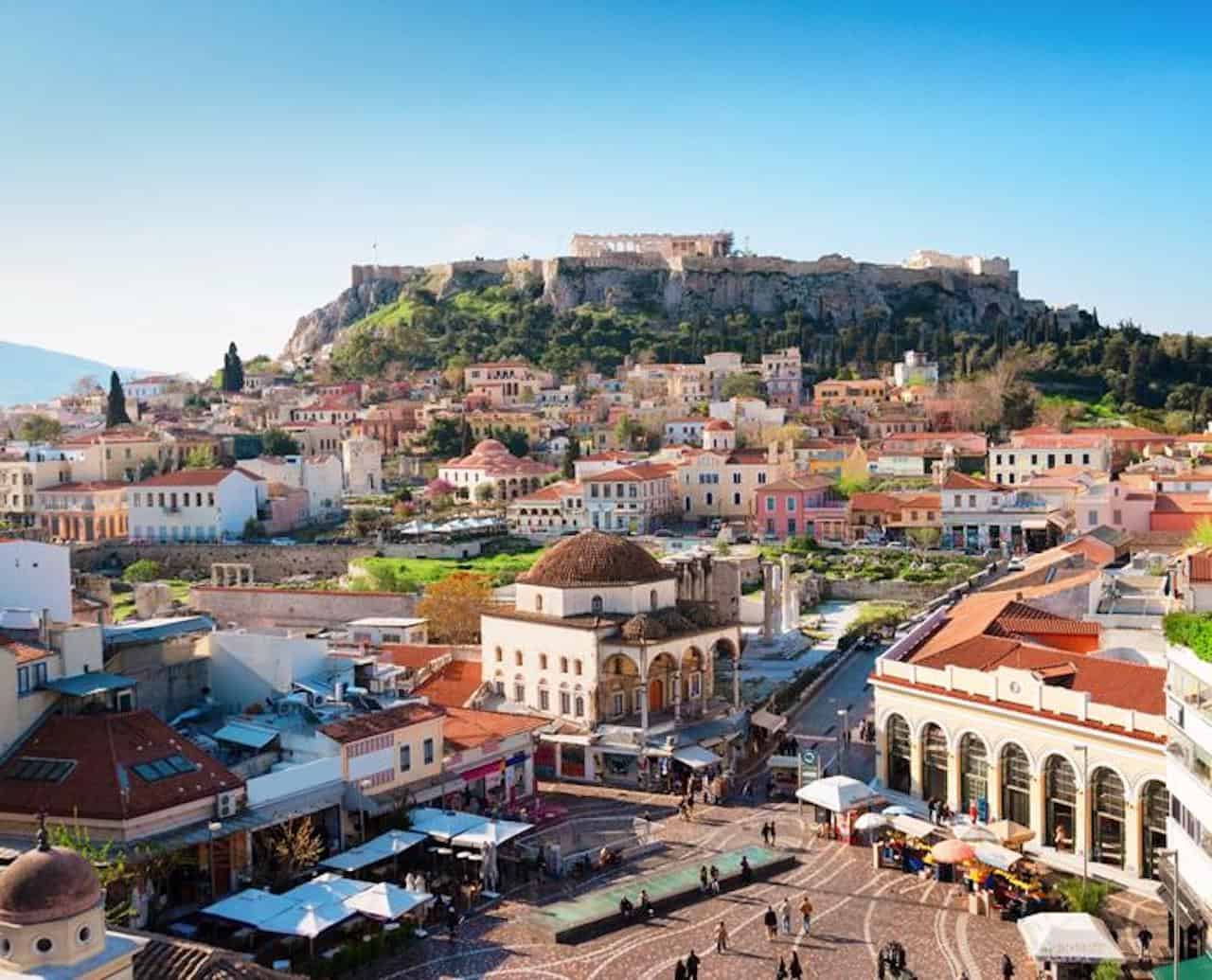
Mediterranean Tourism Changes Course As Countries Chase Value Beyond Visitor Numbers.Mediterranean tourism growth is entering a new phase as destinations measure success not only through visitor arrivals but also through travel spending, longer stays and premium experiences. Greece has become the latest example of this transformation after recording a decline in July arrivals while tourism income continued to increase.
Greece’s latest tourism performance highlights a major shift across Europe’s most popular holiday region. According to Bank of Greece data, non-resident traveller arrivals in July 2026 declined by 3.1 percent compared with the previous year. However, travel receipts increased by 7.2 percent, reaching €4.72 billion.
Advertisement
Advertisement
The wider January–July 2026 picture remained positive, with Greece recording an 8.6 percent rise in non-resident arrivals and a 12 percent increase in tourism receipts, reaching €13.52 billion compared with €12.07 billion during the same period in 2025.
This trend reflects a wider Mediterranean tourism transformation. Countries that traditionally competed for the highest number of visitors are now increasingly focusing on attracting travellers who spend more, stay longer and explore beyond traditional hotspots.
Advertisement
Advertisement
Spain, Italy, Portugal, Croatia and Türkiye are following similar strategies by expanding cultural tourism, luxury travel, gastronomy, wellness experiences and sustainable destination development.
Greece Tourism Shows Why Spending Power Is Becoming The New Travel Benchmark
Greece’s latest figures reveal that tourism performance cannot be judged only by arrival numbers.
Advertisement
Advertisement
A destination may welcome fewer visitors during a specific month but still achieve stronger economic results if travellers choose premium accommodation, longer holidays, luxury experiences and higher-value activities.
Greece has increasingly promoted diverse travel experiences beyond its famous islands. Athens heritage tourism, mainland destinations, culinary journeys, sailing holidays and wellness retreats are becoming important parts of the visitor economy.
The country’s tourism model is moving towards reducing dependence on peak summer demand while encouraging year-round travel.
Official tourism data also shows different measurement methods can produce different results. International airport arrivals and wider traveller flows include different categories of visitors and entry points.
For travellers, this shift could mean more opportunities to discover Greece outside crowded summer periods, with growing options across cultural routes, rural destinations and authentic local experiences.
Spain Builds A Premium Tourism Model Through Culture Food And Luxury Travel
Spain remains one of Europe’s largest tourism markets, but its strategy increasingly focuses on improving visitor value rather than simply increasing numbers.
Advertisement
Advertisement
The country has expanded beyond traditional beach tourism by promoting heritage cities, wine regions, gastronomy, nature tourism and luxury experiences.
Destinations such as Andalucía, Catalonia, the Balearic Islands and the Canary Islands continue attracting international visitors, while lesser-known regions are receiving greater attention through cultural routes and outdoor experiences.
For international travellers, Spain offers a broader seasonal calendar. City breaks, food tourism, pilgrimage routes, rural stays and wellness travel provide alternatives beyond summer beach holidays.
This approach reflects a wider Mediterranean trend where destinations are encouraging visitors to spend more time exploring different regions rather than concentrating only on famous coastal areas.
Italy Strengthens Heritage Tourism With Food Culture And Slow Travel Experiences
Italy’s tourism strength has always been connected with heritage, art, architecture and cuisine. However, the country is increasingly positioning itself around slower and more meaningful travel experiences.
Travellers are showing growing interest in regional Italy, including countryside stays, traditional food experiences, historic villages and cultural journeys.
Advertisement
Advertisement
Beyond Rome, Venice, Florence and Milan, destinations across Tuscany, Puglia, Sicily and other regions are attracting visitors seeking authentic experiences.
The growth of slow travel has helped Italy promote longer stays and distribute tourism benefits across smaller communities.
For travellers, this means more choices beyond famous landmarks, with opportunities to explore local traditions, landscapes and regional lifestyles.
Portugal Expands Year Round Tourism Through Digital Nomads Nature And Coastal Experiences
Portugal has become a major European destination by combining historic cities, Atlantic landscapes and lifestyle experiences.
Lisbon and Porto remain popular among international visitors, while regions such as the Algarve, Madeira and the Azores attract travellers interested in beaches, adventure and nature.
Portugal has also benefited from the growth of remote work and longer-stay visitors. Digital nomad communities, wellness tourism and outdoor experiences have strengthened demand beyond traditional holiday periods.
Advertisement
Advertisement
The country’s tourism strategy highlights the importance of spreading visitors across different regions and seasons.
For travellers, Portugal offers flexibility with city exploration, island adventures, coastal holidays and nature-based experiences throughout the year.
Croatia Moves Beyond Summer Beaches With Sustainable Coastal Tourism
Croatia has built a strong international reputation through its Adriatic coastline, historic towns and island experiences.
However, the country is increasingly focusing on sustainable tourism management and expanding visitor interest beyond peak summer months.
Destinations such as Dubrovnik and Split continue attracting global travellers, while inland regions, national parks and cultural destinations are gaining attention.
Croatia’s challenge mirrors other Mediterranean destinations: balancing strong visitor demand with environmental protection and maintaining quality experiences.
Advertisement
Advertisement
Travellers are increasingly looking for destinations that combine natural beauty with responsible tourism practices, creating opportunities for smaller Croatian communities.
Türkiye Combines High Volume Tourism With Luxury And Cultural Expansion
Türkiye represents another major Mediterranean tourism model, combining large-scale visitor numbers with expanding premium travel opportunities.
The country attracts travellers through coastal resorts, ancient heritage sites, medical tourism, shopping, gastronomy and cultural experiences.
Destinations including Istanbul, Antalya, Cappadocia and the Aegean coast offer different travel experiences throughout the year.
Türkiye’s tourism development shows how destinations can combine accessibility with premium offerings, attracting both budget-conscious visitors and luxury travellers.
For international tourists, this creates a wide range of holiday options from beach resorts to historical journeys.
Advertisement
Advertisement
Mediterranean Tourism Comparison Shows A New Battle For High Value Travellers
| Country | Main Tourism Strength | New Growth Focus |
|---|---|---|
| Greece | Islands, heritage, cuisine | Premium stays, mainland experiences, year-round tourism |
| Spain | Beaches, culture, cities | Luxury, gastronomy, regional travel |
| Italy | Heritage, art, food | Slow travel, authentic experiences |
| Portugal | Cities, coastline, nature | Longer stays, wellness, remote work travel |
| Croatia | Adriatic coast, islands | Sustainable tourism, inland exploration |
| Türkiye | Resorts, culture, history | Luxury tourism, health and cultural travel |
What This Mediterranean Tourism Shift Means For Future Travellers
The biggest change for travellers is that Mediterranean holidays are becoming more diverse.
Visitors may increasingly find better experiences by travelling during shoulder seasons, exploring secondary destinations and choosing experiences beyond traditional tourist centres.
The future Mediterranean holiday is moving away from simply visiting famous locations and towards deeper connections with local culture, food, nature and communities.
Greece’s latest tourism results demonstrate this changing landscape. A decline in arrivals during one month did not prevent stronger tourism revenue growth, showing why destinations are increasingly focusing on visitor quality and economic value.
Conclusion
The Mediterranean tourism market is entering a new era where spending, experience quality and sustainable growth are becoming central priorities. Greece, Spain, Italy, Portugal, Croatia and Türkiye are adapting their strategies to attract travellers seeking meaningful holidays, premium experiences and year-round exploration.
For future visitors, this transformation creates more opportunities to discover the Mediterranean beyond crowded hotspots. From Greek islands and Italian villages to Portuguese coastlines and Croatian heritage towns, the region is evolving into a more diverse and experience-driven travel destination.
Advertisement
