
Singapore Competes for High-Value Corporate Travelers With Japan and Several Others as MICE Tourism Race Heats Up

Published
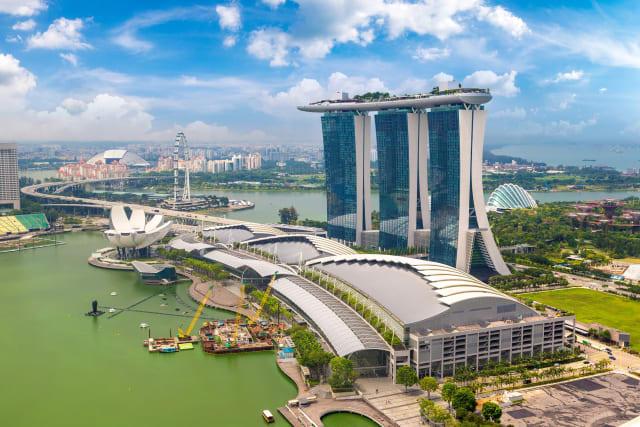
Asia’s MICE tourism boom is ahead of 2027 as global demand for high-value business events reshapes international travel. Singapore, Japan, Thailand, and many other destinations are attracting attention through advanced convention centers, stronger aviation connectivity, and expanding hospitality infrastructure. International companies increasingly seek locations that combine professional networking with unforgettable travel experiences. Established conference hubs are strengthening their competitive advantages, while emerging markets such as India, Vietnam, and Indonesia are opening fresh opportunities. With governments investing in exhibitions and corporate tourism, the region is becoming a major battleground for prestigious conferences, lucrative trade shows, and incentive programs.
Which Asian Countries Are the Best for MICE Tourism?
| Country or market | Leading MICE cities | Principal competitive advantage | Best suited to |
| Singapore | Singapore | Integrated convention venues, international connectivity, reliable business services | Global conferences, finance, technology, corporate meetings |
| Japan | Tokyo, Osaka, Kyoto, Yokohama, Fukuoka | Strong association meeting record, research institutions, technology | Scientific congresses, medical meetings, technology exhibitions |
| Thailand | Bangkok, Phuket, Pattaya, Chiang Mai | Convention facilities, hospitality, leisure experiences | Incentive travel, corporate retreats, regional trade shows |
| South Korea | Seoul, Busan, Incheon, Jeju | Advanced event technology, strong convention sector, cultural appeal | Technology conferences, medical congresses, incentives |
| China | Shanghai, Beijing, Shenzhen, Guangzhou | Huge trade-fair ecosystem, manufacturing and supply chains | Industrial exhibitions, commercial trade shows, sourcing events |
| United Arab Emirates | Dubai, Abu Dhabi | Major international hub, large exhibitions, premium accommodation | Global expos, investment summits, luxury incentives |
| Malaysia | Kuala Lumpur, Penang, Langkawi, Kuching | Competitive value, multicultural appeal, established facilities | Regional meetings, association events, corporate incentives |
| Indonesia | Bali, Jakarta, Tangerang, Yogyakarta | Resort retreats and large metropolitan exhibition facilities | Incentive programmes, executive retreats, lifestyle events |
| Vietnam | Ho Chi Minh City, Hanoi, Da Nang, Hoi An | Growing business-event profile, competitive services, cultural experiences | Incentive travel, regional conferences, corporate retreats |
| India | New Delhi, Mumbai, Hyderabad, Bengaluru, Chennai | Large domestic economy, expanding venues, professional services | Major conferences, trade exhibitions, industry summits |
| Taiwan | Taipei, Kaohsiung, Taichung | Electronics and semiconductor industry, exhibition infrastructure | Electronics fairs, research meetings, technology congresses |
| Hong Kong SAR, China | Hong Kong | Financial connectivity, exhibition venues, international services | Finance, trade, luxury and aviation events |
| Qatar | Doha | Airport connectivity, modern exhibition venues, premium hospitality | Diplomatic summits, sports-business events, executive meetings |
| Saudi Arabia | Riyadh, Jeddah, AlUla | Expanding event infrastructure and major economic diversification programmes | Investment conferences, industry exhibitions, corporate events |
| Philippines | Manila, Cebu, Clark | English-language business services, hospitality, incentive destinations | Corporate training, incentives, regional conferences |
| Sri Lanka | Colombo, Bentota, Galle | Coastal retreats and cultural tourism | Small meetings, rewards programmes, executive retreats |
Why Is Asia Becoming a Global Powerhouse for MICE Tourism?
Asia is strengthening its position in the international meetings and events industry as governments, tourism organizations and private investors expand convention facilities and develop business travel infrastructure. The region offers a combination of commercial opportunities, cultural attractions, modern accommodation and access to some of the world’s largest consumer markets.
Advertisement
Advertisement
MICE tourism covers meetings, incentives, conferences and exhibitions. Unlike conventional leisure travel, this sector generates spending across multiple industries. International delegates need hotels, restaurants, transportation, event management services and entertainment. Their visits also create opportunities for investment, trade and professional collaboration.
The growth of Asian business centers has made the region particularly attractive to international organizers. Technology companies, healthcare organizations, financial institutions and manufacturing businesses increasingly require venues where professionals can exchange ideas and develop commercial partnerships.
Advertisement
Advertisement
Countries such as Singapore and Japan have already established strong international reputations. Meanwhile, Thailand, Malaysia and Vietnam offer competitive alternatives for organizers seeking quality facilities alongside distinctive leisure experiences.
This diversity makes Asia suitable for events ranging from small corporate retreats to large international exhibitions.
Advertisement
Advertisement
Why Does Singapore Remain One of Asia’s Most Competitive MICE Destinations?
Singapore continues to attract international business events because of its efficient infrastructure, strong aviation connections and sophisticated hospitality sector. The city-state offers an established commercial environment where organizers can coordinate accommodation, transportation, conferences and networking activities within a relatively compact geographical area.
Singapore ranked first in the 2026 Cvent Asia-Pacific meeting destination rankings, reflecting its strong position in commercial venue sourcing.
Advertisement
Advertisement
Its major facilities include Marina Bay Sands Expo & Convention Centre, Suntec Singapore Convention & Exhibition Centre and Singapore EXPO. These venues accommodate different event formats, including executive meetings, international conferences and large exhibitions.
The Singapore Exhibition & Convention Bureau also supports eligible business events through destination promotion and assistance programs.
Singapore’s appeal extends beyond convention halls. Delegates can combine business activities with restaurants, waterfront attractions, cultural districts and shopping experiences.
However, its premium accommodation and event services can increase organizing costs.
Advertisement
Advertisement
For businesses prioritizing reliability, connectivity and professional services, Singapore remains a compelling choice despite its relatively high expenses.
How Is Japan Maintaining Its Leadership in International Conferences?
Japan occupies a prominent position in Asia’s meetings industry because of its advanced infrastructure, respected research institutions and strong network of international business centers.
According to the ICCA 2025 rankings, Japan hosted 491 qualifying international association meetings, placing it first in Asia-Pacific and sixth globally. This performance demonstrates its continued attractiveness for professional associations, academic institutions and scientific organizations.
Tokyo remains a major destination for corporate conferences, while Osaka offers substantial exhibition facilities and strong connections to manufacturing industries.
Kyoto attracts academic meetings and smaller international gatherings, particularly those seeking a distinctive cultural setting. Yokohama and Fukuoka also contribute to Japan’s convention market.
Facilities such as Tokyo Big Sight, Tokyo International Forum and INTEX Osaka support exhibitions and conferences across multiple industries.
Advertisement
Advertisement
Japan’s transportation network offers an additional advantage. High-speed rail services make travel between major cities convenient for delegates.
However, accommodation costs and venue availability in popular destinations require advance planning, particularly during major exhibitions and busy tourism periods.
Why Is Thailand Becoming a Preferred Destination for Corporate Events and Incentive Travel?
Thailand has developed a strong position in MICE tourism by combining business infrastructure with internationally recognized hospitality and leisure experiences.
Bangkok ranked second in Cvent’s 2026 Asia-Pacific meeting destination rankings, reinforcing its significance as a regional conference and exhibition center.
The Thai capital features important facilities such as Queen Sirikit National Convention Center, Bangkok International Trade & Exhibition Centre and IMPACT Exhibition and Convention Center.
These venues host corporate meetings, industry conferences, product launches and large commercial exhibitions.
Advertisement
Advertisement
Thailand’s advantage also comes from its wider tourism offering. Phuket provides coastal resorts suitable for corporate incentives, while Chiang Mai offers cultural activities and settings for executive retreats.
Pattaya adds another option for organizations combining meetings with seaside accommodation.
The Thailand Convention & Exhibition Bureau promotes business events and supports the country’s MICE development.
Compared with several premium regional destinations, Thailand provides a broad selection of hotels and event services across different budgets.
Its combination of professional facilities and recreational activities makes it particularly attractive for incentive travel programs.
How Is South Korea Using Technology and Innovation to Strengthen MICE Tourism?
South Korea has established itself as an important destination for international conferences by connecting its advanced technology industries with modern event infrastructure.
Advertisement
Advertisement
Seoul ranked seventh in Cvent’s 2026 Asia-Pacific meeting destination list, highlighting its continued appeal to event planners.
The country also recorded 286 qualifying international association meetings in 2025, placing third in Asia-Pacific according to ICCA figures.
Seoul offers facilities such as COEX, which accommodates professional conferences, international exhibitions and corporate gatherings.
Outside the capital, Busan’s BEXCO provides infrastructure for large-scale conventions and exhibitions. Jeju offers an alternative for incentive travel, combining resort accommodation with natural attractions.
South Korea’s business-event sector benefits from connections with electronics, biotechnology, healthcare and other advanced industries.
These sectors help attract specialized conferences that bring together researchers, investors and commercial decision-makers.
Advertisement
Advertisement
The country’s cultural appeal also supports delegate experiences beyond formal meetings.
South Korea is particularly competitive for organizations seeking technology-oriented conferences, scientific events and professionally organized international gatherings.
Why Is China a Major Destination for International Trade Shows and Exhibitions?
China remains a major force in Asia’s exhibition industry because of its manufacturing capacity, extensive commercial networks and large domestic market.
According to ICCA’s 2025 statistics, China hosted 326 qualifying international association meetings, ranking second in Asia-Pacific.
Its broader exhibition market also benefits from demand for industrial machinery, electronics, manufacturing equipment, automobiles and consumer products.
Shanghai is particularly important because of facilities such as the National Exhibition and Convention Center and Shanghai New International Expo Centre.
Advertisement
Advertisement
Beijing supports major conferences and government-related business gatherings, while Guangzhou and Shenzhen are prominent destinations for industrial and commercial exhibitions.
International companies attend Chinese trade fairs to identify suppliers, examine new technologies and establish commercial partnerships.
The concentration of manufacturers and industry specialists creates networking opportunities that extend beyond conventional conference activities.
However, overseas organizers must consider entry requirements, local regulations and communication needs.
For businesses focused on sourcing, manufacturing and industrial collaboration, China remains one of Asia’s most commercially significant exhibition destinations.
How Is the UAE Competing With Asia’s Established Convention Leaders?
The United Arab Emirates has strengthened its international MICE position through substantial investment in exhibition venues, aviation infrastructure and premium hospitality.
Advertisement
Advertisement
Dubai has become especially important for global industry exhibitions, financial conferences, investment forums and international business networking.
Dubai World Trade Centre recorded 134 MICE events during 2025, attracting approximately 2.19 million participants, including around 951,000 international attendees.
These figures demonstrate the scale of the emirate’s established exhibition ecosystem.
Dubai World Trade Centre and Dubai Exhibition Centre provide facilities for different event categories, while the emirate’s international air connectivity helps organizations attract delegates from Asia, Europe, Africa and other regions.
Abu Dhabi provides another option through ADNEC Centre Abu Dhabi, supporting exhibitions, professional conferences and major industry gatherings.
The UAE also offers a broad hospitality market, ranging from business hotels to luxury resorts.
Advertisement
Advertisement
Nevertheless, premium venues and high-demand event periods can increase costs.
For organizers seeking international accessibility, major exhibitions and high-end corporate experiences, the UAE remains a leading West Asian destination.
Why Is Malaysia Emerging as a Strong Value Destination for International Meetings?
Malaysia offers an attractive combination of established convention infrastructure, comparatively competitive services and diverse cultural experiences.
Kuala Lumpur ranked sixth in Cvent’s 2026 Asia-Pacific meeting destination rankings, reflecting its importance in regional business events.
The Malaysian capital features Kuala Lumpur Convention Centre, Malaysia International Trade and Exhibition Centre and World Trade Centre Kuala Lumpur.
These facilities support corporate conferences, trade shows, professional association meetings and government-related events.
Advertisement
Advertisement
Malaysia’s business-event sector also receives promotional support through the Malaysia Convention & Exhibition Bureau, which assists with event bidding, destination marketing and industry coordination.
Beyond Kuala Lumpur, Penang provides opportunities for smaller business meetings and specialized conferences.
Langkawi appeals to companies organizing incentive trips, while Kuching offers another destination for conventions and cultural programs.
Malaysia’s multicultural environment is another advantage, providing international delegates with varied culinary and heritage experiences.
Although costs depend on the venue and event requirements, Malaysia remains a compelling alternative for organizations seeking professional facilities without consistently paying premium destination prices.
How Are India and Vietnam Expanding Their MICE Tourism Opportunities?
India and Vietnam are attracting attention as developing MICE destinations because of expanding business activity, new infrastructure and opportunities for international tourism.
Advertisement
Advertisement
India has invested in major convention facilities, including Bharat Mandapam and Yashobhoomi in New Delhi.
These developments strengthen the country’s capacity to host international conferences, trade exhibitions and large business gatherings.
Mumbai, Hyderabad, Bengaluru and Chennai also provide opportunities for events connected to finance, technology, manufacturing and healthcare.
India’s large domestic corporate market creates additional demand for meetings and exhibitions.
Vietnam, meanwhile, is building recognition through its hospitality sector and growing international business connections.
Ho Chi Minh City received the 2025 World MICE Awards title for Asia’s Best MICE Destination, offering evidence of growing industry recognition.
Advertisement
Advertisement
Hanoi, Da Nang and Hoi An provide alternative settings for corporate meetings and incentive programs.
However, infrastructure and specialist event services vary between cities in both countries.
Their continued development could strengthen competition across Asia’s business-event market, particularly among organizers seeking new destination experiences.
Which Asian Countries Are Best Positioned to Benefit From MICE Tourism in 2027?
Asia’s MICE tourism outlook for 2027 reflects a combination of established international event centers and emerging destinations seeking larger shares of business travel expenditure.
Singapore, Japan and South Korea are well positioned for specialized conferences requiring sophisticated infrastructure and professional services.
Thailand, Malaysia and Indonesia offer attractive combinations of meeting facilities, hospitality and incentive travel activities.
Advertisement
Advertisement
China remains significant for industrial exhibitions, while the UAE continues to serve international organizers requiring large venues and global connectivity.
India, Vietnam and Saudi Arabia present additional opportunities as their business-event sectors develop.
| Country | Leading MICE destinations | Principal advantage | Outlook for 2027 |
|---|---|---|---|
| Singapore | Singapore | International meetings and premium infrastructure | Strong established market |
| Japan | Tokyo, Osaka, Kyoto | Scientific and association conferences | Strong established market |
| Thailand | Bangkok, Phuket, Chiang Mai | Corporate incentives and regional exhibitions | Favorable |
| South Korea | Seoul, Busan, Jeju | Technology and research conferences | Strong |
| China | Shanghai, Beijing, Guangzhou | Manufacturing and industrial trade exhibitions | Strong |
| UAE | Dubai, Abu Dhabi | Global exhibitions and premium business events | Strong |
| Malaysia | Kuala Lumpur, Penang, Langkawi | Competitive conference packages | Favorable |
| Indonesia | Bali, Jakarta | Resort incentives and corporate retreats | Favorable |
| Vietnam | Ho Chi Minh City, Hanoi, Da Nang | Growing recognition and competitive hospitality | Emerging potential |
| India | New Delhi, Mumbai, Hyderabad | Expanding facilities and domestic business demand | Significant growth potential |
| Saudi Arabia | Riyadh, Jeddah | Infrastructure expansion and investment events | Emerging potential |
These assessments indicate competitive positioning rather than guaranteed increases in event arrivals.
What Does Asia’s MICE Tourism Expansion Mean for the Future of Business Travel?
Asia’s expanding MICE industry is creating opportunities for destinations that can combine professional event delivery with accessible transport, suitable accommodation and memorable visitor experiences.
Singapore and Japan demonstrate the advantages of established convention infrastructure and international reputations. Thailand and Malaysia show how hospitality and tourism attractions can strengthen the appeal of corporate events. China and the UAE illustrate the importance of large exhibition markets and global business connectivity.
Meanwhile, developing destinations such as India and Vietnam are improving their ability to compete for international meetings and conferences.
Advertisement
Advertisement
For event organizers, the most effective destination will depend on conference size, participant profiles, costs and business objectives.
The outlook for 2027 is therefore not simply about which country attracts the largest number of visitors. It is about which destinations can deliver productive meetings, valuable commercial connections and rewarding delegate experiences while maintaining competitive operational standards.
Azerbaijan is seeking to attract more international conferences, congresses and corporate events as Baku-based EVENTRA expands its presence in the global MICE tourism industry. The company aims to use its team’s experience in destination promotion and convention management to strengthen Azerbaijan’s reputation as a business events destination. With diverse landscapes, cultural attractions and tourism opportunities throughout the year, the country is positioning itself as an appealing choice for international event organizers.
EVENTRA Expands International Business Events Presence
During an interview at an international tourism exhibition in Istanbul, EVENTRA’s head of business events and partnerships, Aygun Malik-Yeganli, outlined the company’s ambitions to attract conferences, congresses and other professional gatherings to Azerbaijan.
The representative described the exhibition as the company’s first independent international trade fair appearance, although members of its team had previously attended numerous industry events while working with Azerbaijan’s tourism authorities and convention bureau.
EVENTRA specializes in destination advisory, congress management and strategic event development. Its services cover attracting international gatherings, preparing event bids, coordinating partnerships and managing conferences.
Advertisement
Advertisement
Azerbaijan’s Diverse Climate Creates Year-Round Tourism Opportunities
Azerbaijan’s geographical diversity is a major advantage for corporate groups seeking experiences beyond traditional conference venues.
The interview highlighted the country’s widely cited nine climatic zones out of 11, offering contrasting seasonal experiences across different regions. This diversity allows organizers to consider mountain activities, coastal recreation, cultural excursions and urban experiences when designing incentive programs.
Baku provides a central location for business gatherings, while destinations beyond the capital offer opportunities for leisure activities throughout the year.
Azerbaijani government tourism information also emphasizes the country’s varied climate and potential for summer and winter holidays.
International Markets Remain Central to Growth Strategy
EVENTRA intends to maintain a strong focus on attracting overseas business events through international partnerships and destination promotion.
The company identified Russia, Turkey, the Middle East, Europe, China and India as important target markets, broadly reflecting Azerbaijan’s established tourism promotion priorities.
Advertisement
Advertisement
Its team also emphasized its previous experience in government tourism institutions and convention development as a competitive advantage.
Azerbaijan Seeks Greater Recognition in Global MICE Tourism
The company’s expansion reflects Azerbaijan’s broader ambition to become a more competitive international business events destination.
The Azerbaijan Tourism Board is already promoting the country through its dedicated business events division and partnerships with conference venues, hotels and professional congress organizers.
By combining destination expertise, international industry connections and varied visitor experiences, EVENTRA aims to help bring more conferences and corporate gatherings to Azerbaijan.
Its central objective remains increasing the country’s visibility among global event planners while generating additional opportunities for local tourism and hospitality businesses.
Asia’s growing influence in international business events reflects sustained investment in modern venues, aviation networks and tourism infrastructure. Established destinations continue to attract major conferences because they offer reliable facilities, experienced organizers and access to important commercial markets. Meanwhile, developing destinations are gaining attention through competitive pricing, upgraded convention centers and distinctive cultural experiences. The outlook for 2027 suggests stronger competition rather than guaranteed growth everywhere. Ultimately, destinations offering convenient access, efficient event management and memorable visitor experiences will have the greatest advantages. This transformation could generate valuable opportunities for hotels, airlines, local businesses and the wider tourism economy.
Advertisement
