
Brussels Tourism Gets A Historic Twist As Iconic Cars Become Unusual City Taxis

Published
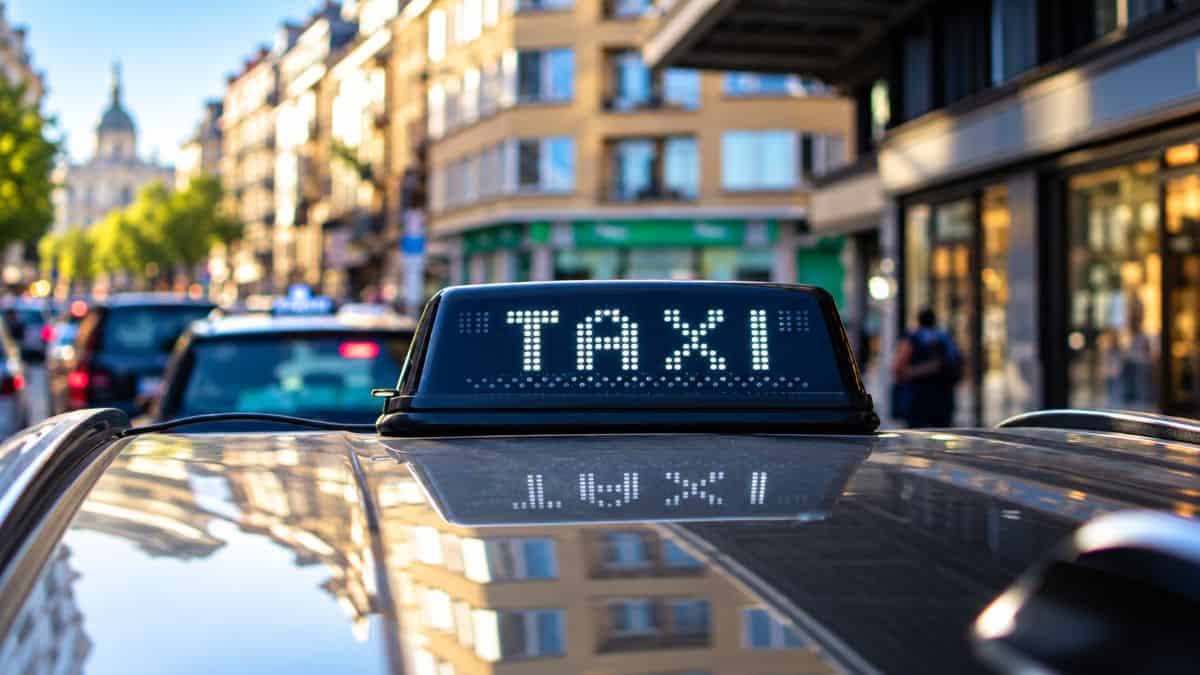
Brussels has given visitors and residents an unexpected encounter with automotive history after Autoworld transformed three iconic vehicles from its collection into working taxis for a special anniversary initiative. To mark the museum’s 40th anniversary, a 1966 Ford Mustang, a Ferrari Testarossa and a royal Cadillac were placed on Brussels streets, where unsuspecting passengers could find one arriving for an ordinary taxi journey. The initiative was carried out in collaboration with Taxis Verts, turning a routine urban transfer into an unusual cultural experience.
The activation offers a distinctive example of how a city attraction can take its collection beyond museum walls and place it directly into the visitor experience. Instead of relying exclusively on traditional sightseeing, Autoworld used mobility itself as a way to introduce people to automotive heritage. The museum reported that several passengers subsequently visited Autoworld after experiencing the unusual rides, suggesting that unexpected encounters in the public realm can potentially encourage further cultural tourism activity.
Advertisement
Advertisement
Autoworld Takes Automotive Heritage Into Brussels Streets
The central development was built around three vehicles with different historical identities. The royal Cadillac is part of the Autoworld collection and was used for the weddings of King Albert and Queen Paola in 1959 and King Baudouin and Queen Fabiola in 1960. Its appearance on Brussels streets therefore connected the taxi experience with a significant chapter of Belgian royal and automotive history.
The Ferrari Testarossa represented another dimension of automotive culture. Associated strongly with the 1980s and 1990s, the model became internationally recognisable and was further embedded in popular culture through Miami Vice. Its distinctive styling gave the campaign a visually striking element capable of attracting attention beyond conventional museum audiences.
Advertisement
Advertisement
The third vehicle, a 1966 Ford Mustang, brought American automotive heritage into the Belgian capital. The Mustang has remained a recognisable symbol of automotive history since the 1960s, giving the initiative a broader international dimension rather than limiting the experience to Belgian heritage alone.
Brussels Tourism Gains A New Cultural Experience
For Brussels tourism, the initiative demonstrates how established attractions can use the city itself as an extension of their visitor experience. Museums traditionally depend on visitors entering a dedicated venue, while this campaign reversed that relationship by taking collection pieces into everyday urban life.
Advertisement
Advertisement
The approach is particularly relevant to city tourism, where visitors often combine museums, landmarks, restaurants, shopping and transportation within a relatively compact itinerary. An unexpected encounter with an historic vehicle can become an additional memory associated with the destination, potentially encouraging travellers to explore the attraction behind the experience.
The campaign also connected automotive heritage with Brussels’ existing urban environment. The royal Cadillac, for example, travelled past the Royal Palace, creating a direct visual relationship between the vehicle’s historical background and the city associated with Belgian royal heritage.
Advertisement
Advertisement
This type of experience could support cultural tourism by presenting history in a format that is less formal than a conventional museum visit. It may also appeal to travellers who are interested in design, popular culture, classic vehicles, photography and experiential travel.
International Visitors Can Discover Belgium Through Automotive Heritage
The three vehicles also demonstrate how tourism experiences can combine local heritage with globally recognised cultural references. The royal Cadillac carries a specifically Belgian historical connection, while the Ferrari Testarossa and Ford Mustang have international recognition.
That combination can broaden the potential audience for an attraction such as Autoworld. Visitors who may not initially plan a museum visit could encounter the vehicles through transportation and subsequently become interested in the collection.
The museum said several passengers visited Autoworld in the days following their unexpected taxi journeys. This reported follow-on behaviour is particularly relevant for destination marketing because it shows how an off-site encounter can potentially convert curiosity into an attraction visit.
Advertisement
Advertisement
| Vehicle | Heritage Connection | Potential Tourism Appeal |
|---|---|---|
| Royal Cadillac | Belgian royal history | Cultural and heritage tourism |
| Ferrari Testarossa | 1980s and 1990s automotive culture | Luxury, design and popular culture |
| 1966 Ford Mustang | American automotive history | International classic-car tourism |
Taxi Connectivity Becomes Part Of The Tourism Experience
The collaboration with Taxis Verts was central to the concept because it placed museum vehicles within an established urban transport service. Passengers who booked through the taxi company’s app did not know which vehicle would arrive, creating the surprise element that defined the campaign.
The cars were also fitted with distinctive Sputnik signs associated with Brussels taxis, completing their transformation from museum exhibits into functioning city transport.
From a tourism perspective, the initiative illustrates how transport can become part of destination storytelling. Airport transfers, taxis, public transport and other mobility services are normally viewed as functional components of travel. This campaign demonstrated how the same infrastructure can potentially become a channel for cultural engagement.
For city destinations competing for visitor attention, that distinction matters. Travellers encounter transport repeatedly during a trip, meaning even a short journey can become an opportunity to introduce local culture or a lesser-known attraction.
Hospitality And Visitor Spending Could Benefit From Stronger Attraction Awareness
The immediate initiative was focused on awareness and visitor engagement rather than a new hospitality development. Nevertheless, the reported increase in subsequent visits to Autoworld highlights a potential connection between cultural attractions and wider visitor spending.
A traveller who adds an attraction to an itinerary may also spend more time in the surrounding area, benefiting nearby cafés, restaurants, shops and other tourism businesses. Such effects are not quantified in the source material, so the broader economic impact of this particular campaign should not be overstated.
Advertisement
Advertisement
However, the model provides an example of how attractions can create additional touchpoints before a visitor reaches the venue. Instead of relying only on advertising or conventional destination promotion, the experience itself becomes a form of live marketing.
This could be particularly relevant for museums seeking to attract younger audiences and international visitors who increasingly encounter destinations through memorable experiences rather than traditional promotional campaigns.
Experiential Travel Creates Opportunities For Cultural Attractions
The Brussels initiative reflects a wider opportunity for tourism attractions to develop experiences around their collections rather than treating exhibitions as static products.
Autoworld’s decision to place historic vehicles into real-world journeys changed the relationship between the visitor and the collection. Passengers did not simply observe an historic car behind museum walls; they travelled inside it while members of the Autoworld team explained the story of the vehicle.
That element is significant because interpretation became part of the journey. The staff members driving the vehicles could explain their histories directly to passengers, transforming transportation into a compact storytelling experience.
| Tourism Sector | Relevant Opportunity |
|---|---|
| Museums | Bring collections into public spaces |
| Cultural tourism | Present heritage through experiential formats |
| Urban transport | Create memorable visitor journeys |
| Destination marketing | Turn live experiences into awareness drivers |
| Luxury and lifestyle tourism | Connect iconic vehicles with premium experiences |
| City tourism | Link attractions with existing urban itineraries |
Challenges And Practical Limitations
Replicating an initiative of this nature would require careful consideration of vehicle suitability, operational requirements, passenger safety, maintenance and regulatory conditions. Historic cars are not ordinary modern taxi vehicles, and their use on public roads introduces practical considerations that would need to be addressed by any organisation attempting a similar campaign.
Advertisement
Advertisement
There is also a natural limitation to the scale of such activations. A museum collection may contain only a small number of vehicles suitable for public-road use, while valuable historic vehicles require appropriate care.
The surprise element must also remain compatible with a functioning transport service. Passengers booking a taxi still need reliable transportation, while the cultural component provides an additional experience rather than replacing the core mobility function.
These considerations mean the model is more likely to work as a carefully designed promotional or anniversary activation than as a conventional replacement for everyday taxi services.
Brussels Shows How Heritage Can Extend Beyond Museum Walls
The campaign is notable because it did not depend on creating a new attraction. Instead, it changed how an existing collection was encountered.
The three vehicles already possessed strong stories, ranging from Belgian royal history to international automotive culture. By putting them on Brussels roads and allowing passengers to encounter them unexpectedly, Autoworld created an additional pathway into its collection.
For destination managers, this approach highlights the value of connecting attractions with the wider city rather than treating them as isolated stops. A museum can become more visible when its subject matter appears in streets, transport networks and public spaces where residents and visitors naturally move.
Advertisement
Advertisement
The reported passenger response also points to the importance of surprise in experience-led tourism. The museum described enthusiastic reactions and memorable journeys, while the distinctive vehicles attracted attention as they moved through Brussels.
Future Outlook For Brussels Cultural Tourism
Autoworld’s anniversary taxi initiative provides Brussels with an unusual example of how cultural tourism can be integrated into everyday city life. The campaign combined mobility, automotive heritage and destination discovery without requiring travellers to change their original plans before the journey began.
Its reported impact was particularly visible in the subsequent visits made by some passengers to the museum. While the initiative does not establish a broader tourism trend on its own, it demonstrates how attractions can potentially create new visitor touchpoints through partnerships and experiential programming.
For travellers, the concept adds another layer to exploring Brussels, where a simple taxi journey can unexpectedly become an encounter with Belgian royal history, classic American motoring or globally recognised Ferrari design. For tourism businesses and cultural institutions, the experience suggests that heritage does not always have to remain inside a museum. When collections are carefully integrated into the destination itself, the journey to an attraction can become part of the attraction.
FAQs
1. What happened in Brussels involving Autoworld?
Autoworld turned three historic vehicles from its collection into working taxis for a special 40th anniversary initiative in Brussels.
2. Which cars were used as the unusual Brussels taxis?
The vehicles were a 1966 Ford Mustang, a Ferrari Testarossa and a royal Cadillac.
Advertisement
Advertisement
3. Why did Autoworld create the taxi initiative?
The initiative was designed to introduce people to automotive history in an unexpected way and encourage interest in the museum and its collection.
4. Which company collaborated with Autoworld?
Autoworld collaborated with Taxis Verts for the special taxi experience.
5. Could tourists use the historic cars as taxis?
Passengers who booked ordinary taxi journeys through the app could unexpectedly find one of the historic vehicles arriving to collect them.
6. What is significant about the royal Cadillac?
The Cadillac was used for the weddings of King Albert and Queen Paola in 1959 and King Baudouin and Queen Fabiola in 1960.
7. Why is the Ferrari Testarossa relevant to tourism?
The Testarossa is internationally recognisable and strongly associated with 1980s and 1990s automotive culture, giving the experience wider popular-culture appeal.
8. What is special about the 1966 Ford Mustang?
The Mustang is an internationally recognised American automotive icon that has been associated with car culture since the 1960s.
Advertisement
Advertisement
9. Did the taxi campaign encourage people to visit Autoworld?
The museum reported that several passengers visited Autoworld in the following days to discover the museum and its wider collection.
10. What does the initiative mean for Brussels tourism?
The campaign demonstrates how cultural attractions can potentially extend their visitor experience beyond museum walls by combining heritage, urban mobility and experiential travel.
Advertisement
