
Los Angeles, United States – Delta’s 18 Percent Seat Power Move on 2 New Transcon Hubs and What Others Are Missing in the 2028 Route War

Published
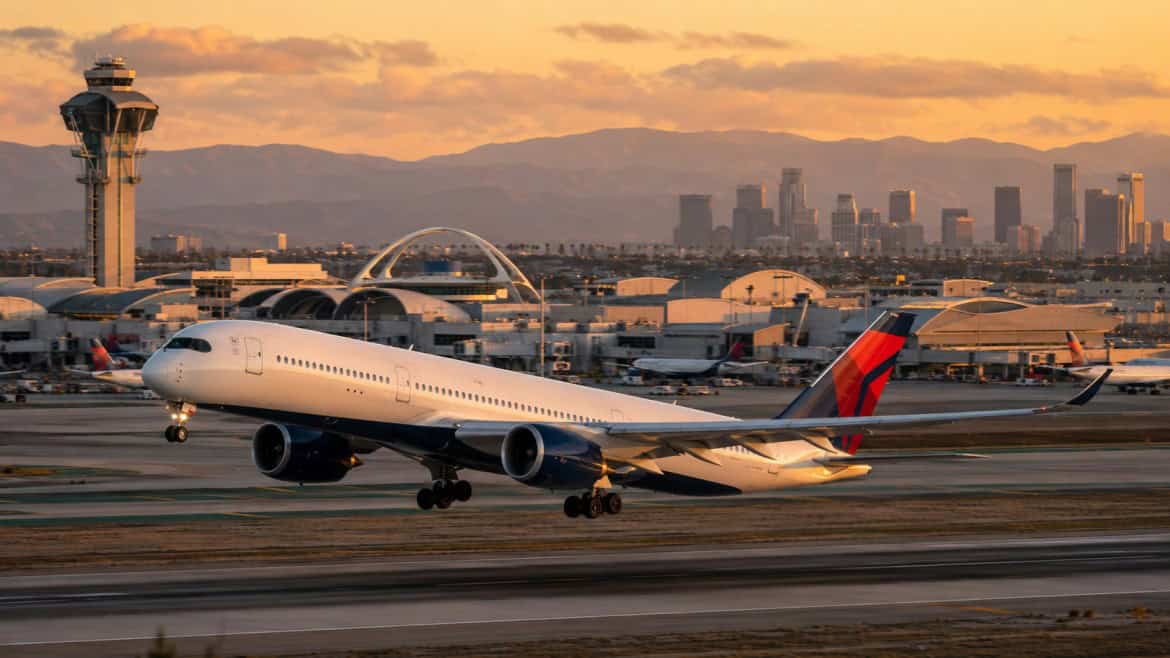
Image generated with Ai
Delta Air Lines is preparing a significant expansion from Los Angeles International Airport, targeting two of the most strategically important East Coast hubs in the United States. The airline is evaluating nonstop services from Los Angeles to Philadelphia and Washington Dulles, with a possible launch around 2028. The move comes as Delta strengthens its West Coast footprint and positions itself in direct competition with American Airlines and United Airlines on high-value transcontinental corridors.
This development matters now because it reflects an accelerating battle for premium passengers travelling between major US business markets. The timing aligns with Delta’s broader domestic expansion strategy, including new Newark and Chicago services, alongside infrastructure upgrades at LAX. For frequent flyers, corporate travellers, and aviation stakeholders, this signals a reshaping of long-haul domestic connectivity from the West Coast.
Advertisement
Advertisement
New Transcontinental Routes Reshape Delta’s Los Angeles Strategy
Delta’s potential new services from Los Angeles to Philadelphia International Airport and Washington Dulles International Airport represent more than network growth. They form part of a calculated strategy to complete coverage of major US business hubs from LAX.
Industry reporting suggests these routes could begin as early as 2028, following internal evaluations and strong indications of demand growth on transcontinental corridors. The airline is already preparing for a competitive push on the East Coast.
Advertisement
Advertisement
Key planned and confirmed moves include:
Advertisement
Advertisement
- Los Angeles to Newark Liberty International Airport launching in April 2027
- New Los Angeles to Chicago O’Hare service introduced recently
- Capacity expansion across transcontinental business routes
- Reinforced presence in premium corporate travel markets
This expansion places Delta in direct competition with American Airlines in Philadelphia and United Airlines in Washington Dulles, two airports that define East Coast business travel demand. The move also strengthens Delta’s positioning as a challenger for corporate contracts, especially as business travel recovery stabilises across the United States.
The broader context is clear: Delta is building a connected transcontinental grid from LAX that prioritises speed, frequency, and premium cabin revenue.
LAX Becomes the Battleground for US Airline Dominance
Los Angeles International Airport is rapidly becoming the most competitive aviation battleground in the United States. Delta currently holds around 18% seat capacity at LAX, making it the largest carrier at the airport despite not holding a majority share.
Advertisement
Advertisement
United Airlines follows with just over 16%, while American Airlines sits close behind at approximately 15%. This tight clustering highlights how evenly matched the three legacy carriers are in Southern California.
The competitive pressure is intensifying for one key reason: premium transcontinental traffic.
Advertisement
Advertisement
Delta’s expansion strategy is directly aimed at capturing:
- High-yield corporate travellers
- Frequent cross-country flyers
- Premium leisure passengers connecting major hubs
United already dominates the Washington Dulles market with multiple daily frequencies and a near-monopoly share of passengers. American Airlines maintains a stronghold in Philadelphia. Delta’s entry into both markets signals an attempt to disrupt long-established hub loyalty structures.
The competitive environment is further sharpened by timing. With Newark service advancing to 2027 and Chicago expansion underway, Delta is effectively stitching together a coast-to-coast network that challenges both rivals simultaneously.
A321neo Certification Delays Add Pressure to Delta’s Premium Plans
A critical factor shaping Delta’s expansion timeline is its next-generation Airbus A321neo fleet. The airline has 21 aircraft configured for premium transcontinental operations, featuring 16 lie-flat Delta One suites designed for high-end coast-to-coast travel.
However, certification issues linked to the cabin seat system have delayed full deployment. As a result, the aircraft are currently operating with a temporary configuration of 44 domestic first-class recliner seats.
Advertisement
Advertisement
This operational constraint has forced Delta to adapt its strategy in real time. The aircraft are already flying select routes from major hubs including Atlanta, San Francisco, San Diego, and Seattle to Los Angeles.
Key implications include:
- Reduced premium capacity on key routes
- Delayed rollout of lie-flat transcontinental experience
- Potential redesign of cabin interiors under consideration
- Strategic flexibility in aircraft deployment across US routes
There is ongoing industry discussion about whether Delta may retain or replace the current seat system, which could further impact the timeline for full premium service rollout. This uncertainty directly affects the airline’s ability to compete aggressively on new long-haul domestic routes planned for 2028.
LAX Infrastructure Expansion and Lounge Strategy Strengthen Long-Term Position
Beyond aircraft and routes, Delta is investing heavily in ground infrastructure at Los Angeles International Airport. A second Delta One lounge is under development, reinforcing the airline’s premium positioning in one of its most important hubs.
The timing of this development is strategic. The lounge is expected to open by 2028, aligning closely with the potential launch of Philadelphia and Washington Dulles services.
Advertisement
Advertisement
This signals a coordinated strategy built around three pillars:
- Expanded transcontinental route network
- Enhanced premium passenger experience at LAX
- Fleet modernisation through A321neo introduction
The broader implication is a shift in how airlines compete for loyalty. It is no longer just about flight frequency. It is about integrated premium ecosystems that combine aircraft comfort, airport experience, and route connectivity.
Delta’s approach places it in direct structural competition with United and American, both of which already operate strong East Coast hub dominance. However, Delta’s aggressive LAX expansion suggests a long-term ambition to redefine West Coast connectivity standards.
A Transcontinental Power Shift Is Already Underway
Delta’s evaluation of new Los Angeles routes to Philadelphia and Washington Dulles is more than network expansion. It represents a structural challenge to established US airline dominance patterns.
If launched by 2028, these services would complete Delta’s coverage of major domestic business hubs from LAX and intensify competition across the most profitable aviation corridors in the United States.
Advertisement
Advertisement
With capacity leadership at LAX, ongoing fleet transformation challenges, and major infrastructure investments, Delta is positioning itself for a decisive role in the next phase of US aviation competition.
Travellers, corporate planners, and industry watchers should monitor this development closely. The next phase of the transcontinental market is already taking shape.
Call to Action:
Stay updated on evolving US airline route expansions and fleet developments as Delta, United, and American continue reshaping transcontinental travel dynamics.
Advertisement
