
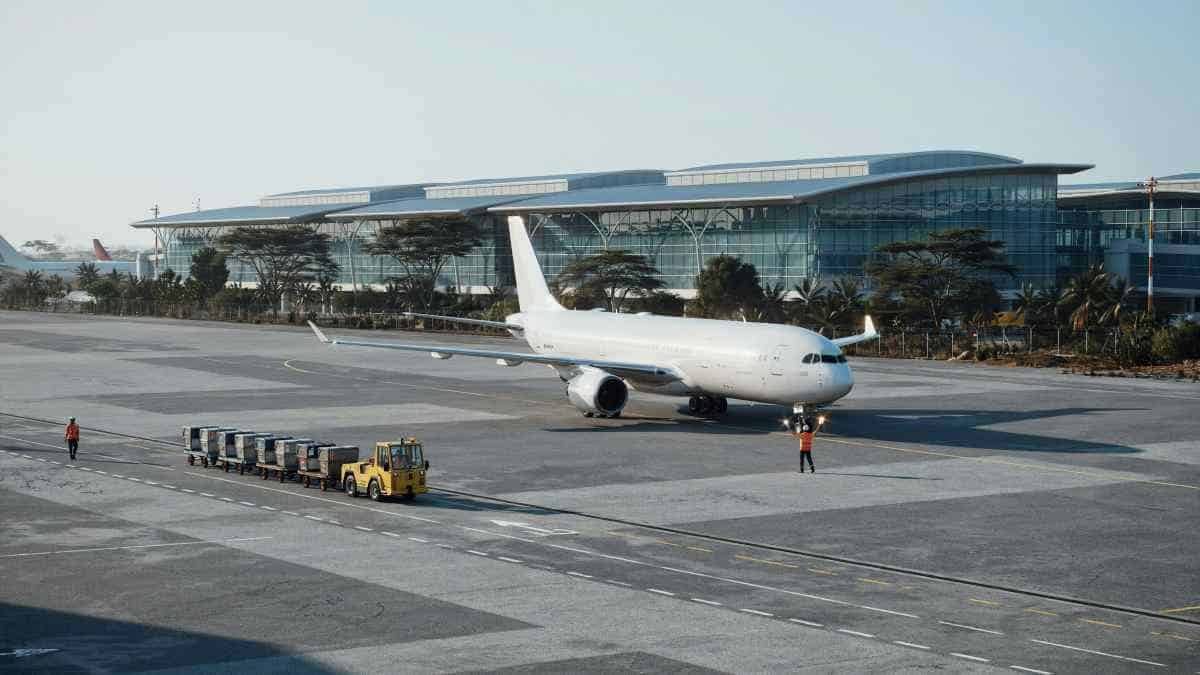
Image generated with Ai
Dar es Salaam, Zanzibar and Kilimanjaro are at the centre of Tanzania’s latest aviation growth strategy as the country works to strengthen tourism connectivity across Africa and beyond. Air Tanzania has unveiled an ambitious roadmap that aims to expand its network to 47 destinations while targeting approximately TZS 1.09 trillion in annual revenue, supported by fleet expansion, new routes and improved connectivity through the country’s three principal aviation gateways. The strategy is designed to improve access to Tanzania’s leading tourism destinations while enhancing regional and international air travel.
Air Tanzania’s latest roadmap marks one of the airline’s most significant expansion plans in recent years. The national carrier intends to increase its network substantially, allowing it to operate more domestic, regional and international services.
The expansion will be supported by a larger fleet capable of serving additional destinations while increasing frequencies on existing routes. For travellers, this means more direct flight options, greater schedule flexibility and improved connections through Tanzania’s main airports.
The airline’s revenue target of TZS 1.09 trillion reflects the scale of its planned operational growth alongside increasing passenger demand.
Advertisement
The expansion strategy places particular emphasis on Julius Nyerere International Airport in Dar es Salaam, Abeid Amani Karume International Airport in Zanzibar and Kilimanjaro International Airport.
Together, these airports serve as Tanzania’s primary international gateways and provide access to some of the country’s most visited tourism destinations.
Dar es Salaam continues to function as the country’s commercial aviation hub, while Zanzibar remains one of Africa’s leading beach destinations. Kilimanjaro serves as the gateway to northern Tanzania’s safari circuit, including the Serengeti, Ngorongoro Conservation Area and Mount Kilimanjaro.
For international visitors, expanded air services could make travelling to Tanzania more convenient.
Advertisement
Advertisement
Additional routes and increased flight frequencies are expected to reduce travel times, improve regional connections and create more itinerary options for travellers exploring East Africa.
Tour operators may also benefit from greater flexibility when combining Tanzania with neighbouring destinations such as Kenya, Rwanda and Uganda, allowing visitors to experience wildlife safaris, coastal tourism and cultural attractions within a single journey.
Improved accessibility often supports longer visitor stays and encourages multi-destination holidays across the region.
Tanzania remains one of Africa’s most recognised tourism destinations.
The country attracts visitors seeking wildlife experiences in Serengeti National Park, the Ngorongoro Conservation Area, Tarangire National Park and Ruaha National Park, alongside climbing expeditions to Mount Kilimanjaro.
Meanwhile, Zanzibar continues to attract international holidaymakers with its white-sand beaches, historic Stone Town, marine tourism and luxury resorts.
Improved aviation connectivity could strengthen access to these destinations while supporting the country’s broader tourism sector.
Air Tanzania’s expansion comes as several African airlines continue investing in network growth and fleet modernisation.
Carriers including Ethiopian Airlines, Kenya Airways and RwandAir have expanded their regional operations in recent years, increasing competition across East Africa.
For travellers, greater competition often results in more route choices, improved connectivity and additional travel options across the continent.
The continued expansion of African aviation also supports the wider objective of improving intra-African travel links.
Beyond leisure travel, improved aviation connectivity supports business travel, conferences, trade and investment.
A larger airline network helps strengthen links between commercial centres while supporting hospitality, airport services, logistics and tourism-related employment.
Infrastructure improvements at Dar es Salaam, Zanzibar and Kilimanjaro airports are also expected to accommodate increasing passenger volumes as travel demand grows.
These developments contribute to Tanzania’s broader transport and tourism objectives while strengthening its position within East Africa’s aviation market.
Visitors planning trips to Tanzania may benefit from additional flight choices as Air Tanzania expands its operations.
Travellers should continue checking airline schedules, visa requirements and seasonal travel conditions before booking.
With improved connectivity expected over the coming years, visitors could find it easier to combine Tanzania’s safari parks, coastal destinations and neighbouring East African countries within a single itinerary.
1. What is Air Tanzania planning?
The airline plans to expand its network to 47 destinations while targeting approximately TZS 1.09 trillion in revenue through fleet growth and additional routes.
2. Which airports are central to the expansion?
The strategy focuses on Dar es Salaam, Zanzibar and Kilimanjaro, Tanzania’s three primary aviation gateways.
3. How could travellers benefit?
Visitors may enjoy increased flight options, improved regional connectivity and easier access to Tanzania’s safari destinations, beaches and neighbouring East African countries.
Air Tanzania’s expansion strategy signals a significant step in Tanzania’s aviation and tourism development. By targeting 47 destinations, expanding its fleet and strengthening operations through Dar es Salaam, Zanzibar and Kilimanjaro, the national carrier aims to improve connectivity for domestic and international travellers. As airport infrastructure develops alongside the airline’s growing network, Tanzania is positioning itself to offer easier access to its world-renowned safari parks, coastal destinations and regional travel opportunities, supporting the continued growth of East African tourism.
Advertisement
Tags: African aviation, Air Tanzania destinations, Air Tanzania expansion, Dar es Salaam, Dar es Salaam airport
Advertisement
Advertisement













Friday, September 4, 2026

Friday, September 4, 2026

Friday, September 4, 2026

Thursday, September 3, 2026

Wednesday, September 2, 2026

Friday, September 4, 2026

Friday, September 4, 2026