
Vietnam Aviation Expansion Accelerates Dramatically as Hanoi and Ho Chi Minh City Emerge as Powerful Global Gateways with New Europe Routes, Rapid Fleet Growth and International Network Push

Published
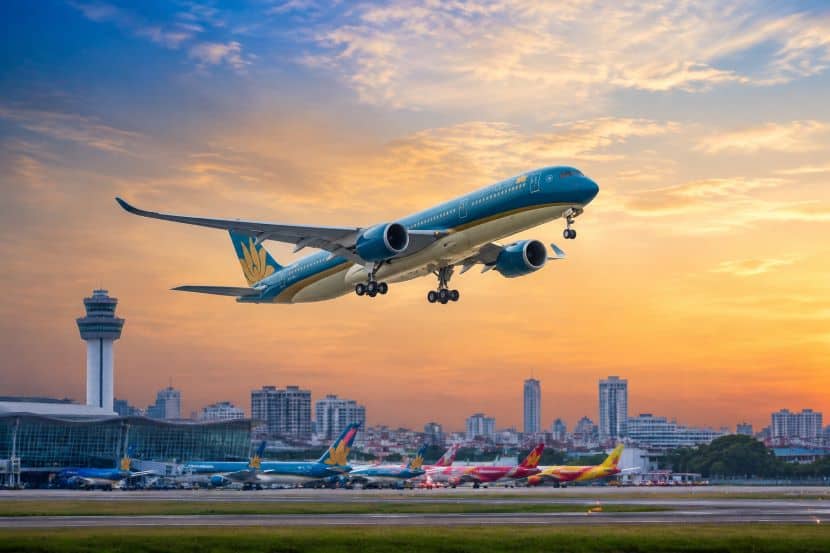
Image generated with Ai
Hanoi and Ho Chi Minh City are increasingly positioned at the center of Southeast Asia’s aviation transformation as Vietnam’s airline sector enters a rapid expansion phase marked by new long-haul routes, fleet modernization and intensified competition across both state-owned and private carriers. The country’s aviation industry is shifting beyond recovery into sustained international growth, with stronger links to Europe and deeper penetration across Asian markets.
Vietnam Airlines Strengthens Europe Connectivity from Hanoi
Vietnam Airlines is expanding its international footprint with a clear focus on Europe, reinforcing Hanoi as a key departure hub for long-haul travel. A major addition to its network is the direct Hanoi–Amsterdam route, operated using Airbus A350 aircraft on scheduled services. This development enhances the airline’s European network structure, which already includes established routes to major cities such as Paris, Frankfurt, London, Milan and Copenhagen.
Advertisement
Advertisement
The expansion reflects a broader strategy of strengthening direct connectivity between Vietnam and major global aviation hubs. Europe remains a central focus for long-haul operations, with Vietnam Airlines maintaining multiple routes across the continent and adjusting frequencies based on seasonal demand and market conditions.
Fleet Modernization Drives Long-Haul and Regional Growth
The expansion of international services is closely tied to fleet development initiatives aimed at increasing operational capacity and range. Vietnam Airlines continues to integrate wide-body aircraft, including Airbus A350 and Boeing 787 models, into its long-haul operations. These aircraft are essential for intercontinental routes, particularly those connecting Vietnam with Europe and other distant markets.
Advertisement
Advertisement
At the same time, the airline is strengthening its narrow-body fleet to support regional connectivity across Southeast and Northeast Asia. This dual strategy allows Vietnam Airlines to expand both long-haul international services and short-haul feeder routes, improving passenger flow into major hubs such as Hanoi and Ho Chi Minh City.
Advertisement
Advertisement
Fleet expansion is positioned as a foundational element of Vietnam’s aviation growth strategy, enabling airlines to respond to rising demand from tourism, business travel and diaspora connectivity.
Vietjet Air Expands Aggressively Across Asia
Vietjet Air is continuing its high-growth expansion strategy across Asia, focusing on high-frequency routes and fast-growing travel markets. The airline is extending its network to multiple destinations in China, Japan and Southeast Asia, reinforcing Vietnam’s position within the regional aviation ecosystem.
Its low-cost carrier model supports rapid route development, particularly on leisure-driven corridors and secondary city connections. This approach is increasing travel accessibility while strengthening the role of Vietnam’s major airports as transit and destination hubs.
The expansion strategy emphasizes scale, frequency and market penetration, allowing Vietjet to capture growing demand for affordable intra-Asian travel while contributing to Vietnam’s broader aviation growth.
New Airlines and Expanding Competition Reshape the Market
Vietnam’s aviation sector is also witnessing the emergence of new carriers and increased competition among existing operators. Sun PhuQuoc Airways is developing its international operations with planned services targeting markets including China, Malaysia and Russia. The airline’s strategy is closely linked to tourism development, particularly in coastal and island destinations positioned for international growth.
Advertisement
Advertisement
Vietravel Airlines is also expanding its operational capacity, increasing fleet size and strengthening domestic connectivity while preparing for future international routes. Its planned network development includes potential expansion into Northeast Asian markets, aligning with regional tourism demand and outbound travel growth.
The entry and expansion of multiple carriers is contributing to a more competitive aviation environment, accelerating route development and increasing seat capacity across Vietnam’s aviation network.
Tourism Destinations Gain Stronger Global Access
The expansion of international routes is significantly improving access to Vietnam’s key tourism destinations. Enhanced connectivity through Hanoi and Ho Chi Minh City is streamlining travel flows to major attractions including Ha Long Bay, Hoi An, Da Nang and Phu Quoc.
Direct international services reduce reliance on regional transit hubs, making Vietnam more accessible for long-haul travelers from Europe and Asia. This improved connectivity supports tourism diversification and strengthens the country’s positioning as a standalone destination within Southeast Asia.
Increased flight availability also supports regional tourism distribution, enabling more balanced visitor flow across northern, central and southern Vietnam.
Advertisement
Advertisement
Vietnam’s Aviation Sector Enters a High-Growth Global Phase
The combined expansion of routes, fleets and carriers signals a structural transformation in Vietnam’s aviation industry. Rising passenger demand, increased airline competition and continuous fleet investment are driving sustained growth across both domestic and international segments.
Hanoi and Ho Chi Minh City are consolidating their roles as primary international gateways, linking Vietnam more directly with Europe and expanding access across Asia. This evolving network reflects a broader shift toward deeper global integration, positioning Vietnam as a rapidly emerging aviation hub in the region.
The ongoing expansion of Vietnam’s airline industry underscores a long-term transition toward higher connectivity, greater capacity and stronger integration into global travel networks.
Advertisement
