
UAE Tourism Sector Statistics 2026: Official Record Growth & ‘VisitUAE’ Launch Revealed

Published
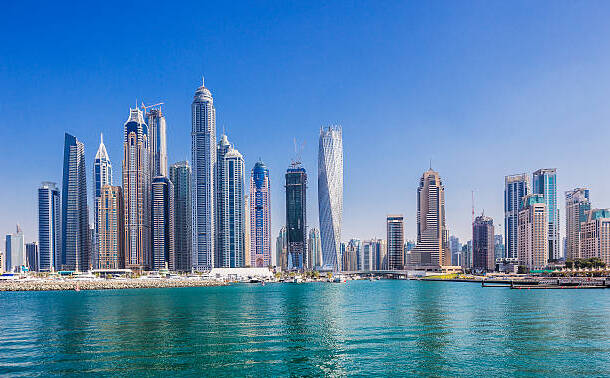
With the recent releases by the United Arab Emirates, it is easy to see that travel is a priority for the nation. Statistics from the UAE Tourism Sector show that travel is a growing industry, and officials are launching campaigns such as VisitUAE and the UAE Grand Tour to take advantage of the new opportunities that travel has to offer. The next three months will predict the domestic travel figures as the government has launched numerous initiatives, including nationwide loyalty programs and slashed hospitality prices. This guide gives a breakdown of the figures to explain why the UAE consistently ranks at the top in tourism recovery, analyzes the National Tourism Strategy 2031, and shows the economic impacts of the UAE’s initiatives.
Background: The United Arab Emirates’ Ascent as a Global Tourism Powerhouse
From Desert Trading Hub to Premier Global Destination
The history of the United Arab Emirates’ tourism sector is a fascinating study in rapid, deliberate economic evolution. Just a few decades ago, the nation was primarily recognised as a regional trading outpost heavily dependent on the export of crude oil and natural gas. However, visionary leadership understood early on that hydrocarbon reserves were inherently finite and subject to volatile global market fluctuations. Consequently, the government initiated a monumental strategic pivot towards service-oriented industries. The deliberate decision to transform vast expanses of desert into a premier, ultra-modern global destination required unparalleled ambition. By leveraging its unique geographical position at the crossroads of Europe, Asia, and Africa, the UAE began to aggressively develop the hospitality frameworks necessary to attract international leisure and business travellers, thereby laying the permanent foundation for the economic powerhouse we see operating at full capacity today.
Advertisement
Advertisement
Building the Foundation: World-Class Infrastructure and Aviation
The phenomenal success reflected in modern UAE tourism sector statistics did not happen by accident; it is the direct result of continuous, multi-billion-dollar investments in world-class infrastructure. The relentless expansion of facilities like Dubai International Airport and the meteoric rise of national aviation mega-carriers have been absolutely critical to this sustained growth. By establishing seamless, high-volume global connectivity, the UAE successfully positioned itself as the ultimate transit and destination hub for global citizens. Furthermore, the simultaneous development of expansive luxury hotel chains, massive retail environments, and cutting-edge cultural attractions ensured that the physical infrastructure was fully prepared to support the immense influx of tourists that the nation experiences year after year.
Visionary Governance and Long-Term Strategic Planning
A crucial element of the UAE’s enduring tourism success is the seamless synergy between federal directives and local emirate-level execution. The establishment of dedicated tourism boards, such as the Dubai Department of Economy and Tourism, working in tandem with the federal Ministry of Economy, has created a highly responsive and adaptive administrative ecosystem. This visionary governance structure allows the nation to adapt rapidly to global market fluctuations, seamlessly implement new visa regulations, and roll out massive marketing initiatives without bureaucratic delays. This long-term strategic planning has effectively insulated the sector from sudden economic shocks, ensuring that the country’s travel industry remains agile, competitive, and consistently forward-looking regardless of the broader geopolitical climate.
Advertisement
Advertisement
Latest Official Developments: Arabian Travel Market 2026 and Strategic Announcements
Unveiling the ‘VisitUAE’ and ‘UAE Grand Tour’ Initiatives
At the highly anticipated Arabian Travel Market (ATM) 2026, which commenced in mid-September, two major federal initiatives took centre stage, capturing the attention of the global travel trade: the VisitUAE and the UAE Grand Tour programmes. These ambitious initiatives are strategically designed to unify the diverse tourism offerings of all seven emirates into a single, cohesive, and highly marketable global brand. By promoting the country as a comprehensive, multi-destination experience rather than isolated city-states, the government aims to encourage longer visitor stays and deeper cultural exploration. The UAE Grand Tour, in particular, seeks to weave together the ultra-modern luxury of urban centres with the rich historical heritage and natural landscapes found across the broader nation.
Insights from the Minister of Economy and Tourism
Providing vital context to these new initiatives, Abdulla bin Touq Al Marri, the UAE Minister of Economy and Tourism, articulated the government’s forward-looking vision during a pivotal, widely broadcast interview on Dubai Eye’s 103.8 Business Breakfast show. He emphasised that despite the initial economic hits resulting from broader regional conflicts, the nation’s tourism and economic sectors have demonstrated remarkable resilience and are bouncing back stronger than ever. The minister’s confident assessment underscores the effectiveness of proactive government intervention and highlights the underlying structural strength of the Emirati travel market, which continues to attract both leisure consumers and serious institutional investors despite external regional volatility.
Advertisement
Advertisement
Arabian Travel Market 2026 as a Launchpad for Sector Innovation
The ATM historically serves as the most critical gathering point for the Middle Eastern travel trade, and the 2026 edition proved to be a pivotal launchpad for structural sector innovation. Beyond just marketing announcements, the event focused heavily on future-readiness, technological embedding within the hospitality sector, and creating seamlessly integrated visitor experiences. Industry leaders and government officials utilised the platform to discuss actionable strategies for maintaining the UAE’s competitive edge, focusing on everything from artificial intelligence in customer service to sustainable aviation fuels. The sheer volume of deals brokered and strategies unveiled at ATM 2026 clearly signals that the nation is not resting on its laurels, but aggressively pursuing the next frontier of global travel.
The Domestic Tourism Shift: Focusing on Citizens and Residents
Loyalty Programmes and Financial Incentives for the Local Market
Recognising the vital stabilising role of local consumers, the Ministry of Economy has officially announced a highly strategic focus on the domestic tourism sector for the next three months. New national loyalty programmes and significantly reduced hospitality prices are currently being rolled out specifically to support citizens and expatriate residents across the country. This targeted approach ensures that the vast, high-spending internal population is financially incentivised to choose local staycations over international outbound travel. By offering tangible, high-value rewards and exclusive pricing structures, the government is actively engineering a massive short-term revenue injection directly into the local hotel, dining, and entertainment sectors.
Reinvigorating the ‘World’s Coolest Winter’ Concept
This current domestic push conceptually builds upon the highly successful foundation of previous federal domestic tourism campaigns, most notably the pioneering ‘World’s Coolest Winter’ initiative. Historically, this nationwide campaign was absolutely instrumental in encouraging residents to step outside their home cities and explore the hidden gems and diverse topographies across all seven emirates. The initiative was part of a wider vision that recognised domestic tourism as a vital supporter of the national economy, originally aiming to double domestic tourism revenue and achieve a greater balance between local and international travel forms by 2030. The revival of these domestic-focused mechanics in late 2026 proves the lasting value of this foundational strategy.
Why Domestic Tourism Matters Now for Economic Stability
A robust, highly active domestic tourism sector acts as an indispensable economic shock absorber for the nation. By aggressively incentivising internal travel, the UAE guarantees consistent, reliable revenue streams for its massive inventory of hotels, restaurants, and retail outlets. This internal consumption effectively insulates the wider economy from unpredictable international travel disruptions, fluctuating global currency rates, or geopolitical uncertainties in the broader Middle East region. Furthermore, encouraging residents to spend their disposable income locally prevents capital flight, keeping essential funds circulating within the national economy and supporting the wages of hundreds of thousands of hospitality workers during traditionally fluctuating international travel seasons.
Official Government Statistics: Dubai’s Resilient Rebound in 2026
Breaking Down the 869,000 August Visitors Milestone
The absolute latest official figures released by the Dubai Department of Economy and Tourism (DET) paint an undeniable picture of extraordinary sector recovery. In August 2026 alone, the city welcomed an astonishing 869,000 international Dubai overnight visitors. This highly impressive metric represents the strongest monthly volume of arrivals the emirate has seen since February 2026. Achieving such a massive influx during the peak summer month of August—traditionally a softer period for Middle Eastern tourism due to climate factors—indicates a definitive, powerful rebound from the regional challenges that temporarily impacted global travel patterns earlier in the year.
Comprehensive Analysis of Hotel Occupancy Rates
This remarkable summer surge in visitor numbers has had a direct, profound, and highly measurable impact on the hospitality sector’s core performance metrics. According to official reports, hotel occupancy rates in Dubai climbed sharply to reach a highly robust 66 percent in August. This metric is particularly striking when viewed historically; it represents 89 percent of the occupancy levels recorded in August 2025, and demonstrates a steep, sustained climb from the troubling 36 percent occupancy rate recorded during the market dip in March 2026. This rapid bounce-back highlights the phenomenal agility and enduring global appeal of the local accommodation market.
Advertisement
Advertisement
Expanding the Accommodation Sector and Inventory Growth
To adequately accommodate the sustained, double-digit, month-on-month growth that ultimately brought total international visitation to 6.97 million across the first eight months of 2026, the emirate’s hotel infrastructure has been operating at an unprecedented scale. By the end of August 2026, Dubai’s total hotel room inventory approached an impressive 149,000 available rooms. Furthermore, the sector officially recorded a staggering 21.61 million occupied room nights between January and August, firmly underscoring the sheer operational magnitude at which the industry continues to function to meet relentless global consumer demand.
Analysing Source Markets: Where Are Tourists Coming From?
The Continued Dominance of Western Europe
The impressive resilience documented within the UAE tourism sector statistics is deeply rooted in the strategic, intentional diversity of its international source markets. According to the latest DET data, Western Europe remained the undisputed leading regional contributor to Dubai’s complex tourism landscape from January through to the end of August 2026. This highly lucrative demographic accounted for a solid 20 percent of total international visitation during this period. The continued strong performance of the Western European market indicates that long-haul leisure travellers remain highly confident in the UAE’s safety, luxury offerings, and overall value proposition despite global inflationary pressures.
South Asia and the GCC’s Vital Regional Contributions
Following closely behind the European demographic, the South Asian market contributed a massive 17 percent of the total visitor volume. This statistic underscores the enduring, historically strong familial, business, and cultural ties between the Indian subcontinent and the Emirates. Concurrently, travellers originating from the Gulf Cooperation Council (GCC) nations accounted for a vital 16 percent of the total. This strong regional showing highlights the UAE’s completely undisputed status as the absolute preferred premier destination for short-haul regional travel, weekend getaways, and cross-border luxury shopping excursions among neighbouring Arab states.
Expanding Reach in CIS and Eastern European Markets
Rounding out the top tier of international contributors, the Commonwealth of Independent States (CIS) and Eastern European regions collectively supplied an impressive 14 percent of Dubai’s international visitors during the first eight months of the year. Maintaining this broad, well-distributed mix of varied global source markets is a deliberate strategy by tourism authorities. It ensures that the national visitor economy remains highly insulated against sudden, localised economic downturns, currency devaluations, or specific travel restrictions that might negatively impact any single geographic region, thereby guaranteeing a steady flow of inbound capital throughout the entire calendar year.
Policy Implications and the UAE National Tourism Strategy 2031
Targeting an Ambitious 40 Million Hotel Guests
The recent surge in positive performance metrics aligns flawlessly with the overarching, long-term objectives outlined in the UAE National Tourism Strategy 2031. Approved by the absolute highest levels of federal government, this comprehensive, multi-faceted strategy aims to drastically increase the sector’s operational scale. It sets a formidable, meticulously calculated target of attracting 40 million hotel guests annually by the year 2031. Achieving this monumental figure requires continuous, aggressive expansion of the nation’s unified tourism identity and the relentless development of highly specialised, globally unique tourism products capable of attracting entirely new demographics of global travellers.
Achieving an AED 450 Billion Tourism GDP Contribution
Beyond mere footfall and hotel check-ins, the macroeconomic targets of the 2031 strategy are incredibly substantial. The federal government aims to raise the tourism sector’s total financial contribution to the national Gross Domestic Product (GDP) to an astonishing AED 450 billion (approximately USD 122.5 billion). To reach this staggering figure, the strategy mandates an ambitious planned annual increase of AED 27 billion. By executing the 25 distinct initiatives and policies embedded within the strategy, the government is rapidly cementing the travel and hospitality industry as an indispensable, primary pillar of the nation’s heavily diversified, post-oil economic future.
Advertisement
Advertisement
Attracting AED 100 Billion in New Sector Investments
To physically facilitate this massive, unprecedented expansion of capacity, the government is actively working to aggressively enhance its global competitiveness in order to attract AED 100 billion in additional, new tourism investments. This crucial influx of domestic and foreign capital is specifically earmarked for pioneering integrated hospitality services, developing diverse and unique new destinations, and completely overhauling the travel infrastructure across all seven emirates. This investment strategy is fundamentally expected to attract more international hospitality management companies to the local market and radically develop the nation’s tourism data and statistics capabilities.
Industry Impact: Hospitality, Aviation, and Travel Trade
Aviation Sector Resurgence and Passenger Traffic Volumes
The deeply symbiotic relationship between the aviation and tourism sectors remains a fundamental cornerstone of the UAE’s economic model. As total visitor numbers rapidly approach the 7 million mark for the first three quarters of 2026, national flagship carriers and international airport authorities are frantically ramping up operational capacity. Airlines are systematically reinstating historical flight routes that were previously paused, upgrading aircraft sizes on high-yield corridors, and forging complex new international codeshare agreements to facilitate absolutely seamless, high-volume global access into both Dubai and Abu Dhabi international airports.
Hotel Refurbishment Strategies and Future-Readiness
In direct preparation for the massively anticipated surge in sustained demand leading up to the 2031 strategic deadline, numerous established hospitality properties across the country have intelligently initiated extensive renovation and physical refurbishment projects. These multi-million-dirham structural upgrades are not merely cosmetic touch-ups; they are specifically designed to significantly elevate the premium guest experience, embed future-ready smart room technologies, and ensure strict compliance with the government’s stringent new environmental sustainability regulations, thereby future-proofing the nation’s massive 149,000-room inventory against rapidly evolving global consumer expectations.
How Travel Agencies and Tour Operators Are Adapting
The high-profile introduction of the UAE Grand Tour concept has provided a highly lucrative, unique opportunity for both domestic and international travel agencies. Operators across the region are rapidly adapting their traditional business models to curate sophisticated, multi-emirate travel packages. These newly designed itineraries seamlessly blend the ultra-modern, high-octane luxury of Dubai’s skyline with the deep, museum-rich cultural heritage of Sharjah, and the rugged, adventure-focused natural landscapes of Ras Al Khaimah and Fujairah, completely revolutionising how international tourists consume the Emirati experience.
Economic Implications of the Tourism Drive
Accelerating Diversification Away from Oil Reliance
The stellar, record-breaking performance documented in the latest UAE tourism sector statistics stands as a definitive testament to the nation’s highly successful, decades-long economic diversification agenda. Abdulla bin Touq Al Marri recently highlighted that the nation’s non-oil GDP is now nearing an incredible 80 percent of the national total. The booming service, aviation, and hospitality sectors are actively proving that a robust, entirely sustainable, post-hydrocarbon economic future is not just a theoretical government concept, but a highly profitable, functional reality operating successfully in the present day.
Job Creation and Strengthening the Hospitality Workforce
A rapidly expanding, highly successful tourism sector operates as one of the nation’s most prolific and reliable engines for continuous job creation. From thousands of front-line hospitality staff, culinary experts, and aviation professionals to crucial behind-the-scenes logistics coordinators, data analysts, and technological support roles, the industry directly provides hundreds of thousands of secure jobs. This massive employment drive not only supports the wider expatriate demographic ecosystem but also actively encourages the contribution of national Emirati cadres in the tourism sector, fulfilling key directives of the 2031 national strategy.
Advertisement
Advertisement
The Ripple Effect on SMEs and the Retail Ecosystem
The tremendous economic benefits of a booming tourism industry extend far, far beyond luxury hotel lobbies and sprawling airport terminals. The physical influx of nearly 900,000 international visitors in a single month generates a massive, highly lucrative ripple effect across the entire Small and Medium-sized Enterprise (SME) sector. Independent retailers, local restaurateurs, private transport providers, boutique event management companies, and cultural artisans all experience highly significant, measurable revenue uplifts driven directly by the aggressive discretionary expenditure of incoming international tourists.
Tourism, Business, and Public Impact
Aligning with the Dubai Economic Agenda D33
The incredibly robust recovery of visitor numbers and the launch of strategic new tourism initiatives align flawlessly with the highly ambitious, overarching goals of the Dubai Economic Agenda, commonly referred to as D33. This massive economic masterplan explicitly seeks to double the total size of Dubai’s economy over the next decade. By further consolidating the city’s position as one of the top three undisputed global destinations for both high-level business enterprise and luxury leisure, the government is successfully building a deeply resilient, heavily diversified, and entirely future-focused visitor economy.
Boosting Investor Confidence Through Demonstrated Resilience
When a nation unequivocally demonstrates the operational ability to aggressively recover its city-wide hotel occupancy rates from a concerning 36 percent to a highly profitable 66 percent within a tight span of just five months—especially amidst challenging regional headwinds—global investor confidence naturally surges. The undeniable resilience of the UAE’s tourism sector serves as a powerful, mathematically backed signal to foreign direct investors that the domestic market is structurally sound, professionally managed, and remains a highly lucrative safe haven for long-term capital deployment.
International Partnerships: Highlighting UAE-Germany Relations
Deep, sustained bilateral economic partnerships play an absolutely crucial role in guaranteeing consistent tourism flows. A prime, current example of this dynamic is the highly fruitful relationship between the UAE and Germany. Official records show that between January and May 2026 alone, the UAE welcomed an impressive 218,634 German visitors. Supported by a robust network of over 100 direct flights per week, these deep diplomatic ties not only facilitate vital cultural exchange but also support the broader growth of the tourism and hospitality sectors, heavily contributing to the mutual economic development of both partner nations.
Future Outlook: The Next Decade of UAE Tourism
Technological Integration and Artificial Intelligence in Travel
As the United Arab Emirates looks confidently towards the 2030s, the aggressive integration of Artificial Intelligence (AI) and advanced digital platforms will completely redefine the standard visitor experience. From sophisticated AI-powered digital concierges and totally seamless biometric airport transit systems to revolutionary real-time price tracking platforms for local consumers, cutting-edge technology will serve as the absolute primary differentiator in maintaining the country’s fierce competitive edge against emerging rival destinations in the rapidly developing Middle Eastern tourism market.
Eco-Tourism and Sustainable Hospitality Initiatives
The modern, highly affluent international traveller increasingly demands environmentally responsible, low-carbon vacation options. The UAE government is proactively responding to this massive shift in consumer behaviour by mandating significantly stricter sustainability metrics for all new hospitality developments. By heavily investing in low-impact eco-tourism projects in the northern emirates and aggressively pushing for comprehensive circular economy practices within the massive commercial food and beverage sector, the nation is successfully aligning its massive tourism growth with critical, non-negotiable global environmental conservation standards.
Advertisement
Advertisement
Preparing for a Resilient and Thriving 2027 and Beyond
The current, highly positive trajectory, supported entirely by the definitive UAE tourism sector statistics, points towards an immensely bright, highly profitable future. By intelligently focusing on domestic loyalty programmes over the short term, whilst simultaneously building out the massive physical infrastructure required to host 40 million international guests by 2031, the United Arab Emirates is successfully engineering a formidable tourism economy. This sector is explicitly designed not just to withstand unpredictable global shocks, but to continuously thrive, innovate, and dominate the global travel landscape for generations to come.
Advertisement
