
Vietnam Proves That True Travel Excellence Goes Far Beyond Standard Global Charts And Ordinary Statistics, All You Need To Know

Published
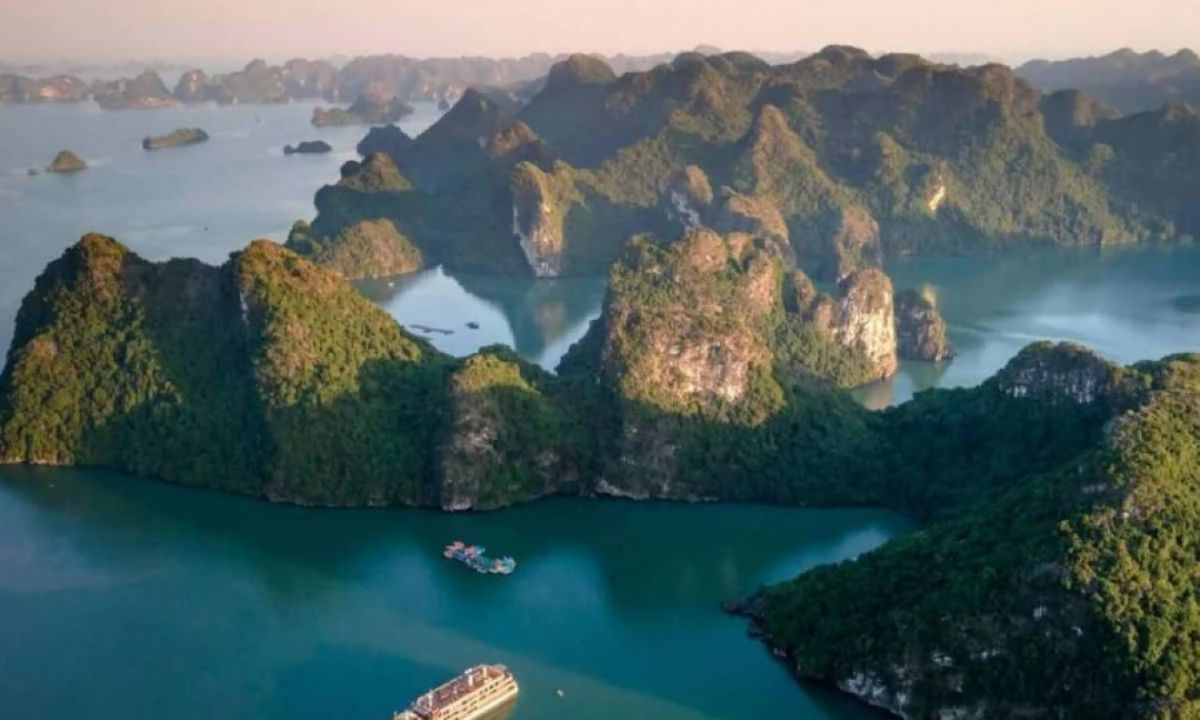
Image Credit vietnam.travel
We have all been there scrolling through travel lists wondering if a destination is truly worth the hype. When I hear that Vietnam sits at 52nd globally in the 2026 Travel & Tourism Development Index Vietnam is often misjudged when it comes to what’s really happening on the ground. Numbers cannot capture the smile of a street vendor the misty serenity of heritage sites, in Hanoi or the quiet pride of Vietnam building a sustainable future. Beyond the statistics a profound human story unfolds in Vietnam—one where quality, heart and resilience finally outweigh visitor counts.
Comprehensive Exploration of Worldwide and Regional Positioning Within the World Economic Forum
According to extensive diagnostic evaluations published recently by the World Economic Forum regarding the 2026 Travel & Tourism Development Index, Vietnam has officially achieved the 52nd placement out of 110 distinct economic landscapes globally. This specific international standing underscores a profound developmental transition where institutional resilience and environmental sustainability increasingly govern long-term success, moving far beyond legacy performance indicators such as raw visitor arrivals, total tourism expenditure, and gross financial revenues. Industry observers emphasize that these sophisticated metrics deliberately bypass basic numerical tallies to meticulously appraise critical dimensions including public safety and security, rich cultural assets, preserved natural heritages, long-term travel demand viability, non-leisure attractions, and advanced air transport infrastructure.
Advertisement
Advertisement
Within the dynamic ASEAN economic zone, the competitive hierarchy illustrates intricate regional dynamics that merit close examination by market strategists. The regional scorecard is firmly spearheaded by Singapore at the 13th position globally, followed sequentially by Indonesia at 23rd, Malaysia at 26th, and Thailand maintaining the 38th slot, while Vietnam holds its place at 52nd. Nevertheless, a granular examination reveals that Vietnam accomplished a remarkable 6.1% aggregate score progression, thereby outstripping the measured performance enhancements of Singapore, Indonesia, Malaysia, and Thailand. Additionally, Vietnam proudly secures the 7th position worldwide concerning price competitiveness, positioning itself as an exceptionally compelling destination for cost-conscious global wanderers searching for deep cultural engagement without excessive monetary expenditures.
Identifying Persistent Structural Obstacles and Critical Infrastructure Bottlenecks Impeding Industry Progress
Advertisement
Advertisement
Despite noteworthy achievements and impressive regional momentum, several stubborn hurdles continue to pose substantial structural roadblocks for Vietnam. Market analysts point out that foundational domains such as tourism infrastructure and services, ongoing environmental conservation efforts, the deliberate governmental prioritization of travel and tourism, and the broader socioeconomic impacts generated by the sector demand urgent and focused intervention. Without proactively resolving these critical operational bottlenecks, long-term systemic stability could encounter unforeseen barriers, potentially jeopardizing the balanced progress that global tourism markets increasingly demand from emerging travel hotspots.
Moreover, these intricate structural challenges necessitate a deeply coordinated partnership between public administrative bodies and private sector institutional investors. Industry experts reiterate that overcoming severe infrastructural deficits and enforcing stringent ecological protections are no longer optional preferences, but rather absolute prerequisites for maintaining competitive viability. As global tourists become significantly more discerning regarding the carbon footprints and ethical footprints of their explorations, destinations failing to fix these foundational gaps risk severe declines in global desirability. Therefore, explicitly recognizing these structural vulnerabilities represents the indispensable initial step toward cultivating a truly robust, enduring, and crisis-resistant tourism landscape.
Navigating the Strategic Pathway Toward Sustainable Expansion and Long-Term Environmental Resilience
Looking ahead toward the horizon, the definitive strategic roadmap dictates that the ultimate objective is not simply drawing a larger crowd of vacationers, but rather cultivating superior, high-grade tourism advancement. Key strategic priorities involve strengthening the fundamental structural conditions required for comprehensive sector growth, actively driving more ecologically sustainable and economically effective outcomes, expanding genuine community participation, and seamlessly weaving robust environmental safeguards into long-term national legislative agendas. This forward-looking philosophy guarantees that destination environments stay commercially viable, culturally vibrant, and ecologically sound for generations of future explorers.
Ultimately, the Travel & Tourism Development Index is built upon 17 intricate pillars and 102 individual diagnostic indicators, systematically categorized into five overarching domains encompassing enabling policy environments, modern infrastructure, natural and cultural resources, environmental sustainability, and travel demand sustainability. Within this sophisticated analytical architecture, targeted capacity building becomes an absolute prerequisite. The upcoming chapter for worldwide tourism is fundamentally about engineering destinations that are considerably more resilient, inclusive, and future-proof. For international travelers, this evolution translates directly into richer, more authentic, and environmentally conscious journeys across Vietnam, Singapore, Indonesia, Malaysia, and Thailand.
Rigorous Examination of Safety, Security, and Air Transport Infrastructure Standards Across Modern International Destinations
Advertisement
Advertisement
As the worldwide travel sector undergoes continuous transformation, modern industry evaluations increasingly highlight the critical necessity of robust foundational safety, security, and air transport infrastructure. Recent diagnostic assessments published in the 2026 Travel & Tourism Development Index by the World Economic Forum reveal that Vietnam achieved an extraordinary score of 6.52 out of 7 in the safety and security category, securing a prestigious 9th position globally. This stellar achievement illustrates how personal safety and institutional stability heavily dictate the decisions of international voyagers when choosing holiday spots. Concurrently, air transport connectivity remains vital, with Vietnam holding a competitive 34th place worldwide. For global tourists, these indicators translate to smoother transit corridors, elevated personal protection, and deep reassurance when organizing complex multi-destination itineraries across Southeast Asia.
Furthermore, these impressive structural scores reflect a broader commitment by national authorities to protect both residents and foreign visitors alike. When modern travelers evaluate potential getaways, peace of mind regarding law enforcement, political stability, and aviation standards often dictates their final choices. Consequently, destinations that maintain high safety indices naturally attract higher volumes of careful, quality-driven explorers. This strong foundational environment reduces travel anxiety and fosters an atmosphere where visitors can fully immerse themselves in local wonders without fearing operational or security disruptions.
Unpacking the Deep Economic Impacts of Cultural Asset Valuations and Natural Resource Preservation on Global Travel
Moving far beyond raw visitor tallies, contemporary tourism evaluations place immense value on the active preservation and intelligent management of rich cultural heritage and diverse natural ecosystems. In the most recent benchmark assessments, Vietnam captured the 21st position globally for its cultural resources and the 22nd position for its natural assets. These high standings mirror the profound pulling power of historic monuments, breathtaking landscapes, and ecological sanctuaries located throughout Hanoi, Singapore, Jakarta, Kuala Lumpur, and Bangkok. For the international travel market, destinations that successfully shield their distinct cultural identities while offering deep natural explorations naturally capture a more discerning tier of vacationers.
Ultimately, this balancing act drives sustainable economic yields while safeguarding local traditions from the perils of over-commercialization. When heritage sites and natural wonders receive meticulous care, travelers experience authentic encounters that respect local communities. This conscious approach ensures that tourism functions as a protective shield rather than a destructive force. As global awareness grows, vacationers increasingly favor locations that treat their historical and environmental assets with reverence, creating a virtuous cycle of preservation and responsible economic growth.
Assessing the Pivotal Role of Price Competitiveness in Shaping Regional Dynamics and Individual Tourist Choices
Advertisement
Advertisement
Financial affordability continues to act as a definitive compass for contemporary globetrotters navigating shifting macroeconomic realities across international boundaries. Within the structural framework of the latest global development index, Vietnam proudly captured the 7th position worldwide regarding price competitiveness. This exceptional cost efficiency empowers budget-conscious wanderers to experience profound cultural depth, high-standard hospitality services, and diverse culinary traditions without facing prohibitive expenditures. When evaluated alongside regional counterparts like Singapore, Indonesia, Malaysia, and Thailand, this high level of price attractiveness positions Vietnam as a premier destination for value-driven exploration.
This economic advantage directly shapes global booking patterns and encourages extended visitor stays, allowing travelers to dive deeper into local neighborhoods rather than rushing through superficial sights. For families and solo explorers alike, stretching travel funds without compromising on safety or cultural richness creates an irresistible appeal. Consequently, destinations that master this fine balance between affordability and quality service capture a loyal segment of the international travel community, ensuring steady economic momentum even during uncertain financial periods.
Overcoming Intricate Infrastructure Bottlenecks and Environmental Sustainability Hurdles in Emerging Tourism Markets
Despite stellar achievements in price attractiveness and safety ratings, emerging travel economies continually face complex operational hurdles that demand immediate, targeted strategic intervention. Market specialists emphasize that baseline tourism infrastructure and services, ongoing environmental conservation initiatives, and the broader socioeconomic consequences of rising visitor numbers remain critical areas requiring urgent enhancement. Without modernizing hospitality facilities and tightening ecological regulations, popular destinations risk encountering severe capacity strains that can degrade the quality of the visitor experience.
Addressing these foundational bottlenecks is an absolute necessity for the broader travel industry to prevent environmental degradation and ensure that rapid visitor expansion aligns seamlessly with long-term ecological preservation. When public and private stakeholders pool their resources to upgrade transportation networks, waste management systems, and visitor centers, the entire destination benefits. Proactive problem-solving ensures that growth remains harmonious, protecting delicate local ecosystems from the wear and tear associated with mass tourism while maintaining high standards of visitor satisfaction.
Integrating Long-Term Environmental Protection and Sustainable Demand Planning into National Legislative Agendas
Advertisement
Advertisement
The transition toward sustainable travel demand and long-term environmental protection has transformed into the absolute cornerstone of future-proof tourism planning across international economies. Modern strategic frameworks dictate that national governance bodies must embed rigorous ecological safeguards directly into their overarching legislative agendas. By prioritizing environmental resilience alongside financial expansion, destinations such as Vietnam, Singapore, Indonesia, Malaysia, and Thailand successfully mitigate the adverse impacts of climate change while preserving their inherent natural beauty.
For international travelers, this steadfast commitment guarantees cleaner surroundings, responsibly managed wildlife habitats, and genuinely sustainable options that protect destination ecosystems for future generations. When governments take the lead in enforcing green policies, businesses are encouraged to adopt eco-friendly practices, ranging from renewable energy usage to waste reduction. This collective responsibility ensures that the magic of these destinations remains intact, offering upcoming generations the same pristine landscapes and vibrant wildlife encounters that delight modern explorers.
Fostering Meaningful Community Involvement and Inclusive Socioeconomic Growth Across Grassroots Local Destinations
Genuine tourism advancement extends far beyond corporate revenue generation, requiring deep, meaningful community involvement to secure equitable socioeconomic dividends for local populations. Industry experts highlight that empowering grassroots communities enables residents to take active roles in decision-making processes, cultural preservation, and day-to-day tourism management. When local families share directly in the financial rewards produced by the travel sector, visitor experiences become significantly more authentic, welcoming, and culturally enriching.
For international wanderers, this inclusive philosophy cultivates genuine human connections, supports local artisan economies, and ensures that every travel dollar directly uplifts the specific neighborhoods they choose to explore. Rather than wealth being siphoned away by external entities, community-led tourism keeps resources close to home, funding local schools, healthcare, and infrastructure improvements. This grassroots engagement transforms ordinary sightseeing into a mutually beneficial exchange, leaving visitors with lasting memories of genuine hospitality and warmth.
Strengthening Foundational Structural Conditions and Capacity Building for Future-Proof Destination Management
Advertisement
Advertisement
Destination resilience relies fundamentally on continuous capacity building and the systematic strengthening of underlying structural conditions. As global travel patterns fluctuate unpredictably in response to shifting economic and environmental factors, tourism authorities must invest heavily in workforce training, digital service integration, and robust crisis management protocols. This proactive preparation ensures that destinations remain adaptable, secure, and fully equipped to handle any unexpected disruptions on the horizon.
For the worldwide travel community, this ongoing preparation means that vacation spots across Vietnam, Singapore, Indonesia, Malaysia, and Thailand are becoming increasingly reliable, sophisticated, and ready to deliver exceptional experiences under all circumstances. By training local hospitality professionals, upgrading digital booking infrastructures, and establishing clear emergency response frameworks, destinations build an invisible shield of reliability. Travelers can thus book their journeys with absolute confidence, knowing that the destination possesses the institutional maturity to handle challenges gracefully.
The Final Verdict
At the end of the day travel is never about checking off places or following crowds. Travel is about the lasting feeling of being welcomed the wonder of a beautiful view and the strong emotional bond travel creates with places like Vietnam, Singapore, Indonesia, Malaysia and Thailand. When travel looks at rankings and focuses on strength, teamwork and real concern for our planet travel realizes that the future of exploring is not, about how many people come.
Advertisement
