
United States Aligns With UAE And More As Boeing Scraps 777X Amid Certification Delays

Published
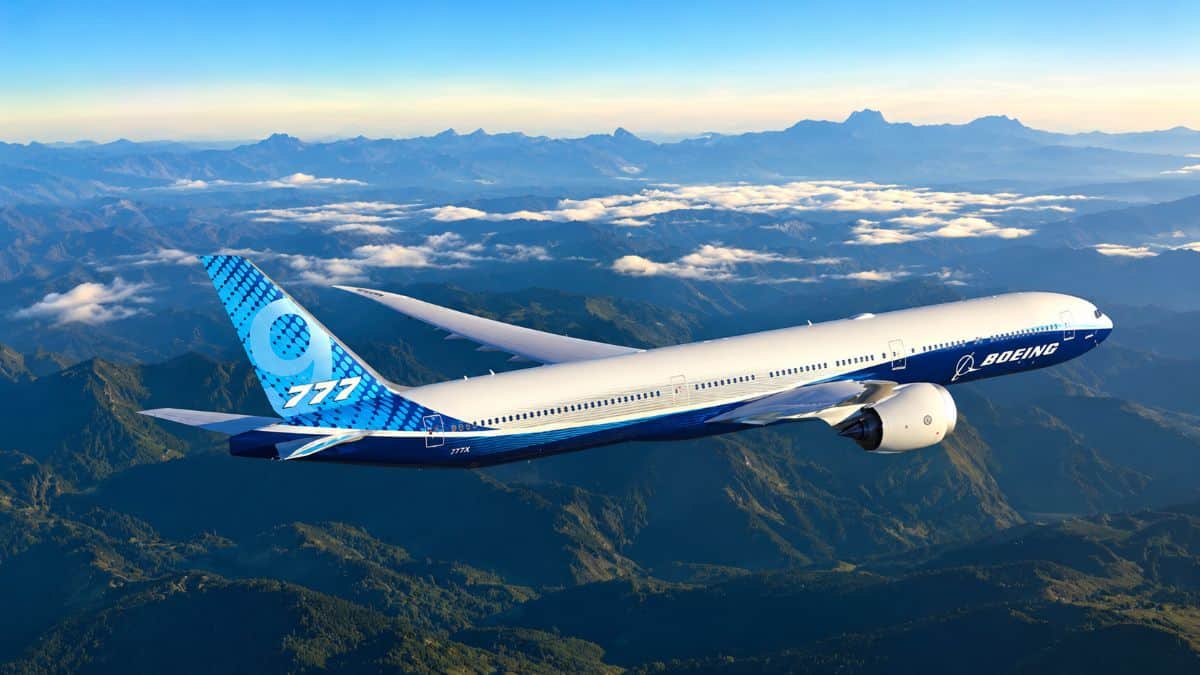
The aviation industry is facing an unusual development involving Boeing’s long-awaited 777X programme, after an early-built 777-9 airframe was dismantled rather than upgraded for eventual certification and delivery. The aircraft, identified as line number WH007, had originally been earmarked for Emirates and spent years in storage at Paine Field near Boeing’s Everett production complex. The decision highlights how prolonged certification delays can transform completed aircraft from valuable assets into expensive liabilities, particularly when engineering requirements evolve during an extended development programme.
For travellers, airlines and the wider tourism sector, the 777X programme matters because the aircraft is intended to become one of the most important new-generation long-haul jets. Its combination of large capacity, long range and improved efficiency has attracted major international carriers, including Emirates. However, the aircraft’s delayed entry into commercial service demonstrates how certification timelines can influence airline fleet planning, international connectivity and future passenger capacity. The scrapping of WH007 therefore represents more than the loss of a single aircraft; it illustrates the broader industrial consequences of a programme that has remained in development for far longer than initially expected.
Boeing 777X Faces Another Setback Before Commercial Entry
Boeing’s 777X was developed as the next generation of its successful 777 family, targeting airlines seeking a large long-haul aircraft with improved efficiency. The 777-9 variant is expected to serve major international markets where passenger demand can support high-capacity aircraft.
Yet the programme has experienced substantial delays. The aircraft was originally expected to enter service around 2020, while current expectations place certification and initial deliveries in 2027. The gap between the original target and the latest expectation has created complications for aircraft already produced during earlier stages of the programme.
Advertisement
Advertisement
WH007 provides a striking example. The airframe reportedly rolled out in 2019 and was partially painted in Emirates markings, but it never received engines and never entered flight testing. Instead, it remained stored for approximately six years before being dismantled at Everett in late 2025.
Advertisement
Advertisement
The decision reflects a practical calculation. Reworking an early production aircraft to satisfy the latest configuration can require extensive structural, systems and engineering changes. If the cost of that work exceeds the aircraft’s eventual commercial value, scrapping the airframe can become the more rational business decision.
Why The Early 777X Airframe Became Difficult To Save
Aircraft certification programmes evolve through testing, engineering assessments and regulatory scrutiny. When a programme takes several years longer than expected, aircraft produced early in the process can become significantly different from the configuration ultimately approved for commercial operation.
For the 777X, that issue has been particularly important because numerous airframes were produced while the programme was still progressing towards certification. The longer the process continued, the greater the possibility that those early aircraft would require substantial modifications.
The situation can be summarised as follows:
| Factor | Impact On The 777X Programme |
|---|---|
| Prolonged certification | Early aircraft became increasingly outdated |
| Engineering changes | Additional structural and systems rework required |
| Extended storage | Aircraft remained unproductive for years |
| Customer requirements | Airlines sought aircraft matching final standards |
| Rework expense | Some airframes became uneconomical to complete |
| Parts recovery | Usable components can retain value even when an airframe cannot |
The WH007 decision consequently reflects the economics of aircraft manufacturing as much as the technical challenges of certification. An aircraft that has never flown may still require extensive work before it can be delivered. When the required investment becomes too high, dismantling it can limit further losses.
Advertisement
Advertisement
Emirates Connection Adds Significance To The Development
The aircraft’s reported original allocation to Emirates makes the case especially notable. The Dubai-based carrier is one of the most important customers for the 777X and has placed a substantial order for the type.
Emirates has also been closely associated with the programme because its fleet strategy relies heavily on large-capacity long-haul aircraft. The airline operates extensive international services linking Dubai with destinations across Europe, Asia, Africa, the Americas and Australasia.
For passengers, the eventual introduction of the 777X could bring changes to capacity, onboard products and long-haul network planning. However, airlines require predictable delivery schedules to coordinate fleet retirements, route launches and capacity growth.
Early-built aircraft that cannot economically be brought into the final production standard create another layer of uncertainty. Carriers ultimately need aircraft that satisfy both regulatory requirements and their own operational expectations.
Certification Delays Have Wider Aviation Consequences
The 777X situation illustrates why aircraft certification is one of the most demanding stages in commercial aviation. A new aircraft cannot simply move from factory production to passenger service. It must demonstrate compliance with extensive safety requirements before regulators approve commercial operation.
Advertisement
Advertisement
The Federal Aviation Administration plays a central role in the certification process for Boeing aircraft in the United States. Engineering modifications, test findings and regulatory requirements can influence the final aircraft configuration.
For Boeing, this creates a difficult balancing act. Producing aircraft too early can create an inventory of jets that later require extensive rework. Producing too cautiously can limit manufacturing efficiency and delay deliveries even further.
The financial consequences are substantial. The source material indicates that the 777X programme has contributed to roughly USD 15 billion in charges since its inception. The scrapping of WH007 is therefore best understood within the much larger financial and operational context of the programme.
What The 777X Means For Future Long-Haul Travel
Despite the difficulties, the 777X remains strategically important for international aviation. Large aircraft continue to play a major role on routes connecting major global hubs, particularly where airlines can consolidate substantial passenger demand.
The aircraft is expected to offer airlines a modern alternative in the large twin-engine category. Its eventual deployment could support additional capacity on major international routes and help carriers modernise ageing fleets.
Advertisement
Advertisement
For destinations dependent on long-haul connectivity, the timing of aircraft deliveries can influence future network expansion. When new aircraft arrive late, airlines may have to retain older aircraft longer, adjust route schedules or postpone planned growth.
The eventual 777X entry into service could therefore have consequences well beyond Boeing and its airline customers. Airports, tourism markets and passengers may all benefit from the additional capacity and network flexibility offered by the new generation of aircraft.
Boeing’s Production Strategy Faces An Important Lesson
The scrapping of WH007 also provides a lesson for future aircraft programmes. Manufacturing aircraft before certification is complete can help establish production momentum, but it carries risks when technical specifications change substantially.
The aviation industry has seen comparable situations involving early production aircraft from other programmes. Some aircraft can be upgraded successfully, while others become more economical as sources of spare parts or are dismantled.
For Boeing, the challenge is now to ensure that future 777X production is increasingly aligned with the final certified configuration. Doing so should reduce the risk of accumulating aircraft that require extensive modifications before delivery.
Advertisement
Advertisement
The experience also demonstrates why aircraft manufacturers must carefully balance production rates with certification progress. Building ahead of demand can be advantageous when a programme follows schedule. When certification stretches across many years, however, early production can create significant financial exposure.
The Road Ahead For The Boeing 777X
The most important development now is whether Boeing can complete certification and begin customer deliveries in 2027. Achieving that milestone would finally move the programme from prolonged development into commercial operation.
The scrapping of WH007 should not be interpreted as evidence that the entire 777X programme is being abandoned. Instead, it demonstrates that certain early airframes may no longer make economic sense to complete.
For global aviation, the eventual arrival of the 777X remains significant. Airlines are continuing to seek aircraft that can provide long-range capability while improving operating efficiency. If Boeing successfully completes certification and stabilises production, the 777X could become an important component of international fleets for decades.
The fate of WH007 is therefore a reminder of the extraordinary complexity involved in creating a new commercial aircraft. An aircraft can be physically complete yet still remain far from ready for passengers. In this case, years of storage and changing requirements ultimately made dismantling the jet more practical than returning it to the production line.
Advertisement
Advertisement
FAQs
What happened to Boeing 777X aircraft WH007?
Boeing dismantled WH007 after determining that upgrading the early-built 777-9 to the latest required configuration would not be economically worthwhile.
Was WH007 ever flown?
No. The aircraft reportedly never received engines and therefore never completed a flight.
Who was WH007 originally intended for?
Advertisement
Advertisement
The aircraft was initially earmarked for Emirates and was partially painted in Emirates markings.
Where was the aircraft stored?
WH007 spent approximately six years in storage at Paine Field near Boeing’s Everett facilities in Washington.
Why was the Boeing 777X delayed?
The programme has faced a lengthy certification process involving engineering changes, testing requirements and regulatory considerations.
Advertisement
Advertisement
When was the Boeing 777X originally expected to enter service?
The aircraft was initially targeted for entry into service around 2020.
When is the Boeing 777X currently expected to enter service?
The 777X is currently expected to achieve certification and begin deliveries in 2027.
Why can Boeing not simply deliver early-built aircraft?
Advertisement
Advertisement
Early aircraft may differ significantly from the configuration eventually approved by regulators, requiring costly structural, systems and other modifications before delivery.
Why is the 777X important to international travel?
The aircraft is designed for long-haul operations and high-capacity international routes, potentially supporting future airline network expansion and fleet renewal.
Does scrapping WH007 mean the 777X programme is cancelled?
No. The scrapping concerns an early airframe and reflects the economics of reworking that particular aircraft. The wider 777X programme is expected to continue towards certification and deliveries.
Advertisement
