
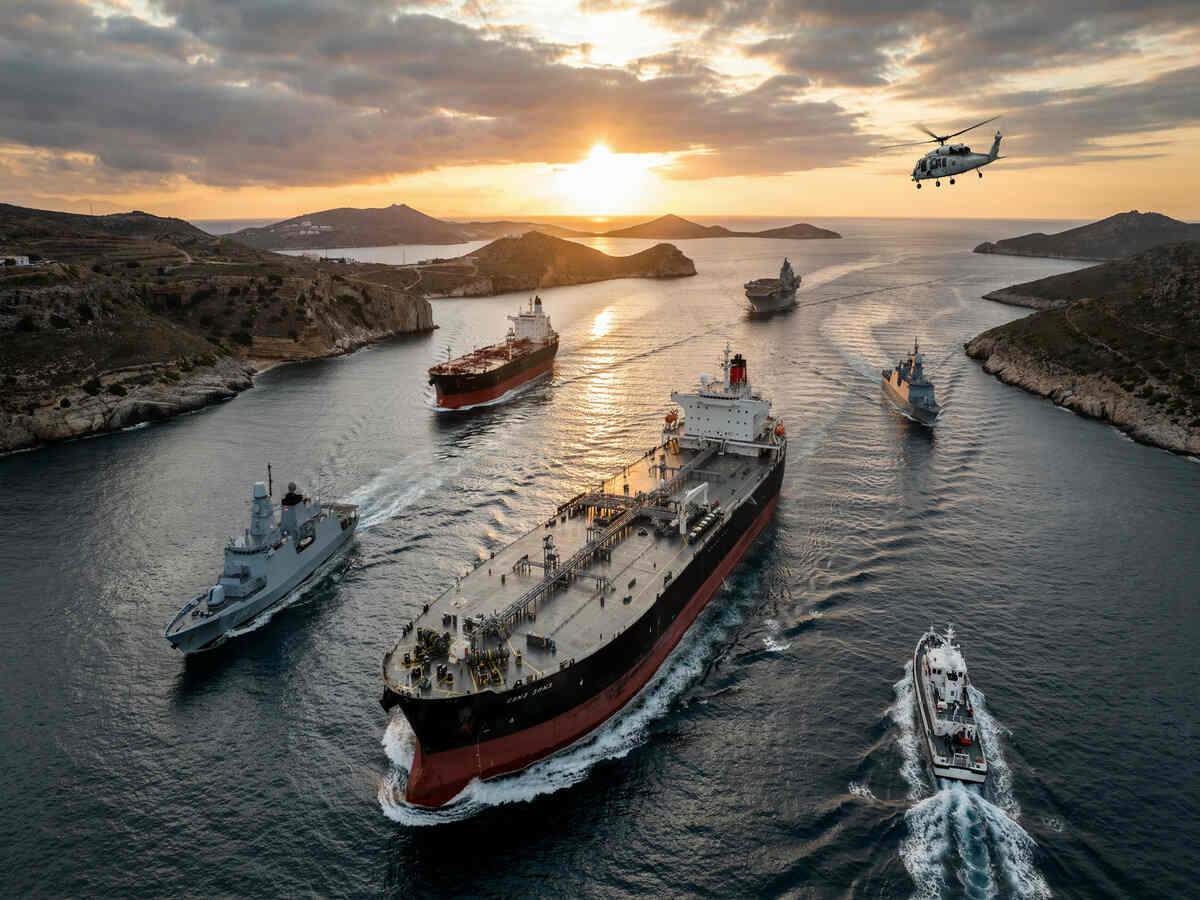
Image generated with Ai
Tensions between US and Iran cause negotiations to be put on hold, thus posing a new set of problems for tourism industry in the Middle East. The decision by the United States to suspend the diplomatic negotiations with Iran until the attacks on commercial vessels cease has generated a new wave of uncertainty in the Middle East tourism industry.
While countries such as the United Arab Emirates, Qatar, Oman and Saudi Arabia are not directly involved in the dispute, the region’s close geographical connection to the Strait of Hormuz means tourism businesses are closely monitoring developments.
The US position comes after rising maritime tensions, with commercial vessels facing attacks and shipping activity becoming increasingly vulnerable. The Strait of Hormuz remains one of the world’s most important energy routes, and prolonged instability could affect transport costs, airline operations and visitor sentiment.
The Strait of Hormuz connects the Persian Gulf with the Gulf of Oman and serves as a major route for global oil and gas shipments. Any disruption in this area has consequences far beyond energy markets.
Advertisement
Advertisement
For tourism, the impact comes through several channels:
The recent maritime tensions have already affected confidence around shipping movements, with reports of attacks on commercial vessels increasing pressure on diplomatic efforts.
Tourism destinations that depend heavily on international visitors must now manage the challenge of maintaining visitor confidence while ensuring travellers understand that many Gulf destinations continue normal operations.
The United Arab Emirates remains the Middle East’s leading tourism hub, attracting millions of visitors through Dubai, Abu Dhabi and other destinations.
Dubai’s position as a global tourism and aviation centre makes it especially important. The city depends on:
Although the UAE remains outside the direct conflict zone, regional security concerns can influence traveller decisions.
Potential tourism impacts include:Tourism Sector Possible Challenge Airlines Higher fuel costs and possible route adjustments Hotels Temporary booking uncertainty Cruise tourism Passenger concerns over Gulf itineraries Events Corporate travel caution Luxury tourism Delayed holiday decisions
Dubai has built its reputation around safety and global connectivity, but international travellers often react quickly to regional security headlines.
Aviation is among the first tourism sectors affected by geopolitical tensions.
Middle Eastern airlines operate some of the world’s busiest international networks, connecting Europe, Asia, Africa and North America. Any regional disruption can create operational challenges.
Airlines may face:
Carriers may adjust routes to avoid sensitive airspace, increasing:
Oil market uncertainty linked to Gulf tensions can increase aviation fuel costs, creating pressure on airline pricing.
Travellers may become more cautious about:
For global airlines using Gulf airports as major connecting points, continued instability could create additional operational pressure.
The Middle East cruise market has expanded significantly, with Gulf destinations attracting international passengers through ports such as:
However, maritime security concerns could influence cruise planning.
Cruise operators may need to review:
The Strait of Hormuz crisis creates additional uncertainty because cruise passengers are highly sensitive to safety concerns.
A temporary decline in Gulf cruise demand could affect not only cruise companies but also local economies dependent on passenger spending in ports, restaurants, attractions and transport services.
Qatar has developed into a major tourism and aviation destination, supported by Doha’s global connectivity and international events.
The country has invested heavily in:
However, Qatar’s location near the Gulf shipping route means regional instability could influence traveller perceptions.
Potential challenges include:
Qatar’s strong infrastructure and international reputation may help limit the impact, but prolonged tensions could create pressure on tourism growth.
Oman has promoted itself as a peaceful destination offering:
The country’s location near the Strait of Hormuz makes regional maritime security a key concern.
Tourism operators in Oman may face questions from international visitors regarding:
However, Oman’s reputation as a stable destination could support continued tourism demand if tensions remain contained.
Saudi Arabia has been rapidly expanding its tourism industry through Vision 2030 projects, including:
The country aims to attract millions of international visitors, but regional instability can influence global perceptions.
Saudi tourism authorities may need to continue emphasising:
A prolonged Middle East crisis could create challenges for attracting first-time visitors from distant markets.
Among Middle Eastern tourism markets, Iran faces the most direct impact.
Iran has historically attracted visitors through:
However, geopolitical tensions and maritime disputes have severely affected international confidence.
Foreign travellers often rely heavily on security assessments before visiting destinations experiencing political instability.
The tourism recovery process for Iran will depend largely on:
Hotels across the Gulf region are monitoring booking patterns as travellers become more cautious.
Possible industry impacts include:
Some visitors may delay holidays until regional conditions become clearer.
Businesses may review conferences, meetings and employee travel.
Hotels may rely more on regional visitors if international demand slows.
Large Gulf tourism markets have strong domestic and regional visitor bases, which could provide some protection.
| Destination | Tourism Impact |
|---|---|
| Iran | Very high direct impact |
| UAE | Medium indirect impact |
| Qatar | Medium indirect impact |
| Oman | Medium indirect impact |
| Saudi Arabia | Medium indirect impact |
| Bahrain | Medium indirect impact |
| Gulf cruise sector | High uncertainty |
| Regional aviation | Medium to high pressure |
The tourism outlook for the Middle East will depend heavily on whether maritime tensions reduce and whether Washington and Tehran eventually return to negotiations.
For now, the US decision to stop peace talks until commercial shipping attacks end has created another challenge for a region that has invested billions in becoming a global tourism destination.
The immediate impact may not be a complete tourism slowdown, but continued uncertainty could influence traveller decisions, airline operations and cruise planning.
It is worth noting that US-Iran confrontation has halted any peace negotiations which in turn poses yet another threat to Middle Eastern tourism industry.
While Gulf states keep on developing their tourism vision, keeping international community confident will remain the topmost task at hand due to geopolitical tensions prevailing in one of the most critical waterways in the world.
Advertisement
Advertisement
Advertisement













Friday, September 4, 2026
Friday, September 4, 2026

Friday, September 4, 2026

Friday, September 4, 2026

Thursday, September 3, 2026

Wednesday, September 2, 2026

Friday, September 4, 2026

Friday, September 4, 2026


