

France Stands with Spain and Others as WTTC Urges Easier Visas, Biometric Borders and New Tourism Markets

Published
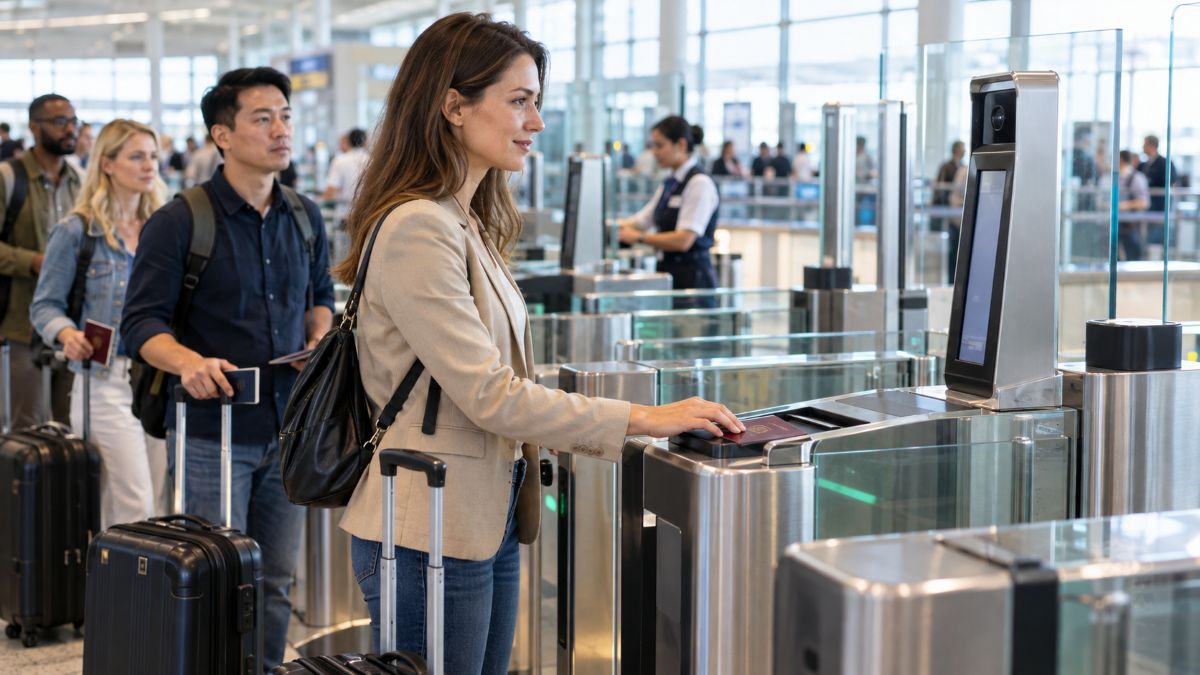
France stands with Spain and others in facing shared tourism challenges as WTTC urges easier visas, biometric borders and new tourism markets. Simpler applications and multiple-entry visas could ease repeat visits, while secure biometric checks could improve border processing. With 74.3% of Europe’s international arrivals originating within the region in 2025, attracting more overseas visitors could broaden demand. These shared interests do not amount to a joint government endorsement. This article explains what the recommendations could mean for travellers, which rules already apply and which reforms await implementation.
Schengen Visa Demand Reveals the Repeat Travel Challenge
European Commission figures show more than 12 million short-stay visa applications in 2025, up 4.3%. Almost 10.3 million visas were issued, but the multiple-entry share slipped from 52.2% to 51.7%. China generated 1.9 million applications, Türkiye 1.26 million and India 1.15 million.
Advertisement
Advertisement
These applications cover several travel purposes. They cannot establish how many holidays paperwork prevented. They do, however, expose the scale of a practical question: how often should a compliant visitor need to repeat the process?
Digital Schengen Visas Could Save a Trip Before the Trip
The EU’s November 2023 legislation envisages one platform for applications, document uploads and payments. A digitally signed barcode would replace visa stickers. In-person attendance would generally remain necessary for first-time applicants, expired biometrics or a new travel document. Implementation depends on technical readiness.
Advertisement
Advertisement
The January 2026 EU Visa Strategy also supports digital procedures and longer-validity visas for trusted travellers.
The potential saving extends beyond form-filling: fewer consular journeys could mean less time away from work and fewer travel costs. Until implementation is confirmed, follow the responsible consulate’s actual process.
Advertisement
Advertisement
Multiple Entry Visas Open the Door to Return Holidays
Existing nationality-specific arrangements show what easier repeat access can offer. Passport validity and eligibility conditions still apply.
| Eligible applicants | Travel history required | Possible visa validity |
|---|---|---|
| Indian nationals living and applying in India | Two visas lawfully used within three years | Two years, normally followed by five |
| Turkish nationals living and applying in Türkiye | Two visas used within three years | One year, then three and five with lawful use |
| Indonesian nationals living in Indonesia | One visa lawfully used within three years | Five years |
The overlooked benefit is flexibility between holidays. A traveller could return for a regional food festival or a family visit without starting every application again. However, visa validity and permitted stay are separate: a five-year visa normally still limits visits to 90 days within any 180-day period.
For a visa valid throughout Schengen, travelling between France and Spain stays inside the same visa area. Adding a UK visit and returning to Schengen requires another permitted entry. Check this before building a multi-country itinerary.
Biometric Borders Require Time and Clear Privacy Rules
The Commission says EES became fully operational on 10 April 2026. Eligible non-EU short-stay visitors undergo digital border registration. UK guidance describes photographs and fingerprints, confirms registration is free and warns that checks can take extra time.
For relevant journeys through Dover, Le Shuttle at Folkestone or Eurostar at St Pancras, EES checks happen before leaving the UK. Follow your operator’s arrival guidance.
Separate airline and airport facial-recognition services raise consent questions. The European Data Protection Board’s opinion stresses active enrolment and passenger control over biometric data; it does not govern statutory border registration.
Advertisement
Advertisement
WTTC’s proposed EU trusted-traveller scheme, including reciprocal recognition of US Global Entry, remains a recommendation.
Europe Needs More Visitor Markets and Better Reasons to Return
WTTC estimates that 74.3% of Europe’s international arrivals in 2025 came from within Europe. Asia-Pacific arrivals remained 4.8% below 2019; China was 43.2% below, while Japan and South Korea were approximately 30% below.
Excluding intra-European travel changes its calculated travel balance from a US$33.9 billion surplus to roughly a US$45 billion deficit. These are WTTC regional estimates.
Diversification means broadening where guests come from. It does not automatically spread them across seasons or places. The traveller-focused opportunity is to pair easier access with bookable regional routes, suitable transport and compelling reasons to return.
Spain Shows Why Established Markets Still Matter
Spain welcomed 70.36 million international tourists in January–August 2026, up 5.4%, according to INE’s provisional figures.
| Visitor residence | Arrivals to Spain | Annual change |
|---|---|---|
| United Kingdom | 13.923 million | +5.4% |
| France | 9.278 million | +1.4% |
| Germany | 8.236 million | +0.3% |
| United States | 3.356 million | +11.6% |
The first three markets supplied about 44.7% of arrivals, calculated from INE’s totals. US demand grew faster from a smaller base.
Advertisement
Advertisement
The strategic lesson is balance: overseas growth can complement the European visitors who already sustain routes and accommodation. More British arrivals alone would not broaden demand beyond Europe.
France and Germany Show Why Visitor Spending Matters
Atout France’s September report, citing Banque de France, records €49.362 billion in international travel receipts for January–July 2026, up 6.6%. US receipts rose 4.7% to €5.241 billion. Chinese receipts fell 5.3% to €770 million; Japanese receipts declined 10.2% to €403 million.
Germany’s tourism board reports almost seven million US visitor overnight stays and €9.6 billion in US trip expenditure in 2025.
These different measures cannot support a direct country ranking. They show why tourism strategies need to track spending and repeat demand alongside headline arrival totals.
Asian Tourism Recovery Calls for Different Travel Solutions
Atout France’s 6 September booking snapshot projected September–November 2026 air-arrival growth of 11.5% from China, 11.2% from India, 7.0% from Japan and 12.4% from South Korea. These are forward projections, not completed visits.
Japan and South Korea are among the visa-exempt countries covered by future ETIAS requirements. Their needs therefore differ from those of visa-required visitors.
Advertisement
Advertisement
- Visa-required markets: clearer applications and dependable repeat access could help.
- Visa-exempt markets: useful connections, attractive itineraries and clear entry guidance remain essential.
A single visa campaign cannot address every market’s barriers.
Before Booking Check the Rules That Apply to You
As checked on 11 October 2026, eu-LISA says ETIAS is not operating or accepting applications. Its published future fee is €20. Follow official launch guidance.
For a Schengen visa, the standard adult fee is €90. Normal processing takes 15 days and can extend to 45; service-centre charges may apply.
- Apply to the country where you will spend the most time; for equal stays, use the first country visited.
- Check your visa’s entries, expiry and authorised stay before adding another stop.
- Allow for appointments and processing before making inflexible bookings.
Use the EU short-stay calculator to check your remaining allowance. Easier access is most valuable when it gives you confidence to plan the whole journey.
In conclusion, France stands with Spain and others in sharing a clear tourism interest as WTTC urges easier visas, biometric borders and new tourism markets. Reducing repeat paperwork could simplify return visits, while broader international demand could strengthen tourism resilience. For travellers, success means clearer application rules, secure border checks and greater confidence when booking. These shared interests do not confirm a joint government commitment. The real value of reform will depend on practical improvements throughout the journey, from applying for permission to exploring another European destination.
Advertisement
