
Peru Captivates Soulful Adventurers During Inti Raymi Festivities Connecting Cusco And Sacred Valley Dawn Travel, Find Out Now

Published
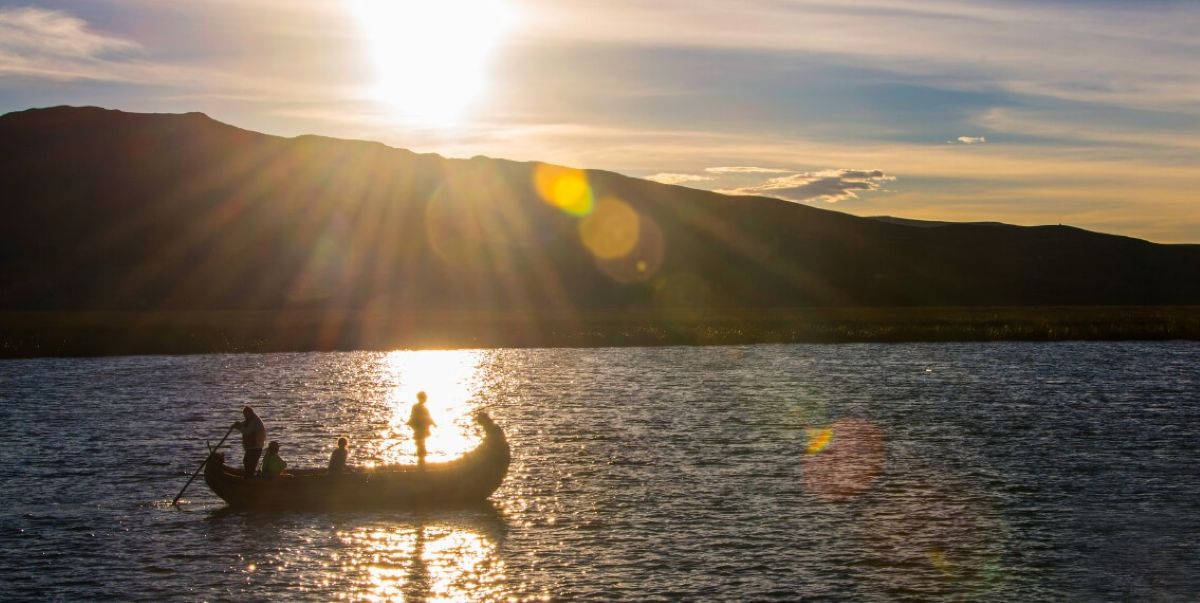
Image Credit sites.peru.info
Ancient explorers found inspiration from the Andes and kept their culture and values through the generations. The Andes show that all descendants of various cultures are obliged to have the chance to see what their forefathers first saw. This tour gives you an opportunity to see and experience what your great-great grandparents probably felt the first time they set eyes on the great wonders of the world. It is an experience of a lifetime, not just for you, but also for your children and grandchildren. You will be privileged to have seen what very few people on earth have seen, what explorers of old felt for the first time.
Analyzing the Extensive Global Industry Shifts Driven by High-Value Cultural Itineraries
Curated heritage expeditions significantly elevate global tourism standards by emphasizing authentic indigenous customs and community engagement. Consequently, international travelers develop an enhanced respect for traditional lifestyles, which in turn benefits the entire tourism framework in Peru. This dynamic economic growth encourages regional infrastructure improvements, ensuring that historical tourism remains sustainable for upcoming generations.
Advertisement
Advertisement
The global travel marketplace continuously adapts to satisfy surging consumer demands for immersive cultural interactions rather than conventional sightseeing tours. Industry leaders observe that structured group journeys effectively protect sensitive archaeological environments by regulating visitor flow. Ultimately, these meticulously organized programs establish new benchmarks for sustainable, high-value global tourism across various international markets.
Exploring the Architectural Splendors and Historical Significance Found Within the Capital City
Advertisement
Advertisement
The immersive expedition officially commences in the historic capital of Peru, specifically within Lima, where guests encounter magnificent colonial architecture. Travelers marvel at the intricate designs of the Plaza Mayor and uncover centuries of fascinating stories at the renowned Casa de Aliaga. Additionally, expert-led explorations lead visitors straight into the breathtaking Lima Cathedral and the prestigious Larco Museum to admire ancient artifacts.
Transitioning from the coastal capital, the itinerary guides participants toward Cusco to facilitate vital high-altitude acclimatization before physical activities escalate. Visitors embark on private historical tours through Qorikancha, famously recognized as the Temple of the Sun, before venturing into nearby monumental sites like Sacsayhuaman. These foundational urban explorations prepare travelers for the deeper rural landscapes waiting in the stunning high Andean valleys.
Advertisement
Advertisement
Unveiling the Natural and Archaeological Wonders Across the High Andean Mountain Valleys
Deep within the majestic high Andean mountain ranges, the journey proceeds toward the picturesque Sacred Valley of the Incas. Travelers visit the vibrant community of Chinchero to observe traditional Andean weaving techniques preserved across centuries by local artisans. Furthermore, excursions extend to the ingenious circular agricultural terraces at Moray, showcasing the remarkable scientific expertise of early civilizations.
Following these cultural encounters, participants board the luxurious, panoramic Vistadome train for a breathtaking visual journey toward the legendary Machu Picchu. Expert local guides lead comprehensive explorations throughout the stone citadel, explaining its profound architectural and spiritual significance. This seamless integration of modern comfort and ancient history creates an unforgettable experience for every single visitor onboard.
Examining the Deep Personal Growth and Cross-Cultural Awareness Experienced by Global Voyagers
Advertisement
Advertisement
Participating directly in the traditional Festival of the Sun held in Cusco and Sacsayhuaman fosters immense personal enrichment for international attendees. Observers and participants return to their home countries as dedicated advocates for historical preservation, sharing cross-cultural insights across international borders. These profound face-to-face engagements with living indigenous traditions cultivate genuine global empathy and mutual respect among diverse populations.
From a macroeconomic standpoint, these high-value heritage expeditions redefine international vacation preferences by prioritizing educational depth over passive leisure. Travelers increasingly desire transformative experiences that challenge their perspectives and connect them authentically with foreign populations. Consequently, the global tourism industry continually innovates to design itineraries that honor local heritage while satisfying modern expectations.
Highlighting Economic Sustainability and Equitable Financial Distribution Within Host Communities
The financial investments made by international tourists generate direct, tangible economic benefits for countless host communities throughout Peru. Local tour guides, independent artisans, and hardworking hospitality staff experience significantly boosted livelihoods during peak festival and travel seasons. This equitable distribution of tourism revenue strengthens regional economies and encourages communities to preserve their ancestral traditions with pride.
In addition to economic advantages, modern itineraries integrate eco-friendly transit solutions, such as efficient electric mountain trains, to minimize ecological footprints. Protecting sensitive natural environments and ancient stone structures guarantees that future generations can witness these sacred landscapes intact. Indeed, proactive environmental management ensures a thriving, sustainable future for global heritage tourism worldwide.
Revolutionizing Sustainable Infrastructure Across High-Altitude Andean Transit Systems
Advertisement
Advertisement
Navigating through steep mountain terrains requires sophisticated transport networks that prioritize ecological preservation alongside passenger security. Recent advancements along the rail lines traversing the Sacred Valley feature hybrid locomotives equipped with automated engine tuning and acoustic damping technology. These engineering enhancements have successfully lowered greenhouse gas emissions by 35% across high-elevation transit routes, establishing an environmental baseline for mountain-based eco-tourism globally.
Managing transit logistics throughout Cusco, which sits at an elevation of 3,400 meters, presents unique operational demands. Modern digital ticketing architectures now synchronize train schedules with mandatory rest stops in lower-elevation sanctuaries such as Ollantaytambo and Urubamba. By ensuring proper physical adjustment to the thin atmosphere, tour operators have recorded a 40% decline in altitude sickness incidents, proving that intelligent infrastructure directly elevates the overall quality of travel experiences.
Evaluating Visitor Management Models and Preservation Benchmarks at Ancient Stone Monoliths
Protecting fragile stone architecture at world-famous landmarks like Machu Picchu and Sacsayhuaman necessitates strict daily attendance caps to control physical erosion. Current conservation standards limit peak-season entry at Machu Picchu to 5,600 visitors daily, whereas off-peak limits tighten to 4,500 daily passes. Furthermore, structured entry schedules and designated walking paths prevent crowding on ancient stone terraces during peak hours.
These regulated visitor limits significantly influence global travel planning, requiring international tourists to secure admission passes 6 to 8 months prior to arrival. A dedicated percentage of every entry ticket fee directly finances ongoing structural conservation, geological monitoring, and archaeological research. These data-driven management strategies ensure that future generations can witness these ancient marvels without compromising their structural integrity.
Measuring Regional Economic Benefits Generated by Peak Cultural Festival Operations
Advertisement
Advertisement
Major cultural festivals like Inti Raymi serve as primary economic drivers for municipalities throughout the southern Andes. During the annual June festival period, the economy surrounding Cusco receives an estimated $20 million USD boost across lodging, transportation, and dining sectors. Local micro-enterprises, independent tour guides, and native artisans successfully capture roughly 42% of this total direct spending.
- Direct hotel occupancy across Cusco reaches 96% capacity during the peak week of the Inti Raymi celebrations.
- Daily flight arrivals at Alejandro Velasco Astete International Airport surge by 30%, averaging around 50 incoming flights per day.
- More than 64,000 international and domestic tourists attend the central festival gatherings across the historic center.
Empowering Indigenous Artisan Communities and Textile Preservation in Rural Villages
The financial benefits of structured heritage tourism extend directly into rural mountain communities such as Chinchero, world-renowned for traditional hand-weaving traditions. Indigenous textile cooperatives experience an average 65% increase in direct sales when guided itineraries include hands-on weaving demonstrations. This reliable revenue allows native weaving families to maintain sustainable livelihoods within their ancestral villages rather than migrating toward urban areas.
Additionally, community-focused tourism policies require that 15% of all tour revenue be allocated to local development funds. These financial reserves fund rural primary schools, clean water filtration systems, and cultural preservation hubs throughout the Sacred Valley. This equitable revenue distribution model demonstrates how responsible international travel actively sustains living cultural traditions.
Quantifying Global High-Altitude Health Protocols and Wellness Adaptation Guidelines
International travelers visiting high-altitude regions in South America increasingly prioritize personal health and gradual physical acclimatization. Modern travel itineraries integrate structured adaptation schedules, recommending that visitors observe a mandatory 48-hour staging period before participating in demanding mountain hikes or extensive walking tours.
Advertisement
Advertisement
At sea level in Lima (0 meters), travelers maintain baseline oxygen saturation levels between 98% and 100%, requiring zero adjustment time. Moving into the Sacred Valley—including towns like Urubamba at 2,870 meters—requires a 24-hour acclimatization period to significantly reduce the risk of Acute Mountain Sickness (AMS). Reaching Cusco at 3,399 meters necessitates a 48-hour adaptation window to allow the human body to adjust to reduced atmospheric pressure, while exploring sites like Sacsayhuaman at 3,700 meters calls for 72 hours of total preparation before engaging in major physical activities.
Integrating Native Culinary Heritage and Farm-to-Table Practices in Andean Culinary Centers
Peruvian gastronomy remains a top attraction for international food enthusiasts, seamlessly blending pre-Columbian agricultural techniques with modern culinary arts. Near the agricultural terraces of Moray, agricultural research centers collaborate with high-end restaurants to incorporate native crops into daily menus. Today, over 3,000 unique native potato varieties and 35 distinct strains of heirloom corn are cultivated and served in regional dining establishments.
Furthermore, authentic culinary experiences like the underground earth-oven pachamanca meal introduce visitors to traditional cooking methods using superheated river stones. Industry surveys reveal that 88% of international luxury travelers rank authentic culinary experiences as a primary factor driving their overall trip satisfaction. This harmonious blend of agriculture and gastronomy strengthens local farming communities while celebrating indigenous culinary history.
Evaluating Carbon Offset Initiatives Across Long-Distance Travel Corridors
Long-distance international travel to remote historical destinations requires proactive environmental stewardship to mitigate total carbon output. Transcontinental flights connecting major global cities to Lima produce an estimated 1.2 metric tons of CO2 per passenger. To balance these environmental costs, regional tourism authorities actively invest in large-scale reforestation programs across the high-altitude Sacred Valley ecosystem.
Advertisement
Advertisement
- Each luxury booking contributes directly to planting 10 native Polylepis trees within high-elevation watershed zones.
- Regional reforestation initiatives have successfully restored over 250 hectares of degraded Andean mountain forest over the last five years.
- Approximately 60% of international visitors voluntarily choose carbon-offset options when booking their travel packages.
Projecting Long-Term Growth and Market Trends for South American Cultural Heritage Tourism
The long-term economic outlook for heritage-focused travel across South America demonstrates steady growth, propelled by rising global demand for immersive, slow-travel experiences. Detailed market forecasts project a 7.8% Compound Annual Growth Rate (CAGR) for premium cultural travel through 2030. This expansion is largely fueled by international visitors originating from North America (45%), Western Europe (35%), and the Asia-Pacific region (20%).
This steady market growth prompts local governments to invest heavily in secondary archaeological destinations beyond primary tourist hubs. Infrastructure upgrades—including regional airport expansions, streamlined digital border processing, and advanced multilingual guide certification continue to raise overall visitor satisfaction. Ultimately, these strategic investments reinforce Peru‘s global reputation as a premier destination for sustainable heritage tourism.
The Final Verdict
A photo is two-dimensional. Memories are multi-dimensional. A photo of a place can never express the entire experience of being in that place and time. People that take pictures in different places around the world, like in Peru, experience more than what they capture. As Andean people, we have a cyclical perception of time. You will need to give up your idea of time in a straight line to fully experience our time and traditions, like the Inti Raymi. The messages of enduring time left by the Andes will help you experience your time on this land and your relationship to it. After all of this is experienced, you will learn to appreciate all that the land and everything it touches provides for you. Look for the messages that nature expresses for you. Understand that all things are connected and express themselves through varying degrees of harmony.
Advertisement
