
California Alongside Texas, South Carolina and More Enters El Niño Season With Dam Repairs and Travel Disruption Risks in Focus

Published
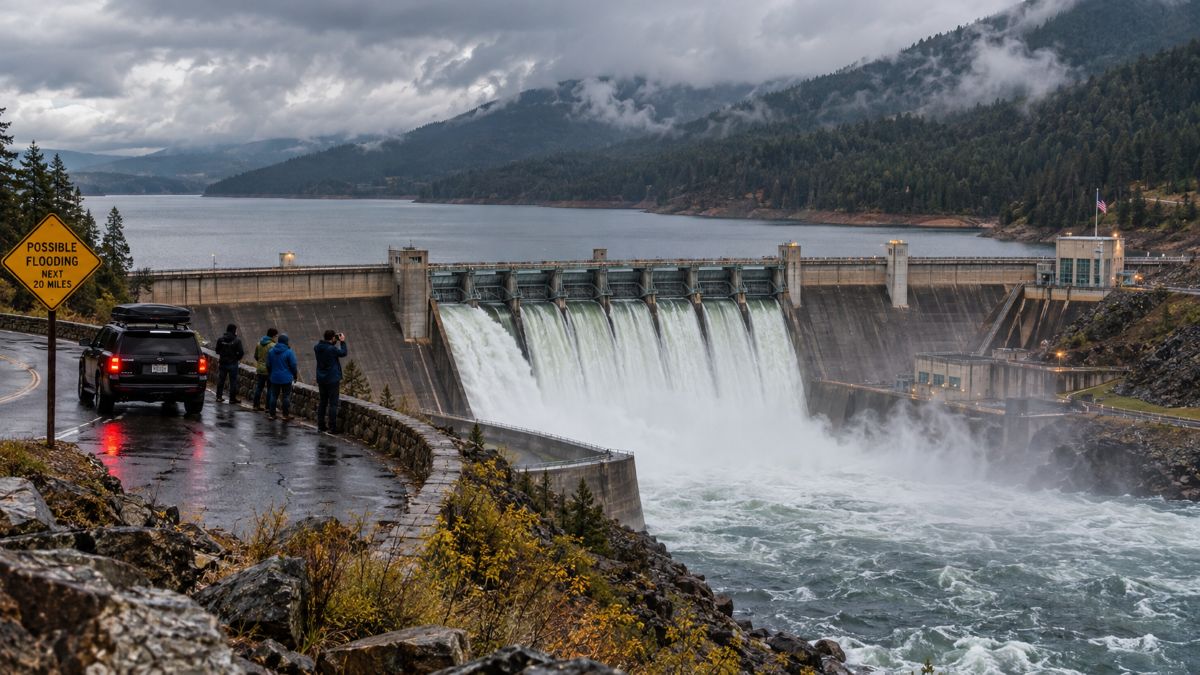
California Alongside Texas, South Carolina and More Enters El Niño Season With Dam Repairs and Travel Disruption Risks in Focus because several southern and southwestern states are heading into a wetter winter outlook with known dam deficiencies, ageing infrastructure and ongoing rehabilitation programmes. California has around 124 regulated dams assessed below Satisfactory, Texas has 378 inspected dams rated Fair or Poor, while South Carolina reports more than 1,000 Poor or Unsatisfactory dams. As El Niño Season develops, Dam Repairs and Travel Disruption Risks are moving into sharper Focus because heavier rainfall can affect reservoirs, spillways, highways, mountain routes and riverside destinations. For travellers, the main concern is not widespread dam failure, but flooding, road closures, landslides and temporary access disruption during major winter storms.
Why Does California Face Particular Scrutiny Before the El Niño Winter?
California’s Division of Safety of Dams oversees 1,236 state-jurisdictional dams, and around 10% are assessed below Satisfactory, equivalent to approximately 124 structures with identified concerns or unresolved deficiencies. Importantly, a below-Satisfactory rating does not mean a dam is about to fail. California distinguishes between Fair, Poor and Unsatisfactory conditions, with different levels of repair urgency.
The state has also committed substantial resources to resilience. Its Dam Safety and Climate Resilience Local Assistance Program has received $464 million through two rounds of Proposition 4 funding, while up to $228 million was referenced through the 2026 programme-development process.
For travellers, the practical concern is generally indirect. Heavy winter storms can trigger flooding, debris flows, reservoir releases and road closures affecting access to mountain communities, riverside recreation areas and major scenic routes even when dams themselves remain secure.
Advertisement
Advertisement
How Does Texas Compare With California?
Texas has a much larger regulated dam inventory. Official state figures show 4,119 state-regulated dams, including 1,542 high-hazard and 306 significant-hazard structures. Among dams that had been inspected, approximately 378 were rated Fair or Poor.
That combination is important because hazard classification and physical condition are different concepts. A high-hazard dam is classified according to the likely consequences if it failed, particularly possible loss of life. A Fair or Poor rating, by contrast, speaks more directly to the dam’s condition.
Advertisement
Advertisement
Texas also reported that 78% of high- and significant-hazard dams had been inspected within the previous five years in fiscal 2024.
For winter travellers, wetter El Niño conditions may increase the chance of temporary disruption around flood-prone roads, lake recreation areas and low-water crossings. The statistics do not suggest hundreds of dams are likely to fail; they show why monitoring, spillway performance and emergency planning matter during a potentially wetter season.
Advertisement
Advertisement
Why Does South Carolina Stand Out Most Strongly?
South Carolina has one of the most striking sets of official condition statistics.
The state regulates more than 2,200 dams, and its 2025 State of the Dams report says more than 1,000 are rated Poor or Unsatisfactory. State authorities say those dams require repair or removal to address deficiencies that could contribute to failure.
The comparison with California is significant, although the states use different assessment systems and their figures should not be treated as directly equivalent.
South Carolina also has recent experience with severe weather damaging dam infrastructure. Hurricanes in 2015 and 2016 caused 70 regulated dam failures statewide.
Advertisement
Advertisement
That history gives the approaching wetter winter added relevance. Travellers driving through rural areas, lake districts and destinations near rivers should pay particular attention to weather warnings and road conditions during major rainfall episodes. The principal travel hazard is more likely to be flooding or access disruption than a dam emergency itself.
What Are North Carolina, Georgia, Arizona and New Mexico Facing?
Several other southern and southwestern states also enter winter with documented dam-management challenges.
| State | Official dam figure | Main documented concern |
|---|---|---|
| California | 1,236 regulated dams | Around 124 below Satisfactory |
| Texas | 4,119 regulated dams | 378 inspected dams Fair or Poor |
| South Carolina | 2,200+ regulated dams | 1,000+ Poor or Unsatisfactory |
| North Carolina | 3,000+ dams | Around 40 Helene-damaged, including 36 high hazard |
| Georgia | 4,600+ dams | 150+ high-hazard watershed dams needing upgrades |
| Arizona | Nearly 240 non-federal dams | Formal Unsafe Dam priority list |
| New Mexico | 400+ dams | Nearly 300 under state jurisdiction |
North Carolina inspectors examined more than 400 mountain dams after Hurricane Helene and identified about 40 damaged structures, including 36 high-hazard dams. The state created a $10 million Dam Safety Grant Fund, with separate awards of $6.6 million and $3.4 million announced for repair work.
Georgia has more than 150 high-hazard watershed dams requiring rehabilitation or upgrading, many dating from the 1950s to 1970s. Arizona maintains an official Unsafe Dam priority list, while New Mexico oversees nearly 300 dams through its State Engineer.
Why Does El Niño Matter for Winter Travel Across These States?
NOAA expects the current El Niño to remain strong to very strong through January–March 2027 with probability above 83%. Its winter outlook favours wetter-than-average conditions across much of the southern tier, stretching from the Southwest into the Southeast and East Coast.
For California specifically, NOAA’s current December–February probability table places the likelihood of El Niño near 100%, while state water managers are preparing for possible extreme weather.
Advertisement
Advertisement
That does not translate automatically into dam failures.
The more immediate implications for travellers are:
- flash flooding;
- flooded roads and low-water crossings;
- debris flows;
- landslides;
- reservoir access restrictions;
- park or recreation-area closures;
- changing lake levels;
- temporary bridge and highway disruption.
Travellers heading into mountain, canyon, river or lake regions should therefore monitor official weather forecasts, emergency alerts and state transport updates closely when strong storms are forecast.
What Should Travellers Understand About High-Hazard Dams?
The phrase high hazard can sound more alarming than its technical meaning.
It generally refers to the consequences of a hypothetical failure, not proof that a structure is in poor physical condition.
California, for example, separately classifies a dam’s condition and its downstream hazard potential. An Extremely High downstream-hazard designation can apply where failure could threaten considerable loss of life or inundate an area containing 1,000 or more people.
Advertisement
Advertisement
Georgia and New Mexico similarly define high-hazard dams around probable loss of human life if failure occurred.
For travellers, this distinction matters. It would be misleading to cancel a trip merely because a destination is downstream of a high-hazard dam. What matters during an El Niño storm is whether authorities issue flood warnings, evacuation instructions, road closures or reservoir restrictions.
Official alerts should therefore take priority over broad hazard classifications.
How Are States Strengthening Dam Resilience?
Repair and monitoring programmes are already under way across several states.
California has completed a $235 million rehabilitation of Oroville Dam’s River Valve Outlet System and is funding seismic, spillway and flood-resilience projects statewide.
North Carolina is funding rehabilitation of high-hazard dams damaged by Hurricane Helene, while Georgia says ageing watershed structures require upgrades to meet modern safety standards. Arizona routinely prioritises unsafe dams for corrective work, and New Mexico maintains inspection, repair and extreme-precipitation mapping programmes.
Advertisement
Advertisement
These efforts show why the story should not be framed as an impending nationwide dam crisis.
The more accurate picture is one of ageing infrastructure being actively managed while agencies prepare for a winter with elevated rainfall potential.
For tourism, that preparation matters because reliable dams, roads and reservoirs support access to national forests, lakes, recreation sites, mountain communities and popular scenic routes throughout the southern United States.
Comment From Anup Keshan, Founder and Editor-in-Chief of Travel And Tour World
“A strong El Niño winter makes infrastructure preparedness especially important for travellers moving through California, Texas, South Carolina and other southern states. The dam statistics deserve attention, but they should not create unnecessary alarm because hazard classifications and repair needs do not automatically mean failure is imminent. For tourism, the more practical concern is how heavy rainfall can affect roads, parks, reservoirs and access to rural or mountain destinations. Travellers who follow official weather warnings, transport updates and local emergency guidance can make more informed decisions. Strong preventive investment in dams and surrounding infrastructure ultimately supports safer communities as well as more resilient tourism destinations.”
Conclusion: Why Should Travellers Pay Attention This Winter?
California Alongside Texas, South Carolina and More Faces Dam Safety Scrutiny as El Niño Raises Winter Travel Risks because existing dam deficiencies are coinciding with an official outlook favouring wetter conditions across much of the southern United States.
The cause is a combination of ageing infrastructure, known repair needs and greater winter rainfall potential. The answer is not panic but stronger monitoring, reservoir management, rehabilitation and informed travel planning.
California has around 124 below-Satisfactory dams, Texas reports 378 inspected dams rated Fair or Poor, while South Carolina has more than 1,000 Poor or Unsatisfactory structures.
Advertisement
