
Japan Is Now Seeing a New Disruption to Saga Travel as ANA Flight Returns to Okinawa After Engine Trouble

Published
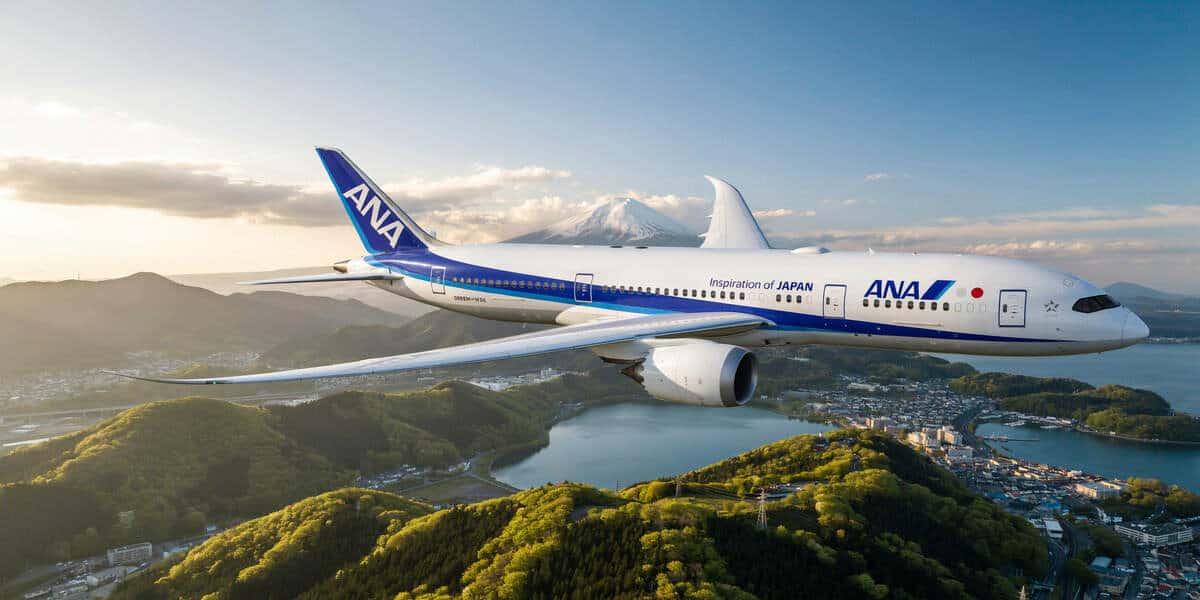
A Saga-bound flight returned to Naha Airport in Okinawa on 23 September 2026 after a problem developed with one engine. It requested priority from air traffic control, landed at Naha and stopped on a taxiway, where passengers and crew evacuated using emergency slides. Japanese authorities classified the event as a serious incident. The passengers did not reach Saga on that service, making their onward plans the immediate Saga Travel concern. The official operational notice does not establish how many other flights were affected or explain the engine problem’s underlying cause.
What Happened on the Saga-Bound Flight
The official notice places the engine problem at approximately 9:19 p.m., while the aircraft was flying near Naha Airport. It says the flight requested priority from air traffic control and returned to its departure airport. After landing, the aircraft stopped on a taxiway. Everyone aboard then left using emergency evacuation slides. That sequence establishes a return and evacuation, but it does not explain why the engine problem occurred or what led to the decision to use slides. The phrase ANA Flight Returns to Okinawa describes the confirmed journey change; it is not a technical finding.
Advertisement
Advertisement
At 10:45 p.m., the transport ministry classified the occurrence as a serious incident, according to the same notice. The supplied account also describes a right-engine problem, three minor injuries and a crew member noticing vibration. Those additional details are absent from the official notice available for this article, so they should not be presented as independently confirmed. An observation of vibration would not, by itself, identify a mechanical cause. The public account establishes what happened to the journey; the investigation must establish what happened to the aircraft.
How Strongly the Evidence Supports Each Travel Angle
The strongest evidence concerns aviation safety and the direct interruption to passengers. Other possible angles, including airport-wide disruption and tourism losses, lack the figures needed to report them as outcomes. The percentages below are an editorial assessment of the story’s focus, not official statistics or estimates of economic impact. They total 100%.
Advertisement
Advertisement
| News component | Share of story | Officially verified finding | Relevance to travellers | Official source |
|---|---|---|---|---|
| Aviation safety | 50% | An engine problem led to a return, taxiway evacuation and serious-incident classification. | Explains why the planned flight did not continue. | Official flight-operator notice |
| Direct flight disruption | 30% | The Naha-to-Saga service returned to Naha. | Passengers did not arrive at their intended airport on that flight. | Official flight-operator notice |
| Onward transport | 15% | Saga Prefecture publishes airport bus schedules and arrival guidance. | A replacement arrival may require passengers to reconsider ground transport. | Saga Prefecture airport bus guidance |
| Wider tourism or entry rules | 5% | No incident-specific tourism effect or change to entry requirements is established in the cited official material. | Travellers should avoid treating one flight’s return as a broader policy change. | Official incident notice and prefectural visitor reporting |
The table makes the limits of the story clear. ANA Flight Returns to Okinawa is a confirmed flight interruption with an important safety dimension; it is not evidence that Okinawa’s tourism sector suffered a measurable loss. The official notice gives no number for other delayed services, no airport closure period and no replacement itinerary for the affected passengers. Saga Prefecture’s transport information explains how travellers normally connect from its airport, but does not describe what happened to this flight’s passengers afterwards.
Why Saga Travel Plans Were Affected
For passengers aboard the aircraft, the effect was immediate: a flight intended to end in Saga ended in Okinawa. That changes the starting point for any onward journey, whether a traveller planned to meet someone, use ground transport or reach accommodation. The official notice does not say when passengers eventually travelled onward. It also does not set out whether all passengers had the same options. Saga Travel arrangements therefore need to be checked booking by booking, using the revised journey rather than the original scheduled arrival.
Advertisement
Advertisement
Saga Prefecture says an airport bus serving a domestic arrival normally departs around 15 minutes after the aircraft arrives. Its guidance also says a departure may be put back when an arriving flight is late. That rule concerns aircraft that arrive at Saga Airport. It does not mean a bus waited for this service, which returned to Naha. It does, however, show why a changed flight time matters: passengers need to match any new arrival with the current ground transport timetable. ANA Flight Returns to Okinawa should prompt affected travellers to confirm the next journey first, then update plans at the destination.
What the Incident Does and Does Not Show About Tourism
Okinawa Prefecture publishes regular visitor-arrival reports, with preliminary figures followed by final figures. Those reports offer a way to understand travel trends across the prefecture, but they cannot measure the effect of a single flight return without incident-specific evidence. No official figure identified for this article attributes a change in visitor arrivals, hotel bookings or tourism spending to the 23 September event. The verified effect is narrower and more direct: the passengers on the Saga-bound aircraft did not complete that flight to Saga.
Advertisement
Advertisement
There is also no confirmed basis for describing the event as an airport-wide shutdown. An evacuation on a taxiway is a significant operational event, but the published notice does not count other delayed or cancelled flights. People booked on separate services need the status of those particular flights. For Saga Travel, the incident is chiefly an aviation safety and passenger-disruption story. It took place on a domestic Japanese route, and the official notice announces no new visa or passport requirement. The heading ANA Flight Returns to Okinawa should therefore lead readers to the affected journey, rather than imply a change to Japan’s border rules.
What Affected Travellers Should Check Now
Travellers booked on the returning service need a confirmed onward itinerary before relying on their original arrival plans. Those booked on other flights should check their own flight status; the available notice does not establish that their journeys changed. Ground transport and accommodation decisions depend on where and when each traveller will actually arrive. Saga Prefecture publishes airport access information, while the incident notice establishes the return and evacuation. Neither source supplies a single replacement plan applicable to everyone.
Practical checks are:
- Confirm the updated itinerary for the affected booking, including the arrival airport and time.
- Check any onward connection against that revised itinerary.
- If the new journey reaches Saga Airport, check the current airport bus timetable before relying on the original plan.
- Review accommodation or ground transport bookings affected by a changed arrival.
- Check the status of any separate flight individually; a wider disruption count has not been established.
These steps address the confirmed travel interruption without assuming that every passenger faces the same change. For anyone planning Saga Travel on another date or service, there is no official basis in the material reviewed to change plans solely because this aircraft returned. ANA Flight Returns to Okinawa remains a specific incident, with individual passenger arrangements and any effects on other flights requiring separate confirmation.
Advertisement
Advertisement
What Happens Next
The next important development is the safety investigation, rather than a predicted change to flights or tourism. Japan’s transport safety investigation body examines serious aviation incidents to establish causes and help prevent recurrence. The operational notice says it will receive cooperation with the examination of this event. A classification as a serious incident does not settle the cause, identify a failed component or determine what the investigation will conclude. No date for a final finding was established in the official information reviewed as of 24 September 2026.
Saga Travel was disrupted for passengers aboard the returning flight, and the slide evacuation makes the safety questions consequential. What is confirmed now is the route, return to Naha, evacuation and serious-incident classification. The technical cause, reported injuries, replacement journeys and any effect on other services remain outside the confirmed account used here. Those gaps matter: they prevent one flight’s interruption from being described as a wider tourism setback. As further official findings become available, they may clarify the aircraft event. Until then, affected travellers should follow updates tied to their bookings and make onward plans from their confirmed arrival details.
Advertisement
