
Qantas Unlocks a New Era of Global Travel With Record-Breaking Sydney to London Non-Stop 22-Hour Ultra Long-Haul Flight Set to Launch in 2027 Transforming Australia–UK Connectivity and Redefining Long-Distance Passenger Aviation Worldwide

Published
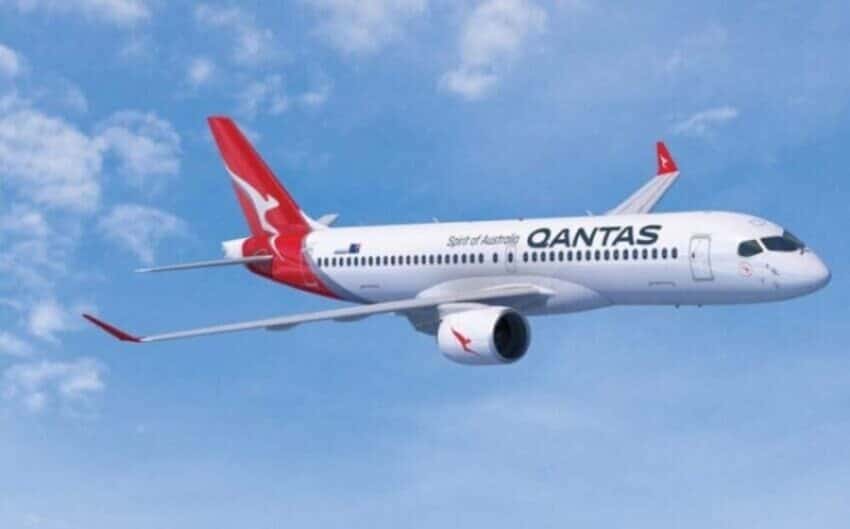
Image generated with Ai
Qantas is driving global aviation into a new era of ultra long-haul travel with its record-breaking Sydney–London non-stop flight because the airline is deploying the specially modified Airbus A350-1000ULR to operate a 22-hour direct service that removes traditional stopovers and significantly reduces total journey time between Australia and the United Kingdom. This historic Project Sunrise route is designed to redefine international connectivity, improve passenger efficiency, and eliminate dependency on transit hubs by creating a seamless point-to-point travel experience across continents. The initiative also reflects the growing demand for faster, more direct global travel while pushing aircraft engineering and cabin design to their operational limits.
Aviation is entering a new phase of global connectivity as Qantas prepares to launch its long-awaited Sydney–London non-stop service in October 2027. This route is set to become one of the longest commercial passenger flights ever operated, reshaping how international travel between Australia and Europe is experienced.
Covering approximately 10,573 miles with a flight time exceeding 22 hours, the service represents a major leap in aviation engineering, operational planning, and passenger experience design. It removes the need for traditional stopovers and establishes a direct bridge between two of the world’s most important long-haul travel markets.
Direct Australia–Europe Connectivity Without Stopovers
The new service links Sydney, Australia, directly with London, United Kingdom, eliminating the long-established practice of connecting flights through transit hubs in the Middle East or Asia.
Advertisement
Advertisement
For decades, passengers travelling between these regions have relied on stopovers in cities such as Dubai, Singapore, or Doha. The upcoming route removes these interruptions and introduces a fully non-stop journey between the two cities.
Advertisement
Advertisement
This development is part of Qantas’ broader Project Sunrise strategy, which focuses on ultra long-haul point-to-point travel. The objective is to significantly reduce total travel time while offering a seamless end-to-end flight experience across continents.
Launch Timeline and Ticket Sales Schedule
The airline is currently planning an official launch in October 2027, with ticket sales expected to begin in February 2027.
This timeline reflects the complexity involved in preparing an ultra long-haul service of this scale. Aircraft certification, route validation, crew training, and operational readiness must all be completed before commercial operations can begin.
Advertisement
Advertisement
Although the project has experienced delays during development, the airline continues to move forward with strong focus on meeting its updated schedule.
Airbus A350-1000ULR: The Aircraft Powering the Route
The Sydney–London service will be operated using a specially modified Airbus A350-1000 Ultra Long Range aircraft.
Advertisement
Advertisement
This version of the aircraft has been engineered specifically for extreme endurance flying and includes several major modifications:
- Increased fuel capacity for extended range capability
- Structural reinforcement to support ultra long-distance operations
- Reduced seating configuration to optimise weight and efficiency
- Advanced cabin systems designed to reduce fatigue during long flights
- Enhanced environmental controls for improved air quality and comfort
These modifications are essential for enabling continuous flight durations of more than 20 hours while maintaining safety, efficiency, and passenger comfort.
Engineering Challenges Behind Ultra Long-Haul Flight
Ultra long-haul aviation places significant demands on aircraft manufacturing and certification processes. Unlike standard long-haul aircraft, these models require extensive testing to ensure safety under continuous operation for nearly a full day.
Key challenges include:
- Extended certification timelines from aviation authorities
- Structural testing for endurance under maximum fuel loads
- Cabin reconfiguration for weight and balance optimisation
- Fuel efficiency adjustments to meet range requirements
These factors explain why ultra long-haul projects often face delays, as engineering precision and safety validation take priority over schedule acceleration.
Advertisement
Advertisement
Passenger Experience Over 22 Hours in the Air
A journey lasting more than 20 hours requires a completely redefined passenger experience.
The cabin environment is expected to be designed around long-duration comfort and wellbeing, with features such as:
- Lighting systems aligned with natural circadian rhythms
- Meal services timed according to destination arrival patterns
- Seating designed for extended rest and movement flexibility
- Dedicated areas encouraging in-flight mobility
- Enhanced humidity and air quality control systems
The objective is to minimise fatigue and jet lag while maintaining comfort throughout the entire journey.
Crew operations will also be carefully structured, with multiple shifts required to ensure safety and service quality across the full duration of the flight.
Strategic Impact on Global Aviation Networks
The introduction of the Sydney–London non-stop service represents a significant shift in global airline strategy.
Advertisement
Advertisement
By removing stopovers, Qantas strengthens its position in the ultra long-haul market and directly challenges established hub-and-spoke networks operated by major international carriers.
Strategic advantages include:
- Reduced total travel time between Australia and Europe
- Increased competitiveness in premium long-haul travel segments
- Greater control over passenger experience from departure to arrival
- Strengthened direct connectivity between two major global markets
This model reflects a broader industry trend toward point-to-point global aviation, reducing dependency on transit hubs.
Economic and Industry Implications
The launch of ultra long-haul routes has wider implications beyond passenger convenience.
For the aviation industry, such services:
Advertisement
Advertisement
- Increase aircraft utilisation value over long-distance operations
- Drive demand for premium seating and long-haul comfort solutions
- Accelerate innovation in fuel efficiency and aircraft design
- Influence future airport infrastructure planning
For Australia, the route strengthens connectivity with Europe, supporting tourism, education, and business exchange. For the United Kingdom, it enhances direct access to the Australian market without reliance on connecting flights.
Human Factors in Ultra Long-Haul Travel
Flights exceeding 20 hours introduce significant physiological and psychological challenges for passengers.
Common issues include:
- Fatigue due to prolonged inactivity
- Disrupted sleep cycles and jet lag
- Dehydration in low-humidity cabin environments
- Reduced mobility during extended seating periods
To address these challenges, airlines are investing in improved cabin design, including ergonomic seating, advanced air filtration systems, and lighting that supports natural body rhythms.
These developments aim to make ultra long-haul travel more sustainable for passengers over extended periods in the air.
Advertisement
Advertisement
A Milestone in Aviation Evolution
The Sydney–London non-stop route represents one of the most ambitious aviation projects ever undertaken in commercial travel.
It combines advances in aircraft engineering, evolving passenger expectations, and the global demand for faster and more direct international connectivity.
If successfully launched in 2027, the service will mark a major transformation in long-haul aviation, demonstrating that 20+ hour non-stop commercial flights are no longer theoretical but operational reality.
Qantas is transforming long-haul aviation by introducing its Sydney–London non-stop service because the airline is deploying the Airbus A350-1000ULR to operate a 22-hour direct flight that removes traditional stopovers and significantly reduces total travel time between Australia and the United Kingdom. This breakthrough marks a major shift in global travel, enabling seamless point-to-point connectivity across continents and redefining how ultra long-distance journeys are operated.
This route signals a future where global distances shrink further, and direct intercontinental travel becomes a standard feature of international aviation networks.
Advertisement
