

Image generated with Ai
The aviation industry is witnessing a major strategic transformation as Lufthansa reflects a global aviation shift with Air France-KLM, United Airlines, IndiGo, Wizz Air and more carriers adopting similar approaches to manage rising costs, geopolitical disruptions and changing travel demand. Airlines are reducing weak routes and reshaping their networks because higher fuel expenses, aircraft delivery delays and operational challenges are making inefficient capacity increasingly difficult to sustain. At the same time, strong passenger demand has encouraged carriers to protect high-value travel demand, including premium cabins, business travel and profitable international connections that generate stronger returns. This network transformation is not only about reducing flights but also about creating smarter travel systems where aircraft are deployed on routes with greater financial potential. From Lufthansa’s capacity controls and premium strategy to Air France-KLM’s network adjustments, United’s route optimisation, IndiGo’s international restructuring and Wizz Air’s cost measures, airlines worldwide are adapting to a more challenging aviation environment. The shift highlights a new phase of global air travel where profitability, efficiency and resilience are becoming the key priorities as carriers navigate rising costs and geopolitical uncertainty.
Lufthansa Group has emerged as one of the strongest examples of how major airlines are balancing strong travel demand with rising operational costs. The German aviation giant has maintained a careful strategy built around controlling capacity, protecting margins and improving network efficiency.
Advertisement
The group recorded impressive financial performance during the opening period, supported by resilient passenger demand despite economic uncertainty.Financial Performance Result Business Impact Total Revenue €8.7 billion Highest first-quarter revenue in company history and up 8% year-on-year Adjusted EBIT -€612 million Improved from -€722 million in the previous year Adjusted Free Cash Flow €1.38 billion Increased by 65% due to strong advance ticket sales Group Liquidity €10.3 billion Above the target range of €8–10 billion
The airline group’s performance demonstrates a complicated balancing act. Strong demand has helped increase revenue, but rising expenses continue to challenge profitability. One of the biggest pressures has come from fuel costs. Global energy market instability pushed fuel prices significantly higher, increasing Lufthansa’s expected 2026 fuel expenditure by around €1.7 billion compared with earlier expectations. To manage this challenge, Lufthansa has relied heavily on fuel hedging. Around 83% of its remaining fuel requirements have been protected through advance agreements, reducing exposure to further market volatility.
Advertisement
However, the airline has also taken direct operational action. Lufthansa introduced a major summer schedule reduction, cutting around 20,000 flights to remove weaker-performing operations and reduce unnecessary fuel consumption. The reduction represented slightly less than 1% of total available seat capacity. The group also retired six older intercontinental aircraft, allowing it to reduce exposure to expensive long-haul operations with weaker returns.
While fuel prices created significant challenges, Lufthansa also benefited from changing global travel behaviour. Disruptions in other international aviation regions encouraged more travellers to use European connecting hubs. The airline experienced stronger traffic through major hubs including Frankfurt Airport, Munich Airport, Zurich Airport, Vienna International Airport, and Brussels Airport.
Revenue performance improved significantly, with Lufthansa reporting stronger revenue per available seat kilometre as demand increased before peak travel periods. Premium travel became one of the company’s strongest financial drivers. Corporate travellers, business-class passengers and customers seeking upgraded experiences continued to support higher ticket yields.
Cargo operations also provided additional strength. Lufthansa Cargo generated an adjusted operating profit of €83 million as global supply chain challenges increased demand for high-value air freight transportation. The combination of premium passenger demand, cargo strength and disciplined capacity management helped Lufthansa maintain its strategic direction despite difficult market conditions.
Air France-KLM has adopted a similar approach by reviewing its European network and reducing flights that provide weaker financial returns. The airline group has focused on protecting profitable markets while managing exposure to increasing fuel expenses. Short-haul European operations have faced particular pressure because these routes often deliver lower margins compared with long-distance and premium services.
The group has adjusted schedules to reduce unnecessary fuel consumption and improve aircraft utilisation. Capacity has increasingly been redirected towards stronger international markets, especially routes with higher premium demand.
Fuel security has become a major priority for European airlines. Rising energy costs and geopolitical risks have encouraged carriers to protect available resources and concentrate operations on financially stronger routes. Air France-KLM’s approach reflects a broader European aviation trend where airlines are moving away from volume-based expansion and focusing on profitability.
United Airlines and other major US carriers have also entered a period of tighter capacity management. The American aviation market has remained supported by strong passenger demand, but rising fuel prices have created pressure on airline profit forecasts. Many US carriers have less extensive fuel protection compared with some European competitors, increasing their exposure to sudden price increases. As fuel expenses rise, airlines are reviewing domestic and international schedules to identify routes that generate weaker returns.
United and other major carriers have responded by reducing low-margin frequencies and placing aircraft on routes with stronger demand. Airlines are also adjusting ticket pricing strategies, particularly on capacity-limited routes where passenger demand remains high. The focus has shifted from simply increasing flight numbers to improving revenue performance from every aircraft movement.
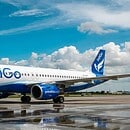
IndiGo has become another major carrier adopting a more selective approach to international growth. India’s largest airline temporarily suspended services to several international destinations, including:Suspended Route Airport Code Hong Kong HKG Ho Chi Minh City SGN Shanghai PVG Langkawi LGK Krabi KBV Siem Reap SAI
The decision reflects the changing economics of international aviation. Longer flight paths, rising fuel expenses and increased operational complexity have affected profitability on some routes. Instead of continuing expansion across every international market, IndiGo has chosen to concentrate resources on stronger domestic routes and higher-performing international sectors. The move represents a major strategic shift from rapid expansion towards controlled growth.
Wizz Air has also adjusted its operations as European aviation faces higher costs. The low-cost carrier reduced its profit expectations by approximately €50 million and introduced network adjustments to protect financial stability. A major challenge for the airline has been fuel exposure. Compared with some competitors, Wizz Air has a smaller percentage of fuel requirements protected through hedging arrangements.
To manage this vulnerability, the airline has reduced operations in selected markets, adjusted capacity and increased ticket pricing where necessary. The strategy aims to prevent aircraft from operating on routes where fuel costs could outweigh revenue.
In South America, Azul has taken a more targeted approach by reducing flight frequencies rather than abandoning important markets. The Brazilian airline expects significant additional fuel costs and has responded by cutting operations on weaker-demand days. This approach allows Azul to maintain market presence while reducing unnecessary fuel consumption.
Meanwhile, Air New Zealand has launched a major strategic reset. The airline has frozen some international expansion plans and introduced a corporate cost-reduction programme worth approximately NZ$100 million.
Aircraft delivery delays, including challenges affecting incoming Boeing 787-9 Dreamliners, have influenced the airline’s planning decisions. Instead of expanding rapidly, Air New Zealand is prioritising profitable leisure markets and protecting long-term financial strength.
The current aviation environment has created a clear divide between airlines with stronger financial protection and those facing greater exposure.Category Airlines Strategic Position Strongly Protected Ryanair, IAG including British Airways and Iberia Strong fuel hedges provide greater stability Higher Risk Exposure JetBlue, WestJet, Air Baltic Limited fuel protection and tighter financial conditions
Airlines with strong balance sheets and extensive fuel hedging programmes are better positioned to manage rising costs. Meanwhile, smaller or highly leveraged carriers face greater pressure from fuel increases, operational disruptions and limited cash reserves.
Lufthansa reflects a global aviation shift with Air France-KLM, United, IndiGo, Wizz Air and more as airlines cut weak routes, reshape networks and protect high-value travel demand amid rising costs.
The strategies adopted by Lufthansa, Air France-KLM, United Airlines, IndiGo, Wizz Air, Azul and Air New Zealand highlight a fundamental transformation in global aviation. The industry is no longer focused only on expanding passenger numbers and launching new routes. Instead, airlines are prioritising profitability, efficiency and resilience. Strong travel demand continues to support the sector, especially in premium cabins and international markets. However, airlines are becoming more selective about where they deploy aircraft and how they manage costs.
The future winners of global aviation are expected to be carriers that combine strong financial discipline, efficient fleets, flexible networks and the ability to adapt quickly to changing market conditions. As fuel prices, geopolitical risks and supply chain challenges continue shaping the industry, capacity control has become one of the most powerful tools airlines are using to protect profits and secure long-term growth.
Advertisement
Tags: Air France-KLM network strategy, airline capacity reduction, Global Aviation Trends, IndiGo international flights, Lufthansa capacity cuts
Advertisement
Advertisement













Friday, September 4, 2026

Friday, September 4, 2026

Friday, September 4, 2026

Thursday, September 3, 2026

Wednesday, September 2, 2026

Friday, September 4, 2026
Friday, September 4, 2026