
Image generated with Ai
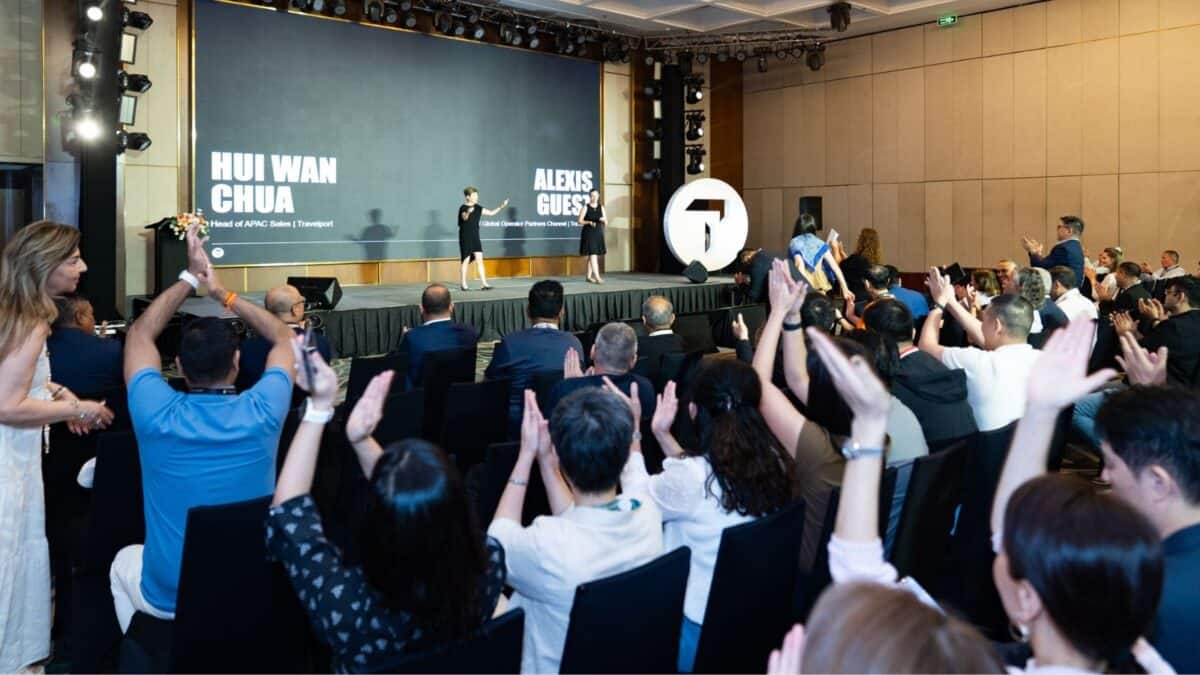
Travelport is accelerating the transformation of Asia Pacific’s travel ecosystem with a new technology-focused strategy centred on artificial intelligence, expanded New Distribution Capability (NDC) airline content and advanced retail platforms. During the Travelport APAC Summit 2026 in Ho Chi Minh City, the company brought together more than 200 representatives from airlines, travel agencies, online travel companies and technology providers to explore how innovation is reshaping the way travel products are searched, compared and booked. The three-day event highlighted the growing importance of intelligent automation, connected distribution and flexible technology solutions as the travel industry moves towards a more personalised and digitally driven future.
Rather than focusing solely on new products, the summit examined the broader transformation taking place across the travel ecosystem. Airlines, travel agencies, online travel companies and technology providers explored how changing traveller expectations are accelerating the industry’s move towards intelligent retail platforms that combine multiple sources of travel content while delivering faster, more personalised booking experiences.
Advertisement
The event highlighted the growing importance of collaboration between airlines, intermediaries and technology companies as the sector prepares for a future where automation, dynamic pricing and personalised offers become standard features of travel retail.
One of the strongest themes throughout the summit was the industry’s transition from traditional booking systems to modern travel retailing platforms.
Advertisement
Advertisement
As travellers increasingly expect seamless digital experiences similar to those offered by online retailers, airlines and travel sellers are investing heavily in technology that enables personalised offers, richer content and faster transactions.
Delegates discussed how retailing is no longer limited to selling airline seats or hotel rooms. Instead, the focus is shifting towards presenting complete travel experiences through dynamic bundles that can include baggage options, seat selection, accommodation, transport and other travel services within a single shopping journey.
This shift requires distribution platforms capable of managing growing volumes of content while ensuring travel agencies can continue accessing comprehensive travel options through efficient workflows.
Artificial intelligence featured prominently throughout the conference as one of the technologies expected to drive the next phase of travel retailing.
Advertisement
Advertisement
Industry discussions focused on how AI is improving the way travellers discover destinations, compare travel options and complete bookings. Rather than relying solely on keyword searches, AI-powered systems are becoming capable of understanding conversational requests and recommending travel products based on customer preferences, budgets and previous booking behaviour.
Participants also examined how AI can assist travel agencies by reducing manual tasks, simplifying itinerary management and helping advisors respond more quickly to customer enquiries.
Another important area of discussion involved the use of AI within live booking environments, where airfare availability and pricing change continuously. Ensuring AI applications remain connected to accurate, real-time travel data was identified as one of the industry’s most significant technological priorities.
Travelport also provided an update on its strategic collaboration with Cognizant and Anthropic, which combines artificial intelligence technology, enterprise engineering expertise and Travelport’s travel retail infrastructure.
The initiative is focused on creating AI-powered tools capable of interacting directly with live travel inventory, allowing conversational applications to provide accurate availability, pricing and booking capabilities without relying on static information.
Early development is centred on improving travel search, airline shopping, NDC offer construction and agency support tools while exploring how AI can function effectively in environments where inventory changes within seconds.
The collaboration represents part of a wider industry effort to move generative AI beyond experimental use cases and into everyday commercial travel operations.
Travelport expects the first customer-facing features developed through the partnership to become available during 2026.
Beyond external partnerships, Travelport also highlighted the work being carried out through its internal AI Center of Excellence.
The programme has been established to oversee the responsible deployment of artificial intelligence throughout the organisation while identifying opportunities to improve efficiency across business operations.
The initiative also supports customers seeking practical ways to integrate AI into their own businesses without disrupting existing systems.
Demonstrations during the summit showed how automation is already supporting travel agencies through Travelport’s Trip Services platform by simplifying booking processes, reducing operational complexity and improving access to travel content.
The company’s approach reflects the industry’s growing emphasis on deploying AI in practical, measurable ways rather than treating it solely as an emerging technology.
Modern airline distribution also remained a major topic throughout the summit as Travelport shared updates on the continued expansion of New Distribution Capability across its platform.
More than 30 airlines are now actively distributing NDC content through Travelport, accounting for nearly half of its airline transaction volume. The company has also secured agreements with around 70 of its largest airline partners to support future NDC integration.
Recent additions include Royal Jordanian, ITA Airways and LOT Polish Airlines, expanding the range of airline offers available to travel agencies and online booking platforms.
As more airlines transition towards NDC, the industry is placing greater emphasis on delivering richer product information, personalised pricing and additional ancillary services through indirect sales channels.
Travelport’s strategy focuses not only on expanding airline participation but also on ensuring content from different distribution models is presented consistently, making it easier for agencies to compare and sell travel products.
Another major focus of the summit was the continued development of Travelport’s Trip Services platform.
Designed as a unified technology framework, the platform allows travel agencies, online travel companies and software developers to access both flight and accommodation content through a single integration.
Instead of maintaining multiple supplier connections, businesses can access standardised travel content within one environment, reducing technical complexity while accelerating product development.
The platform supports both traditional airline distribution and modern NDC offers, enabling agencies to adapt as airline retailing continues to evolve.
By combining multiple content sources into one framework, Trip Services aims to help travel sellers deliver more consistent customer experiences while improving operational efficiency.
The summit also brought together airline representatives to discuss how intermediary distribution continues to support airline retail strategies.
Sessions involving Philippine Airlines and Vietnam Airlines explored the role of travel agencies within an increasingly digital marketplace and examined how airlines can maximise the value of their investments in NDC technology.
Discussions also covered the technical requirements for integrating traditional airline content with newer retailing models while maintaining reliable booking experiences across agency systems.
Participants agreed that close cooperation between airlines, intermediaries and technology providers will remain essential as distribution becomes more sophisticated and traveller expectations continue to evolve.
The Travelport APAC Summit concluded after three days of executive presentations, technology demonstrations and industry discussions that reflected the rapid pace of change across global travel.
While artificial intelligence, NDC and digital retailing dominated the agenda, the broader message centred on building a connected travel ecosystem capable of adapting to constant technological innovation.
As airlines expand modern retail strategies and travel sellers seek more efficient digital platforms, investment in integrated technology is expected to remain a defining trend across the Asia-Pacific market. Through its focus on AI, unified travel content and collaborative distribution, Travelport is positioning its platform to support the next generation of travel retailing for airlines, agencies and technology partners alike.
Advertisement
Advertisement
Advertisement













Friday, September 4, 2026

Friday, September 4, 2026

Friday, September 4, 2026

Thursday, September 3, 2026

Wednesday, September 2, 2026
Friday, September 4, 2026
Friday, September 4, 2026