
South Korea Travel Uncovers Identity, Cultural Belonging And Unexpected Kindness Across Six Weeks

Published
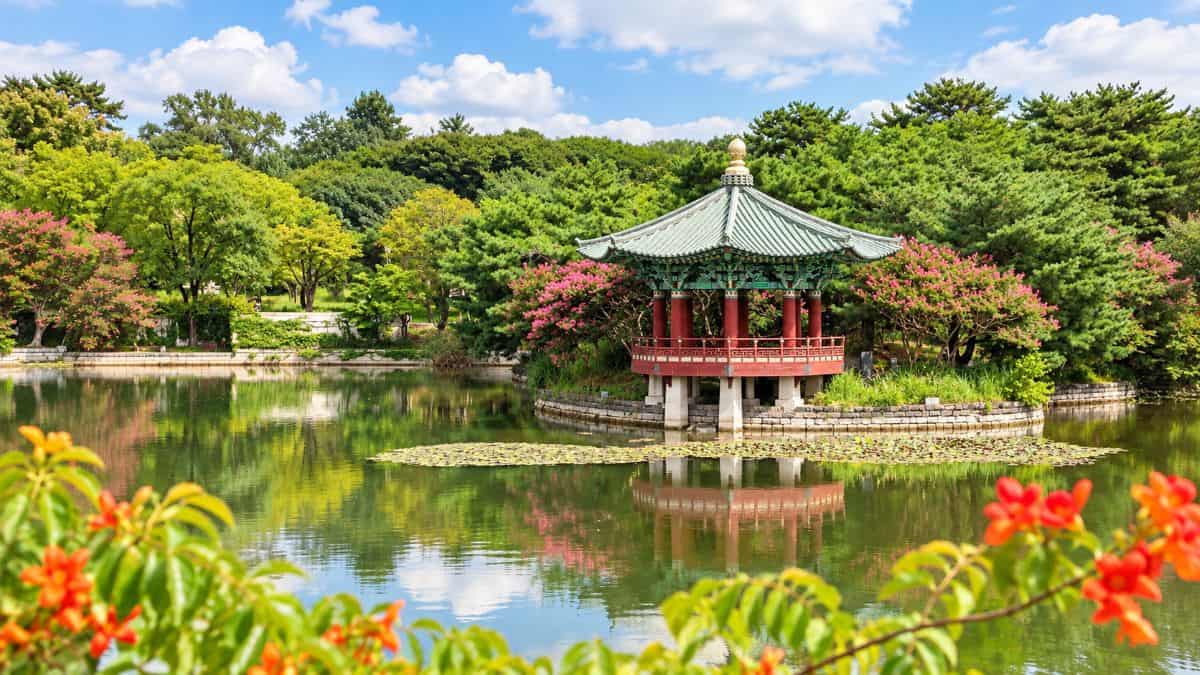
Travel can take people beyond familiar destinations and into questions about identity, heritage and belonging. For one solo traveller with Korean ancestry and a Canadian upbringing, a six-week journey across South Korea became an opportunity to explore a personal connection to the country where her father was born. Rather than focusing solely on famous attractions, the trip moved through coastal trails, traditional villages, Buddhist temples, local markets and everyday dining experiences.
The journey began in Busan and continued through Suncheon, Yeosu, Mokpo and Jeonju before reaching Seoul. Along the way, the traveller encountered moments of generosity, cultural uncertainty and uncomfortable interactions that shaped her understanding of what it means to belong. From walking beside the sea to experiencing Korean food and traditional customs, each destination offered a different perspective on heritage and personal identity. Her experience demonstrates how travel can reveal both the attractions of a destination and the complex emotions that arise when visitors seek a deeper cultural connection.
Advertisement
Advertisement
Busan Offers Coastal Landscapes And A First Sense Of Freedom
Busan provided the starting point for the journey, offering a combination of urban neighbourhoods, seafood markets and dramatic coastal scenery. Staying near Gwangalli Beach, the traveller explored the city’s food culture, including Jagalchi Market, one of South Korea’s best-known seafood markets.
The market experience introduced her to fresh seafood, Korean side dishes and dining customs. Selecting shrimp and scallops before enjoying them in the market’s dining area gave her an opportunity to experience local cuisine beyond the more familiar tourist-oriented offerings.
Advertisement
Advertisement
She also visited cultural neighbourhoods such as Huinnyeoul and Gamcheon, along with the commercial areas of Seomyeon and Jeonpo. However, the most significant experience came during a walk along the Igidae Coastal Trail.
Advertisement
Advertisement
The route features volcanic rock formations, sea views and vistas towards Gwangan Bridge. Walking along the coastal path, the traveller found relief from the pressure she had placed on herself to appear culturally familiar. The natural landscape offered a setting where she could experience the destination without constantly questioning whether she belonged.
Suncheon Connects Korean History With Modern Tourism
From Busan, the journey continued to Suncheon, where historical attractions and popular filming locations became part of the exploration. The Suncheon Open Film Set, known for recreating streetscapes from earlier decades, offered an opportunity to reflect on how people interact with the past.
Visitors dressed in vintage clothing and explored reconstructed environments, creating a contrast between historical representation and contemporary tourism. The experience prompted the traveller to consider whether cultural authenticity is always straightforward, particularly when people engage with traditions through costumes, performances and recreated settings.
Naganeupseong Folk Village provided another perspective. The historic walled settlement preserves traditional architecture and craft practices associated with Korea’s past. Observing artisans and Korean visitors engaging with historical activities encouraged the traveller to think about how residents and international visitors alike encounter heritage as tourists.
These experiences suggested that cultural identity is not necessarily defined by a single appearance, practice or form of participation. Instead, it can involve personal history, social experience and the ways people connect with a culture.
Advertisement
Advertisement
Tea Houses And Buddhist Temples Reveal A Different Side Of Korea
Suncheon’s natural and cultural attractions continued to shape the journey. At Suncheon Bay Nature Reserve, the traveller observed the area’s wetlands and reed landscapes while reflecting on her relationship with Korean traditions.
Her interest in tea led her to a traditional tea house near Seonamsa Temple. There, she sampled hand-harvested green teas from the surrounding mountain region. The experience connected a familiar personal interest with a cultural practice associated with her ancestral country.
A temple stay at Songgwangsa introduced a more demanding experience. The Buddhist temple’s simple accommodation, communal routines and religious ceremonies differed from the comforts and communication styles she was accustomed to.
Participating in evening prayers and observing temple customs made her more conscious of her limited Korean language skills and unfamiliarity with certain practices. Although some interactions were difficult, quieter moments in the surrounding landscape provided a sense of calm.
The experience highlighted an important aspect of cultural travel. Visiting a religious or historic site involves more than sightseeing, as visitors may need to understand local customs, expectations and ways of communicating.
Advertisement
Advertisement
Yeosu And Mokpo Highlight The Challenges Of Solo Dining
The journey along South Korea’s southern coast also exposed practical difficulties for independent travellers. In Yeosu, the traveller encountered restaurants that appeared to prioritise group dining, making it challenging to find a meal for one.
One restaurant refused to serve her, while another local business eventually helped her find a place where she could eat. These contrasting interactions shaped her experience of hospitality and highlighted how dining arrangements can influence solo travel.
Food remained an important part of the journey. She enjoyed Korean seafood, side dishes and regional specialities, including a meal featuring abalone, shrimp, cockles and crab. A bakery worker’s assistance in finding a restaurant became one of the trip’s more positive memories.
In Mokpo, heavy rain and limited dining options created further difficulties. A restaurant owner eventually agreed to serve her despite a two-person minimum. The encounter offered a moment of compassion during an otherwise challenging day.
The experiences demonstrate how everyday interactions, rather than only major attractions, can influence a traveller’s understanding of a destination.
Advertisement
Advertisement
Jeonju Provides A More Accessible Cultural Experience
Jeonju became a significant stop because of its traditional architecture, food culture and visitor infrastructure. The city is known for its hanok village, culinary traditions and historic atmosphere.
For the traveller, Jeonju offered greater comfort when navigating restaurants and ordering food independently. Menus with translations, photographs and single-serving options made dining more accessible.
Bibimbap became one of the central culinary experiences. The dish combines rice, vegetables, seasoning and other ingredients, with Jeonju recognised for its regional preparation styles. Enjoying a meal in the city provided a connection to Korean cuisine without the same level of uncertainty experienced elsewhere.
Jeonju Hanok Village also encouraged reflection on cultural representation. Visitors wearing traditional hanbok clothing raised questions about who is considered sufficiently connected to Korean culture and whether appearance alone can establish authenticity.
A later encounter with a clothing shop owner offered a more welcoming experience. Through translation technology, the two women shared aspects of their lives over tea. The interaction reinforced how simple gestures of hospitality can create meaningful connections during travel.
Advertisement
Advertisement
Seoul Concludes The Journey With A New Understanding Of Belonging
The final stage of the trip took place in Seoul, where the traveller experienced a more familiar urban environment with extensive shopping, tourism services and opportunities for solo activities.
Visits to Dongmyo Flea Market, an optical boutique in Seongsu and a salon in Hongdae changed how she viewed her appearance and personal preferences. Experiences with clothing, eyewear and hairstyling encouraged her to reconsider whether some of her earlier insecurities were influenced by Western sizing and beauty standards.
A walk on Namsan Mountain brought the journey to a reflective conclusion. The natural surroundings recalled earlier coastal and mountain experiences, where walking offered a break from social expectations and language-related concerns.
The traveller ultimately recognised that cultural belonging could not depend entirely on external approval. Her Korean heritage remained part of her personal history, even when she struggled with language, customs or social acceptance.
The journey through South Korea therefore became more than a geographical itinerary. It connected food, heritage, landscapes, religion and personal reflection, demonstrating how travel can challenge assumptions and encourage a more personal understanding of identity.
Advertisement
Advertisement
Key Destinations And Experiences
| Destination | Travel Experience | Cultural Significance |
|---|---|---|
| Busan | Jagalchi Market and Igidae Coastal Trail | Seafood culture and coastal landscapes |
| Suncheon | Film set, tea house and temples | Historical traditions and spiritual practices |
| Yeosu | Seafood dining and Odongdo | Solo travel challenges and local hospitality |
| Mokpo | Regional cuisine and rainy-day travel | Adaptability and human connection |
| Jeonju | Hanok Village and bibimbap | Traditional architecture and food heritage |
| Seoul | Shopping, salons and Namsan Mountain | Urban travel and personal reflection |
Frequently Asked Questions
1. Why did the traveller visit South Korea?
She travelled to explore her Korean heritage and develop a deeper understanding of her personal identity.
2. Which city marked the beginning of the journey?
The journey began in Busan.
3. What is the Igidae Coastal Trail known for?
Advertisement
Advertisement
The trail is known for coastal scenery, volcanic rock formations and views towards Gwangan Bridge.
4. What can visitors experience at Suncheon Open Film Set?
Visitors can explore reconstructed streetscapes representing different historical periods in Korea.
5. Why was Jeonju important during the trip?
Jeonju offered traditional architecture, regional cuisine and dining facilities that were more accessible to solo travellers.
Advertisement
Advertisement
6. What Korean dish did the traveller enjoy in Jeonju?
She enjoyed bibimbap, a rice-based Korean dish served with vegetables and other ingredients.
7. What challenges did the traveller face while dining alone?
Some restaurants had group dining requirements or refused to serve her when she travelled independently.
8. What role did nature play in the journey?
Advertisement
Advertisement
Coastal trails, wetlands and mountain paths provided opportunities for reflection and emotional relief.
9. What cultural experience did the traveller have at a Buddhist temple?
She participated in a temple stay involving simple accommodation, communal meals and religious ceremonies.
10. What was the traveller’s main conclusion about belonging?
She concluded that belonging could be developed internally rather than depending entirely on acceptance from others.
Advertisement
