
Spain and Greece Floods Hit Catalonia and Crete, Disrupting Travel as Severe Weather Intensifies: All You Need to Know

Published
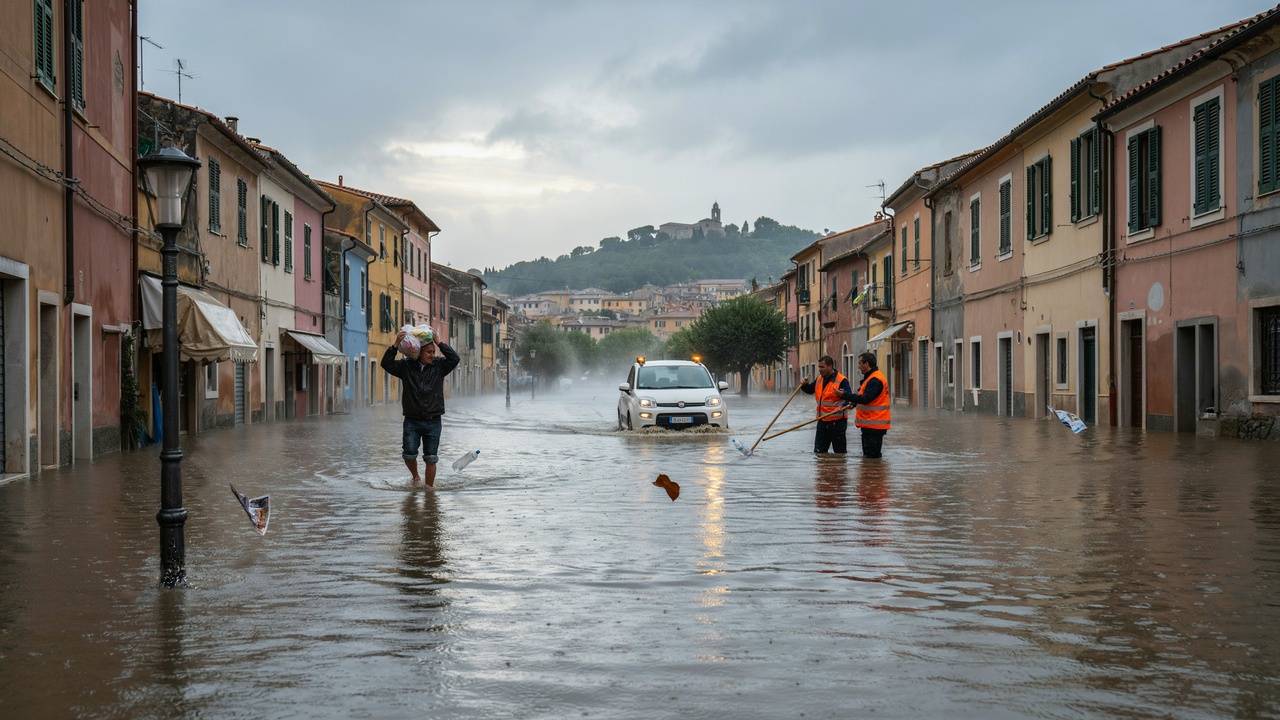
Image generated with Ai
Severe rainfall and flash flooding have disrupted parts of Spain and Greece, placing travellers on alert across two of Europe’s most popular Mediterranean destinations. The impacts are concentrated rather than nationwide: Catalonia in north-eastern Spain and Crete in Greece have faced the most significant confirmed disruption.
In Spain, emergency warnings have covered Barcelona and surrounding coastal and pre-coastal areas following torrential rainfall, flooding and transport problems. In Greece, severe weather has damaged infrastructure and agricultural areas across Crete, prompting the Greek government to deploy officials to assess affected communities.
Travellers should therefore avoid treating the situation as a general closure of Spain or Greece. Conditions can differ sharply between regions, and local warnings should determine individual travel decisions.
Where Are the Floods Affecting Spain?
The most serious current disruption has centred on Catalonia, particularly around Barcelona, Vallès Oriental and Maresme.
Advertisement
Advertisement
On 5 October, emergency alerts covered Barcelona and neighbouring counties as authorities warned of torrential rain and possible overflowing rivers and streams. Residents in affected locations were advised to avoid unnecessary journeys, stay away from flood-prone areas and move to upper floors if water entered buildings.
Vallès Oriental experienced particularly difficult conditions around Granollers, while Maresme also remained exposed to intense rainfall.
Advertisement
Advertisement
The episode followed exceptionally heavy weekend precipitation, increasing the risk because already saturated ground and waterways had less capacity to absorb additional rainfall.
For visitors, this means the greatest concern is not simply rain itself. Flash flooding can quickly affect roads, railway infrastructure, underpasses and low-lying streets.
Advertisement
Advertisement
Which Spanish Destinations Are Most Relevant to Travellers?
| Area | Current traveller concern |
|---|---|
| Barcelona | Heavy rainfall, flooding risk and transport disruption |
| Vallès Oriental | Serious flooding and overflowing-waterway risk |
| Granollers | Flooded streets and difficult local mobility |
| Maresme | Intense rainfall and flood risk |
| Baix Llobregat | Emergency weather alert |
| Garraf | Torrential-rain alert |
| Alt Penedès | Heavy-rain warning |
| Selva | Severe rainfall risk |
| Wider Catalonia | Conditions vary considerably by district |
Travellers should not automatically apply conditions in Catalonia to Madrid, Andalusia, the Canary Islands or every Mediterranean destination in Spain.
Spain is geographically large, and weather warnings are issued regionally.
How Has Barcelona Travel Been Affected?
Barcelona remains particularly important because it is one of Europe’s busiest city-break destinations and a major gateway to Catalonia.
Heavy rainfall affected transport across the region, with roads and railway services facing interruptions during the severe weather episode.
Advertisement
Advertisement
This matters even when central tourist attractions themselves remain accessible.
A traveller could potentially arrive at Barcelona airport successfully but encounter disruption when continuing by road or rail towards another part of Catalonia.
Likewise, accommodation may remain open while the route leading towards it experiences temporary restrictions.
Anyone travelling through Barcelona should therefore check conditions at several levels: flight status, airport transfer, local public transport and the final road or rail connection to the accommodation.
Is All of Spain Experiencing Dangerous Flooding?
No.
It would be misleading to describe the current situation as if the entire country were underwater or inaccessible.
Advertisement
Advertisement
Official forecasts demonstrate how conditions vary across Spain. For example, AEMET’s coastal forecast covering Valencia, Alicante and Murcia did not show the same blanket severe marine warning for 5–6 October, although local conditions and other weather warnings can change rapidly.
Similarly, AEMET’s Balearic coastal forecast showed no marine warnings valid through 6 October at the time checked.
This distinction is important for travellers.
A serious flood emergency in Catalonia does not automatically mean that holidays in Mallorca, Madrid, Seville, Málaga or the Canary Islands face identical conditions.
Where Has Greece Been Hit by Flooding?
In Greece, the major confirmed severe-weather impact has been on Crete.
The Greek government confirmed on 5 October that an expanded government delegation was on the island following severe weather. Officials from infrastructure and transport, climate crisis and civil protection, and agriculture were involved in assessing conditions with regional and municipal authorities.
Advertisement
Advertisement
Greece’s Ministry of Rural Development and Food separately confirmed that recent extreme rainfall caused destructive damage in Crete and that assessment teams were working in affected areas.
Flooding has affected roads, infrastructure and agricultural areas, making local conditions particularly important for travellers moving beyond major resort zones.
Which Parts of Crete Need Particular Attention?
Reports of significant damage have emerged from northern and inland areas of the island, including communities within Rethymno’s Mylopotamos municipality.
Crete’s geography can make severe rainfall particularly challenging.
Mountain terrain channels water downhill quickly. Roads can cross steep landscapes, while gorges, valleys and low-lying areas can become hazardous when intense rainfall develops.
This is important for visitors because many popular Cretan holidays involve far more than remaining at a resort.
Advertisement
Advertisement
Travellers frequently hire cars to explore villages, beaches, mountain roads, archaeological attractions and hiking areas.
After extreme rainfall, a destination may look normal around a hotel while roads farther inland remain damaged or inaccessible.
What Is the Situation Across Spain and Greece?
| Country | Main affected area | Key traveller issue |
|---|---|---|
| Spain | Catalonia | Flooding and transport disruption |
| Spain | Barcelona region | Heavy rain and local mobility problems |
| Spain | Vallès Oriental | Significant flash-flood risk |
| Spain | Maresme | Heavy rainfall and waterways |
| Greece | Crete | Flood damage and infrastructure impacts |
| Greece | Rethymno region | Local flood damage |
| Greece | Mylopotamos | Infrastructure and community impacts |
| Greece | Other islands/mainland | Check local forecasts separately |
The central message is therefore straightforward: local conditions matter more than country-level assumptions.
Is It Safe to Travel to Spain Right Now?
There is no single answer for the whole country.
Travellers heading specifically towards areas under emergency warnings in Catalonia should follow local authority instructions and avoid unnecessary journeys whenever authorities request this.
Visitors travelling elsewhere in Spain should check the weather forecast for their actual destination rather than assuming Catalonia’s conditions apply nationwide.
Advertisement
Advertisement
AEMET provides official weather alerts covering the Peninsula, Balearic Islands and Canary Islands. Its warning system should be checked close to departure because conditions can change within hours.
Travellers already in an affected location should never drive through floodwater.
Water depth can be extremely difficult to judge, particularly at night.
Is It Safe to Travel to Greece?
The same destination-specific approach applies.
The severe-weather response currently receiving significant government attention is concentrated in Crete.
Travellers visiting Crete should confirm road conditions and local access before travelling into flood-affected districts.
Advertisement
Advertisement
People planning outdoor activities should exercise particular caution around gorges, mountain roads, riverbeds and low-lying terrain after heavy rainfall.
Greek Civil Protection publishes guidance for storms and floods and operates the 112 emergency communications system.
Visitors elsewhere in Greece should monitor the Hellenic National Meteorological Service for destination-specific forecasts rather than assuming conditions on Crete automatically extend to Athens, Thessaloniki or every Greek island.
What Should Travellers Do Before Flying?
Before leaving home, check several separate pieces of information.
First, verify the flight directly with the airline.
Second, check the departure and arrival airports.
Advertisement
Advertisement
Third, investigate ground transport between the airport and accommodation.
Fourth, contact the accommodation if it lies within an affected district.
Finally, examine weather and civil-protection warnings shortly before departure.
This approach matters because flights can operate even when local roads experience disruption.
Conversely, a destination may have relatively normal local conditions while flights experience delays because aircraft or crews are affected elsewhere.
Weather disruption operates across interconnected transport networks.
Advertisement
Advertisement
Should Travellers Cancel Their Holiday?
Travellers should not cancel solely because they have seen images of flooding somewhere in Spain or Greece.
The correct decision depends on the exact destination, departure date, transport arrangements and official warnings.
A traveller heading towards an area under instructions to avoid non-essential movement faces a fundamentally different situation from someone visiting a region hundreds of kilometres away with no comparable warning.
Contact the airline, tour operator or accommodation provider before changing arrangements.
Travellers should also review their travel-insurance terms because coverage for cancellation, delay and weather disruption varies between policies.
What Should Visitors Do During a Flash Flood?
The safest response is to avoid floodwater entirely.
Advertisement
Advertisement
Greek Civil Protection advises people facing flood risks to avoid underground spaces, move towards higher ground when necessary and stay away from areas where water is flowing rapidly.
Travellers should never assume a familiar road remains safe simply because they crossed it earlier.
Flash floods can transform roads, streams and underpasses within minutes.
Drivers should turn around rather than attempt to cross standing or moving water.
Visitors should also keep phones charged, enable emergency notifications and follow instructions issued by local authorities.
Why Can Mediterranean Flooding Become Dangerous So Quickly?
Intense Mediterranean rainfall can deliver substantial quantities of water over a relatively small area within a short period.
Advertisement
Advertisement
Urban environments can amplify the impact because roads and paved surfaces prevent water from soaking into the ground efficiently.
Mountainous terrain creates another problem.
Water can descend rapidly into valleys, ravines and settlements below.
Both Catalonia and Crete contain combinations of urban development, mountains, coastal terrain and waterways. That means conditions can vary dramatically over relatively short distances.
A neighbourhood experiencing ordinary rain can sit surprisingly close to an area facing dangerous flash flooding.
Frequently Asked Questions
1. Where are the floods in Spain?
The most significant current disruption has been concentrated in Catalonia, including parts of Barcelona’s wider metropolitan and coastal areas, Vallès Oriental and Maresme.
Advertisement
Advertisement
2. Is Barcelona affected?
Yes. Emergency rainfall alerts have included Barcelona and surrounding counties, while transport has faced disruption.
3. Is all of Spain flooded?
No. Conditions differ significantly across the country. Travellers should check AEMET warnings for their specific destination.
4. Where are the floods in Greece?
The principal confirmed severe-weather impact is on Crete, where the Greek government has deployed officials to assess damage and coordinate the response.
5. Are Athens and every Greek island affected?
The evidence does not support describing all of Greece as facing the same flood conditions as Crete. Check official forecasts for the exact destination.
6. Should travellers avoid driving through floodwater?
Yes. Never deliberately drive through floodwater. Depth, road damage and water movement can be impossible to assess safely.
7. What is Greece’s emergency number?
The European emergency number 112 operates in Greece and forms part of the country’s emergency communications system.
Advertisement
Advertisement
8. Can weather conditions change after booking?
Yes. Severe-weather warnings can change rapidly, making checks immediately before travel more useful than relying solely on information viewed several days earlier.
Spain and Greece Remain Open, but Destination-Level Checks Are Essential
The flooding affecting Catalonia and Crete is serious, but travellers should resist treating it as a uniform crisis across Spain and Greece.
Barcelona’s wider region, Vallès Oriental and Maresme have experienced emergency warnings and significant mobility problems. Crete has suffered severe-weather damage serious enough for the Greek government to deploy an expanded team to assess affected areas.
For travellers, precision matters.
Check the exact town, island or region. Confirm flights separately from roads and trains. Follow emergency instructions immediately. Avoid floodwater. Recheck conditions close to departure.
Mediterranean holidays can continue outside affected areas, but anyone travelling into Catalonia or Crete should make current official weather and civil-protection information part of their journey planning.
Advertisement
