
Ohio Unearths a Hidden America of Ancient Mounds, Wild Gorges and Quiet River Towns

Published
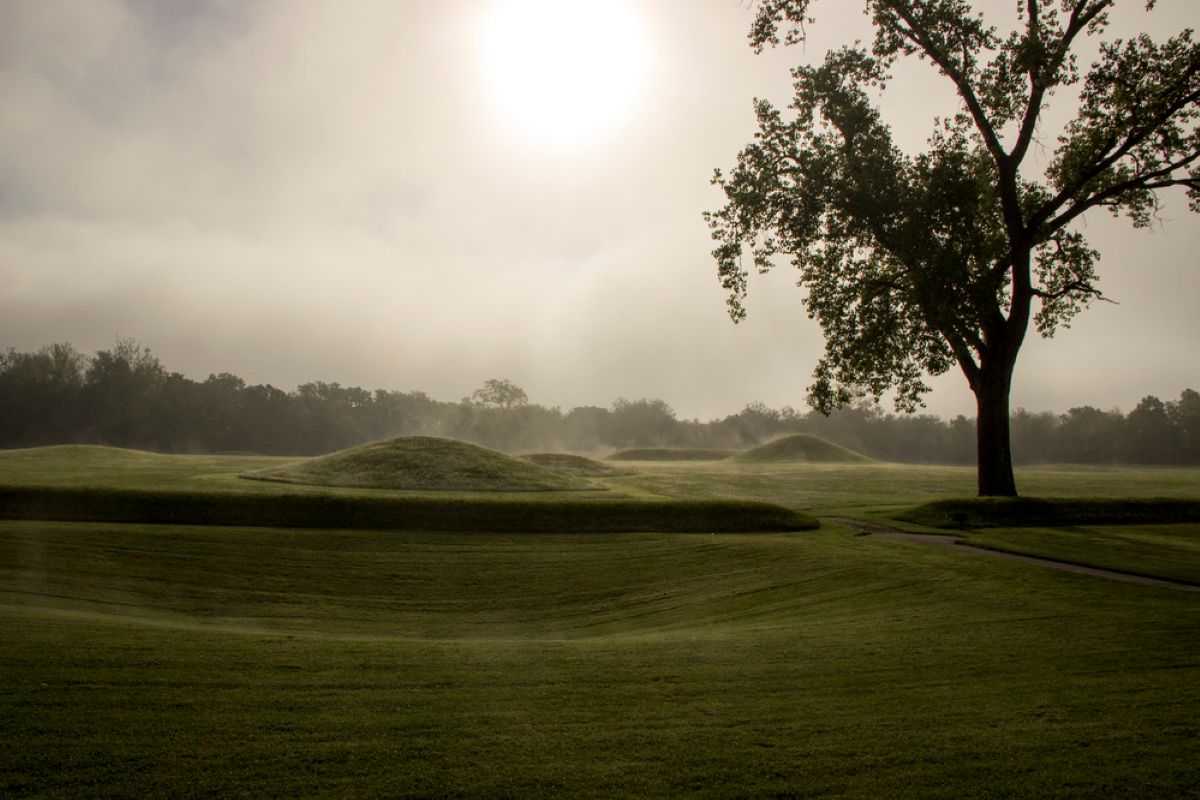
Image generated with Ai
Image Credit: National Park Service
Ohio is often seen as a place to pass through. Many travellers drive between big cities and miss its most remarkable corners. Yet beyond the busy roads, Ohio holds a quieter world. It has ancient earthworks, deep forests, peaceful river towns, small historic villages and trails that still feel untouched. This is the Ohio for travellers who want more than famous sights. It is a journey into the state’s hidden heart.
Advertisement
Advertisement
Chillicothe Opens the Door to Ancient Ohio
Chillicothe is the best place to begin. It sits in south-central Ohio, about an hour from Columbus. The town may look modest, but its land tells a huge story. Here, travellers can visit Hopewell Culture National Historical Park, a World Heritage landscape shaped by Indigenous communities many centuries ago.
The park has large earthworks and burial mounds. These are not random hills. They were carefully planned places for ceremonies, gatherings and remembrance. The shapes, spaces and views show great skill and deep knowledge. Visitors can walk slowly through the open landscape and imagine how important these places were long before modern Ohio existed.
The Mound City Group is a good first stop. It has a visitor centre and easy paths. The wider park also includes Hopeton Earthworks and Hopewell Mound Group. These places feel calm and wide open. They offer a powerful contrast to crowded city attractions. Chillicothe proves that some of America’s most important stories are found in quiet places.
Fort Hill Brings Together Nature and History
From Chillicothe, travellers can move towards Bainbridge and Highland County. The roads become greener and hillier. This part of Ohio feels closer to the Appalachian foothills than to a flat Midwestern landscape.
Fort Hill Earthworks is one of the strongest hidden stops on the route. It has forest paths, steep slopes, old stone shelters and ancient hilltop walls. The earthworks sit high above the surrounding land. They show how people once used the natural shape of the hills to create protected places.
The walk here is not just about exercise. It helps visitors see how nature and history meet. Tall trees cover the land. Small streams move through the valleys. In autumn, the leaves turn gold, red and orange. In spring, wildflowers brighten the forest floor. Fort Hill is ideal for travellers who want a quiet hike with a meaningful story behind it.
Advertisement
Advertisement
Adams County Offers a Wilder Side of Ohio
Further south-west, Adams County reveals one of Ohio’s least explored landscapes. It is rural, peaceful and full of narrow country roads. This is where the journey becomes more adventurous.
Quiverheart Gorge near Peebles is a beautiful example. The preserve has woodland paths, rock shelters, a waterfall and cedar-covered slopes. It feels hidden because it is. The area does not offer the crowds, shops or heavy traffic found at popular nature spots. Instead, visitors hear running water, birds and wind moving through the trees.
Travellers should stay on marked paths. The plants and habitats here are fragile. The same care is needed across Ohio’s protected lands. The joy of these places comes from leaving them exactly as they are.
Peebles also gives easy access to Serpent Mound. This ancient earthwork is shaped like a giant snake. It is one of the most unusual landmarks in the United States. Its true purpose is still debated. That mystery is part of its power. It invites visitors to look closer and think about the people who made it.
Portsmouth Brings the Ohio River to Life
The route then reaches Portsmouth, beside the Ohio River. This city has a strong working history. It grew through river trade, factories and rail links. Today, its riverfront gives travellers a slower and more reflective stop.
Portsmouth is known for its large murals, which tell stories of the city and the wider region. The Ohio River itself is the main attraction. It carries a sense of movement and history. Watching the water at sunset can be one of the simplest and best moments of the trip.
Nearby Rock Run Preserve offers another escape into nature. Its paths lead down from a ridge into woodland. The road noise fades quickly. In spring, the forest becomes bright with flowers. In autumn, the trees create a rich cover of colour. This is the kind of place that rewards patience. It is not built for rushing.
Advertisement
Advertisement
Hocking Hills Has Quiet Corners Beyond the Crowds
Hocking Hills is already famous, but travellers can still find calmer places around its edges. Many visitors head straight to the best-known waterfalls and caves. A better choice is to explore the wider Logan area and smaller protected lands nearby.
Resilience Preserve is one such place. It has meadows, ridges and different types of forest. The trails feel more open and less staged. It is a good answer for travellers who want the natural beauty of Hocking Hills without the busiest paths.
This area is especially good for a cabin stay. A simple wooden cabin, an early morning walk and a quiet evening under the trees can become the real luxury of an Ohio trip. The region shows that travel does not always need bright lights or famous names to feel special.
New Philadelphia and Zoar Keep Ohio’s Past Alive
North-east of Hocking Hills, New Philadelphia and Zoar offer a different kind of discovery. Schoenbrunn Village near New Philadelphia tells the story of a Moravian mission settlement founded in 1772. Visitors can see reconstructed log buildings, gardens, a church and the original cemetery.
The site helps explain an important and difficult period in Ohio’s past. It reflects the lives of Delaware people, missionaries and settlers during a time of growing conflict. The village was later abandoned as pressure increased around the Revolutionary War. Its story is short, but it is not small.
Nearby Zoar Village adds another layer of history. It was created by a religious community from Germany in the nineteenth century. Its preserved buildings and quiet streets make it a gentle place to explore.
Ohio’s hidden places do not shout for attention. They wait for travellers who are ready to slow down. From ancient earthworks to river valleys, the state offers a rich journey shaped by nature, memory and surprise.
Ohio rewards travellers who look beyond its largest cities and busiest attractions. Its hidden corners offer ancient earthworks, wooded gorges, peaceful rivers and villages shaped by powerful stories. Chillicothe, Peebles, Portsmouth, Bainbridge and New Philadelphia reveal a slower, richer side of the state. Each stop brings a different experience, from quiet walks beneath tall trees to moments of reflection beside sacred landscapes. This route is not about rushing from one landmark to another. It is about seeing Ohio with fresh eyes. For curious travellers, the state offers history, nature and genuine surprise in places many visitors still leave undiscovered today.
Advertisement
