

Costa Rica Luxury Travel Redefines Rainforest Wellness and Exclusive Pacific Coast Escapes

Published
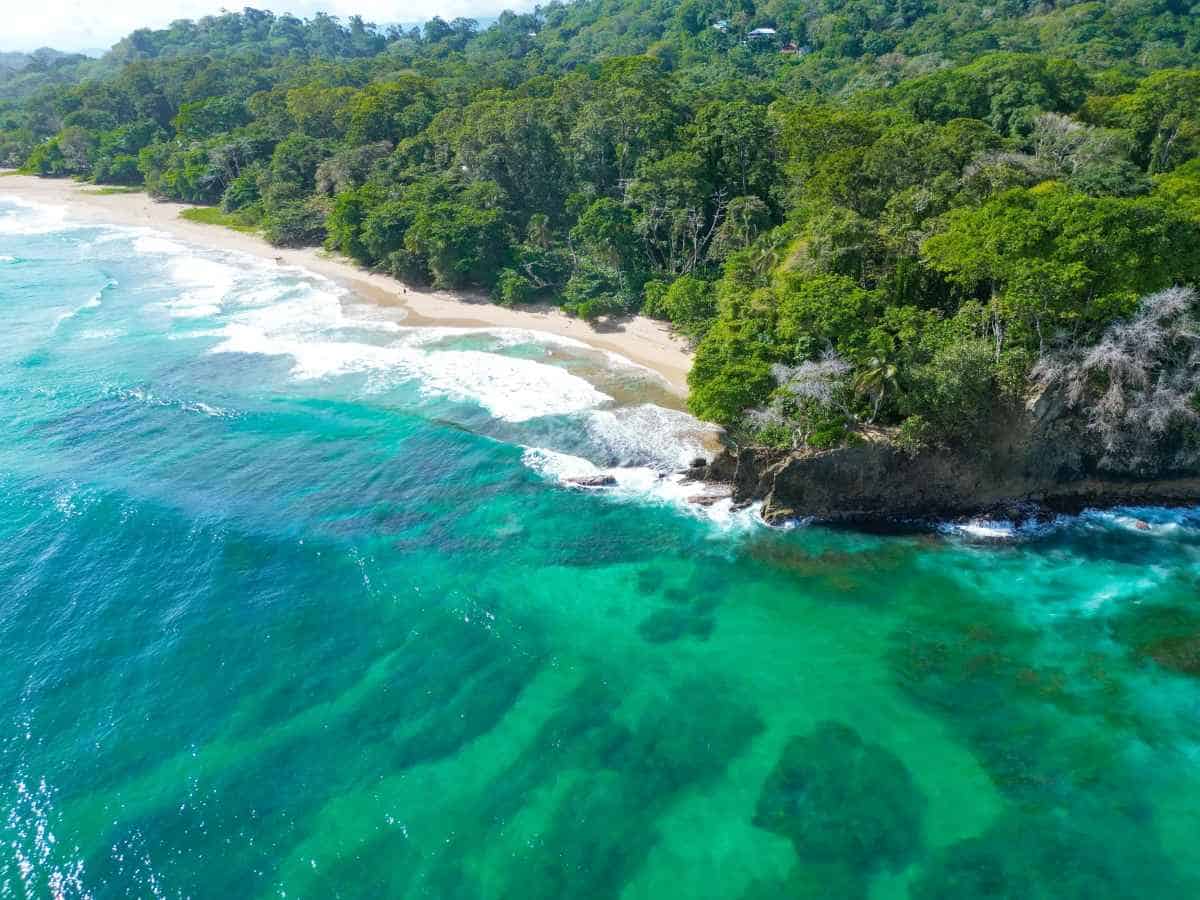
In Costa Rica, a luxury tourism product is developing due to hospitality that is environmentally friendly, exclusive flights and activities that let tourists come close to rainforest and ocean landscapes. Luxury tourism in Costa Rica involves such regions as the Papagayo Peninsula on the Pacific Coast and the Osa Peninsula. The elements of conservation, wellness, and closeness to nature are typical for this kind of luxury tourism. Being in Costa Rica is becoming increasingly important for rich people. Private villas, botanical treatments, nature adventures, and activities on the water provide a unique alternative to usual hotel vacations. The aviation sector of the luxury tourism industry in Costa Rica is developing, too. The international airport Juan Santamaría in San José has an exclusive flight terminal, and the construction of the aircraft hangar is scheduled for September 2026. But carbon-negative guest agreements and airport-to-private-airstrip charter services were not confirmed by independent sources.
Papagayo Brings Regenerative Luxury Into Focus
The Papagayo Peninsula in Guanacaste has become one of Costa Rica’s most prominent luxury resort destinations. Its combination of tropical dry forest, Pacific beaches, private residences and high-end hospitality has attracted international brands and significant investment.
Advertisement
Advertisement
Among its leading properties is Nekajui, a Ritz-Carlton Reserve, which opened in 2025. The resort combines elevated accommodation, wellness facilities and nature-based experiences within the peninsula’s landscape.
Four Seasons Resort Peninsula Papagayo is also preparing a series of enhancements for late 2026, including ten new one-bedroom suites, a refreshed presidential suite and a redesigned restaurant.
Advertisement
Advertisement
The peninsula’s 2025 impact report records 1,038 species, 11 wildlife corridors and six green bridges, alongside 11,000 coral fragments growing in place as part of reef restoration work. These initiatives illustrate how conservation is being integrated into the destination’s development model.
The region is not yet operating under a universal carbon-negative guest pledge. Its sustainability programme instead focuses on measuring environmental impacts, reducing emissions, conservation and community investment.
Advertisement
Advertisement
Osa Peninsula Offers a More Immersive Rainforest Escape
The Osa Peninsula, in southern Costa Rica, offers a different luxury proposition. Its rainforests, remote beaches and exceptional biodiversity attract visitors seeking a quieter experience away from the country’s established resort corridors.
Properties such as Lapa Rios Lodge combine high-end accommodation with guided rainforest experiences and conservation awareness.
The region’s luxury appeal is closely connected to its natural setting. Guests can explore forest trails, observe wildlife, arrange guided birdwatching and experience the Pacific coastline through locally guided excursions.
Smaller properties also demonstrate how regenerative hospitality can operate in practice. Osa Clandestina, for example, describes its approach through off-grid solar energy, native planting, local food production and community conservation partnerships.
For visitors, this style of travel offers more than a conventional wellness break. It creates opportunities to understand the relationship between food, energy, biodiversity and the surrounding communities.
Botanical Wellness and Ocean Experiences Shape the Guest Journey
Costa Rica’s luxury wellness offer draws heavily on its tropical environment. Private spa treatments, botanical ingredients, outdoor relaxation and guided nature activities can form part of a tailored stay.
Advertisement
Advertisement
The idea of hyper-personalised rainforest botanical remedies is best understood as a developing luxury concept rather than a confirmed national standard. Individual resorts may offer locally inspired treatments, but guests should check the ingredients, practitioners and treatment details directly.
Ocean wellness is another area of interest. Freediving, breathwork and guided marine activities can be arranged through specialist operators, subject to training, weather and safety requirements.
On the Pacific coast, these experiences allow visitors to combine physical wellbeing with time in the natural environment. The strongest programmes are those led by qualified practitioners and designed around local ecological conditions.
San José’s Private Aviation Infrastructure Expands
Juan Santamaría International Airport is Costa Rica’s principal international gateway. Its general aviation terminal, GAT-SJO, provides private aircraft passengers with dedicated facilities, including on-site customs, immigration and quarantine services, covered access from aircraft to the terminal and separation from commercial passenger flows.
A further development was announced on 16 September 2026, when Universal Aviation Costa Rica confirmed access to an approximately 10,000-square-foot hangar for general aviation use at the airport. The facility can accommodate a midsize business aircraft alongside a smaller aircraft, depending on dimensions and configuration.
This adds capacity for private aircraft parking and handling, although it is not confirmation of a new airport terminal or a dedicated helicopter-to-lodge transfer system.
Advertisement
Advertisement
For luxury travellers heading to the southern Pacific, private charter flights can provide access to regional airstrips closer to destinations such as the Osa Peninsula. Operators must coordinate aircraft type, landing permissions, weather and onward ground transfers.
Luxury Travel Balances Privacy With Conservation
The high-end tourism segment of Costa Rica has come to be influenced more than ever before by the need to conserve the country’s natural resources that draw tourists. Papagayo’s efforts towards conserving the environment, Osa Peninsula’s biodiversity, and the development of environmentally conscious accommodations are examples of how luxury and environmental protection can coexist in this country. To travellers, the value proposition of this destination lies in the blend of comfort, personal service, and exposure to unique environments. A visit to the rainforests, a carefully crafted visit to the oceans, or a charter flight to a remote beach resort provides a more personalised travel experience for the visitor. This country’s next wave of luxury does not depend on a specific new establishment or mandatory commitment.
Advertisement
