

Timor-Leste Opens A New Chapter In Luxury Marine Expeditions

Published
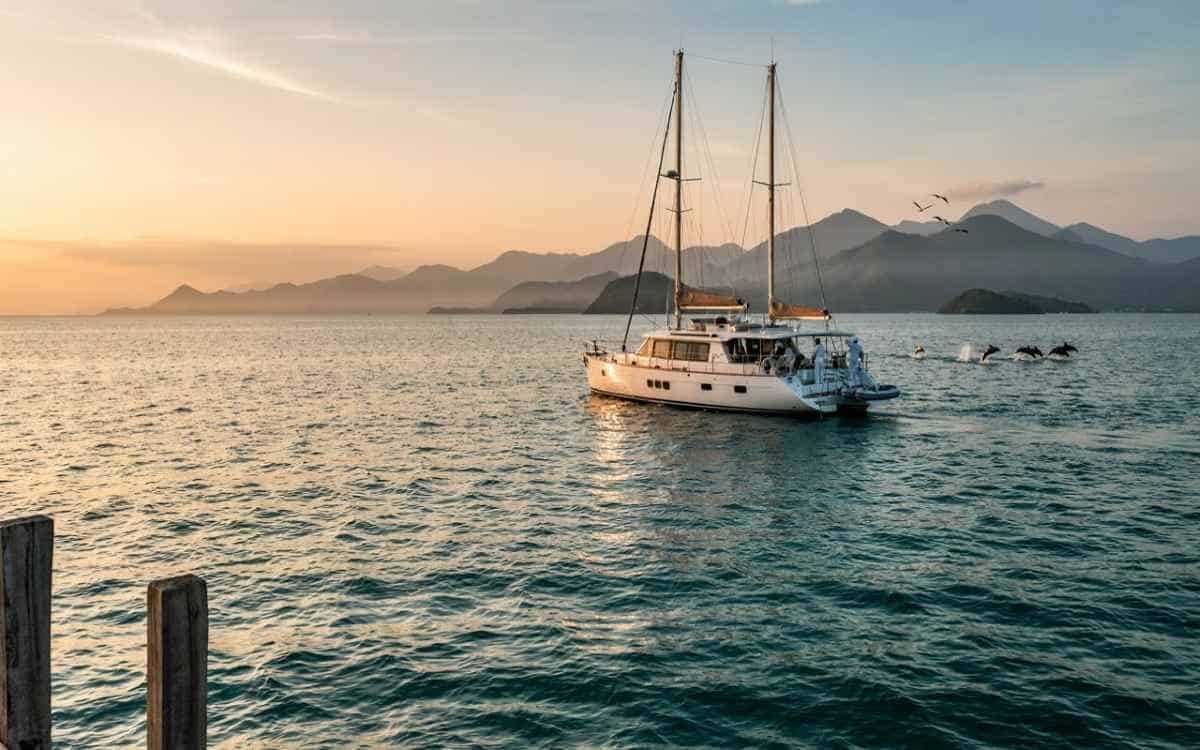
Timor-Leste, Atauro Island and Jaco Island have received their share of newfound attention in light of the country’s growing popularity as a destination among the emerging markets of adventure and marine tourism. The latest tourism developments are more geared toward reef and island tourism in Timor-Leste, apart from other experiences that the country has to offer through expedition tourism, allowing tourists the chance to experience unique and faraway destinations. This development is rather opportune, especially in view of the fact that Timor-Leste was recently admitted as an eleventh member-state of ASEAN back in October 2025, while the tourism board of Timor-Leste continued to market the country as an ideal destination for nature, culture and community experiences. Atauro Island has also recently joined the ranks of the PEMSEA Network of Local Governments, which is a network advocating for sustainable local coastal communities and the blue economy. The particular ultra-exclusive superyacht charter program of September 2026 was not mentioned in the latest tourist developments of Timor-Leste.
Atauro Is The Marine Centrepiece
Located around 36 kilometres north of Dili, Atauro Island is one of Timor-Leste’s most distinctive marine destinations.
Its reefs are internationally recognised for exceptional biodiversity. Timor-Leste’s official tourism authority describes Atauro as having the highest diversity of reef fish and coral species anywhere on Earth, while a single survey site recorded 253 reef-fish species in 2016.
For luxury expedition travellers, the attraction is less about traditional beach-resort infrastructure and more about direct access to the water.
Advertisement
Advertisement
Snorkelling, diving, reef exploration and encounters with local communities can form the central elements of a stay. Existing operators already provide private boat and charter options between Dili and Atauro, while scheduled ferry services provide a more conventional route to the island.
Jaco Island Offers A Completely Different Experience
At Timor-Leste’s eastern end, Jaco Island provides an even more secluded experience.
Advertisement
Advertisement
The small island sits within Nino Konis Santana National Park and is regarded as sacred by local communities. Overnight stays and permanent development are not permitted, meaning visitors arrive for daytime experiences and leave the island afterwards.
Its surrounding waters form part of the Coral Triangle, making the island particularly relevant to snorkelling and marine-focused itineraries.
Advertisement
Advertisement
For an expedition vessel, Jaco is therefore less about luxury infrastructure and more about reaching a protected landscape where the absence of hotels and permanent tourism development is itself part of the experience.
The Ombai-Wetar Waters Add A Wildlife Dimension
The waters around Atauro are also important to marine wildlife.
The island sits between the deep Ombai and Wetar straits, creating a striking setting for ocean-based exploration. Local tourism information notes that whale and dolphin sightings are possible throughout the year, with migration periods providing additional opportunities for wildlife encounters.
This marine setting gives expedition operators the opportunity to combine diving and snorkelling with wildlife observation, rather than building itineraries around a single activity.
Advertisement
Advertisement
For experienced travellers, that can create a more varied day at sea, moving from reef exploration in shallow water to open-ocean observation further offshore.
Dili Becomes The Gateway
Dili remains the natural starting point for travellers heading towards Atauro and other coastal destinations.
The capital provides the country’s main international gateway and a practical base for arranging transfers, accommodation and excursions before heading offshore. Current expedition itineraries already operate from Dili, including multi-day journeys combining Atauro with hiking, cultural encounters and other experiences.
The country’s tourism infrastructure remains comparatively small, however, which means travellers should expect a different rhythm from established luxury destinations in Southeast Asia.
Boat schedules can change, weather can influence sea crossings and services on remote islands are limited. Careful planning is therefore essential.
Sustainability Is Central To The Experience
Atauro’s tourism development is increasingly connected with community participation and environmental protection.
Advertisement
Advertisement
Local initiatives include marine-debris collection, recycling projects and community homestays, while existing accommodation promotes low-impact practices and local engagement.
That context is particularly relevant for high-end marine expeditions. In a destination where the natural environment is the primary attraction, responsible diving, careful anchoring, waste management and respect for local customs become essential elements of the journey.
A Remote Alternative For Experienced Travellers
The attractions that can be found in Timor-Leste are in its isolation, biodiversity in terms of marine life, as well as its culture. With Atauro Island, tourists can explore both its reefs and villages near Dili, whereas on Jaco, there is an opportunity to explore the protected and sacred island landscape at the eastern corner of the country. Combined with the Ombai-Wetar region waters, they provide the basis for an expedition-based form of tourism. Being a newly admitted member of ASEAN, this is how Timor-Leste will promote itself as a nature-oriented tourist destination.
Advertisement
