

Georgia Advances with Texas as Landmark Hubs Strengthen Americas Flight Future

Published
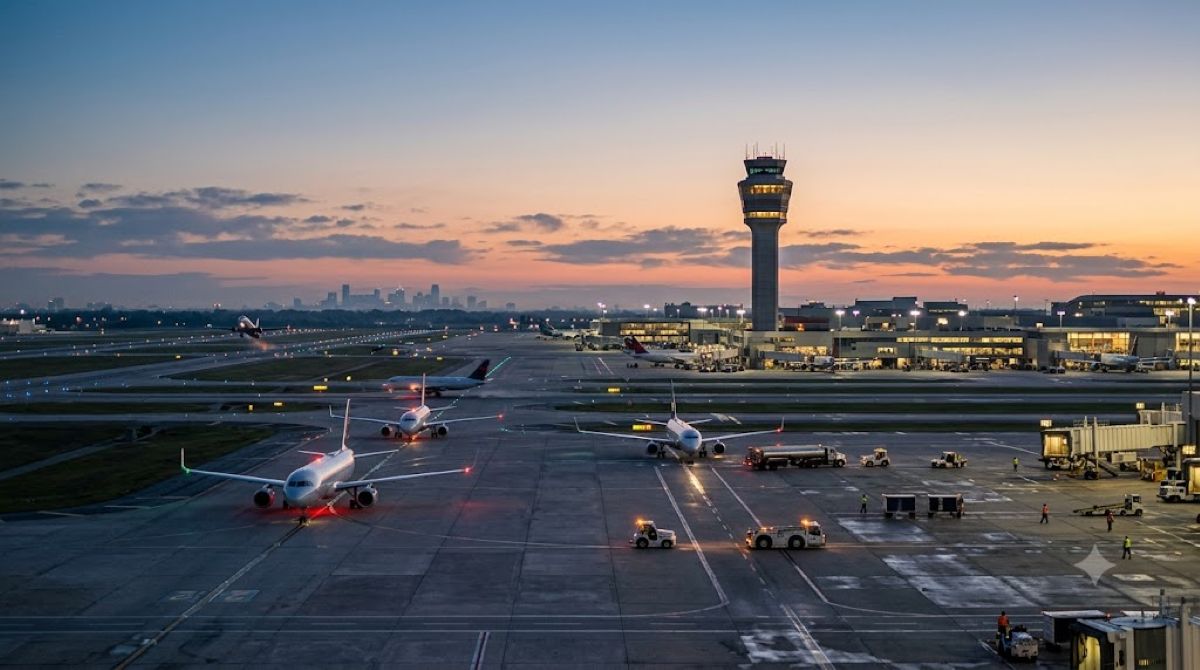
Georgia advances with Texas as landmark hubs strengthen Americas flight future. Atlanta and Dallas stand at the centre of a changing aviation picture. Their airports move vast numbers of passengers, freight and connecting flights every day. Yet their influence reaches beyond their own terminals. They link businesses, holidaymakers, families and global markets across the United States and the wider Americas. Moreover, both states face difficult operational conditions. Thunderstorms, heat, crowded runways and fast-moving schedules can test even the best prepared airport. Therefore, airlines, controllers and ground teams work together from early morning to late night. They use live weather data, careful flight sequencing and strong safety procedures to keep journeys moving. This shared effort makes connections more reliable and reduces the effect of disruption. As demand grows, Georgia and Texas show how large aviation gateways can combine scale with responsibility, strengthen regional travel and build a confident future for air passengers.
One National System Protects Every State
The Federal Aviation Administration, known as the FAA, sets aviation safety rules across the United States. It regulates airlines, pilots, aircraft, airports and air traffic services. This means a scheduled flight in Texas, California, Maine or Hawaii operates under the same national safety standards.
The FAA manages a vast National Airspace System. It provides air traffic services to more than 45,000 flights each day. Controllers guide aircraft from take-off to landing. They keep planes apart, direct them around storms and help pilots respond to changing conditions.
The United States also has an independent accident investigator. The National Transportation Safety Board investigates civil aviation accidents and serious incidents. It looks for the cause. It then gives safety recommendations. This helps airlines, airports and regulators learn from every event.
Busy States Face the Toughest Pressure
Some states handle far more aircraft than others. New York, New Jersey, Illinois, Georgia, Texas and California have major global hubs. Their airports connect travellers to Europe, Asia, Latin America, the Middle East and destinations across America.
New York and New Jersey have some of the busiest airspace in the country. Airports such as John F Kennedy, Newark Liberty and LaGuardia operate close to one another. Bad weather in this area can quickly affect flights across the nation. Air traffic managers use careful planning to protect safety and reduce delays.
Illinois faces similar pressure around Chicago. Texas operates several huge aviation centres, including Dallas Fort Worth and Houston. Georgia has Atlanta, one of the world’s leading airline hubs. California has major airports in Los Angeles, San Francisco, San Diego and the Bay Area. These states face crowding, but they also have strong airport systems, advanced control centres and experienced airline teams.
Weather Changes the Story in Every Region
Weather is one of the biggest challenges in American aviation. It can slow a journey, change a route or delay a take-off. Safety teams monitor weather all day and night.
Florida, Louisiana, Texas, Alabama, Mississippi, Georgia and the Carolinas can face hurricanes and strong thunderstorms. Airlines may cancel flights early when a storm approaches. This can frustrate travellers, but it helps keep aircraft and airport workers safe.
Northern states face a different problem. Minnesota, Wisconsin, Michigan, North Dakota, South Dakota, Maine, Vermont and New Hampshire deal with snow, ice, fog and freezing temperatures. Airports use snow-clearing teams, de-icing equipment and winter operating plans. Pilots receive weather information before and during flights.
California, Oregon and Washington often face low cloud, coastal fog and wildfire smoke. Arizona, Nevada and New Mexico can face heat, dust and powerful winds. In extreme heat, aircraft may need longer runways for safe take-off. Airlines plan carefully around these conditions.
Advertisement
Advertisement
Mountains and Remote Areas Need Extra Care
Mountain states demand special skill. Colorado, Utah, Wyoming, Montana, Idaho and parts of New Mexico and California have high ground, narrow valleys and sudden weather changes. Strong winds can create turbulence near mountains. Clouds can hide terrain. Snow and ice can affect smaller airports.
Alaska is the clearest example of demanding airspace. It has vast distances, Arctic weather, mountain routes and many remote communities that depend on aviation. Airlines and pilots need detailed planning. They must consider fuel, alternates, weather and communication limits. Alaska’s conditions are difficult, but they are managed by trained crews and specialised aviation services.
Hawaii also needs careful planning. Flights cross long stretches of ocean. Airlines must plan diversion airports and watch tropical weather. Volcanic activity can also affect operations when ash enters the air.
Runway Safety Is a Major Focus
Safety does not end in the sky. It matters on the runway too. The FAA watches airports for runway incursions. These are events where an aircraft, vehicle or person is in the wrong protected area of a runway.
The FAA works with airports to change confusing taxiway layouts, improve signs and use better technology. Its Runway Incursion Mitigation programme focuses on specific airport locations where extra action is needed. The agency has also introduced new tools to help controllers see occupied or closed runways more clearly.
This work is important in both large and small states. A smaller airport may have less traffic, but it can still face fog, snow, wildlife, limited runway space or unfamiliar visiting pilots.
Advertisement
Advertisement
Staffing and Technology Shape the Future
The United States is investing in more air traffic controllers and modern technology. The FAA has recognised the need to strengthen its controller workforce. It is increasing recruitment, training and planning for future traffic growth.
Modern digital tools help controllers and airlines share information about weather, traffic, runway conditions and available routes. New systems can reduce pressure on busy airports and help flights avoid dangerous weather.
The Real Meaning of Safer Airspace
No state can promise perfect flying conditions. Storms, fog, wind, technical problems and crowded airports can affect any journey. Yet the United States has strong layers of protection. Federal rules, trained crews, air traffic controllers, airport teams, weather experts and independent investigators all work together.
For travellers, the key message is simple. A delay or route change often shows that the system is putting safety first. From Alaska’s remote skies to Florida’s stormy coast and New York’s crowded airspace, American aviation works hard to make every flight safer.
Georgia
Georgia holds a major place in world aviation because Atlanta is home to one of the busiest airline hubs on the planet. Hartsfield-Jackson Atlanta International Airport connects travellers between cities across the United States and destinations worldwide. Many passengers do not begin or end their trips in Georgia. They change planes there because Atlanta’s hub system links hundreds of routes. This makes the airport highly important for the wider national network. Georgia’s main operational challenge is summer weather. Thunderstorms, lightning, heavy rain and heat can affect take-offs, landings and ground work. High passenger demand also creates pressure during holidays and peak travel periods. FAA controllers carefully sequence aircraft, while airlines plan connecting flights and use weather information to reduce disruption. Georgia is important because Atlanta demonstrates how a major hub can handle enormous traffic volumes while keeping safety, runway management and weather awareness at the centre of every operation.
Texas
Texas is one of the biggest aviation states in America. It has powerful airport hubs in Dallas Fort Worth and Houston, alongside fast-growing passenger markets in Austin and San Antonio. Dallas Fort Worth International Airport is a major connecting centre for domestic and international travellers. Houston is especially important for links with Latin America, Europe and energy-industry destinations. Texas faces many operating conditions. The state can experience extreme heat, thunderstorms, strong winds and, near the Gulf Coast, hurricane disruption. Its size also means aircraft may travel long distances within the state itself. Airlines and airport teams use careful planning to handle high demand and severe weather. Controllers manage large volumes of connecting flights, while airlines make route changes when storms develop. Texas is a key example of how America’s aviation system handles both scale and variety. It combines global gateways, domestic links, cargo movement and weather resilience in one vast travel market.
New York
New York is one of the most important aviation states in the United States because it serves global business, tourism, finance and international travel. John F Kennedy International Airport and LaGuardia Airport handle huge numbers of domestic and overseas flights. The state’s skies are especially busy because aircraft also operate close to Newark Liberty in neighbouring New Jersey. This creates a tightly managed airspace system. Air traffic controllers must carefully sequence departures, arrivals and aircraft crossing the region. Weather can make this harder. Snow, strong wind, fog and summer thunderstorms may slow operations and cause wider delays across America. The Federal Aviation Administration uses traffic-flow planning, route changes and runway safety procedures to keep aircraft separated. New York is not important because flying is riskier there. It is important because the state shows how advanced planning, skilled controllers and major airport teams manage some of the world’s most crowded skies.
New Jersey
New Jersey is a central part of the United States aviation story because Newark Liberty International Airport is one of the country’s major gateways. It connects travellers with Europe, Asia, Latin America, Canada and cities across America. Newark operates within the same highly busy regional airspace as New York’s JFK and LaGuardia airports. This means every flight must fit into a carefully controlled flow of arrivals and departures. Controllers must consider traffic from several airports at once. Strong winds, thunderstorms, snow and low cloud can add pressure. Even a small disruption can affect flights far beyond New Jersey. The state therefore highlights the value of precise air traffic management, airport coordination and airline planning. Federal safety rules apply throughout the state, while airport teams work on runway safety, ground movement and weather response. Newark’s importance comes from its global reach and its role in managing one of America’s most complex aviation regions.
Advertisement
Advertisement
California
California is one of America’s most significant aviation states because it has several major airports rather than one single dominant hub. Los Angeles, San Francisco, San Diego, Oakland, San Jose and Sacramento serve huge passenger, cargo and tourism markets. Los Angeles International Airport is a leading global gateway, connecting the United States with Asia, Europe, Latin America and the Pacific. California’s aviation challenge comes from both traffic and nature. Coastal fog can reduce visibility around San Francisco and Los Angeles. Wildfire smoke can change routes and affect airport operations. Mountain terrain, strong winds and busy airspace add further complexity. Airports and airlines use detailed weather forecasts, flight planning and runway safety systems to manage these conditions. California’s story is not simply about high flight numbers. It is about how a large, varied state uses advanced aviation planning to connect global travellers while responding to fog, fires, congestion and changing weather.
Florida
Florida is a leading tourism aviation state and one of the most important air travel markets in the world. Miami, Orlando, Tampa, Fort Lauderdale and Jacksonville connect millions of holidaymakers, cruise passengers, business travellers and visiting families. Miami is a major international gateway to Latin America and the Caribbean. Orlando handles huge tourism traffic linked to theme parks and holidays. Florida’s main challenge is weather. Hurricanes, tropical storms, heavy rain, lightning and summer thunderstorms can affect airport and airline operations. Airlines often cancel or adjust flights before a major storm arrives. This may create disruption, but it helps protect passengers, workers and aircraft. Florida also faces high seasonal demand during school holidays, winter sun travel and cruise departures. Its airports use strong weather planning, runway checks and emergency procedures. Florida shows why safe airspace operations depend on early decisions, clear passenger communication and constant weather monitoring.
Illinois
Illinois matters greatly to American aviation because Chicago is one of the country’s biggest and most connected air travel centres. Chicago O’Hare International Airport links travellers with destinations across the United States, Europe, Asia and the wider world. Chicago Midway adds important domestic services. O’Hare handles vast passenger and cargo volumes, which makes air traffic planning especially important. The state also faces difficult weather. Snow, ice, fog, thunderstorms and strong winds can affect flights at different times of year. Winter can bring runway clearing and aircraft de-icing needs. Summer storms can require aircraft to wait, reroute or arrive later. Airport staff, airlines and FAA controllers work together to manage these changes. Illinois shows how a busy hub can remain dependable through planning and technology. It is a key state because disruption in Chicago can affect connecting passengers and aircraft schedules across the entire United States.
Alaska
Alaska has one of the most distinctive and demanding aviation environments in the United States. Aircraft are essential because many communities are far from major roads and railways. Airlines, air taxis and cargo operators carry people, food, medicine and supplies across long distances. Alaska’s skies include mountains, glaciers, Arctic conditions, remote airfields and large stretches of sparsely populated land. Winter can bring snow, freezing fog, ice, high winds and whiteout conditions. Pilots must plan fuel, weather, alternates and communication needs with exceptional care. The state also plays an important role in Pacific and Arctic aviation routes. Anchorage is a major cargo stop between North America and Asia. Alaska’s importance is not based on airport congestion alone. It comes from the need for aviation to serve daily life. The state shows how specialist training, careful weather analysis and strong safety discipline support flying in difficult natural conditions.
Colorado
Colorado is a vital US aviation state because Denver International Airport is one of the country’s leading hubs. It connects travellers across North America, Europe, Asia and mountain tourism destinations. Denver’s location makes it a useful connecting point between eastern and western America. Yet Colorado’s airspace also presents special challenges. Airports operate at high elevation, where thinner air can affect aircraft performance. Snow, ice, strong winds, thunderstorms and mountain-wave turbulence can change flying conditions quickly. Nearby mountain terrain requires careful route planning, especially for smaller airports and regional services. Winter tourism can also increase demand for flights into Colorado. Airlines use experienced crews, detailed weather data and alternate-airport planning to manage operations. Colorado is important because it combines one of America’s largest hubs with serious mountain and weather factors. It shows how modern aviation adapts when altitude, terrain and changing conditions meet heavy passenger demand.
Hawaii
Hawaii is one of America’s most important aviation states because air travel is the main link between the islands and the rest of the world. Honolulu, Kahului, Kona and Lihue serve residents, holidaymakers, cargo operators and inter-island travellers. Every long-haul flight to Hawaii crosses large areas of ocean. This requires careful planning for fuel, weather, diversion airports and emergency procedures. The state also faces tropical rain, strong trade winds, changing cloud and occasional volcanic ash concerns. Inter-island routes need frequent and reliable services because people travel for work, healthcare, education and family reasons. Tourism adds major seasonal demand. Airlines and air traffic teams closely monitor Pacific weather and airport conditions before every flight. Hawaii is important because it brings together oceanic aviation, island connections and global tourism. It shows how strong operational planning helps keep long-distance flights safe, reliable and connected.
| State | Key Airports and Aviation Role | Why It Matters |
|---|---|---|
| New York | JFK, LaGuardia | Major global finance, tourism and international travel gateway |
| New Jersey | Newark Liberty | Essential international gateway within the New York aviation region |
| California | Los Angeles, San Francisco, San Diego, Oakland, San Jose | Largest multi-airport aviation market, with major Pacific and global links |
| Texas | Dallas Fort Worth, Houston, Austin, San Antonio | Huge domestic and international market, including Latin America links |
| Florida | Miami, Orlando, Tampa, Fort Lauderdale | Global tourism, cruise and Caribbean-Latin America gateway |
| Illinois | Chicago O’Hare, Chicago Midway | Central US connecting hub for passengers and cargo |
| Georgia | Hartsfield-Jackson Atlanta | One of the world’s largest airline hubs and a key US connecting point |
| Alaska | Anchorage, Fairbanks, Juneau and remote community airports | Vital lifeline aviation, Arctic routes and major international cargo stop |
| Colorado | Denver, Colorado Springs, Aspen and mountain airports | Major national hub and gateway to mountain tourism |
| Hawaii | Honolulu, Kahului, Kona, Lihue | Inter-island lifeline network and major Pacific tourism gateway |
United States airspace safety rests on a strong national system, but each leading aviation state faces distinct operating pressures. New York and New Jersey manage exceptional congestion. California balances global traffic with fog and wildfire smoke. Texas, Florida and Georgia handle massive hubs and severe weather. Illinois battles winter disruption, while Alaska, Colorado and Hawaii require specialist planning for remote, mountain or oceanic routes. These challenges do not make flying unsafe. They show why trained crews, FAA oversight, modern technology, weather intelligence and airport coordination matter every day. For travellers, delays and route changes reflect the system promise: safety before speed first.
Advertisement
