
Mainland China Outpaces Other Countries in Leading Hong Kong’s Tourism Growth as Arrivals Top 40 Million in First Nine Months of 2026

Published
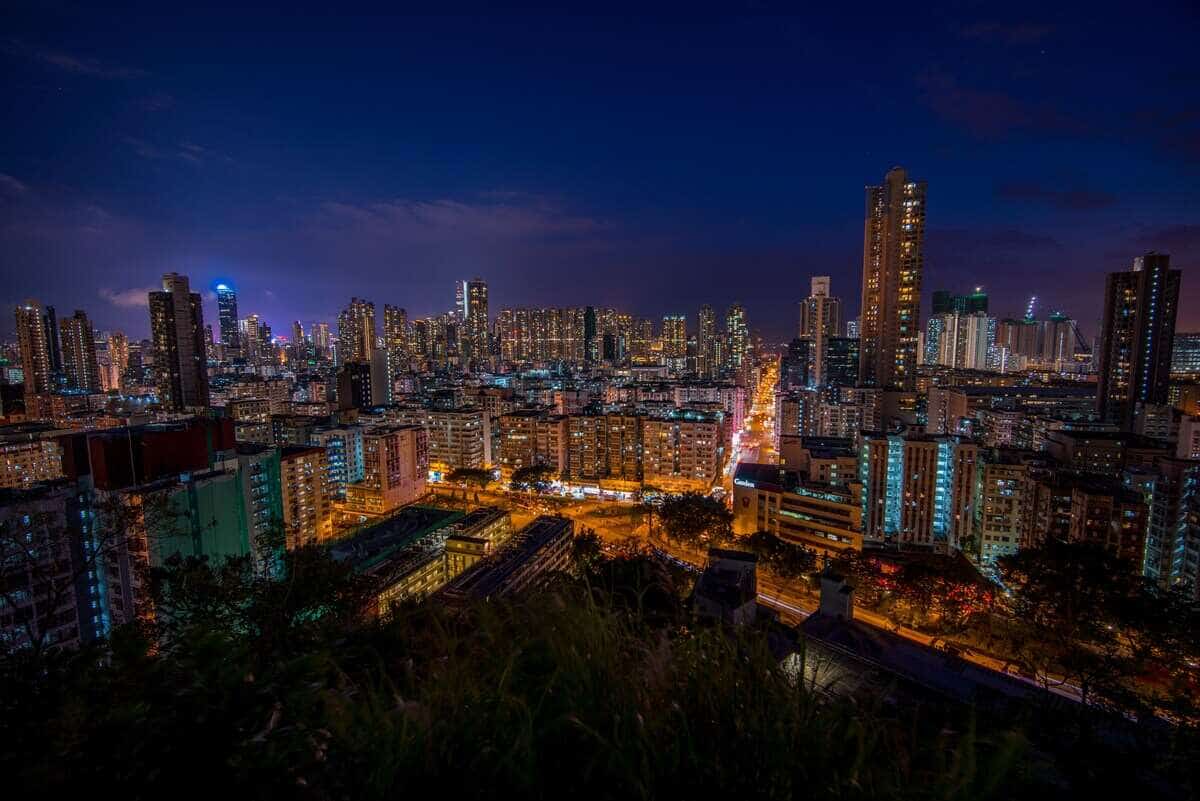
Hong Kong’s tourism industry has recorded remarkable growth in 2026, with 40.7 million visitor arrivals registered during the first nine months of the year. According to the Hong Kong Tourism Board (HKTB), arrivals increased by 12% year on year, reflecting continued expansion across the destination’s tourism sector. Mainland China emerged as the dominant visitor source market, contributing approximately 31.9 million arrivals between January and September. Meanwhile, September recorded an impressive 22% increase in visitor arrivals, supported by festive celebrations and stronger mainland travel demand. The latest figures highlight Hong Kong’s continuing appeal as a major Asian tourism destination.
Mainland China Leads Hong Kong Tourism Growth with Nearly 32 Million Visitors
Mainland China maintained its position as Hong Kong’s largest visitor source market, accounting for 31,901,686 arrivals between January and September 2026. An increase of 14% was recorded compared with the corresponding period in 2025.
Advertisement
Advertisement
Approximately 78.4% of Hong Kong’s total visitor arrivals originated from mainland China during the nine-month period. This substantial contribution demonstrated the market’s importance to the destination’s tourism performance.
Hong Kong’s established transport connections, shopping districts, cultural attractions and entertainment experiences continued to provide opportunities for cross-border tourism.
Advertisement
Advertisement
Although international visitor markets also contributed to growth, mainland arrivals remained significantly higher than those recorded from other source markets combined.
Hong Kong Visitor Arrivals in 2026: Complete Tourism Statistics
Provisional statistics published by the Hong Kong Tourism Board provide a detailed overview of visitor movements during September and the first nine months of 2026.
Advertisement
Advertisement
| Visitor market | September 2026 arrivals | September annual change | January–September arrivals | Annual change |
|---|---|---|---|---|
| Mainland China | 3,170,122 | +29% | 31,901,686 | +14% |
| Non-mainland markets | 860,968 | +3% | 8,802,054 | +4% |
| Short-haul markets | 420,864 | −9% | 4,448,408 | −5% |
| Long-haul markets | 286,321 | +20% | 2,868,536 | +19% |
| New markets | 66,908 | +13% | 616,982 | +15% |
| Total visitor arrivals | 4,031,090 | +22% | 40,703,740 | +12% |
Source: Hong Kong Tourism Board, provisional September 2026 visitor arrival statistics. Short-haul, long-haul and new markets are components of non-mainland arrivals, alongside Macao, and must not be added separately to the overall total.
These figures demonstrate that Hong Kong tourism growth in 2026 was supported by mainland demand and expanding long-haul travel, although weaker performance was recorded in some short-haul markets.
Advertisement
Advertisement
September Tourism Arrivals Jump 22% as Mainland Travel Accelerates
A particularly strong performance was recorded during September 2026, when 4,031,090 visitor arrivals were registered across Hong Kong.
The figure represented an increase of 22% year on year, considerably exceeding the overall growth rate recorded during January–September.
Mainland China contributed 3,170,122 arrivals during September, representing approximately 78.6% of the month’s total. Mainland arrivals increased by 29% compared with September 2025.
The remaining 860,968 arrivals originated from non-mainland markets, which recorded a more modest 3% increase.
Advertisement
Advertisement
September’s performance was associated with the Mid-Autumn Festival holiday, seasonal celebrations and the city’s programme of cultural attractions.
Mid-Autumn Festival Strengthens Hong Kong’s Cultural Tourism Appeal
The Mid-Autumn Festival, celebrated on 25 September 2026, provided an important cultural backdrop for Hong Kong’s September tourism performance.
Traditional festivities, lantern displays and community celebrations were presented across the destination, giving visitors opportunities to experience its distinctive heritage.
Among the prominent attractions was the Tai Hang Fire Dragon Dance, held from 24 to 26 September. The traditional procession showcased a longstanding cultural practice closely associated with Hong Kong’s Mid-Autumn celebrations.
At Victoria Park, the Mid-Autumn Lantern Carnival featured illuminated installations, cultural performances and traditional craft activities.
These experiences reinforced Hong Kong’s appeal as a destination combining contemporary attractions with established Chinese cultural traditions.
Advertisement
Advertisement
Festival Timing and Previous Weather Disruptions Influence September Comparisons
The substantial increase recorded in September should also be considered alongside differences between the 2025 and 2026 tourism calendars.
In 2025, the Mid-Autumn Festival fell on 6 October, whereas the celebration occurred during September in 2026. Consequently, the latest September figures included festival-related travel that had fallen into a different month the previous year.
Furthermore, Super Typhoon Ragasa caused major disruption during September 2025, including the cancellation of more than 700 flights at Hong Kong International Airport.
These circumstances affected the year-on-year comparison. Although significant growth was recorded, the increase cannot be attributed exclusively to stronger underlying travel demand or festival activities.
Long-Haul Tourism Expands Despite Weaker Short-Haul Arrivals
Beyond mainland China, contrasting trends were identified across Hong Kong’s international tourism markets.
Long-haul arrivals reached 2,868,536 during January–September, representing 19% growth compared with 2025. September alone recorded 286,321 long-haul arrivals, an increase of 20%.
Advertisement
Advertisement
Emerging source markets also demonstrated positive performance, with 616,982 arrivals recorded over nine months, up 15%.
However, short-haul markets experienced a 5% decline, with arrivals falling to 4,448,408. A sharper decrease of 9% was registered in September.
These differences underline the importance of examining individual regional markets rather than interpreting overall visitor growth as uniform international expansion.
Hong Kong Strengthens Its Position as a Gateway to Mainland China
Hong Kong’s role as an international transport and tourism gateway has also been highlighted in the Government’s 2026 tourism development strategy.
During the first half of 2026, more than 20% of overseas visitors travelled onwards to mainland China through Hong Kong, according to government information.
This pattern has supported increased attention towards multi-destination tourism, particularly itineraries connecting Hong Kong with mainland destinations.
Advertisement
Advertisement
Promotional partnerships, airline cooperation and integrated travel experiences have been identified as priorities for attracting international visitors.
Such initiatives are intended to encourage travellers to combine Hong Kong’s attractions with wider regional experiences, strengthening the destination’s role within Asian travel networks.
Hong Kong Targets 53.8 Million Visitor Arrivals in 2026
Following the recovery recorded in 2025, when approximately 49.9 million visitor arrivals were registered, Hong Kong established a forecast of 53.8 million arrivals for 2026.
The projection represents growth of approximately 8% over the previous year.
By the end of September, 40.7 million arrivals had already been recorded, leaving approximately 13.1 million additional arrivals required during October–December to reach the forecast.
Although the nine-month statistics provide an encouraging indication of tourism performance, the annual target remains a projection rather than a confirmed outcome.
Advertisement
Advertisement
The final result will depend on actual visitor arrivals during the remaining three months of 2026.
Hotels and Retail Businesses Form Part of Hong Kong’s Tourism Economy
Hong Kong’s accommodation infrastructure remains an important component of its visitor economy.
Government information recorded 333 hotels and 93,481 available guest rooms at the end of February 2026.
Average hotel occupancy during 2025 was approximately 87%, while occupancy during the February 2026 mainland Chinese New Year Golden Week reached around 90%.
Retail activity also recorded growth. August 2026 retail sales were valued at approximately HK$32.1 billion, an increase of 5.6% year on year.
Across January–August, retail sales increased by 8.5% in value.
Advertisement
Advertisement
However, these retail figures reflect spending by residents and visitors and should not be interpreted exclusively as tourism-generated expenditure.
Tourism Expenditure Forecast Highlights Wider Economic Importance
Beyond arrival numbers, tourism-related expenditure has been identified as an important measure of Hong Kong’s economic performance.
According to the Government’s 2026 Policy Address, total expenditure associated with inbound tourism was estimated to reach HK$238.1 billion in 2026, approximately 10% above 2025.
The estimate illustrates the anticipated economic contribution of the visitor economy, including accommodation, transport, shopping, dining and entertainment.
Nevertheless, projected expenditure should be distinguished from confirmed revenue.
The published January–September arrival figures do not establish exactly how much money was spent by mainland Chinese visitors or other international travellers during that period.
Advertisement
Advertisement
Major Festivals Create Additional Travel Opportunities for Late 2026
Further tourism activities have been scheduled for the closing months of 2026.
Hong Kong Halloween Month, running throughout October, includes themed attractions, entertainment activities and seasonal experiences.
The Hong Kong Wine & Dine Festival, scheduled from 29 October to 1 November, will bring culinary experiences to Central Harbourfront and Tamar Park.
Seasonal activities associated with Hong Kong WinterFest are also included in the wider year-end programme, alongside the New Year Countdown celebrations.
These events provide visitors with additional entertainment and cultural experiences beyond the traditional sightseeing itinerary.
However, their eventual contribution to arrival growth and tourism expenditure cannot be determined until the relevant visitor and economic statistics become available.
Advertisement
Advertisement
Why Hong Kong Tourism Growth Matters for Asian Travel
The latest figures reinforce Hong Kong’s importance within Asia’s tourism industry.
Mainland China’s contribution of nearly 32 million arrivals demonstrates the continuing significance of cross-border travel, while expanding long-haul demand indicates opportunities for broader international tourism development.
Festivals, cultural heritage, shopping and multi-destination travel remain central elements of Hong Kong’s tourism offering.
At the same time, the decline in short-haul arrivals highlights differences in demand across regional markets.
For tourism businesses, the figures provide an indication of visitor volumes and market composition. They do not, by themselves, establish profitability, visitor spending patterns or the performance of individual attractions.
What Travellers Should Know Before Visiting Hong Kong
Visitors planning journeys to Hong Kong in late 2026 can explore a wide variety of experiences, from historic neighbourhoods and harbourfront attractions to shopping districts and traditional festivals.
Advertisement
Advertisement
Major seasonal events may increase demand for accommodation and transport, particularly around public holidays and popular entertainment venues.
Travellers are therefore encouraged to confirm festival dates, attraction arrangements and accommodation availability before departure.
Entry requirements should also be checked according to nationality and travel-document status, particularly for itineraries involving onward travel to mainland China.
Visitors should remember that Hong Kong and mainland China maintain separate immigration arrangements, making individual entry requirements important when planning combined journeys.
Hong Kong’s latest tourism statistics present a clear picture of continued growth, led overwhelmingly by mainland Chinese visitors.
With 40,703,740 arrivals recorded between January and September 2026, the destination has already welcomed more than 40 million visitors, while mainland China alone contributed 31,901,686 arrivals.
Advertisement
Advertisement
The September increase of 22% has further highlighted the importance of festive travel and cultural celebrations, although calendar changes and previous weather disruptions also influenced the comparison.
Mainland China emerged as the driving force behind Hong Kong’s tourism growth, contributing nearly 31.9 million visitor arrivals, supported by strong cross-border travel demand and festive celebrations.
As Hong Kong moves towards the end of 2026, its tourism performance will be measured against the 53.8 million annual visitor forecast, with international market diversification and cultural tourism continuing to shape its development.
Advertisement
