

Kuala Lumpur Tourism Set for a Boost as RM400 Million Budget Targets Parks, Walkways and Public Amenities

Published
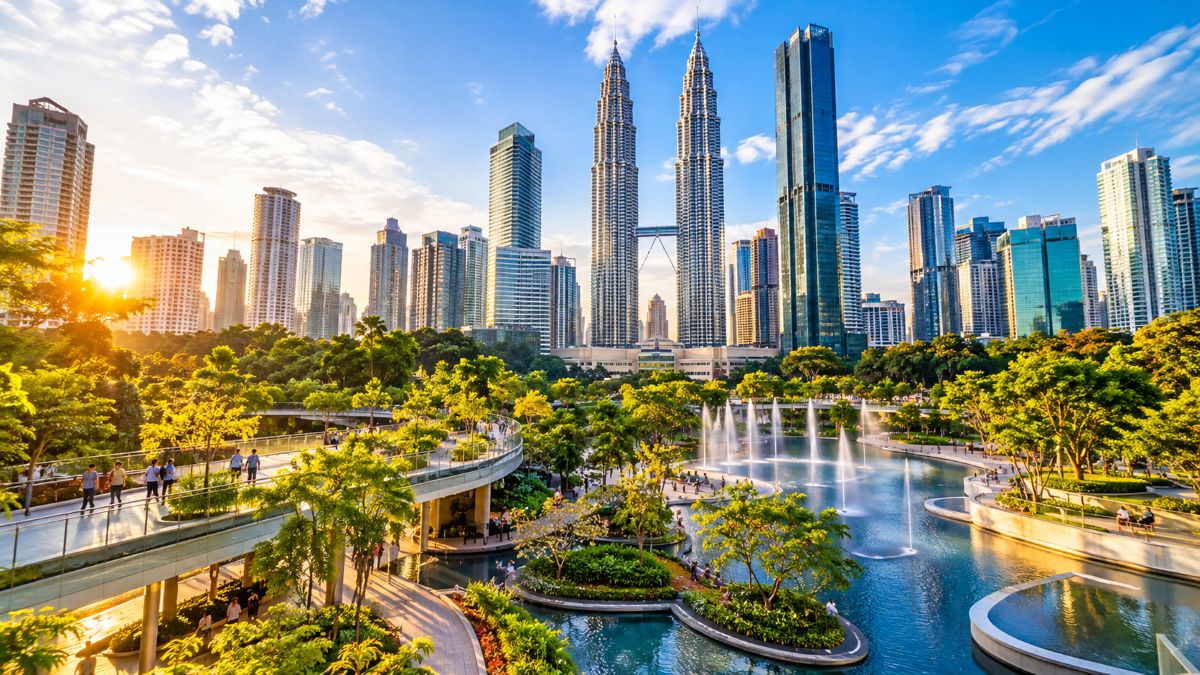
Kuala Lumpur is preparing for improvements to its urban environment following a RM400 million allocation under Budget 2027 for green spaces, covered pedestrian walkways, public amenities and housing projects. The investment could enhance the Malaysian capital’s appeal to residents and visitors seeking accessible recreational areas and more comfortable ways to explore the city. Plans include rehabilitating parks, upgrading existing facilities and gazetting 50.5 hectares of leasehold land in Bukit Kiara as a federal park. However, community representatives have stressed that effective enforcement, consistent maintenance, public safety and timely delivery will determine whether these improvements achieve their intended benefits.
The proposals also include 22 kilometres of covered pedestrian walkways connecting national landmarks and public housing developments with commercial centres, schools, clinics and public transport stations. These links could make urban sightseeing and everyday travel more convenient, particularly for pedestrians navigating Kuala Lumpur’s busy streets. Civil society representatives have welcomed the proposed investment while calling for stronger accountability and long-term environmental planning. Their concerns include obstructed walkways, the management of public spaces, flood resilience and the protection of green areas. For Kuala Lumpur tourism, the success of the programme will depend on how effectively the planned facilities are delivered, maintained and made accessible.
Advertisement
Advertisement
Kuala Lumpur Budget 2027 Places Urban Recreation in Focus
The RM400 million allocation for Kuala Lumpur’s amenities and public housing represents a significant proposed investment in the capital’s shared spaces. Kuala Lumpur City Hall, known as DBKL, is expected to direct funding towards developing green spaces, constructing covered walkways, rehabilitating parks and upgrading amenities and public housing projects.
These improvements could support a more pedestrian-friendly urban environment while expanding opportunities for recreation. Public parks and accessible walking routes can contribute to the experience of travellers who want to explore the city beyond its commercial districts and major attractions. Nevertheless, the allocation alone does not establish how individual projects will be scheduled or when facilities will become available. Clear implementation plans will be important for translating the budget commitment into practical benefits for communities and visitors.
Advertisement
Advertisement
Bukit Kiara Federal Park Could Expand Green Tourism Opportunities
The proposed gazetting of 50.5 hectares of leasehold land in Bukit Kiara as a federal park could strengthen Kuala Lumpur’s provision of publicly accessible green space. Urban parks offer opportunities for walking, exercise, relaxation and nature-based recreation, providing a different experience from the capital’s shopping areas and built-up commercial districts.
Alliance for a Safe Community chairman Lee Lam Thye welcomed the investment, saying the city had faced a shortage of recreational spaces. He highlighted the importance of regular maintenance and proper supervision to keep facilities in good condition.
Advertisement
Advertisement
For tourism planners, the proposed park could contribute to a broader urban leisure offering if public access, environmental protection and upkeep are addressed effectively. Its long-term value will depend on how the area is managed and whether recreational use can be balanced with the conservation of its natural surroundings.
Covered Walkways Could Improve Urban Sightseeing
DBKL’s plan to construct 22 kilometres of covered pedestrian walkways is another central element of the proposed improvements. The routes are intended to connect national landmarks and public housing projects with commercial centres, educational institutions, healthcare facilities and public transport stations.
Advertisement
Advertisement
For visitors, covered walkways could make journeys between selected destinations more comfortable, particularly during Kuala Lumpur’s frequent rainfall and hot weather. Better pedestrian connections could also help residents reach essential services without relying entirely on private vehicles or other transport.
Brickfields Rukun Tetangga chairman SKK Naidu stressed that the walkways must remain clear of obstructions. Maintaining unobstructed routes will be essential for accessibility, pedestrian safety and the practical usefulness of the planned infrastructure. The tourism benefits will depend not only on construction but also on consistent enforcement and day-to-day management.
Key Budget 2027 Proposals for Kuala Lumpur
| Proposed initiative | Planned provision | Potential significance |
|---|---|---|
| Urban amenities and public housing | RM400 million allocation | Improvements to community facilities and residential environments |
| Bukit Kiara federal park | 50.5 hectares of leasehold land | Additional publicly accessible green space |
| Covered pedestrian walkways | 22 kilometres | Better connections between landmarks, services and transport |
| Park rehabilitation | Funding included in the allocation | Improved recreational opportunities |
| Green spaces | Funding included in the allocation | Support for urban recreation and environmental quality |
The measures outlined in Budget 2027 could contribute to Kuala Lumpur’s development as a more accessible and liveable urban destination. However, the figures describe planned provisions rather than confirmed project completion outcomes. Detailed timelines, implementation updates and maintenance arrangements will be important indicators of progress.
Public Housing Improvements Require Stronger Enforcement
Alongside recreational facilities, the allocation will support public housing projects and associated amenities. Community activist Yee Poh Ping said stronger enforcement was necessary to address unauthorised stalls and hawker activities that obstruct public spaces and affect the surrounding environment.
Advertisement
Advertisement
He called for efforts to relocate such activities to more suitable locations, with public safety and hygiene remaining important considerations. Managing these spaces effectively could improve the experience of residents and visitors while helping maintain clear pedestrian access.
Public housing improvements also have implications for neighbourhood tourism, particularly where residential areas sit close to commercial districts and transport links. Any redevelopment or upgrading programme will need to consider the everyday needs of residents, including accessibility, sanitation and the availability of well-maintained shared facilities.
Flood Resilience and Environmental Protection Remain Priorities
Investment in parks and pedestrian infrastructure is only one part of the wider challenge facing Kuala Lumpur. Joshua Low, honorary secretary of Kuala Lumpur Residents Action for Sustainable Development, called for sustained funding to protect, maintain and enhance green spaces.
He also urged the Federal Government to prioritise flood resilience, river management and water catchment protection. His comments highlight the importance of integrating environmental planning into urban development rather than relying primarily on responses after problems arise.
For a major tourism destination, flood preparedness and effective water management can influence transport reliability, public safety and the condition of public spaces. Long-term planning could help Kuala Lumpur protect its urban environment while accommodating continued development. However, the extent to which the Budget 2027 allocation addresses these wider challenges will depend on implementation details and the coordination of relevant authorities.
Maintenance and Accountability Will Determine Tourism Benefits
Civil society representatives have emphasised that project delivery must be accompanied by clear responsibilities and effective oversight. Save Kuala Lumpur chairman Datuk M. Ali called for defined project timelines to support timely completion and accountability.
Advertisement
Advertisement
Regular inspections, transparent progress reporting and adequate maintenance funding could help ensure that new facilities remain useful after construction. Covered walkways need to remain accessible, parks require continued care, and public amenities must be managed to acceptable standards.
These practical considerations matter for tourism because the quality of a destination is shaped not only by its attractions but also by the ease and comfort with which people move around. If the planned improvements are delivered effectively, Kuala Lumpur could strengthen its urban recreational offering while addressing long-standing community concerns. The ultimate measure of success will be whether residents and visitors experience lasting improvements in accessibility, safety and the quality of public spaces.
Frequently Asked Questions
1. What is the main purpose of Kuala Lumpur’s RM400 million Budget 2027 allocation?
The allocation is intended to support green spaces, covered pedestrian walkways, park rehabilitation, public amenities and public housing projects.
2. How could the budget benefit Kuala Lumpur tourism?
Improved parks, pedestrian connections and public facilities could make the city more comfortable to explore and expand recreational opportunities for visitors.
Advertisement
Advertisement
3. How much land in Bukit Kiara is proposed as a federal park?
A 50.5-hectare parcel of leasehold land in Bukit Kiara is to be gazetted as a federal park for public use.
4. How many kilometres of covered walkways are planned?
DBKL plans to construct 22 kilometres of covered pedestrian walkways connecting landmarks, housing projects, commercial centres, schools, clinics and public transport stations.
5. Which authority is responsible for the planned improvements?
Kuala Lumpur City Hall, known as DBKL, is responsible for the planned allocation and associated urban improvement initiatives.
Advertisement
Advertisement
6. Why are covered walkways important for visitors?
They could improve pedestrian connections and provide greater protection from Kuala Lumpur’s heat and rainfall while helping visitors travel between selected destinations.
7. What concerns have community representatives raised?
Their concerns include maintenance, public safety, accountability, project delays, obstructed walkways, unauthorised trading and environmental protection.
8. How could Bukit Kiara’s proposed federal park support recreation?
The proposed park could provide additional space for walking, exercise and outdoor leisure, subject to appropriate public access and environmental management.
Advertisement
Advertisement
9. Why is flood resilience relevant to Kuala Lumpur tourism?
Flood management and river protection can help safeguard public spaces, transport connections and the safety of residents and visitors.
10. When will the planned improvements be completed?
The supplied report does not specify completion dates for the individual projects. Clear timelines and implementation updates will be needed to establish when the facilities will be ready for public use.
Advertisement
