
Dublin Converges With Belfast and Edinburgh as Celtic Christmas City Breaks Pit Free Markets Against Winter Spectacles

Published
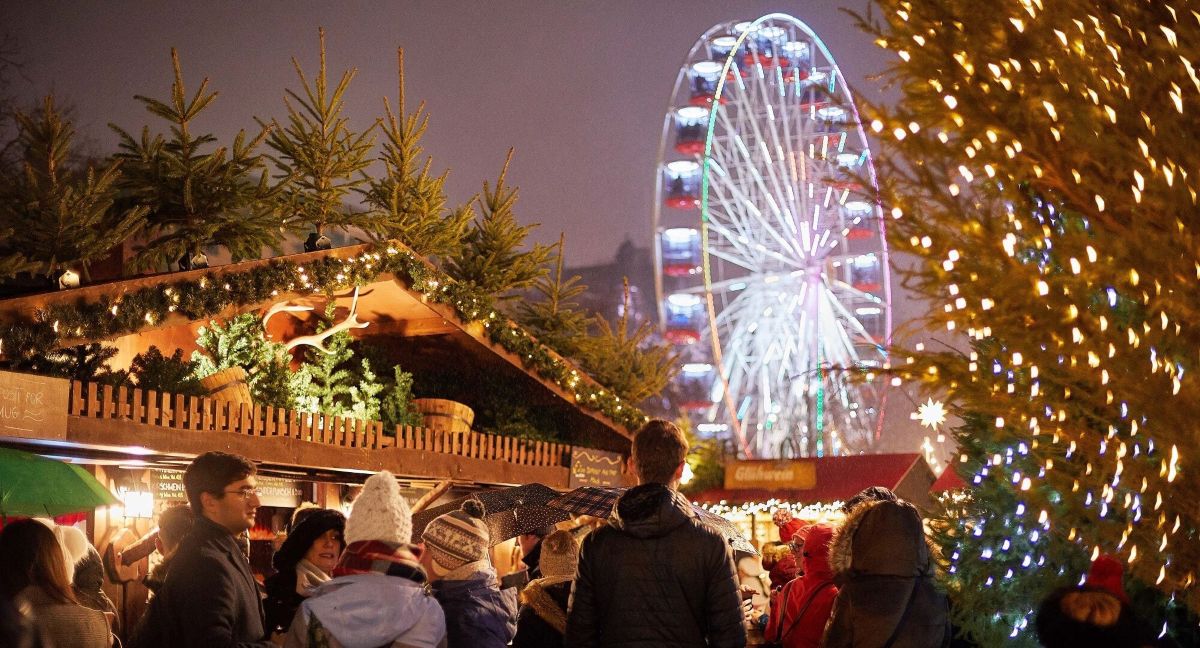
The Celtic Christmas city breaks race is taking shape as Dublin, Belfast and Edinburgh unveil distinct festive programmes for winter 2026, giving travellers three different ways to experience seasonal markets, historic streets and New Year celebrations. Belfast’s Christmas Market opens on November 14, alongside Edinburgh’s Christmas festivities, while Dublin’s new Everwinter attraction begins on November 25. Edinburgh and Dublin extend selected festive activities into January, but their programmes differ significantly after Christmas. Belfast offers free market admission, Dublin charges €2.50 for general entry, and Edinburgh combines market gardens with ticketed attractions. For visitors, the decisive factors are not simply opening dates. Accommodation prices, transport connections, event schedules and trip duration could determine which destination delivers the strongest overall value.
Three Festive Calendars, Three Different Experiences
The first important distinction concerns the dates travellers can actually use. Belfast’s Christmas Market runs from November 14 to December 22, 2026, at the grounds of Belfast City Hall. Edinburgh’s Christmas programme operates from November 14 to January 3, 2027, across several city-centre locations. Dublin’s Everwinter runs from November 25 to January 3, although its full market and entertainment programme finishes on December 23.
These schedules create three different booking windows. Belfast and Edinburgh suit travellers seeking an early-November opening, while Dublin requires a later arrival. However, visitors planning Christmas week should examine individual attractions carefully because the advertised season does not necessarily mean every activity remains open throughout.
| Essential detail | Dublin | Belfast | Edinburgh |
|---|---|---|---|
| Main festive attraction | Everwinter at the RDS | Christmas Market at City Hall | Edinburgh’s Christmas |
| Opening date | 25 November | 14 November | 14 November |
| Final date advertised | 3 January 2027 | 22 December | 3 January 2027 |
| General market entry | €2.50 | Free | Main market areas are free |
| Principal locations | RDS, Ballsbridge | City Hall grounds | Princes Street Gardens and George Street |
| Distinctive feature | Circus, skating and Irish makers | Local traders and international food | Historic skyline and wider festive programme |
Dublin Introduces a New Winter Attraction
Dublin’s main development is Everwinter, a new festive destination at the Royal Dublin Society grounds in Ballsbridge. Its programme combines a Christmas market showcasing Irish makers with a covered ice rink, Robert Fossett’s Circus, a vintage fairground, live entertainment and seasonal food. The organisers describe it as a new addition to the city’s winter calendar.
Advertisement
Advertisement
General admission costs €2.50 per adult, while children aged 12 and under enter free with a required child ticket. However, skating, circus performances and fairground rides involve additional charges. The advertised early-bird price starts at €10 for ice skating and €10 for the circus, while a combined skating-and-circus experience starts at €23. These are starting prices rather than guaranteed rates for every session.
The venue’s operating arrangements matter as much as its attractions. The full event opens from Tuesday to Friday between 2pm and 9pm, and from noon to 9pm at weekends. It closes on Mondays during the main programme. The ice rink remains available for a separate post-Christmas run from December 26 to January 3, while the market, circus and fairground finish on December 23.
Advertisement
Advertisement
Everwinter is also positioned as a public-transport-friendly attraction. The RDS lies about five minutes from Lansdowne Road and Sandymount DART stations. Organisers say no general event parking is available, although nine accessible parking spaces are reserved at the Merrion Road car park. The site is step-free, and the rink offers wheelchair-accessible provision.
For travellers, the practical lesson is straightforward: Dublin’s newest festive attraction can fill an afternoon or evening, but visitors should calculate activity costs separately. Those arriving after December 23 should not expect the full Everwinter experience.
Advertisement
Advertisement
Belfast Makes Free Entry Its Strongest Advantage
Belfast’s Christmas Market returns to the grounds of City Hall from November 14 to December 22. The city council confirms free admission, making the market accessible to visitors who want to browse without buying an entry ticket. Its festive village combines international food, gourmet street dishes, seasonal treats, handcrafted gifts and decorations.
One notable feature is the market’s local economic contribution. More than 50 per cent of its stalls are advertised as local traders, giving visitors an opportunity to discover Northern Irish producers alongside international vendors. A vintage carousel and giant helter-skelter add family entertainment, while the food court provides an alternative to formal restaurants.
The opening schedule changes by day. The market generally operates from 10am to 8pm Monday to Wednesday, with bars closing at 9pm. Thursday to Saturday brings longer trading hours, from 10am to 10pm, while bars remain open until 11pm. Sunday hours run from noon to 6pm. The market opens at noon on November 14 and closes at 6pm on December 22.
Belfast’s compact centre makes the market easier to combine with other attractions during a short visit. Travellers can plan time around City Hall, the city’s historic streets and the Titanic Quarter. However, the market’s December 22 closing date is crucial. Visitors arriving for Christmas Day or New Year cannot treat it as a late-season attraction.
Advertisement
Advertisement
Edinburgh Extends the Festive Season Into January
Edinburgh’s Christmas programme runs from November 14, 2026, to January 3, 2027. Its main locations include East and West Princes Street Gardens and George Street, placing seasonal attractions against the city’s historic architecture and dramatic skyline. The combination of market stalls, fairground rides and other festive activities gives visitors several ways to structure a winter break.
The city’s wider appeal grows around New Year. Edinburgh’s Hogmanay festival is scheduled for December 29, 2026, to January 1, 2027. Its programme includes the Torchlight Procession, which brings performers, pipe bands and drummers through historic parts of the city. Visitors seeking a New Year celebration therefore have a reason to consider Edinburgh beyond the Christmas market itself.
However, the longer calendar does not guarantee that every attraction operates daily. Ticketed activities, special performances and New Year events may have separate booking requirements and capacity limits. Travellers should check the official schedule before committing to non-refundable flights or accommodation.
Edinburgh’s strongest proposition is the breadth of its seasonal experience. Visitors can combine the Christmas market with the Old Town, the Royal Mile, museums and castle-area viewpoints. Four nights also provide more room for slower sightseeing than a compressed weekend. Nevertheless, peak New Year dates require a separate accommodation and event-budget calculation.
Hotel Prices Could Change the City-Break Verdict
Accommodation is one of the largest variables in the comparison. A lower market admission fee does not necessarily translate into a cheaper holiday, particularly when weekend demand, location and availability affect room rates.
A Dublin accommodation snapshot measured on October 25 provides a useful illustration. For December 26, the median asking price for hotels and hostels was €156 per night, with the middle half of prices between €127 and €198. The sample included 196 priced hotels and hostels, although asking prices are not completed booking prices.
Advertisement
Advertisement
For Edinburgh, a separate market tracker reported an average December 2026 hotel rate of £177 per night for two adults, based on 623 live price scans. It recorded a lowest observed rate of £115. This is a different dataset with different methodology, so it cannot establish a direct winner against Dublin.
The available figures illustrate why travellers need comparable dates and booking conditions. A robust price comparison should use the same occupancy, length of stay, cancellation policy and accommodation category in all three cities.
| Budget factor | What travellers should compare |
|---|---|
| Two-night stay | Total room cost for two adults |
| Four-night stay | Total room cost across the full itinerary |
| Weekend premium | Friday and Saturday against midweek rates |
| Location | Central accommodation against properties requiring transport |
| Cancellation | Refundable and non-refundable prices |
| Availability | Number of properties still offering rooms |
Belfast’s free market entry can help visitors control activity spending, but its overall value depends on room rates and transport. Likewise, Dublin’s modest general admission does not offset expensive accommodation automatically. Edinburgh’s extended programme may justify a longer stay for some travellers, but New Year demand needs particular scrutiny.
These are date-specific price observations, not fixed seasonal tariffs. Readers should recheck live rates before booking, especially for weekends and the December 29–January 1 Hogmanay period.
Dublin and Belfast Offer a Practical Two-City Route
Dublin and Belfast have a logistical advantage that Edinburgh cannot match within the same Irish-city itinerary. The Enterprise rail service connects Dublin Connolly with Belfast Grand Central, with a journey time of approximately two hours and 15 minutes. Translink lists frequent departures, including services throughout the day, although exact timetables vary by date.
Coaches offer another option. Dublin Express advertises fares from €9 one way, with the fastest journeys from Dublin Airport to Belfast taking approximately one hour and 45 minutes. Journeys from central Dublin take around two hours and 20 minutes on the fastest service. Aircoach also advertises direct services, with online fares starting from €12 or £11 one way. These are advertised starting fares, not guaranteed prices for every departure.
Advertisement
Advertisement
The comparison should include more than ticket prices. Rail passengers need to reach the relevant stations, while coach passengers should account for traffic delays and departure locations. Advance booking can help secure seats and lower fares, particularly around busy festive weekends.
For a four-night holiday, a two-night Dublin stay followed by two nights in Belfast offers a credible alternative to choosing just one city. Visitors could experience Everwinter before December 23, then travel north for Belfast’s market while it remains open. The sequence only works within the relevant dates; arriving in Belfast after December 22 means missing its main market.
Edinburgh requires a separate transport leg for travellers combining all three destinations. That can introduce another flight, airport transfer and potential luggage expense. Consequently, a three-city itinerary may suit longer holidays, but it is less efficient for visitors with only four nights.
Flights, Ferries and Rail Need a Fair Comparison
The most economical arrival airport depends on the traveller’s origin. Dublin Airport, Belfast International, Belfast City and Edinburgh Airport serve different routes, so a universal airfare ranking would be misleading without a specified departure city.
A useful comparison should record the return fare, baggage allowance, arrival time and airport-to-centre transfer. A seemingly inexpensive flight may become less attractive after adding cabin baggage, ground transport or an inconvenient arrival time. Travellers should compare the full journey rather than the headline fare.
Rail-and-ferry combinations can also suit visitors travelling from Great Britain. However, their value depends on the departure point, port transfers, sailing times and rail connections. A ferry should not automatically be described as cheaper or more sustainable without comparing the complete route and relevant evidence.
Advertisement
Advertisement
For readers combining Ireland and Northern Ireland, currency is another practical consideration. Dublin uses the euro, while Belfast and Edinburgh use sterling. Travellers paying in another currency should account for exchange rates and any card fees when estimating meals, shopping and local transport.
Entry requirements also depend on nationality and immigration status. Ireland is part of the European Union but not the Schengen area, while Northern Ireland is part of the United Kingdom. Visitors should consult official government guidance and their carrier’s identification rules before travelling across borders.
Two Nights or Four Nights: Which Works Better?
A two-night visit is best suited to travellers who want one principal festive experience and limited additional sightseeing. In Dublin, the priority could be Everwinter and the city’s cultural attractions. Belfast offers its City Hall market and central landmarks, while Edinburgh allows time for the market, Old Town and castle-area viewpoints.
A four-night stay creates more room for museums, neighbourhood exploration and slower evenings. It also makes the Dublin–Belfast combination more realistic, with two nights in each city and a transfer between them. Travellers choosing Edinburgh instead could dedicate the extra time to the wider city rather than rushing between attractions.
The additional nights, however, raise accommodation and food costs. A multi-city break can also lose sightseeing time to transfers and hotel changes. The better measure is the total cost per traveller for the experiences included, not simply the nightly hotel rate.
| Trip style | Strongest option to investigate | Main consideration |
|---|---|---|
| Two-night festive escape | One city only | Avoid spending too much time in transit |
| Four-night Irish-city break | Dublin and Belfast | Align the itinerary with both markets’ dates |
| Four-night cultural stay | Edinburgh | Balance festive events with historic sightseeing |
| Late-December visit | Edinburgh or Dublin’s ice rink | Check which attractions remain open |
| New Year celebration | Edinburgh | Book Hogmanay events and accommodation early |
These are itinerary recommendations rather than a definitive value ranking. The best choice depends on departure fares, accommodation availability and the dates of the intended activities.
Advertisement
Advertisement
Winter Planning Requires More Than Market Dates
The three cities offer different balances of outdoor festivities, indoor attractions and cultural experiences. Visitors should allow for cold, wet and changeable weather, particularly when planning long evenings outdoors. Comfortable footwear, warm layers and waterproof clothing can make a substantial difference to the experience.
Daylight is another consideration. Late-November and December visits offer limited daylight hours, making it sensible to schedule outdoor sightseeing earlier and reserve markets, museums, restaurants and performances for later. Travellers with mobility requirements should check accessible routes, surfaces, seating and transport arrangements for individual attractions.
Christmas Day itself needs special attention. Public transport, shops, restaurants and visitor attractions may operate reduced hours or close altogether. The end date of a festival does not guarantee normal city-wide services, and New Year’s Eve can bring separate transport arrangements and crowd-management measures.
Practical booking priorities should therefore include checking the event’s daily schedule, securing timed tickets, confirming hotel cancellation terms and reviewing local transport before departure. Families should also calculate the cost of paid rides and performances, rather than relying on free market entry alone.
What the Comparison Means for Tourism
The three destinations illustrate different ways cities can attract winter visitors. Belfast uses a centrally located, free-entry market with a substantial local-trader presence. Dublin is adding a new attraction that bundles Irish craft, entertainment, skating and food into one venue. Edinburgh combines its seasonal market with a wider calendar that reaches into Hogmanay.
For tourism businesses, these differences create opportunities beyond accommodation sales. Restaurants, public transport operators, museums, independent retailers and guided-tour providers can benefit when visitors extend their stays. However, the commercial impact depends on visitor numbers, spending patterns and operational capacity; event dates alone do not prove a particular economic outcome.
Advertisement
Advertisement
The comparison also shows why tourism coverage needs to distinguish new developments from established traditions. Everwinter is a new Dublin attraction, whereas Belfast’s market and Edinburgh’s festive programme occupy established places in their cities’ seasonal calendars. Their 2026 formats may evolve in subsequent years, making annual verification essential.
Choosing the Right Festive Escape
The most suitable destination depends on what travellers want from their winter break. Belfast is a strong candidate for visitors prioritising free market admission, local traders and a compact city-centre experience. Dublin deserves consideration from travellers interested in its new Everwinter attraction, especially those visiting before December 23. Edinburgh stands out for visitors seeking an extended festive calendar and the additional draw of Hogmanay.
For a longer holiday, Dublin and Belfast form a practical pairing, provided travellers coordinate both market schedules. Edinburgh offers a different proposition for those who prefer to stay in one city and explore its historic streets at a slower pace. Ultimately, the smartest booking decision comes from comparing total trip costs, checking confirmed programmes and matching the itinerary to the available time. That approach will deliver more value than choosing a destination on festive reputation alone.
Advertisement
