
Iran Stands Alongside Israel And More As Middle East Tourism Enters In Deep Crisis As Renewed US Strike Threats Put Regional Travel At Risk

Published
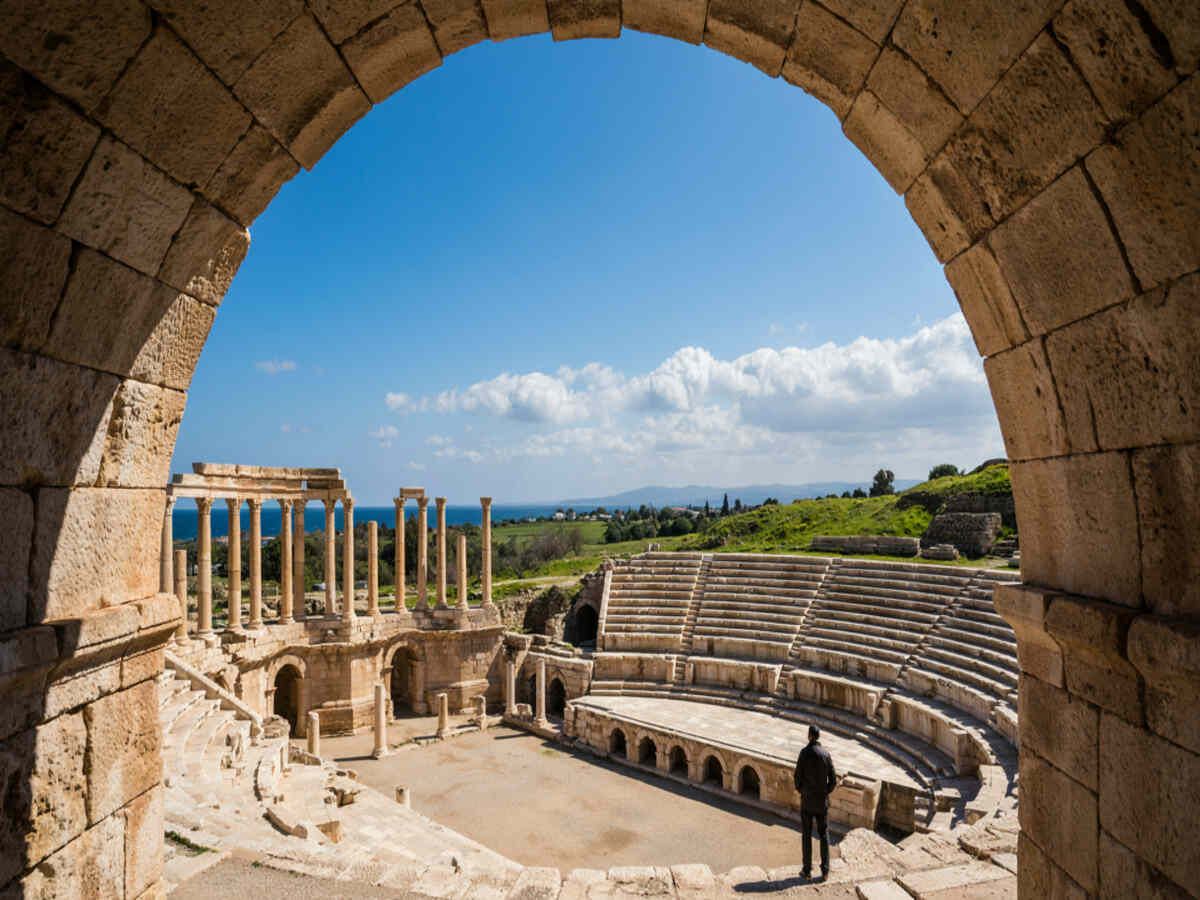
The specter of war paralyzes the Middle Eastern skies and halts tourism that flows from the Gulf emirates to Petra. The political fault lines of the Middle East have been ruptured once more, casting the whole region into unknown levels of volatility and generating an economic earthquake, which endangers one of its most important lifelines: international tourism.
What was once an engine of high-yield luxury travel, historical pilgrimage, and visionary megaprojects has suddenly ground into an acute freeze. From the archaeological corridors of Petra to the sky-piercing towers of Dubai, global travelers are cancelling reservations in droves. With international carrier reroutings, shuttered airspaces, and sovereign warning sirens sounding from the Levant down to the Arabian Sea, Middle Eastern hospitality is confronting an unprecedented structural shock.
The Strategic Storm: How War Drums Paralyze Regional Skies
The economics of travel require safety, predictability, and open corridors. When aerial warfare looms, those pillars evaporate instantly. The threat of renewed American strikes against Iranian command nodes, nuclear infrastructure, and coastal defense installations has unleashed a multi-tiered crisis across regional aviation:
- ◈ Aviation Arteries Severed: The Persian Gulf functions as the world’s primary east-west aviation super-connector. When flight paths over Iran, Iraq, the Levant, and the Gulf are declared contested warzones, carriers face expensive multi-hour detours or outright route cancellations. Tens of thousands of transit passengers are stranded weekly, drying up airport consumer revenue and transit spending.
- ◈ The Blanket Travel Advisory Effect: Emergency “Do Not Travel” advisories issued by Western foreign ministries immediately invalidate comprehensive travel insurance policies. When standard flight and medical insurance clauses lapse, mass leisure tours, corporate delegations, and international conferences are cancelled en masse.
- ◈ Skyrocketing Insurance Premiums: For aviation operators and maritime cruise liners still operating in or near the Gulf, hull and war-risk insurance premiums have surged by triple-digit percentages, costs that inevitably get passed down to passengers or render routes economically unviable.
- ◈ Erosion of the “Safe Haven” Illusion: For years, Gulf metropolises successfully decoupled their branding from regional conflicts, presenting themselves as insulated, peaceful oases. The current spectrum of asymmetric threats—targeting regional data hubs, critical transit facilities, and municipal airports—has pierced this perception, making travelers question whether any corner of the region is truly out of range.
Country-by-Country Analysis: Vulnerabilities, Geopolitics, and Tourism Exposure
Middle East Geopolitical Conflicts and Their Impact on Tourism and Travel
| Country / Region | Major Security Threats | Tourism Industry Significance | Potential Impact on Travel and Tourism |
|---|---|---|---|
| Iran | Direct airstrikes and escalating military confrontation | Cultural tourism, historical landmarks and heritage destinations | Severe restrictions on international tourism, flight connectivity and visitor arrivals |
| Israel | Multi-front rocket attacks and continuing regional hostilities | Religious pilgrimage, heritage tourism and leisure travel | Sharp decline in international arrivals, widespread cancellations and disruption to pilgrimage tourism |
| Lebanon | Cross-border military clashes and aerial bombardment | Diaspora tourism, nightlife, hospitality and cultural attractions | Extensive hotel cancellations, reduced visitor confidence and disruption to hospitality operations |
| Saudi Arabia | Cross-border drone and missile threats | Vision 2030 tourism megaprojects, religious tourism and luxury hospitality | Potential delays in tourism expansion, investment uncertainty and disruption to international travel |
| UAE and Qatar | Threats of asymmetric retaliation and regional military escalation | Global aviation transit hubs, luxury tourism and international business travel | Reduced transit passenger volumes, potential airspace disruptions and pressure on airline and hotel revenues |
| Jordan and Egypt | Regional conflict spillover, border instability and escalating security concerns | Petra, the Pyramids of Giza, Red Sea resorts and cultural tourism | Increased booking cancellations, weaker visitor confidence and potential declines in tourism revenue |
| Yemen | Prolonged armed conflict and damaged critical infrastructure | Limited heritage tourism and specialised travel | Severe restrictions on international tourism, damaged infrastructure and extremely limited visitor access |
Iran: Caught in the Crosshairs of Complete Isolation
Iran’s rich architectural heritage—from the historic palaces of Isfahan and Shiraz to the ancient ruins of Persepolis—has long possessed immense cultural tourism potential, albeit constrained by historical sanctions. Today, that sector faces absolute destruction.
Advertisement
Advertisement
- ❖ Imminent Decapitation Strikes: With U.S. Central Command finalizing kinetic strike options and naval carrier strike groups stationed off the coast, Iran’s civil and transit installations remain on permanent red alert.
- ❖ Naval Blockades and Hormuz Brinkmanship: The Islamic Revolutionary Guard Corps’ threats to seal the Strait of Hormuz, deploy naval mines, and target foreign commercial vessels have turned domestic waters into a flashpoint.
- ❖ Domestic Sector Obliteration: Foreign leisure arrivals have plunged to absolute zero. Internal transit has stalled as aviation fuel and transport logistics are commandeered for defense readiness, stranding domestic travelers and gutting historical bazaars and boutique caravanserai operators.
Israel: Multi-Front Siege and the Total Evaporation of Leisure Travel
Alongside Iran, Israel sits directly in the eye of the hurricane. The escalating tensions have compounded a military campaign stretching across Gaza and into the occupied West Bank, creating an unstable security paradigm that has extinguished traditional vacation flows.
- ❖ Ghost Towns in Historic Corridors: Jerusalem’s Old City, typically teeming with Christian, Jewish, and Muslim pilgrims, has been reduced to shuttered stalls and empty cobblestones. Bethlehem, Nazareth, and the Mediterranean beachfront of Tel Aviv have seen occupancy rates plummet to single digits.
- ❖ West Bank Shutdown and Movement Freezes: Following violent checkpoint confrontations near Hebron, the Israeli military instituted complete mobility shutdowns across dozens of Palestinian towns, closing borders, razing contested structures, and arresting hundreds. These sweeping crackdowns have completely paralyzed eco-tourism, religious excursions, and cultural tours throughout the West Bank.
- ❖ Hotels Repurposed for Displacement: Much of the nation’s remaining hotel capacity is no longer serving foreign holidaymakers; instead, commercial hospitality assets have been drafted to house thousands of internally displaced citizens and defense personnel, sustained entirely by state subsidies rather than profitable tourism revenue.
Lebanon: An Ancient Mediterranean Playground Under Fire
Lebanon’s tourism sector, famously driven by its resilient diaspora, mountain ski resorts, and cosmopolitan Beirut nightlife, is experiencing near-total paralysis as southern border hostilities threaten to consume the nation.
Advertisement
Advertisement
- ❖ Constant Airstrike Threats: Cross-border artillery exchanges and targeted strikes have effectively turned the southern swath of the country into an active war theater, making domestic travel unsafe.
- ❖ Foreign Carrier Suspensions: Major international airlines have repeatedly suspended services into Beirut-Rafic Hariri International Airport, leaving travelers reliant on limited national carrier schedules burdened with prohibitive war-risk surcharges.
- ❖ Economic Devastation: Compounding years of financial distress and institutional paralysis, the evaporation of summer and autumn tourist receipts has deprived local businesses of scarce foreign currency reserves, triggering widespread hospitality bankruptcies.
Saudi Arabia: Vision 2030 Under a Cloud of Cross-Border Fire
Saudi Arabia has positioned tourism as the crown jewel of its post-oil economic diversification blueprint, investing hundreds of billions of dollars into transforming places like AlUla, the Red Sea Project, and Riyadh into global entertainment and leisure destinations. The current crisis threatens this ambitious transition.
- ❖ Houthi Missiles and Shrapnel Danger: Deepening hostilities with Yemen’s Houthi movement have reignited cross-border ballistic missile and drone volleys. Interceptions over urban areas like Jeddah, Mecca, Taif, and the outskirts of Riyadh—with falling shrapnel creating acute municipal risks—directly threaten civilian perceptions of safety.
- ❖ Megaproject Perception Hazards: High-net-worth leisure travelers, whom the Kingdom has courted with pristine coastal resorts and cultural festivals, are sensitive to geopolitical friction. Images of air defense batteries firing over urban horizons present a sharp contrast to promotional campaigns.
- ❖ Postponement of Premier Global Summits: The geopolitical tension has already begun shifting high-profile gatherings; the Kingdom’s signature Future Investment Initiative (often dubbed “Davos in the Desert”) was deferred amid safety concerns, immediately stripping the capital of tens of thousands of corporate hotel bookings, catering contracts, and executive travel spending.
- ❖ Religious Tourism Remains the Sole Anchor: While leisure travel stumbles, mandatory religious pilgrimages (Hajj and Umrah) remain an inelastic structural floor, though heightened security checks, logistical delays, and airspace reroutings have dramatically increased operating costs.
United Arab Emirates & Qatar: The High-Stakes Threat to the Gulf’s Transit Gateways
The United Arab Emirates (anchored by Dubai and Abu Dhabi) and Qatar (driven by Doha) have mastered the art of ultra-modern, secure, high-yield luxury tourism. However, their physical geography places them directly adjacent to the Iranian coastline and inside Tehran’s declared retaliatory crosshairs.
- ❖ Iranian Asymmetric Targeting Warnings: Tehran’s military leadership has explicitly warned that should the U.S. use regional infrastructure to launch strikes, retaliatory attacks could target Western-aligned regional data centers, commercial cloud facilities, power plants, and hosting hubs across the UAE and Qatar.
- ❖ Fragility of the Super-Hub Model: Dubai International Airport and Hamad International Airport process tens of millions of transit travelers between the Americas, Europe, Asia, and Africa. Any sustained security incident, airspace restriction, or localized missile threat that deters long-haul transfer passengers strikes directly at the economic core of both nations.
- ❖ Decline of the Winter Sun Peak: The final quarter of the calendar year represents the lucrative “winter sun” peak for Gulf resorts, desert safaris, and major sporting showcases. Inbound charter groups from Europe are showing unprecedented cancellation trends, switching to alternative, calmer destinations in Southern Europe, Southeast Asia, or the Caribbean.
Jordan & Egypt: Innocent Bystanders Bearing Crushing Spillover Costs
Neither Jordan nor Egypt is an active participant in the current military exchanges, yet both nations are suffering catastrophic economic damage due to their direct geographical proximity to the conflict zones.
- ❖ The Collateral Damage of Perception: Western tourists routinely view the Middle East as a monolithic geography. The moment sirens sound in Tel Aviv or skies light up over the Gulf, international travelers cancel bookings for the Pyramids of Giza, Luxor, Sharm El-Sheikh, and Petra, despite those sites operating far from the kinetic crossfire.
- ❖ Jordan’s Crushed Cultural Trail: Tourism accounts for roughly 12% to 14% of Jordan’s total Gross Domestic Product. With overflight concerns forcing detours and neighboring border security locked down, foot traffic across Petra and the Wadi Rum camps has cratered by over 60%, devastating independent tour operators, Bedouin guides, and boutique hoteliers.
- ❖ Egypt’s Red Sea and Currency Strain: Egypt relies critically on foreign tourist spending to service its foreign currency needs. The persistent threat of maritime strikes in the Red Sea and localized airspace closures have throttled cruise line itineraries and seaside resort bookings, stripping the state of essential revenues at a moment of delicate economic rebalancing.
Yemen: A Graveyard of Historical Tourism and Human Suffering
Once celebrated for its ancient mud-brick high-rises in Shibam and the otherworldly landscapes of Socotra, Yemen’s travel sector has been completely submerged by uninterrupted warfare.
- ❖ Escalating Internal Fronts: Fierce combat between the internationally recognized Yemeni government and Houthi fighters has erupted around Taiz, with hundreds of strikes leveling transportation arteries and isolating communities.
- ❖ Humanitarian and Institutional Collapse: With the World Health Organization warning of critical shortages of fuel, oxygen, and emergency supplies across dozens of healthcare centers in combat regions, tourism is entirely non-existent on the mainland.
- ❖ Socotra Island Cutoff: Even isolated ecotourism enclaves like Socotra face operational limbo as maritime shipping warnings, naval mine sightings in adjacent waters, and regional flight cancellations sever the fragile transport links that connect the island to the outside world.
Macro-Economic Dominoes: Projecting the Shock to Tourism GDP
The economic fallout from this multi-country freeze extends far beyond empty hotel suites. Tourism functions as a deep multiplier industry, supporting food supply chains, ground transportation, retail handicrafts, and millions of service sector livelihoods.
Projected Regional Tourism Decline and Economic Impact
| Tourism and Economic Indicators | Projected Impact Across the Region |
|---|---|
| Annual Tourism Revenue Decline | Estimated losses of US$34 billion to over US$56 billion annually from reduced leisure tourism activity. |
| International Tourist Arrivals | Potential 11%–28% year-on-year decline in inbound visitor numbers across the broader Middle East. |
| Daily Hospitality Revenue Losses | Approximately US$600 million per day in potential losses across areas experiencing peak crisis conditions. |
| Tourism-Related Business Disruptions | Significant pressure on food and beverage services, retail businesses, ground transportation and vehicle rental operations. |
The systemic nature of this crisis ripples through distinct macroeconomic layers:
Advertisement
Advertisement
- ◈ Employment Shocks: The hospitality sector across developing regional economies (such as Jordan, Egypt, and Lebanon) is labor-intensive. Sharp booking declines immediately trigger mass furloughs, wage reductions, and rising youth unemployment, intensifying domestic social pressures.
- ◈ Loss of Vital Foreign Exchange: For countries grappling with sovereign debt and trade imbalances, inbound visitor spending represents immediate, hard foreign currency. When this spigot turns off, sovereign currencies face speculative pressure, driving domestic inflation and making vital food and energy imports costlier.
- ◈ Investor Hesitation on Infrastructure: Sovereign wealth funds and private hospitality developers face difficult choices regarding long-term construction pipelines. Delays in project financing, higher debt premiums for regional ventures, and prolonged construction freezes threaten to set back strategic timelines across the Gulf by multiple years.
The Road Ahead: Can Middle East Tourism Reclaim Its Momentum?
The crisis confronting Middle Eastern tourism is neither isolated nor superficial; it is a structural shock born of simultaneous, interlocking geopolitical confrontations.
As Washington weighs direct kinetic strikes, Tehran prepares widespread asymmetric counter-offensives, and peripheral conflicts flare from the West Bank to the Red Sea, the global travel industry has adopted a posture of defensive retreat. Tourism can only thrive where peace provides a baseline guarantee of safety.
In light of the threats of strikes against Iran made by the U.S., rising tensions cause flight cancellations, travel warnings, and a stop to Middle Eastern tourism.
Only after a diplomatic solution to the situation establishes itself—bringing about the restoration of safety for the airspace in the region, the opening of the straits at sea, and the end of attacks using rockets across the borders—will the great monuments, ultramodern skylines, and hotel chains of the Middle East cease being shrouded in the shadows of war.
Advertisement
