
Russia’s 43 Million Domestic Trips Put Baikal and Altai in the Spotlight

Published
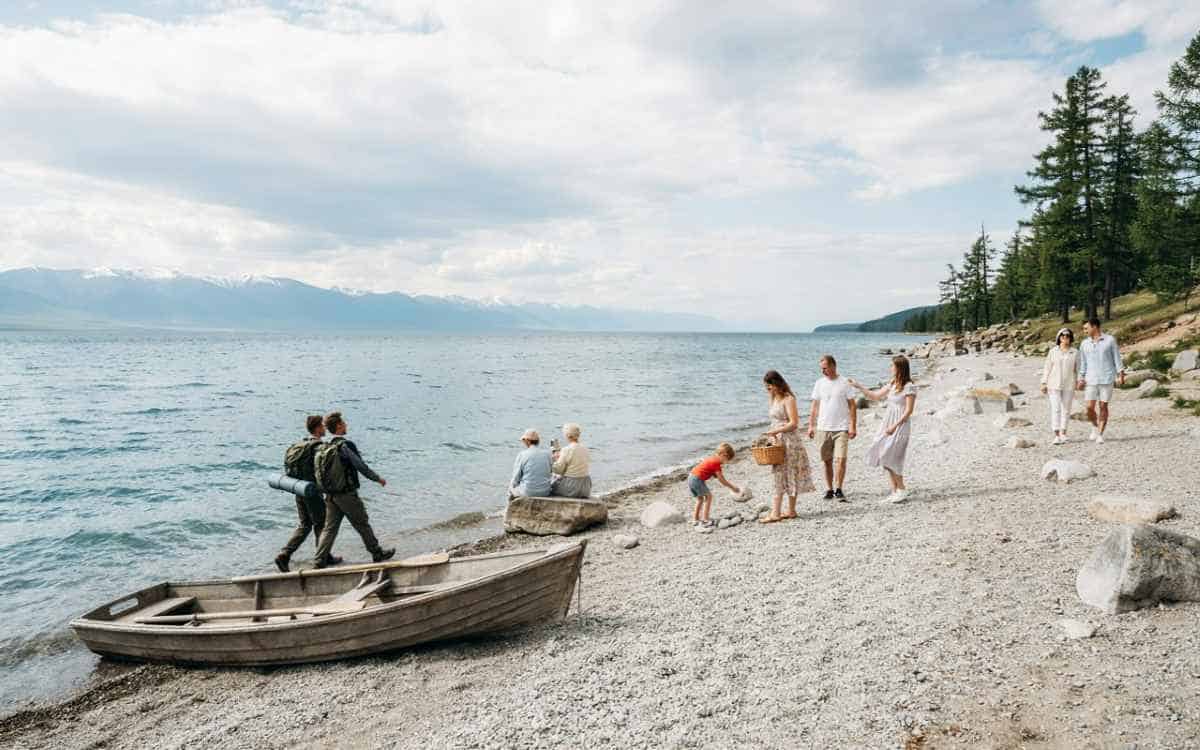
Russia, Moscow, Saint Petersburg, Sochi, Kazan, Lake Baikal, Altai and Murmansk are all receiving considerable attention in a domestic tourism market that made 43.2 million trips in January-June 2026, an increase of 4.3 per cent from the same period the previous year. It’s clear from the new numbers that Russians are still travelling around their country, with big cities, coastal destinations, cultural locations and nature-driven locales all sharing in the action. But what makes the travel story compelling is the fact that it’s not just about traditional routes like Moscow and Saint Petersburg or southern destinations but that nature-driven locales and northern destinations are enticing tourists into further travels too.
Moscow And Saint Petersburg Remain The Big Pair
Moscow recorded 6.4 million tourist trips during the first half of 2026, making it Russia’s leading destination by volume. Saint Petersburg followed with 3.3 million, placing it alongside Moscow as one of the country’s strongest urban tourism corridors.
Advertisement
Advertisement
The Moscow–Saint Petersburg route remains particularly important for domestic and cultural tourism. The two cities combine museums, historic architecture, major cultural institutions, restaurants and events, while high-speed rail provides a direct connection between the metropolitan centres.
The route has long been one of Russia’s most heavily travelled tourist corridors. Passenger traffic between Moscow and Saint Petersburg increased substantially over the past decade, supported by high-speed rail and air services.
Advertisement
Advertisement
For travellers, that makes it possible to build a two-city itinerary around a single trip rather than treating the destinations as separate holidays.
Sochi Keeps The Black Sea In Play
Krasnodar Krai, home to Sochi and other Black Sea destinations, recorded 4.2 million tourist trips in the first half of 2026, second only to Moscow among Russia’s regions.
Advertisement
Advertisement
The region remains a major leisure destination, with coastal resorts attracting visitors for beaches, mountain experiences, hotels and year-round recreation.
Sochi also provides access to the Caucasus Mountains, allowing travellers to combine seaside stays with mountain tourism around areas such as Krasnaya Polyana.
Advertisement
Advertisement
The wider southern tourism market remains a significant part of domestic travel, although booking patterns have also shown greater attention to accommodation prices and shorter holidays.
Kazan Adds A Cultural Detour
Tatarstan recorded 1.5 million tourist trips during January–June, placing it among Russia’s leading regional destinations.
Kazan is a major draw within the republic, combining historic architecture, Islamic heritage, museums, food traditions and contemporary city tourism.
The destination also fits neatly into Russia’s growing cultural-tourism network, giving domestic travellers an alternative to the country’s two largest cities while offering a distinct regional identity.
Advertisement
Advertisement
Baikal Is Pulling Nature Travellers East
Now comes the nature-heavy part of the itinerary.
Lake Baikal continues to record rising tourism demand. The Bank of Russia reported that tourist traffic around Baikal continued growing during February and March 2026, although at a slower pace than the previous year. Accommodation providers also reported later bookings and stronger demand for smaller-format stays.
Baikal’s appeal is straightforward: the world’s deepest lake offers landscapes, hiking, winter experiences, wildlife and access to destinations around Irkutsk and Buryatia.
Tour operators also identified Baikal as one of the leading excursion destinations for summer 2026, accounting for around 10% of organised excursion-tour demand in the cited market assessment.
Altai Is Becoming A Major Nature Circuit
The Altai region is another destination moving firmly into the national tourism spotlight.
The Republic of Altai recorded 2.8 million tourists in 2025, while visitor spending increased sevenfold over five years to 8.4 billion roubles, according to figures presented in August 2026.
Advertisement
Advertisement
The Manzherok resort has become a major component of the region’s tourism infrastructure, with hotels, restaurants, spa facilities, cable cars, ski routes and ecological trails supporting year-round travel.
During the 2025/26 winter season, Manzherok welcomed 530,000 visitors, up 10% year on year.
That expanding infrastructure gives travellers more options to combine outdoor recreation with comfortable accommodation rather than relying exclusively on remote expedition-style travel.
Murmansk Opens The Arctic Route
Further north, Murmansk is becoming increasingly important for Arctic-focused tourism.
More than 302,000 people stayed in accommodation facilities across Murmansk Region during the first half of 2026, including more than 37,600 international visitors.
The region’s Kola Peninsula provides access to Arctic landscapes, northern coastal scenery and aurora-focused travel during the darker months.
Advertisement
Advertisement
Murmansk also recorded one of the strongest increases in tourism among Russia’s north-western regions during the first half of 2026.
Better Connectivity Is Widening The Map
Transport is playing a crucial role in spreading domestic tourism. Russia’s domestic aviation network exceeded 1,500 routes, including about 1,400 regional routes that bypass Moscow, according to transport authorities. In 2025, domestic flights carried almost 81.5 million passengers.
That network gives travellers more direct options for reaching regional destinations and supports multi-stop journeys across a country where distances can otherwise make travel challenging.
Rail remains equally important for established corridors, particularly Moscow–Saint Petersburg, while regional infrastructure investment is supporting newer tourism destinations.
Key Stats
- 43.2 million: Domestic tourist trips in January–June 2026.
- 4.3%: Year-on-year growth.
- 6.4 million: Tourist trips to Moscow.
- 4.2 million: Trips to Krasnodar Krai.
- 3.3 million: Trips to both Moscow Region and Saint Petersburg.
- 1.5 million: Trips to Tatarstan.
- 2.8 million: Tourists received by the Republic of Altai in 2025.
- 530,000: Visitors to Manzherok during winter 2025/26.
Timeline and Events
January–June 2026: Russia recorded 43.2 million domestic tourist trips.
February–March 2026: Tourism traffic around Lake Baikal continued to grow.
Advertisement
Advertisement
2025/26 winter season: Manzherok recorded 530,000 visitors.
January–June 2026: Murmansk Region registered more than 302,000 guests in accommodation facilities.
FAQ
1. How many domestic trips did Russia record in H1 2026?
Russians made 43.2 million tourist trips across the country, 4.3% more than during the same period in 2025.
2. Which destinations are leading Russian domestic tourism?
Moscow, Krasnodar Krai, Moscow Region, Saint Petersburg and Tatarstan recorded the highest numbers of tourist trips.
3. Which nature destinations are gaining attention?
Lake Baikal, Altai and Murmansk are among the regions attracting strong interest for nature, adventure and Arctic-oriented travel.
Dates
January–June 2026: 43.2 million domestic tourist trips recorded.
Advertisement
Advertisement
April 2026: Tourism monitoring reported continued Baikal growth.
August 2026: New national tourism figures highlighted domestic growth and continued investment in regional destinations.
Conclusion
The geography of domestic tourism in Russia extends over an incredibly wide range of destinations. Moscow and St. Petersburg still generate an immense volume, but Sochi and Kazan remain important vacation spots. Meanwhile, Baikal, Altai, and Murmansk are reinforcing the nature and adventure tourism offer of Russia. The increased availability of flights to regional airports and the presence of fast rail lines make the tourism story of 2026 increasingly about where people want to go from here on out.
Advertisement
