
Estonia Partners With Poland And More to Reveal Europe’s Underrated Christmas Travel Gems

Published
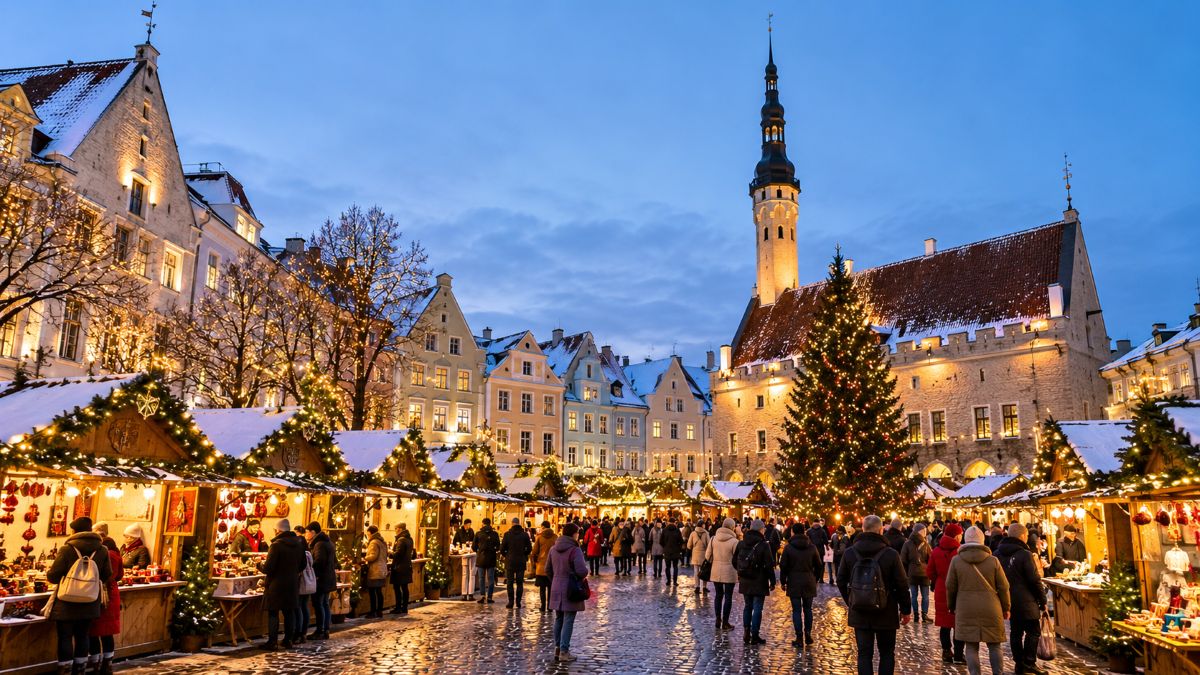
Europe’s Christmas markets are preparing to welcome winter visitors as travellers increasingly look beyond the continent’s most famous festive destinations. While Vienna and Prague remain popular choices for seasonal city breaks, Tallinn, Gdansk, Riga, Bratislava and Vilnius are attracting attention for their historic settings, regional food traditions, handmade gifts and more intimate festive atmospheres. These destinations offer alternatives for visitors seeking cultural experiences alongside traditional Christmas celebrations, with medieval squares, illuminated streets and seasonal stalls creating distinctive winter backdrops.
Recent travel industry research has highlighted five comparatively underrated Christmas market destinations, using monthly online search interest as one measure of traveller curiosity. Tallinn recorded approximately 10,000 monthly searches, followed by Gdansk with 8,000, Riga with 7,000, Bratislava with 5,000 and Vilnius with 2,000. These figures suggest differing levels of online interest rather than confirmed visitor totals or bookings. Together, the destinations demonstrate the breadth of Europe’s winter tourism offering and the opportunities available to travellers willing to explore beyond established Christmas market circuits.
Why Underrated Christmas Markets Matter for European Tourism
Christmas markets have become an important part of Europe’s winter travel economy, combining cultural heritage, seasonal retail, regional gastronomy and entertainment. Their appeal extends beyond shopping, allowing visitors to experience historic city centres through local traditions, public celebrations and distinctive winter landscapes.
For destinations outside the most heavily promoted Christmas market circuit, the festive season can create opportunities to attract international visitors during a period when colder weather and shorter daylight hours may otherwise discourage some leisure travel. Market events can support accommodation providers, restaurants, independent retailers, craft producers and local transport services.
Advertisement
Advertisement
However, describing a destination as underrated does not necessarily mean that it is inexpensive, uncrowded or undiscovered. Demand varies according to weekends, school holidays, transport connections and the popularity of particular events. Travellers should therefore compare accommodation prices, travel arrangements and event schedules before making bookings.
Tallinn Brings Medieval Charm to Estonia’s Christmas Travel Season
Tallinn, Estonia’s capital, leads the five destinations in reported monthly search interest. Its historic Old Town provides a distinctive setting for a Christmas market, with medieval architecture, cobbled streets and traditional buildings creating a recognisable northern European winter atmosphere.
Advertisement
Advertisement
Visitors can explore seasonal stalls selling crafts, decorations and locally produced gifts while sampling Estonian festive food. The city’s historic character makes it suitable for travellers interested in combining Christmas shopping with museums, architectural discoveries and walks through established heritage districts.
Tallinn’s compact centre can also make it practical for a short winter break. Travellers can organise much of a visit around the Old Town, although icy pavements, low temperatures and limited daylight require appropriate clothing and sensible planning.
Advertisement
Advertisement
The city’s appeal extends beyond the market itself. Its restaurants, cultural venues and historic streets offer alternatives for visitors who want to divide their time between seasonal activities and wider sightseeing. Those planning a December visit should confirm the official market dates and opening hours for the relevant year before travelling.
Gdansk Combines Polish Food Traditions With Coastal Character
Gdansk, on Poland’s Baltic coast, offers a different setting for festive tourism. Its restored historic centre, distinctive architecture and maritime heritage provide a backdrop for a Christmas market that combines traditional seasonal attractions with regional products and food.
Market visitors can browse handmade decorations, jewellery, crafts and locally produced gifts. Food is another important part of the experience, with Polish specialities such as pierogi, smoked cheeses and warming seasonal drinks contributing to the atmosphere.
The city’s coastal identity distinguishes it from many inland Central European Christmas market destinations. Travellers can combine a market visit with walks through historic streets, cultural attractions and exploration of the waterfront, depending on weather conditions and opening schedules.
Advertisement
Advertisement
Gdansk may appeal particularly to visitors seeking a festive break with more than one focus. Its historic centre provides opportunities for architecture and cultural sightseeing, while local restaurants offer a broader introduction to Polish cuisine.
Winter visitors should account for cold winds and potentially wet or icy conditions. Accommodation close to the centre can reduce the need for repeated journeys, although prices and availability may vary significantly during peak December weekends.
Riga Offers Latvian Craftsmanship and Distinctive Architecture
Riga, Latvia’s capital, provides another Baltic option for travellers exploring Christmas markets beyond the most publicised destinations. Its historic centre and internationally recognised Art Nouveau architecture contribute to an urban setting that differs from the medieval character of Tallinn and the maritime atmosphere of Gdansk.
Seasonal markets showcase locally made ornaments, knitted products, gifts and other crafts. These stalls can provide visitors with opportunities to discover regional craftsmanship while purchasing items that reflect local traditions rather than standardised souvenirs.
Latvian festive food and seasonal entertainment also contribute to the experience. Depending on the programme, visitors may encounter performances, public celebrations and activities that bring residents and international guests together in central squares.
Riga is particularly suitable for travellers interested in combining festive shopping with architectural exploration. The city’s historic districts offer opportunities to appreciate different periods of European urban development, while cafés and restaurants provide places to take breaks during cold winter days.
Advertisement
Advertisement
For international visitors, Riga can form part of a wider Baltic itinerary alongside Tallinn and Vilnius. Such a journey requires attention to transport schedules, border-crossing arrangements where relevant and the time needed to explore each city properly. A slower itinerary may offer a more rewarding experience than attempting to visit every market in a short period.
Bratislava Provides a Compact Slovak Christmas Market Experience
Bratislava, Slovakia’s capital, presents a festive city-break option for visitors who prefer a manageable historic centre and opportunities to explore on foot. Its Christmas market activity is spread across central squares, where stalls typically feature locally made crafts, seasonal gifts and traditional Slovak food.
Roasted meats, pastries and hot drinks form part of the seasonal culinary offering, giving visitors an introduction to regional tastes. The combination of food, crafts and historic surroundings makes the market suitable for couples, families and independent travellers planning a short winter holiday.
Bratislava’s geographical position also allows it to be considered within a broader Central European itinerary. Visitors may combine their stay with other destinations, provided transport schedules and accommodation arrangements are planned carefully. Connections should be checked for the actual travel dates rather than assumed from geographical proximity alone.
The city’s compact layout can make it easier to combine market visits with sightseeing. Nevertheless, the level of activity and crowding varies across the season, particularly during weekends and the days immediately preceding Christmas.
Travellers should also distinguish between a quieter atmosphere and lower overall costs. Accommodation, restaurant prices and transport fares depend on demand, so advance comparisons remain important when choosing a festive break.
Advertisement
Advertisement
Vilnius Adds Lithuanian Heritage to the Winter Travel Market
Vilnius, Lithuania’s capital, completes the five destinations identified in the travel industry research. Its historic Old Town and Cathedral Square provide a setting for seasonal celebrations, with the city’s Christmas tree display serving as a major visual feature of the festive period.
The market offers visitors opportunities to experience Lithuanian seasonal traditions, explore local crafts and discover regional food. The surrounding historic streets and architectural landmarks make it possible to combine the festive programme with broader cultural sightseeing.
Vilnius recorded approximately 2,000 monthly searches in the research, the lowest figure among the five destinations. That measure does not establish that the city receives the fewest visitors or offers the lowest prices. Search interest is only one indicator of consumer awareness and can vary according to language, search behaviour and seasonal publicity.
For travellers seeking an alternative to busier Christmas market circuits, Vilnius may provide an appealing balance between festive attractions and heritage exploration. Its inclusion in a Baltic itinerary can also help visitors compare the different cultural identities of Lithuania, Latvia and Estonia.
As with the other destinations, travellers should verify the annual event programme, opening dates and local transport arrangements before departure. Winter conditions may affect walking routes and travel times, making flexible planning particularly valuable.
Comparing Europe’s Five Underrated Christmas Markets
The following table summarises the five destinations and their reported monthly search interest, alongside the principal characteristics highlighted in the travel industry research.
Advertisement
Advertisement
| Destination | Country | Monthly searches reported | Main festive attraction |
|---|---|---|---|
| Tallinn | Estonia | 10,000 | Medieval Old Town and traditional crafts |
| Gdansk | Poland | 8,000 | Polish food, artisan stalls and coastal heritage |
| Riga | Latvia | 7,000 | Latvian crafts and Art Nouveau surroundings |
| Bratislava | Slovakia | 5,000 | Compact city centre and traditional Slovak food |
| Vilnius | Lithuania | 2,000 | Cathedral Square and Christmas tree display |
The figures reflect the research cited in the original announcement and should be understood as reported search estimates, not audited tourism statistics. The methodology, measurement period and geographic distribution of searches would need to be examined before drawing firm conclusions about the relative popularity of the destinations.
The comparison nevertheless illustrates how different European cities can offer distinct seasonal experiences. Tallinn emphasises medieval character, Gdansk combines festive traditions with coastal identity, Riga highlights architecture and crafts, Bratislava offers a compact urban setting, and Vilnius combines Christmas celebrations with a historic cityscape.
Search Interest Offers Clues but Does Not Predict Visitor Numbers
Online search activity can help travel businesses understand which destinations are attracting attention. However, search interest is not a direct measurement of completed bookings, airport arrivals, hotel occupancy or visitor expenditure.
A destination may generate substantial curiosity without converting that interest into travel. Conversely, a city with fewer searches may attract visitors through established regional connections, repeat travel, recommendations or packaged holidays.
For Christmas market operators and destination management organisations, search data can therefore serve as one element of a wider research strategy. Accommodation performance, transport capacity, visitor surveys, spending patterns and feedback from local businesses provide additional evidence about tourism demand.
The reported figures also raise questions about how travellers discover alternative destinations. Social media, editorial coverage, travel advisers and recommendations from previous visitors can influence awareness, but the effect differs between markets and traveller groups.
Advertisement
Advertisement
For the five cities, sustained interest will depend not only on promotional visibility but also on the quality of the visitor experience. Clear information, accessible public spaces, reliable transport and well-managed events can help turn initial curiosity into repeat visits and positive recommendations.
Traditional Food and Handmade Gifts Strengthen the Cultural Appeal
One reason Christmas markets remain attractive is their ability to combine retail activity with cultural discovery. Food stalls introduce visitors to regional dishes, while craft sellers provide a connection to local materials, skills and traditions.
In Tallinn, traditional festive treats complement the city’s medieval surroundings. Gdansk brings Polish specialities and handmade products into its seasonal offering, while Riga highlights knitwear, ornaments and other locally crafted gifts. Bratislava offers Slovak winter dishes, and Vilnius places its celebrations within a historic urban landscape.
These experiences can encourage visitors to spend time in local restaurants, cafés and independent shops beyond the market itself. They also create opportunities for small producers and craftspeople to reach international audiences.
However, the presence of traditional products does not automatically guarantee that every item is locally made. Travellers interested in supporting regional producers can ask sellers about the origin of their products and choose businesses that provide clear information about materials and production.
Responsible purchasing can contribute to a more meaningful holiday while helping visitors distinguish locally rooted crafts from mass-produced souvenirs.
Advertisement
Advertisement
Practical Planning for a European Christmas Market Holiday
The timing of a Christmas market trip can influence its cost, atmosphere and convenience. December weekends often attract visitors seeking festive activities, while weekdays may offer a different balance of crowd levels and accommodation availability. These patterns vary by destination and should not be treated as guarantees.
Travellers should check the confirmed opening dates for the year of travel, since individual markets do not necessarily follow identical schedules. Some events may begin in November, while others operate only during a shorter period. Opening hours can also change around public holidays.
Winter clothing is essential across the five destinations. Waterproof outerwear, warm layers and footwear with good grip can make walking more comfortable, particularly where pavements are icy or wet. Visitors should also allow for shorter daylight hours when planning outdoor sightseeing.
Transport planning deserves equal attention. Travellers should compare flights, rail services and local public transport according to their departure point and itinerary. Those visiting more than one country should consider how much time each transfer requires and whether additional overnight stays are necessary.
Booking accommodation early may offer more choice during popular dates, although travellers should compare cancellation conditions and total costs before committing. A central location can reduce local travel requirements, but the most suitable accommodation depends on budget, accessibility needs and personal preferences.
What the Trend Means for Europe’s Winter Tourism Sector
The attention given to these five markets reflects a wider opportunity for European destinations to diversify their seasonal tourism offering. Well-known Christmas market cities remain important attractions, but lesser-known destinations can also appeal to visitors seeking regional food, historic settings and cultural experiences.
Advertisement
Advertisement
For destination managers, the challenge is to encourage demand without undermining the qualities that make these places attractive. If a city promotes its market as an intimate alternative, effective crowd management, public transport planning and protection of historic spaces become important parts of the visitor experience.
Local communities also have a role in shaping the benefits of festive tourism. Markets can generate trade for small businesses, but increased demand may place pressure on public spaces, accommodation and transport infrastructure. Monitoring these effects can help authorities balance visitor spending with residents’ needs.
The five destinations are not interchangeable, and their appeal will depend on individual travel priorities. Some visitors may value architecture and cultural institutions, while others may prioritise food, shopping or opportunities to explore several cities during one winter holiday.
The reported search figures provide a useful starting point for discovery, but the strongest destination choice will depend on verified event details, travel costs and the experience each city can offer.
Frequently Asked Questions About Europe’s Underrated Christmas Markets
1. Which European Christmas market ranked highest in the reported search figures?
Tallinn, Estonia, ranked highest among the five destinations, with approximately 10,000 monthly searches reported in the travel industry research.
Advertisement
Advertisement
2. Which Christmas markets were highlighted as underrated?
The five destinations were Tallinn in Estonia, Gdansk in Poland, Riga in Latvia, Bratislava in Slovakia and Vilnius in Lithuania.
3. Why is Tallinn a popular choice for a Christmas market holiday?
Tallinn combines a medieval Old Town, traditional crafts, seasonal food and historic architecture, creating a distinctive setting for a winter city break.
4. What makes Gdansk different from other European Christmas markets?
Gdansk combines a historic city centre and artisan stalls with Polish festive cuisine and a Baltic coastal setting.
Advertisement
Advertisement
5. What can visitors experience at Riga’s Christmas markets?
Visitors can explore handmade crafts, knitted products, seasonal gifts and Latvian food while discovering the city’s historic squares and distinctive architecture.
6. Is Bratislava suitable for a short Christmas market break?
Bratislava can suit a short break because its central market areas and historic attractions can be combined within a relatively compact city centre.
7. What is the main festive attraction in Vilnius?
Vilnius is known for its Christmas celebrations around Cathedral Square, including its prominent seasonal Christmas tree display and historic surroundings.
Advertisement
Advertisement
8. When should travellers visit European Christmas markets?
Many travellers choose November or December, but opening dates differ between destinations and years. Visitors should confirm the official schedule before booking.
9. Are underrated Christmas markets necessarily cheaper than famous markets?
No. Lower search interest does not guarantee lower prices. Accommodation, transport, dining and event costs vary according to dates and demand.
10. Can travellers visit several of these Christmas markets in one trip?
Yes. Tallinn, Riga and Vilnius can be considered for a Baltic itinerary, while Bratislava and Gdansk may fit into wider European travel plans. Transport connections, journey times and accommodation should be checked before finalising an itinerary.
Advertisement
