
October Travel Takes Over Europe as Berlin, Paris, and Others Become Must-Visit Autumn Hotspots

Published
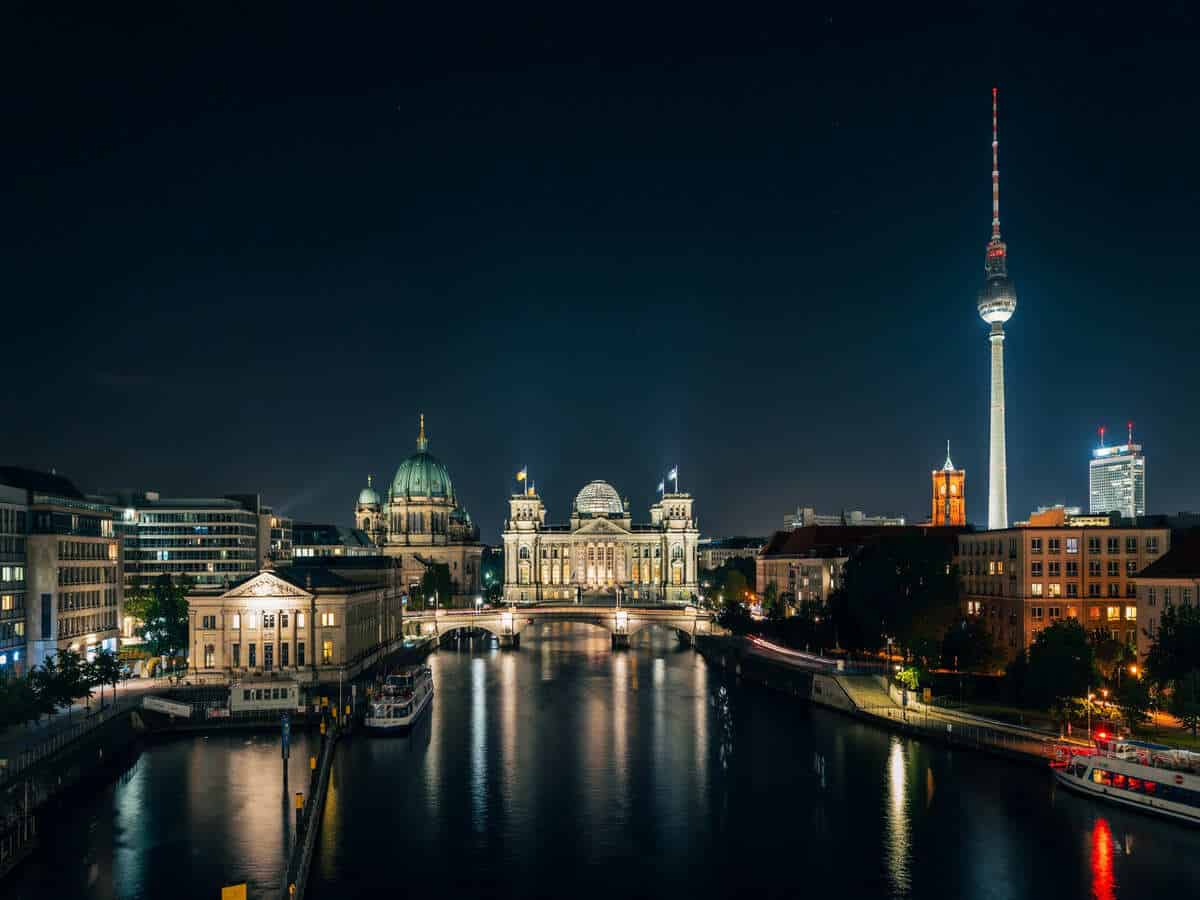
European cities are turning October into one of the most compelling months for urban travel, with Berlin, Paris, Vienna, Rome, Amsterdam, Munich, Edinburgh, Copenhagen, Budapest, Stockholm, Tallinn, and Ljubljana standing out for autumn tourism in 2026. Major festivals, cultural events, fall colors, seasonal food, cooler weather, and fewer peak-summer crowds are giving travelers strong reasons to plan city breaks throughout the month.
October is rapidly becoming one of the most attractive months for European urban breaks. Major destinations are extending their visitor season beyond summer. Light festivals brighten Germany. Art dominates France. Wine and culture energize Austria. Film and history strengthen Italy. Music drives Amsterdam. Halloween transforms Edinburgh. The result is a powerful shoulder-season shift. Travelers now have more reasons to choose Europe when summer crowds begin disappearing.
Advertisement
Advertisement
October 2026 European Autumn Tourism Comparison: European Cities in Focus for Autumn Tourism
| City | Country | Why it is in focus for October tourism | Important October 2026 events / attractions | Strongest tourism segment | Best period in October | Autumn advantage | Research assessment |
|---|---|---|---|---|---|---|---|
| Berlin | Germany | Berlin has one of Europe’s strongest event-led October tourism propositions. Autumn colour combines with major cultural programming and nighttime attractions. | Festival of Lights, 9–18 Oct; Berlin Food Week; exhibitions and autumn cultural programmes. The tourism board says more than 3 million people attended the light festival the previous year, while October 2025 recorded around 1.1 million visitors and 2.7 million hotel nights. | Culture, photography, nightlife, city breaks | 9–18 Oct | Illuminated landmarks plus colourful parks and cooler walking weather | Very High |
| Paris | France | October marks the start of a particularly dense arts, exhibition, gastronomy and fashion period in Paris. The official tourist office describes October as packed with major exhibitions, festivals, concerts and family events. | Art Basel Paris, 23–25 Oct; Salon du Chocolat, 28 Oct–1 Nov; Salon de la Photo, 8–11 Oct; Montmartre Grape Harvest Festival; major Musée d’Orsay exhibitions | Art, luxury, gastronomy, couples, culture | 23–31 Oct | Golden gardens, café culture and a huge indoor cultural offer if weather turns wet | Very High |
| Vienna | Austria | Vienna Tourism is making autumn a distinct seasonal proposition around vineyards, art, neighbourhoods, food and parks. | Vienna Autumn Days, 9–11 Oct; major Albertina autumn exhibitions; design and art programming; wine and culinary experiences. | Culture, wine, food, museums, couples | 9–18 Oct | Vineyards within the city, autumn parks and powerful museum alternatives during bad weather | Very High |
| Rome | Italy | Rome’s official tourism portal has created a dedicated October 2026 programme covering exhibitions, concerts, festivals, children’s attractions and lesser-known itineraries. | Rome Film Fest, 13–25 Oct; Rome Art Week, 19–25 Oct; FAI Autumn Days, 10–11 Oct; Keith Haring exhibition from 2 Oct. | Heritage, cinema, art, history, gastronomy | 13–25 Oct | Comfortable season for long archaeological and neighbourhood walks compared with midsummer heat | Very High |
| Amsterdam | Netherlands | Amsterdam Tourism explicitly promotes autumn as one of the city’s most attractive seasons, highlighting foliage, canals, cosy interiors and a packed cultural programme. | Amsterdam Dance Event, 21–25 Oct; Amsterdam Marathon, 17–18 Oct; Cinekid, 10–25 Oct; Black Achievement Month. | Music, nightlife, culture, photography, younger travellers | 17–25 Oct | Canal-side autumn colour; Amsterdam has more than 400,000 trees, according to the tourism board | Very High |
| Munich | Germany | Munich moves smoothly from Oktoberfest into a second phase of autumn tourism driven by fairs, museums, sport, food and Bavarian traditions. | Marathon München, 11 Oct; Munich Highlights art fair, 15–18 Oct; Long Night of Museums, 17 Oct; Auer Dult, 17–25 Oct; Residence Week, 16–25 Oct. | Traditional culture, food, families, sport, museums | 16–25 Oct | English Garden foliage, chestnut season, Bavarian food and easier countryside excursions | Very High |
| Edinburgh | Scotland, UK | Edinburgh actively markets autumn around dramatic landscapes, historic streets, storytelling, whisky, Halloween and its darker cultural identity. | Edinburgh Cocktail Week, 2–11 Oct; Whisky Festival, 10 Oct; Halloween Happenings, 10 Oct–1 Nov; Scottish International Storytelling Festival, 21–31 Oct. | History, Halloween, whisky, literature, atmospheric breaks | 21–31 Oct | Exceptional seasonal atmosphere as historic architecture, darker evenings and autumn foliage converge | Very High |
| Copenhagen | Denmark | Copenhagen’s tourism authority has built an explicit autumn campaign around foliage, museums, coffee culture and hygge, describing autumn as less crowded and particularly suited to cosy city experiences. | Seasonal museum exhibitions, King’s Garden and Deer Park foliage; Frederiksborg Castle autumn family programme, 10–25 Oct. | Lifestyle, design, families, food, couples | 10–25 Oct | One of Europe’s strongest destinations for the indoor-outdoor autumn combination | High |
| Budapest | Hungary | Budapest combines thermal tourism, gastronomy and an increasingly strong seasonal food proposition—particularly useful as temperatures fall. | Autumn on the Plate, 8–18 Oct, featuring seasonal Hungarian dishes, tasting menus, pairings and special events across participating Budapest restaurants and hotels. | Food, spas, value city breaks, couples | 8–18 Oct | Thermal bathing becomes increasingly attractive as outdoor temperatures cool | High |
| Stockholm | Sweden | Stockholm’s current official tourism promotion gives October a strong cultural identity around architecture, science and music. | Open House Stockholm, 2–4 Oct; Nobel Calling Stockholm, 5–12 Oct; Stockholm Jazz Festival, 9–18 Oct. | Culture, design, architecture, music | 5–18 Oct | Strong contrast between autumn waterfront scenery and high-quality indoor culture | High |
| Tallinn | Estonia | Tallinn offers a compact medieval environment backed by food, architecture, jazz and seasonal cultural programmes. Its official tourism homepage prominently features autumn travel. | Foodlover Restaurants Week, 7–18 Oct; Open House Tallinn, 9–11 Oct; Autumn Jazz through 14 Oct; Tallinn International Horse Show, 2–4 Oct. | Food, medieval heritage, architecture, value tourism | 7–18 Oct | Atmospheric Old Town, Kadriorg foliage and relatively compact sightseeing | High |
| Ljubljana | Slovenia | Ljubljana works particularly well as an active autumn break because the historic core, riverside areas and green spaces remain easy to explore while major sporting events generate additional October demand. | European Table Tennis Championships, 11–18 Oct; 30th Ljubljana Marathon, 17–18 Oct; ARTish and seasonal markets. The marathon brings thousands of runners and visitors into the city. | Active tourism, short breaks, sport, sustainable travel | 11–18 Oct | Compact scale makes it easy to combine urban tourism with nearby natural landscapes | High |
Why Is October Becoming a Major Travel Month Across Europe?
October is no longer simply a quiet period between the summer vacation rush and the Christmas market season. Across Europe, tourism authorities and city destinations are increasingly using the month to attract visitors with cultural festivals, food events, exhibitions, sports competitions, and seasonal outdoor experiences. Cooler temperatures make walking tours easier in southern Europe, while northern and central European cities benefit from dramatic fall foliage and a cozy indoor atmosphere.
Travel demand also becomes more diverse during October. Visitors are no longer traveling only for traditional sightseeing. Many are planning trips around specific experiences, including art fairs, light festivals, concerts, food weeks, marathons, film festivals, and seasonal celebrations.
Advertisement
Advertisement
That shift is particularly visible in cities such as Berlin, Paris, Vienna, and Amsterdam, where major events run throughout the month. Rather than competing directly with summer beach tourism, these destinations are building a separate autumn identity designed around culture, atmosphere, and city life.
Why Is Berlin One of Europe’s Strongest October Destinations?
Berlin stands among the most prominent European destinations for October tourism because it combines large-scale events with a strong urban cultural scene. One of its biggest attractions is the Festival of Lights, which transforms famous landmarks into illuminated installations and draws large numbers of visitors into the city center.
Advertisement
Advertisement
The event gives Berlin a visual identity that fits perfectly with darker autumn evenings. Major buildings, monuments, and public spaces become part of the experience, encouraging tourists to explore the city after sunset.
Berlin also benefits from extensive museums, nightlife, restaurants, historic neighborhoods, and green spaces that take on fall colors during October.
The city’s tourism performance has already shown that October can generate substantial visitor demand. This means Berlin is not relying only on seasonal scenery. It has built a broad tourism product around cultural programming and entertainment.
For travelers seeking nightlife, photography, modern culture, history, and major public events, Berlin remains one of the strongest October choices in Europe.
Why Does Paris Become Especially Attractive During October?
Paris gains a different kind of energy in October as the city shifts from peak summer tourism toward art, fashion, food, and major cultural events. The month is filled with exhibitions, fairs, concerts, and seasonal experiences that appeal to both international visitors and domestic travelers.
Art Basel Paris is one of the most important events on the calendar, attracting collectors, galleries, cultural travelers, and industry professionals. Later in the month, food-focused events such as the Salon du Chocolat strengthen the city’s reputation as a global culinary capital.
Advertisement
Advertisement
Autumn also changes the atmosphere of Paris. Parks and gardens develop golden colors, temperatures become cooler, and neighborhoods such as Montmartre feel more relaxed outside the busiest summer period.
Visitors can combine outdoor sightseeing with museums, cafes, shopping, and indoor attractions when the weather changes.
For travelers interested in art, luxury, gastronomy, fashion, architecture, and romantic city breaks, Paris remains one of Europe’s most versatile autumn destinations.
Why Is Vienna Particularly Well Suited to Autumn Travel?
Vienna stands out because autumn fits naturally with the city’s culture, food, vineyards, parks, and historic character. Unlike destinations that depend heavily on one major October event, Vienna offers a broad seasonal experience across the entire city.
Its surrounding vineyards become especially attractive during fall, while traditional wine taverns give visitors an opportunity to experience local food and drink close to the urban center. Parks and gardens also develop strong autumn colors, creating attractive walking routes through the city.
Seasonal programs, exhibitions, and events add another layer to Vienna’s tourism appeal. Museums remain central to the visitor experience, while cooler weather makes cultural sightseeing more comfortable.
Advertisement
Advertisement
Vienna also performs well for travelers who prefer slower and more relaxed city breaks. Visitors can combine architecture, coffeehouses, music, markets, wine, and neighborhood exploration without relying on a rigid schedule.
This combination makes Vienna particularly appealing to couples, cultural travelers, food lovers, and visitors seeking a refined European autumn atmosphere.
Why Is Rome Gaining Attention as an October City-Break Destination?
Rome becomes especially attractive in October because the weather generally allows travelers to explore the city more comfortably than during the hottest summer months. Walking around archaeological sites, historic streets, piazzas, and neighborhoods becomes easier as temperatures moderate.
The city also benefits from a strong cultural calendar. The Rome Film Fest brings international attention to cinema, while Rome Art Week creates opportunities for visitors to explore galleries, exhibitions, museums, and contemporary cultural spaces.
These events expand Rome’s tourism appeal beyond ancient monuments and religious landmarks.
October also encourages travelers to explore parts of the city they may overlook during short peak-season visits. Cooler weather supports longer walking tours, outdoor dining, park visits, and neighborhood exploration.
Advertisement
Advertisement
Rome remains particularly attractive to travelers who want history and modern culture in the same trip. Visitors can move from ancient ruins and Renaissance architecture to film festivals and contemporary art within a single day.
That diversity helps make October one of Rome’s strongest shoulder-season travel periods.
Why Does Amsterdam Appeal to Autumn Travelers?
Amsterdam becomes highly attractive in October because it combines seasonal scenery with a powerful cultural and entertainment calendar. Its canals, historic buildings, and tree-lined streets create a distinctive autumn setting as leaves change color across the city.
The Amsterdam Dance Event is one of the biggest tourism drivers later in the month. The event brings concerts, parties, conferences, and music-industry programs to venues across the city, attracting international visitors and younger travelers.
The Amsterdam Marathon also creates additional demand, while family events and cultural programs expand the city’s appeal beyond nightlife.
Autumn works particularly well in Amsterdam because visitors can easily switch between outdoor and indoor experiences. Canal walks, cycling routes, and parks can be combined with museums, cafes, galleries, and restaurants.
Advertisement
Advertisement
The compact city layout also allows visitors to experience multiple neighborhoods without long travel times.
For music fans, cultural travelers, photographers, couples, and weekend visitors, Amsterdam provides one of Europe’s most complete October city-break packages.
Why Does Munich Stay Relevant After Oktoberfest?
Munich’s autumn tourism appeal extends far beyond Oktoberfest. While the famous beer festival dominates international attention at the beginning of the season, the city continues to host major cultural, sporting, and traditional events throughout October.
The Munich Marathon draws athletes and spectators, while the Long Night of Museums gives visitors extended access to cultural institutions. Seasonal fairs and traditional events continue to highlight Bavarian culture later in the month.
Munich’s green spaces also become a major attraction during autumn. The English Garden and other parks offer strong fall colors, while cooler temperatures make walking and cycling more pleasant.
Visitors can combine museums, traditional restaurants, markets, architecture, and day trips into the Bavarian countryside.
Advertisement
Advertisement
This makes Munich especially useful for travelers who want a German autumn experience without focusing exclusively on beer festivals.
The city offers tradition, outdoor scenery, food, history, and cultural programming in a balanced way, allowing October visitors to experience a quieter but still active side of Bavaria.
Why Is Edinburgh So Strong in Late October?
Edinburgh becomes increasingly atmospheric as October progresses. Its historic streets, medieval architecture, castles, darker evenings, and cooler weather create a setting that fits naturally with storytelling, history, and Halloween tourism.
The Scottish International Storytelling Festival is one of the most important cultural events toward the end of the month. Halloween programs, whisky events, and seasonal celebrations also strengthen Edinburgh’s tourism appeal.
Unlike destinations that depend on warm weather, Edinburgh benefits from its dramatic autumn conditions. Mist, shorter days, and changing foliage can actually enhance the city’s character.
Visitors can explore historic attractions, traditional pubs, museums, literary landmarks, and scenic viewpoints while also participating in seasonal events.
Advertisement
Advertisement
Edinburgh therefore attracts travelers seeking atmosphere rather than sunshine. It performs particularly well with visitors interested in history, literature, whisky, folklore, photography, and supernatural themes.
Late October is especially important, as Halloween-related experiences and storytelling events give the city a clear seasonal identity that few European destinations can match.
Why Are Copenhagen, Stockholm, Tallinn, and Budapest Important Alternatives?
Not every traveler wants the busiest European capitals, and several smaller or less crowded cities are building strong October tourism appeal.
Copenhagen focuses heavily on autumn lifestyle, combining colorful parks, design, museums, coffee culture, and the Danish concept of hygge. Cooler weather naturally supports the city’s cafes, restaurants, and indoor cultural attractions.
Stockholm also combines waterfront scenery with architecture, music, design, and seasonal events. Autumn colors around the Swedish capital create strong visual appeal.
Tallinn offers a different experience. Its medieval Old Town becomes especially atmospheric during fall, while food events, architecture programs, and cultural festivals add reasons to visit beyond sightseeing.
Advertisement
Advertisement
Budapest benefits from thermal spas, seasonal gastronomy, historic architecture, and relatively strong value compared with some Western European capitals.
Together, these cities show how October tourism is expanding beyond the biggest destinations.
Travelers increasingly have alternatives that combine fewer crowds, local atmosphere, strong food scenes, compact city centers, and distinct seasonal experiences.
Why Are Ljubljana and Other Smaller Cities Gaining Autumn Interest?
Ljubljana represents a broader European trend in which smaller capitals are becoming more attractive to travelers seeking manageable, active, and less congested city breaks.
The Slovenian capital has a compact historic center, riverside restaurants, green spaces, and easy access to nature. Major sporting events in October, including the Ljubljana Marathon, bring additional visitors and international visibility.
The city is particularly attractive for travelers who want to combine urban tourism with outdoor activity. Visitors can explore central Ljubljana and still reach natural landscapes relatively quickly.
Advertisement
Advertisement
Smaller European cities may also appeal to travelers concerned about overtourism in the continent’s most famous destinations. They often provide easier walking, shorter transfer times, and a more relaxed pace.
October strengthens these advantages because temperatures are cooler and peak-season congestion has declined.
Ljubljana therefore fits well with growing interest in sustainable tourism, active travel, short breaks, and secondary destinations.
Its rise demonstrates that Europe’s autumn tourism story is becoming increasingly diverse.
What Does Europe’s October Tourism Boom Mean for Travelers?
October 2026 shows that Europe’s city tourism season is becoming longer, more varied, and less dependent on summer. Major cities are using festivals, art, food, music, sport, and seasonal scenery to create powerful reasons for travelers to visit during autumn.
Berlin, Paris, Vienna, and Rome offer some of the broadest tourism programs. Amsterdam and Munich combine major events with strong seasonal atmosphere. Edinburgh benefits from Halloween, storytelling, and historic character. Copenhagen, Stockholm, Budapest, Tallinn, and Ljubljana provide compelling alternatives for travelers seeking different budgets, experiences, or crowd levels.
Advertisement
Advertisement
The strongest travel window stretches roughly from the second week of October through the final weekend, when many major events overlap across Europe.
For travelers, the advantage is choice. October can deliver art in Paris, lights in Berlin, wine in Vienna, cinema in Rome, electronic music in Amsterdam, history in Edinburgh, thermal relaxation in Budapest, or Nordic atmosphere in Copenhagen and Stockholm.
Autumn is no longer Europe’s waiting period between summer and winter. It has become a tourism season in its own right.
Europe’s October tourism momentum is being driven by a simple combination: better weather for sightseeing, fewer peak-season crowds, colorful landscapes, and an unusually strong calendar of festivals, food events, exhibitions, music, and cultural experiences. Berlin, Paris, Vienna, Rome, Amsterdam, Munich, Edinburgh, Copenhagen, Budapest, Stockholm, Tallinn, and Ljubljana each offer a different reason to travel. The answer is clear. October is no longer merely a transition between summer and winter. It has become a competitive city-break season. Travelers gain variety, atmosphere, and seasonal experiences, while destinations gain another valuable tourism window before Europe’s Christmas travel rush begins.
Advertisement
