
Massachusetts Rallies Alongside Connecticut, New York And More As Salem Leads US Witch Tourism With Over 1 Million Annual Visitors

Published
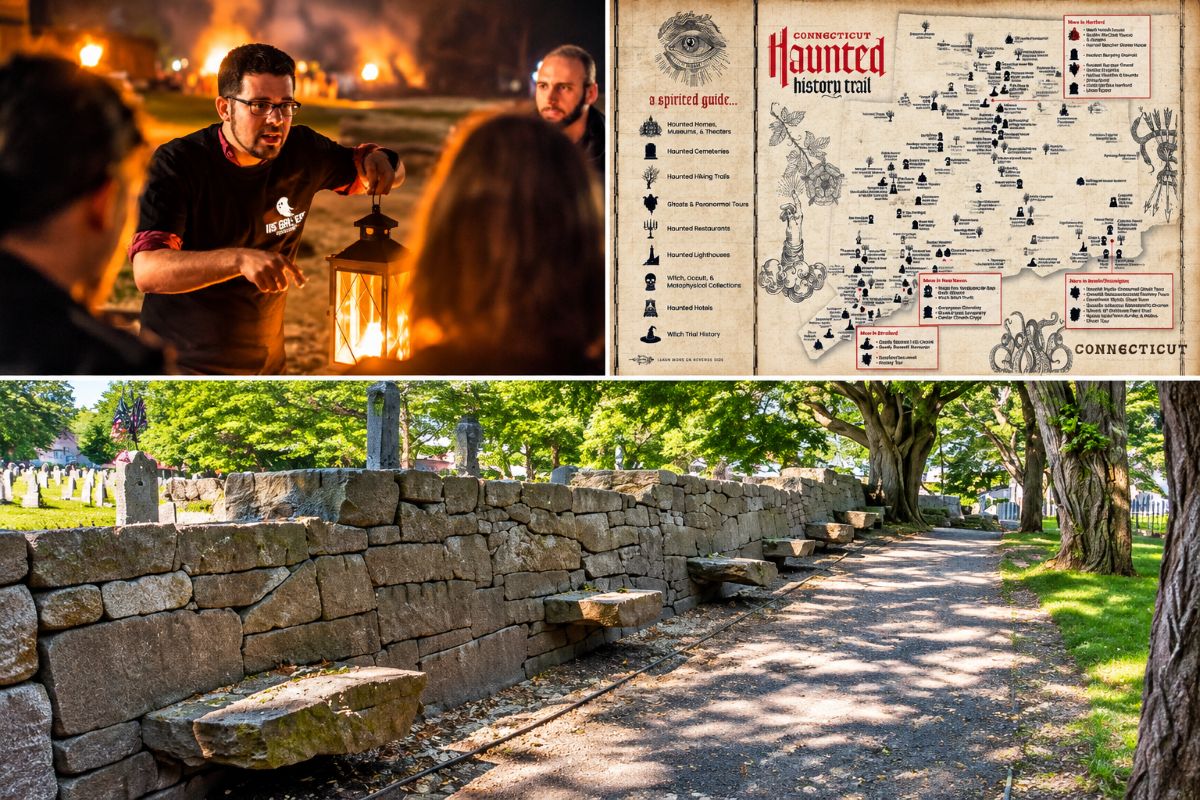
Image Credit: connecticutwitchtrials and salemheritagetrail
Massachusetts Rallies Alongside Connecticut, New York And More As Salem Leads US Witch Tourism With Over 1 Million Annual Visitors as America’s dark heritage travel sector continues attracting visitors through history, folklore and cultural experiences. Salem, Massachusetts remains the centre of US witch tourism because of its connection with the 1692 Salem Witch Trials and its internationally recognised Halloween season. Meanwhile, Connecticut and New York are expanding their own historical and haunted tourism offerings through colonial stories, heritage sites and seasonal events. The growth of this travel segment reflects increasing demand for immersive experiences where visitors explore real historical events, local traditions and community stories. With Salem welcoming more than 1 million visitors annually, witch tourism has developed into an important part of regional tourism economies, supporting museums, hotels, restaurants, retailers and cultural attractions.
Advertisement
Advertisement
Witch Tourism Emerges As A Major US Heritage And Halloween Travel Trend
Witch tourism has become one of the most distinctive forms of dark heritage tourism in the United States, combining colonial history, folklore, Halloween culture, museums, guided tours and local storytelling. Unlike traditional sightseeing, witch tourism attracts visitors who want to explore real historical events, cultural traditions and communities connected with witch trials and supernatural legends.
The strongest example is Salem, Massachusetts, internationally known as the “Witch City” because of the 1692 Salem Witch Trials. The city welcomes around 1 million visitors every year, with Halloween season creating the largest surge in demand. Salem’s tourism economy has expanded beyond October, with attractions, museums, events and historic experiences operating throughout the year.
Advertisement
Advertisement
However, witch tourism in the US extends beyond Salem. Destinations in Connecticut, New York, Massachusetts and other states are increasingly promoting witch trial history, haunted heritage and colonial stories as part of wider cultural tourism strategies.
Advertisement
Advertisement
What Is Witch Tourism And Why Is It Growing In The US?
Witch tourism refers to travel experiences connected with witch trials, folklore, paranormal stories, Halloween traditions and historical interpretations of witchcraft.
The sector combines:
| Tourism Segment | Visitor Interest |
|---|---|
| Historical tourism | Learning about documented witch trials |
| Dark tourism | Visiting locations linked with tragic historical events |
| Halloween tourism | Festivals, costumes and seasonal celebrations |
| Cultural tourism | Understanding local traditions and stories |
| Paranormal tourism | Ghost tours and supernatural themes |
The growth of witch tourism is driven by travellers seeking immersive experiences rather than standard attractions. Visitors increasingly want destinations with strong identities, unique stories and connections to local history.
Advertisement
Advertisement
Social media has also accelerated interest. Historic streets, costume events, themed attractions and seasonal festivals have helped smaller communities attract visitors looking for unusual travel experiences.
Why Is Salem Leading The US Witch Tourism Movement With More Than 1 Million Visitors?
Salem Massachusetts Witch Tourism Statistics
| Category | Data |
|---|---|
| City | Salem, Massachusetts |
| Main attraction | Salem Witch Trials of 1692 |
| Annual visitors | Around 1 million or more annually |
| Peak season | September–October |
| Major event | Haunted Happenings Festival |
| Tourism impact | Supports local businesses, hotels, restaurants and attractions |
Salem, Massachusetts has become the most recognised witch tourism destination in the United States because of its connection with the 1692 Salem Witch Trials. The historical events transformed the city into a global destination for visitors interested in colonial history, remembrance and Halloween culture.
Advertisement
Advertisement
The Salem Witch Trials resulted in the execution of 19 people after accusations of witchcraft in 1692. Today, Salem presents this history through museums, memorials, walking tours and educational attractions.
| Destination | State | Main Tourism Connection | Visitor Impact |
|---|---|---|---|
| Salem | Massachusetts | 1692 Salem Witch Trials | More than 1 million annual visitors |
| Main season | Massachusetts | October and Halloween events | Highest tourism demand period |
| Attractions | Salem | Museums, historic sites and tours | Supports local businesses |
Salem’s Haunted Happenings festival has become one of the city’s biggest seasonal attractions, transforming October into a major tourism period. The event combines history, entertainment and cultural activities, attracting visitors from across the US and internationally.
The city’s success demonstrates how historical storytelling can create a powerful tourism identity while maintaining educational value.
How Are Connecticut And New York Expanding America’s Witch Tourism Landscape?
While Salem remains the largest witch tourism destination, Connecticut and New York are developing their own heritage experiences connected with colonial history and haunted storytelling.
Connecticut highlights its earlier witch trial history, including the 1647 execution of Alse Young in Windsor, which is often recognised as the first recorded witchcraft execution in the American colonies.
Advertisement
Advertisement
| State | Destination | Tourism Focus |
|---|---|---|
| Connecticut | Windsor, Hartford, Wethersfield | Early colonial witch trial history |
| New York | Sleepy Hollow | Haunted heritage and Halloween tourism |
| Massachusetts | Salem and surrounding areas | Salem Witch Trials and cultural events |
Connecticut’s witch trial tourism focuses mainly on historical interpretation and remembrance. The state connects historic locations and community stories to educate visitors about colonial-era events.
New York’s Sleepy Hollow follows a different path, using literary heritage, folklore and Halloween traditions linked with Washington Irving’s “The Legend of Sleepy Hollow”.
Together, these destinations show that witch tourism in the US extends beyond one city and includes multiple forms of dark heritage travel.
Sleepy Hollow New York Expands Haunted Heritage Tourism
Sleepy Hollow, New York, is another major destination associated with spooky tourism through Washington Irving’s “The Legend of Sleepy Hollow.”
Although not centred on witch trials, the town benefits from Halloween tourism through historic storytelling, seasonal events and haunted heritage experiences.
Advertisement
Advertisement
Sleepy Hollow Tourism Profile
| Category | Information |
|---|---|
| State | New York |
| Main theme | Haunted heritage and Halloween tourism |
| Main attraction | Sleepy Hollow legend |
| Visitor season | Autumn and Halloween period |
| Tourism style | Literary, historical and seasonal tourism |
Sleepy Hollow demonstrates how supernatural storytelling can support local tourism even when the history differs from witch trials.
Other Massachusetts Witch And Dark Tourism Locations
Massachusetts has several destinations connected with witch history and dark heritage tourism.
| City | State | Tourism Connection |
|---|---|---|
| Danvers | Massachusetts | Salem Village history and original accusation sites |
| Boston | Massachusetts | Colonial history connections |
| Fall River | Massachusetts | Dark history tourism |
These destinations benefit from visitors interested in colonial history, crime history and unusual heritage experiences.
US Witch Tourism Revenue And Economic Impact Outlook
Exact nationwide revenue figures for witch tourism are not tracked separately by federal tourism agencies. However, city-level data shows the economic importance of the sector.
Salem Tourism Economy Example
| Indicator | Impact |
|---|---|
| Annual visitors | Around 1 million+ |
| Tourism jobs supported | Around 1,000 jobs reported by city-related sources |
| Tourism spending | Nearly $140 million reported in tourism-related activity |
The economic benefits spread across:
Advertisement
Advertisement
- Hotels
- Restaurants
- Museums
- Retail shops
- Tour operators
- Transportation services
- Event organisers
What Is The Future Outlook For Witch Tourism In The US?
Witch tourism is expected to continue growing because it combines several expanding travel trends:
Growth Drivers
| Trend | Impact |
|---|---|
| Experience-based travel | Visitors seek memorable stories |
| Halloween popularity | Seasonal demand continues increasing |
| Heritage tourism | Historical learning attracts travellers |
| Social media | Increases destination visibility |
| Small-town tourism | Helps communities attract visitors |
The future direction is likely to focus more on historical accuracy, education and responsible storytelling rather than only entertainment.
Destinations such as Salem and Connecticut demonstrate that difficult historical events can become opportunities for remembrance, education and cultural tourism when presented thoughtfully.
Why Is Witch Tourism Becoming A Growing US Travel Trend?
Witch tourism is growing because travellers increasingly seek experiences based on history, culture and storytelling rather than traditional sightseeing alone.
Visitors are attracted by destinations that offer:
Advertisement
Advertisement
- Historical learning
- Local traditions
- Seasonal festivals
- Unique cultural experiences
- Community-based attractions
The sector combines several tourism categories:
| Tourism Type | Witch Tourism Connection |
|---|---|
| Heritage tourism | Colonial history and historic locations |
| Dark tourism | Sites connected with difficult historical events |
| Halloween tourism | Seasonal celebrations and themed events |
| Cultural tourism | Local stories and traditions |
Social media has also increased interest in witch-themed destinations. Historic streets, autumn scenery, museums and Halloween events encourage visitors to explore these locations during peak seasons.
However, successful destinations increasingly focus on responsible storytelling by presenting historical facts alongside cultural experiences.
How Does Witch Tourism Support Local Economies?
Witch tourism creates economic benefits for communities by increasing visitor spending across multiple industries.
| Sector | Tourism Benefit |
|---|---|
| Hotels | Increased seasonal bookings |
| Restaurants | Higher visitor spending |
| Museums | More cultural engagement |
| Retail shops | Growth in local product sales |
| Tour operators | Increased demand for guided experiences |
Salem’s example demonstrates how heritage tourism can support a city economy throughout the year, although October remains the busiest period.
Advertisement
Advertisement
Smaller destinations also benefit because visitors interested in witch history often explore surrounding towns, museums and historic areas.
The growth of witch tourism provides opportunities for communities to preserve historic locations while creating new visitor experiences.
Image Credit: connecticutwitchtrials and salemheritagetrail
Advertisement
