
Europe’s Holidaymakers Are Choosing Shorter Stays and Micro Budgets Instead of Luxury Escapes: Could This Redefine the Future of Tourism?

Published
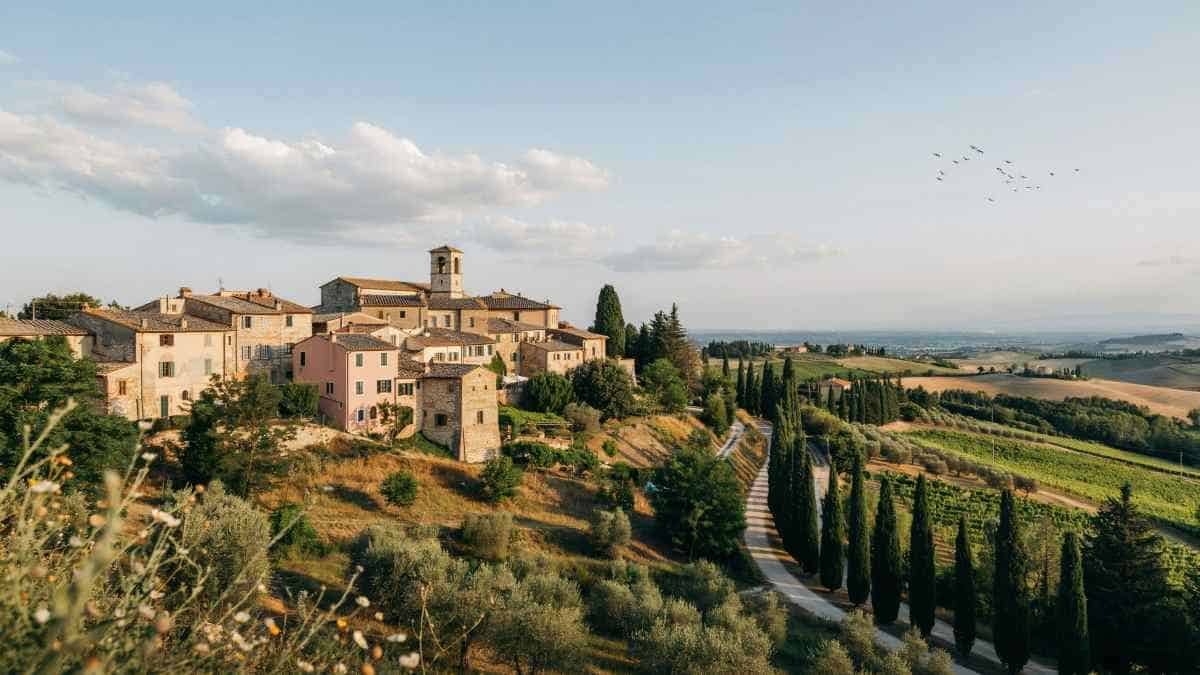
Image generated with Ai
Europe’s travel landscape is undergoing a significant transformation as more holidaymakers embrace micro budgets, shorter stays and carefully planned spending instead of extended luxury holidays. The latest travel trends indicate that a growing proportion of travellers are now capping individual trip budgets at €1,000, while the share of high-spending visitors allocating €1,500 or more per holiday has declined by 9 per cent compared with last year. Rather than eliminating travel altogether, consumers are becoming increasingly selective, prioritising comfortable accommodation and authentic local dining while reducing expenditure on premium excursions, luxury shopping and high-end entertainment.
Travellers Are Spending Smarter Rather Than Spending More
Let’s be honest—travelling is still a priority for many people, but budgets are receiving far closer attention than before.
Across Europe, travellers are increasingly planning holidays around fixed spending limits instead of flexible budgets. Rather than allowing costs to increase throughout a trip, many visitors now establish clear financial limits before booking flights or accommodation.
The growing popularity of the €1,000 holiday budget reflects a broader movement towards value-driven travel, where every euro spent is carefully considered.
Advertisement
Advertisement
Instead of asking, “How much can I spend?”, travellers are increasingly asking, “How can I get the best experience within my budget?”
Micro Budgets Become a Defining Travel Trend
One of the strongest developments emerging this year is the rise of micro budget travel.
Advertisement
Advertisement
Rather than booking expensive two-week holidays, many travellers are choosing compact trips that combine affordability with memorable experiences.
These carefully planned holidays focus on essential travel priorities while avoiding unnecessary costs.
Advertisement
Advertisement
Typical characteristics include:
- Fixed spending limits.
- Shorter itineraries.
- Budget-conscious accommodation choices.
- Greater use of public transport.
- Careful daily expense planning.
For many travellers, financial discipline has become part of the holiday experience rather than a compromise.
Shorter Holidays Are Becoming Increasingly Popular
Here’s where travel behaviour is changing even further.
Instead of taking one long annual holiday, many visitors are opting for shorter breaks lasting three to five nights.
Advertisement
Advertisement
These compact itineraries allow travellers to reduce accommodation costs while maintaining opportunities to explore new destinations throughout the year.
Shorter stays also offer greater flexibility around work schedules and family commitments.
For destinations, this trend creates opportunities to attract repeat visitors who may return several times rather than relying solely on longer seasonal holidays.
Accommodation Remains the Top Priority
Although travellers are spending more carefully, they are not sacrificing comfort entirely.
Accommodation continues receiving the largest share of holiday budgets.
Many visitors remain willing to pay for well-located hotels, comfortable apartments or quality guesthouses because accommodation directly influences the overall travel experience.
Advertisement
Advertisement
Instead of selecting the cheapest available option, travellers are focusing on properties that provide strong value, convenient locations and positive guest reviews.
Comfort remains important—even within tighter financial limits.
Local Food Wins Over Luxury Dining
Food continues playing a central role in tourism.
However, spending habits are evolving.
Rather than booking expensive fine-dining experiences, many travellers are seeking authentic local restaurants, neighbourhood cafés, street food markets and regional specialities.
This approach allows visitors to experience local culture while maintaining better control over daily expenses.
Advertisement
Advertisement
For local businesses, the trend supports independent restaurants and family-owned establishments that deliver authentic culinary experiences at accessible prices.
Luxury Experiences Face Greater Pressure
One noticeable consequence of tighter travel budgets is reduced demand for premium discretionary spending.
Travellers are increasingly choosing to skip:
- Luxury shopping.
- Premium guided excursions.
- High-cost entertainment.
- Exclusive VIP experiences.
- Expensive retail purchases.
Instead, they are focusing on experiences that offer stronger personal value, including walking tours, public museums, cultural neighbourhoods, beaches and outdoor attractions.
The shift reflects changing priorities rather than declining interest in travel itself.
Destinations Are Adapting
Tourism businesses are responding quickly.
Advertisement
Advertisement
Hotels are introducing flexible packages, restaurants are offering value-focused menus and attractions are promoting combination tickets and discounted entry options.
Destination marketing organisations are also highlighting free experiences, public spaces, nature attractions and cultural festivals that appeal to cost-conscious travellers.
This adaptation allows destinations to remain competitive while meeting evolving consumer expectations.
Tourism Continues Despite Economic Pressures
The latest spending trends demonstrate an important reality.
Economic uncertainty has not eliminated demand for travel.
Instead, travellers are becoming more strategic about how they allocate their holiday budgets.
Advertisement
Advertisement
Experiences that deliver meaningful memories continue attracting demand, while discretionary luxury purchases are becoming less important.
This evolution suggests affordability and authenticity may increasingly define future tourism growth across Europe.
Micro Budget Travel Could Shape the Industry’s Future
As travellers continue balancing financial pressures with their desire to explore, micro budget holidays are likely to remain an influential tourism trend.
Destinations capable of offering quality accommodation, excellent local cuisine and authentic experiences at competitive prices may gain a significant advantage.
The emphasis is shifting from extravagant spending towards smarter spending—allowing travellers to continue discovering new destinations without exceeding carefully planned budgets.
Key Stats
- A growing share of travellers are limiting holiday budgets to €1,000 per trip.
- The proportion of travellers spending €1,500 or more has declined by 9 per cent year-on-year.
- Shorter stays are becoming increasingly popular across Europe.
- Accommodation and local food remain travellers’ highest spending priorities.
- Premium excursions, luxury shopping and high-end experiences are seeing reduced demand.
FAQ
1. What is micro budget travel?
Micro budget travel refers to carefully planned holidays with fixed spending limits, typically focused on maximising value while controlling overall expenses.
Advertisement
Advertisement
2. Why are travellers taking shorter holidays?
Shorter stays help reduce accommodation and daily travel costs while allowing travellers to continue taking leisure trips within tighter budgets.
3. What are travellers spending less on?
Many holidaymakers are reducing spending on luxury retail, premium excursions and expensive entertainment while prioritising accommodation and authentic local dining.
Timeline and Events
2026 – European travel trends show increasing adoption of €1,000 trip budgets, shorter stays and value-focused holiday planning.
2026 Summer Season – Tourism businesses introduce more flexible, budget-friendly travel products as travellers continue prioritising affordability over luxury spending.
Conclusion
Europe’s tourism market is entering a new phase where affordability, flexibility and value are becoming just as important as destination appeal. With more travellers capping holiday budgets at €1,000, shortening trip durations and focusing spending on accommodation and local food rather than luxury experiences, the industry is adapting to a more financially conscious visitor. As micro budget travel continues gaining momentum, destinations that combine authentic experiences, competitive pricing and high-quality hospitality are likely to remain the strongest performers in the evolving European tourism landscape.
Advertisement
