

Hundreds of Travellers Stranded In Europe As Portugal, France, Sweden And Others Delay 1518 And Cancelled 94 Flights Impacting KLM, Ryanair, Finnair And Others In Lisbon, Stockholm And More

Published
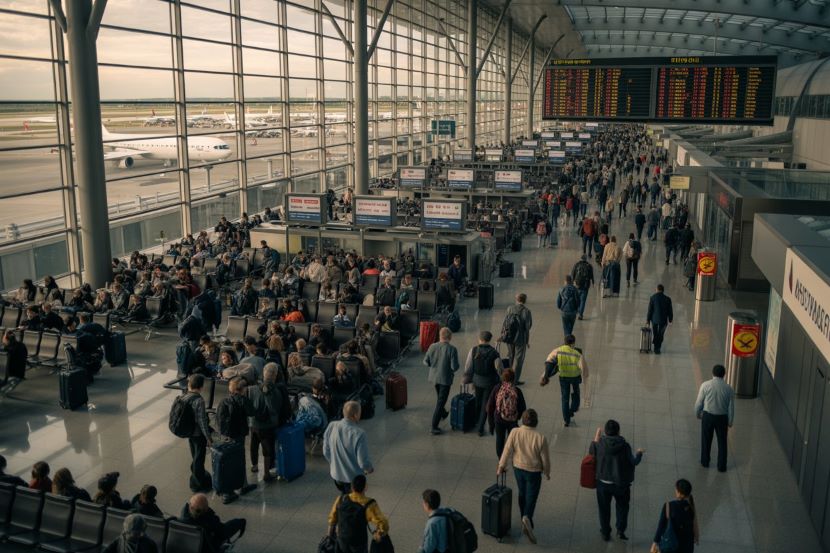
Hundreds of travellers across Europe were left stranded as multiple airports reported significant flight disruptions, with 1518 delayed flights and 94 cancellations affecting major hubs including Lisbon, Stockholm, Paris, Milan, and Istanbul. The disruptions impacted leading airlines such as KLM, Ryanair, Finnair, British Airways, and easyJet, creating chaos for both leisure and business travellers. The primary causes of these delays and cancellations include airport congestion, operational scheduling issues, high seasonal passenger volumes, and knock-on effects from earlier flight disruptions. In some cases, adverse weather and air traffic control restrictions contributed to slower aircraft turnaround times, amplifying delays across connected flights. These operational challenges directly affected passengers with tight connections, city-break plans, and international travel itineraries, while also putting pressure on hotel arrivals, transfers, and tour schedules. Travellers were advised to monitor flight updates closely and plan for extended waiting times at airports to mitigate potential disruption to their journeys.
Europe’s Airport Disruption Deepens Across Key Travel Hubs
Travellers flying through Europe faced a challenging day as several of the continent’s busiest and most tourism-heavy airports reported significant disruption. The data shows that cancellations were spread across major gateways, while delays created a wider ripple effect across connecting routes, city-break itineraries, cruise departures, business trips and long-haul transfers.
Advertisement
Advertisement
The disruption was not limited to one country or one region. It affected western, southern and northern Europe, along with Istanbul, one of the most important aviation bridges between Europe, Asia, the Middle East and Africa. For tourists, the impact was not only about missed flights. It also meant longer airport waits, missed hotel check-ins, rescheduled tours, lost connection windows and uncertainty over onward travel.
Lisbon Records the Highest Flight Cancellations
General Humberto Delgado Airport in Lisbon reported 31 cancelled flights and 282 delayed flights, making it the airport with the highest number of cancellations among the listed European airports.
Advertisement
Advertisement
Lisbon is one of Portugal’s strongest tourism gateways. It serves leisure travellers heading to the Portuguese capital, the Atlantic coast, wine regions, cultural districts and onward domestic connections. A cancellation-heavy day at Lisbon can therefore affect both international arrivals and local tourism flows.
Passengers using Lisbon for onward travel to Porto, Madeira, the Algarve or other European cities may face longer rebooking queues and tighter connection risks. For the hospitality sector, late arrivals and no-shows can put pressure on front desks, airport transfer operators and city tour providers.
Advertisement
Advertisement
Paris Charles de Gaulle Faces the Biggest Delay Pressure
Charles de Gaulle/Roissy Airport in Paris reported 13 cancellations and 653 delays, giving it the highest delay count among the listed airports.
This is especially important because Charles de Gaulle is one of Europe’s biggest international transfer hubs. Delays at Paris can affect not only France-bound tourists but also travellers connecting to North America, Asia, Africa and other European destinations.
Advertisement
Advertisement
For passengers, a delay at Charles de Gaulle can quickly turn into a missed connection. For airlines, even a moderate number of cancellations can become more complex when hundreds of flights are delayed. For Paris tourism, delayed arrivals can affect same-day museum bookings, airport hotel demand, rail transfers and evening check-ins.
Madrid-Barajas Delays Put Spain Travel Plans Under Pressure
Adolfo Suárez Madrid-Barajas Airport (MAD) faced notable travel disruption with 15 cancelled flights and 303 delayed flights, creating pressure on passengers moving through one of Spain’s busiest international gateways. The impact was especially important for travellers using Madrid as a connection point for domestic Spanish destinations, European city breaks, and long-haul routes to Latin America and beyond. Delays at Madrid can affect hotel check-ins, airport transfers, tour schedules, business meetings, and onward flight connections, so passengers should check airline updates before leaving for the airport, keep extra time for security and boarding, and stay prepared for possible rebooking or revised travel plans.
Nice Cote d’Azur Disruption Hits French Riviera Travel Plans
Nice Cote d’Azur Airport (NCE) reported 13 cancelled flights and 161 delayed flights, creating travel pressure at one of southern France’s most important leisure gateways. The disruption could affect tourists heading to Nice, Cannes, Monaco, Antibes and the wider French Riviera, where many travellers depend on smooth flight arrivals for hotel check-ins, coastal transfers, cruise links, luxury holidays and short city breaks. Passengers flying through Nice should check airline alerts before travelling to the airport, allow extra time for security and boarding, and stay ready for revised schedules, especially if they have onward train, private transfer, resort, event or tour bookings.
Milan Linate Disruptions Affect Business and Leisure Travel Across Northern Italy
Linate Airport (LIN) recorded 13 cancelled flights and 163 delayed flights, causing travel disruptions at one of Milan’s key airports and an important gateway to northern Italy. The delays and cancellations may affect both business travellers and holidaymakers heading to Milan, Lake Como, the Italian Lakes region, and other popular destinations across Lombardy. With many passengers relying on Linate for domestic and short-haul European connections, the disruption could lead to missed meetings, delayed hotel arrivals, rescheduled tours, and longer transit times. Travellers are advised to monitor airline notifications closely and allow extra time for airport procedures as schedules may continue to fluctuate throughout the day.
Advertisement
Advertisement
Porto Airport Disruption Hits Northern Portugal Travel Plans
Porto / Oporto Airport (OPO) reported 17 cancelled flights and 124 delayed flights, creating travel pressure for passengers heading to northern Portugal, the Douro Valley and Porto’s popular city-break destinations. The disruption may affect hotel check-ins, airport transfers, wine tourism trips, cruise links, business visits and onward domestic or European connections. Travellers using Porto should check airline updates before leaving for the airport, allow extra time for boarding and baggage movement, and stay ready for possible rebooking or schedule changes.
Stockholm-Arlanda Delays Disrupt Nordic Travel Connections
Stockholm-Arlanda Airport (ARN) recorded 11 cancelled flights and 88 delayed flights, causing disruption at Sweden’s largest international gateway and a key hub for Nordic travel. The delays may affect passengers travelling to and from Stockholm, as well as those connecting to destinations across Scandinavia, Europe and beyond. Holidaymakers, business travellers and visitors exploring Sweden’s cultural attractions and summer destinations could face longer waiting times, missed connections and revised travel schedules. Travellers are advised to check flight statuses regularly, stay in contact with their airlines and allow additional time for airport procedures as operational disruptions may continue to impact travel plans throughout the day.
Geneva Airport Delays Affect Swiss and Alpine Travel Routes
Geneva Cointrin International Airport (GVA) reported 10 cancelled flights and 114 delayed flights, creating travel disruption at one of Switzerland’s most important international gateways. The impact may be felt by tourists heading to Geneva, the Swiss Alps, Lake Geneva resorts and nearby destinations in both Switzerland and France. As Geneva serves a large number of leisure, business and international travellers, delays can lead to missed rail connections, postponed hotel check-ins, disrupted tour schedules and longer transfer times. Passengers travelling through Geneva are advised to monitor airline updates, confirm onward transport arrangements and allow additional time for airport procedures as travel schedules may remain subject to change throughout the day.
Milan Malpensa Delays Create Major Disruption for International Travellers
Malpensa International Airport (MXP) reported 7 cancelled flights and 338 delayed flights, making it one of the most delay-affected airports in the latest European travel disruption data. As Milan’s primary international gateway, Malpensa plays a crucial role in connecting northern Italy with major destinations across Europe, North America, Asia and the Middle East. The high number of delays could impact holidaymakers visiting Milan, Lake Como and the Italian Lakes region, as well as business travellers and passengers with onward international connections. Travellers may face extended waiting times, missed transfers, delayed hotel arrivals and schedule changes, making it essential to check flight updates regularly and allow extra time when travelling through the airport.
Istanbul Airport Delays Pressure Global Transit Travel
Istanbul Airport (IST) reported 8 cancelled flights and 227 delayed flights, creating disruption at one of the world’s busiest international transit hubs. The delays may affect travellers connecting between Europe, Asia, the Middle East and Africa, as Istanbul serves as a major bridge for long-haul and regional journeys. Passengers could face missed connections, longer layovers, delayed hotel arrivals, disrupted tour plans and revised onward schedules. Travellers using Istanbul Airport should check airline updates regularly, allow extra time for airport procedures and stay prepared for possible rebooking or gate changes.
European Airport Disruption Creates Fresh Pressure for Travellers Across Key Tourism Hubs
European air travel faced fresh disruption as several major airports reported cancellations and delays, affecting holidaymakers, business travellers and passengers with onward connections. The impact was visible across Portugal, Spain, France, Italy, Sweden, Switzerland and Turkey, where airport disruption could affect hotel check-ins, rail transfers, cruise links, city tours and international connections.
Advertisement
Advertisement
| Airport | Cancelled | Delayed | Travel Impact |
|---|
| Adolfo Suárez Madrid-Barajas (MAD) | 15 | 303 | Delays at Madrid may affect domestic Spanish connections, European city breaks and long-haul travel to Latin America. Travellers could face missed transfers, late hotel arrivals and revised tour plans. |
| Nice Cote d’Azur (NCE) | 13 | 161 | Disruption at Nice may affect tourists heading to the French Riviera, Cannes, Monaco and Antibes. Delays could impact luxury holidays, coastal transfers and cruise links. |
| Linate (LIN) | 13 | 163 | Linate disruption may affect business and leisure travellers heading to Milan, Lake Como and northern Italy. Passengers may face delayed meetings, hotel check-ins and short-haul connections. |
| Porto / Oporto (OPO) | 17 | 124 | Porto disruption may affect travellers visiting northern Portugal, the Douro Valley and wine tourism destinations. Delays could impact transfers, city breaks and cruise-linked travel. |
| Stockholm-Arlanda (ARN) | 11 | 88 | Disruption at Stockholm-Arlanda may affect Nordic travel routes, European connections and visitors heading to Sweden’s cultural and summer destinations. |
| Geneva Cointrin Int’l (GVA) | 10 | 114 | Geneva delays may affect travellers heading to Lake Geneva, the Swiss Alps and nearby French destinations. Missed rail connections and delayed transfers remain key concerns. |
| Malpensa Int’l (MXP) | 7 | 338 | Malpensa recorded heavy delays, affecting international passengers travelling to Milan, Lake Como and northern Italy. Long-haul and European connections may face pressure. |
| Istanbul Airport (IST) | 8 | 227 | Istanbul disruption may affect global transit passengers connecting between Europe, Asia, the Middle East and Africa. Missed onward flights and longer layovers are likely concerns. |
The disruption across these European airports shows how even limited cancellations can create wider travel pressure when delays rise sharply. Airports such as Madrid, Malpensa, Istanbul and Geneva play important roles in regional and international connectivity, while Nice, Porto and Stockholm serve strong leisure travel markets. Travellers should check airline updates before leaving for the airport, allow extra time for security and boarding, and stay prepared for possible rebooking, missed connections or delayed hotel arrivals.
Some Affected Airlines Due To This Cancellation
KLM Cancellations Bring Minor Schedule Pressure for Travellers
KLM reported 2 cancelled flights and no delays, suggesting a limited but still important disruption for passengers using the airline’s European and long-haul network. While the delay count remained clear, the cancellations could still affect travellers with tight connections, hotel check-ins, business meetings or onward holiday plans. Passengers booked with KLM should check their flight status, monitor rebooking options and confirm any connecting travel before heading to the airport.
British Airways Minor Delays Affect UK Travel Connections
British Airways reported no cancellations but 2 delayed flights, causing minor disruption for passengers travelling across its UK and international network. While the impact is limited, even small delays can affect travellers with tight connections, planned hotel arrivals, business meetings or onward holiday itineraries. Passengers are advised to check flight updates before leaving for the airport and confirm connecting transport to minimise any potential inconvenience.
easyJet Disruption Hits Budget Travel Across Europe
easyJet reported 4 cancelled flights and 86 delayed flights, creating travel pressure for passengers using one of Europe’s busiest low-cost airline networks. The disruption may affect city-break travellers, families, weekend holidaymakers and passengers flying between major European leisure destinations. Delays could lead to missed hotel check-ins, airport transfers, onward rail journeys and short-stay itineraries, so travellers booked with easyJet should check flight updates regularly and stay prepared for possible schedule changes or rebooking.
Ryanair Delays Cause Minor Disruption for European Budget Travellers
Ryanair reported no cancelled flights but 72 delayed flights, creating modest travel disruption for passengers relying on the airline’s extensive low-cost European network. The delays may impact city-break travellers, weekend holidaymakers, and those connecting to onward flights or rail services. Passengers are advised to monitor flight updates, allow extra time for airport procedures, and plan for potential adjustments to hotel arrivals, transfers, or short-stay itineraries.
Wizz Air Minor Delay Causes Minimal Impact on European Travel
Wizz Air reported no cancellations and only 1 delayed flight, indicating very limited disruption for passengers flying with the airline. While the impact is minimal, travellers on this route should still verify flight status before heading to the airport, particularly those with tight connections, hotel check-ins, or onward transport plans, to ensure a smooth travel experience.
Advertisement
Advertisement
Finnair Minor Delay Causes Minimal Disruption for Nordic Travel
Finnair reported no cancellations and only 1 delayed flight, resulting in negligible travel disruption for passengers across its Nordic and European network. Although the impact is minimal, travellers are advised to verify flight status before departure, especially those with tight connections, hotel check-ins, or onward travel plans, to ensure a smooth and timely journey.
European Airlines Flight Disruption and Travel Impact Overview
Air travellers across Europe experienced varying levels of disruption as multiple airlines reported cancellations and delays. While some carriers faced minor schedule changes, others saw more significant impacts affecting passengers’ onward travel, hotel check-ins, business meetings, and short-stay itineraries. This summary highlights the latest operational challenges across key European airlines and their implications for travellers.
| Airline | Cancelled | Delayed | Travel Impact |
|---|---|---|---|
| KLM | 2 | 0 | Limited disruption, may affect passengers with tight connections or hotel check-ins. Travellers should monitor updates and rebooking options. |
| British Airways | 0 | 2 | Minor disruption on UK and international routes; travellers should confirm connecting travel and flight status. |
| easyJet | 4 | 86 | Delays and cancellations affect city-break travellers, families and weekend holidaymakers across Europe. Passengers may face missed hotel check-ins or onward journeys. |
| Ryanair | 0 | 72 | Modest delays impacting budget travellers; city-break and weekend holiday plans may need minor adjustments. |
| Wizz Air | 0 | 1 | Minimal impact, but travellers with tight connections or short-stay itineraries should check flight status. |
| Finnair | 0 | 1 | Negligible disruption; passengers advised to verify flights especially for onward connections and hotel arrivals. |
European airline operations show that even minor delays can impact travellers, particularly during peak travel periods. Airlines like easyJet and Ryanair faced the highest number of delays, affecting leisure and short-haul passengers, while carriers such as KLM, Finnair and Wizz Air experienced very limited disruption. Travellers are advised to regularly check flight updates, allow extra time for airport procedures, and be prepared for possible adjustments to connections, transfers and hotel arrivals to ensure a smooth travel experience.
Europe Travel Disruption Summary Highlights Impact on Passengers and Tourism
European air travel experienced a mixed level of disruption across key airports and airlines, affecting both leisure and business travellers. Among major airports, Madrid-Barajas reported the highest impact with 15 cancelled flights and 303 delayed flights, followed by Charles de Gaulle in Paris with 13 cancellations and 653 delays, and Malpensa in Milan with 7 cancellations and 338 delays. Other important hubs such as Istanbul Airport (8 cancelled, 227 delayed), Lisbon (31 cancelled, 282 delayed), Nice (13 cancelled, 161 delayed), Linate (13 cancelled, 163 delayed), Porto (17 cancelled, 124 delayed), Stockholm-Arlanda (11 cancelled, 88 delayed), and Geneva (10 cancelled, 114 delayed) also recorded significant travel disruption, highlighting the widespread pressure on European connectivity and tourism flows.
On the airline side, easyJet faced the highest impact among carriers with 4 cancelled flights and 86 delays, followed by Ryanair with 72 delayed flights. Meanwhile, KLM (2 cancelled), British Airways (2 delayed), Wizz Air (1 delayed), and Finnair (1 delayed) reported relatively minor disruption, showing that some airlines managed to maintain stable operations despite overall airport congestion. These cancellations and delays affected passengers’ connections, city-break plans, hotel arrivals, cruise links, business meetings, and short-haul itineraries across Europe.
The combined effect of airport and airline disruption demonstrates the fragility of European travel networks during periods of operational strain. Passengers are strongly advised to monitor flight statuses, allow extra time for check-ins and transfers, and stay prepared for rebooking or schedule adjustments. While major hubs like Madrid, Paris, Milan, and Istanbul face the highest disruption, smaller yet strategically important airports such as Geneva, Porto, Stockholm, and Nice also contribute to travel delays, impacting tourism flows and the local hospitality sector.
Advertisement
Advertisement
Conclusion
The widespread disruption across European airports demonstrates the vulnerability of the region’s aviation network when multiple operational and environmental factors converge. Airlines including KLM, Ryanair, Finnair, and easyJet faced the challenge of managing cancellations, rebooking passengers, and adjusting crew rotations, while airports in Portugal, France, Sweden, Italy, and Turkey dealt with congestion, delayed departures, and pressure on ground services. The causes ranged from high passenger volumes, previous delays, air traffic control limitations, and logistical bottlenecks at busy terminals. Passengers experienced missed connections, delayed hotel check-ins, and altered travel plans, highlighting the need for proactive travel management. Travellers are advised to maintain real-time communication with airlines, allow extra time for airport procedures, and remain flexible with connections and accommodations. This disruption underscores how operational, environmental, and scheduling challenges can collectively impact European air travel, affecting both tourism flows and business mobility across the continent.
Authors Observation: All information is manually obtained from FlightAware’s official website, and all operations are subject to change based on real-time updates. In order to maintain safety, airlines actively modify schedules and itineraries. In order to get to their destinations safely, passengers are asked not to panic in such situations and to look for alternate travel choices. Relying on real-time updates, reviewing airline rebooking restrictions, and maintaining flexibility with travel plans are all highly recommended.
Advertisement
