
Discover the Sacred Trail of Antioquia: 13 Colombian Municipalities Join the Global Religious Tourism Network

Published
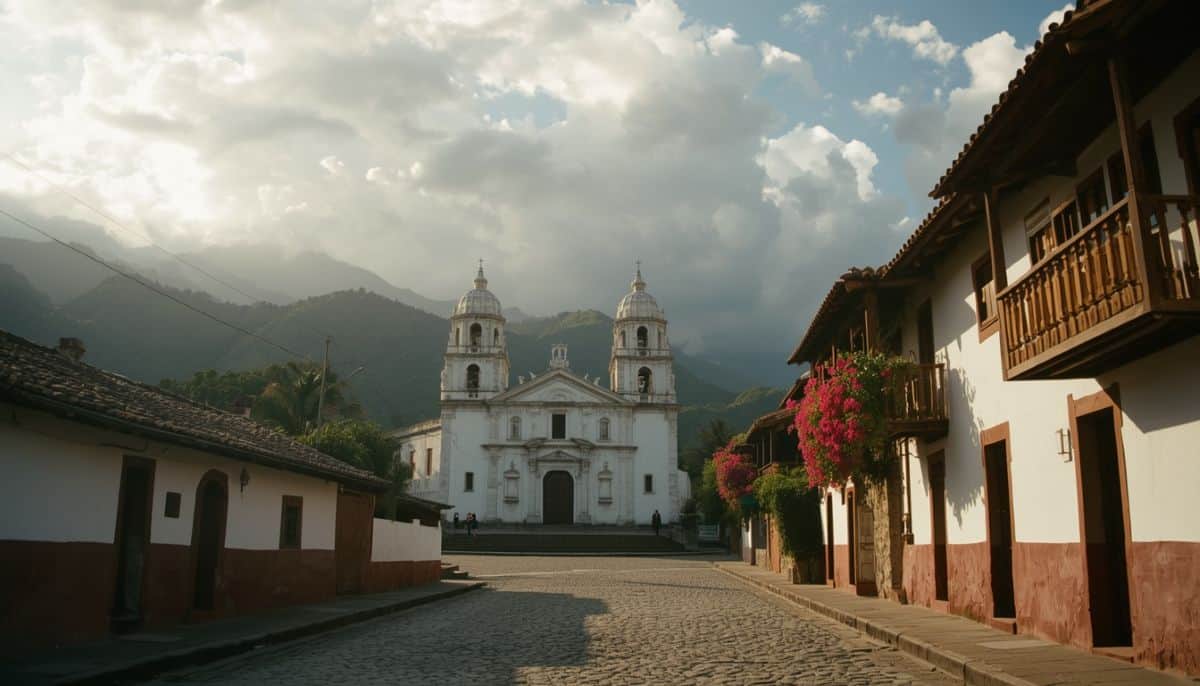
Image generated with Ai
Today’s travellers are looking for more than just a typical resort itinerary. They are seeking genuine, purpose-driven experiences that connect them meaningfully with local heritage. The recent official incorporation of thirteen municipalities in Antioquia, led by Medellín, into the Global Religious Tourism Network, a premier programme of the Tourism and Society Think Tank, marks a turning point in the international projection of the region. This momentous achievement redefines Colombia’s position on the global tourism map, transcending the classic coffee and adventure trails to unveil a diverse, spiritually rich mosaic of history, architecture, and religion.
The mechanics of this international expansion are important for industry observers and globetrotters to understand. How will the Global Religious Tourism Network boost Colombia’s global appeal and overall tourism infrastructure? This initiative directly tackles the historical visibility problem of secondary and tertiary destinations by placing these thirteen historic towns in elite international portfolios and diffusing them across European, Asian and North American markets. Travellers benefit from simplified access to standardised, high-quality heritage routes, while local economies benefit from structured international marketing campaigns, higher visitor retention and specialised hospitality training that improves service standards across the country.
This global network is also a driver for sustainable economic diversification. For decades, Colombia’s international tourism footprint was concentrated in a few major hubs and adventure-focused areas. The sacred sites of Antioquia offer a sophisticated dimension of cultural diplomacy and heritage preservation. Introduce local municipalities to international standards, so infrastructure upgrades (multilingual signage, improved regional transport links, standardised hospitality certification, etc.) are done uniformly. This structural improvement not only attracts high-value cultural tourists from abroad but also instills a deep sense of regional pride and economic resilience among local communities, demonstrating that faith-based heritage can be a powerful engine for national development.
Collaborative Synergy and the Power of Regional Strategy
The realization of this global milestone is not an isolated achievement; rather, it is the direct outcome of rigorous, synchronized joint efforts among municipal mayors’ offices, regional tourism teams, and historic local parishes. Furthermore, critical institutional backing has been provided by the Government of Antioquia alongside the regional promotion framework known as Antioquia es Magica. Through these robust collaborative channels, towns characterized by whitewashed colonial facades, gilded baroque altars, and cobblestone plazas have been meticulously prepared to welcome an international audience while preserving their sacred architectural identity.
Advertisement
Advertisement
Examining the selection criteria reveals a diverse network of deeply traditional communities. Which destinations are included in Antioquia’s newly recognized religious tourism corridor? While Medellín serves as the cosmopolitan gateway featuring iconic sanctuaries like the Metropolitan Cathedral and the Church of La Candelaria, twelve other surrounding municipalities contribute distinct historical value. These localities range from Santa Fe de Antioquia, renowned for its preserved 16th-century colonial temples and annual Holy Week processions, to Jericó, the picturesque birthplace of Colombia’s first saint, Saint Laura of Jericó. By uniting under a single administrative and promotional umbrella, these thirteen territories ensure that cultural preservation is harmoniously balanced with sustainable economic development through regulated global tourism channels.
Advertisement
Advertisement
The collaborative approach championed by Antioquia es Magica ensures that smaller municipalities receive the institutional and financial support necessary to maintain their historical assets. Local parishes, often the custodians of invaluable colonial art, sacred relics, and centuries-old architectural marvels, work hand-in-hand with municipal tourism offices to curate respectful visitor experiences. This multi-layered governance model guarantees that tourism growth does not compromise the sacred integrity of these spaces. Instead, revenue generated from international tour portfolios is reinvested directly into conservation projects, artisan cooperatives, and community education programmes, creating a self-sustaining ecosystem of cultural appreciation and economic vitality.
Elevating the International Visitor Experience and Future Outlook
To travel through Antioquia’s newly accredited religious tourism corridor is to have a strategy to live out the depth of local traditions. What are some good ways for international visitors to plan a heritage trip to this part of the world? The best option is to fly into Medellín’s José María Córdova International Airport, setting up a central base in the Aburrá Valley and exploring sub-regions like the Suroeste and Oriente via the newly improved regional transport networks. Local parishes and regional tourism boards have collaborated to develop well-marked heritage trails that guide visitors to historic shrines, traditional festivals and local artisans who continue to practise ancient crafts.
The implications for Colombia’s tourism sector are profound and far-reaching. Diversification of the national tourist product into specialised segments (religious, cultural heritage, etc.) successfully eliminates seasonal fluctuations and deconcentrates tourist flows from overcrowded urban areas. Travellers are encouraged to be aware of local traditions, dress appropriately for places of worship and to participate in community-based tourism schemes that benefit local families directly. International travel trends are shifting towards meaningful experiences rooted in heritage, and Antioquia is the perfect destination for this. Here, faith, architecture, and breathtaking Andean landscapes converge to create an unforgettable experience that redefines cultural tourism in South America for the modern era.
Advertisement
