
Canada Connects With Russia And More Powerful Nations In Accelerating Vietnam Tourism With By Air 83% Of Travelers Driving 2026 Growth

Published
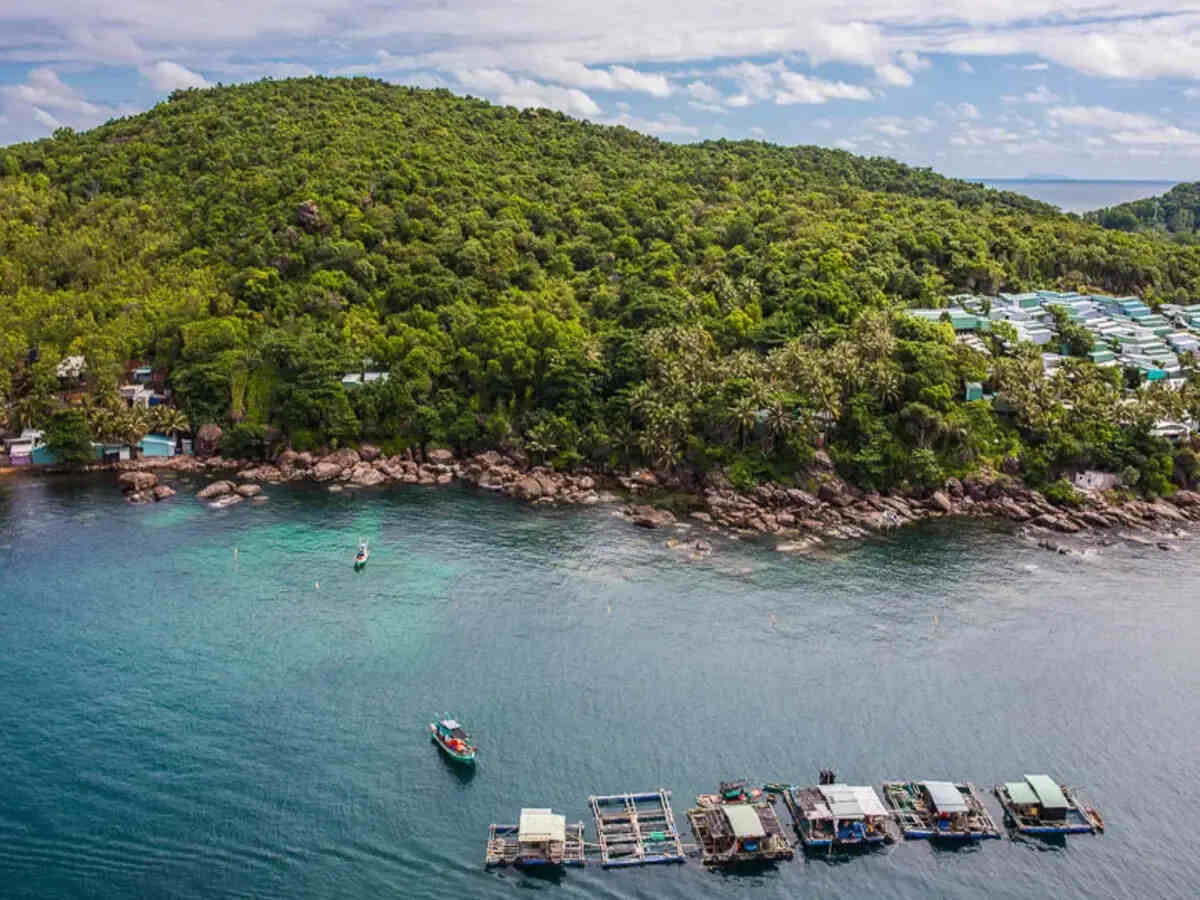
Air transport arrivals accounted for 83% of Vietnam’s 2026 tourism boom owing to a surge in tourism coming from influential countries. In 2026, the worldwide tourism scenario experienced a rare occurrence in Southeast Asia, where Vietnam stands out as the crowning glory of international tourism. Going past all records and exceeding all expectations, the country registered a record number of 17.68 million foreign tourist arrivals within the first nine months of the year alone.
At the very heart of this unprecedented boom is a powerful alliance of international source markets. From the snow-capped landscapes of Canada to the vast expanses of Russia, and sweeping across the most powerful economies in Europe, the Americas, and Oceania, a new demographic of global explorers is flocking to Vietnamese shores. Most notably, this surge is fundamentally airborne, with an overwhelming 83.2% of all visitors arriving via air travel, completely transforming the nation’s post-pandemic travel economy. As Vietnam sets its sights on an ambitious target of 25 million international arrivals by the end of 2026, it is clear that the world is more connected to this vibrant nation than ever before.
Advertisement
Advertisement
The Aviation Catalyst: Why 83% of Travelers Choose the Skies
The staggering statistic that 83.2% of visitors (over 14.71 million people) arrived by air is no mere coincidence. It is a testament to Vietnam’s strategic expansion of its aviation infrastructure and international flight routes. While land arrivals made up 15.4% (2.72 million) and sea arrivals accounted for just 1.4% (243,438), the skies have become the ultimate bridge between Vietnam and the world’s most powerful nations.
Airlines and travel operators globally have recognized this surging demand. For instance, platforms like the Russian travel service Tutu reported a massive 32% increase in flight bookings to Vietnam for the crucial October to December window. Furthermore, direct flight inaugurations, such as the newly established routes dropping hundreds of Russian tourists directly into the tropical paradise of Phú Quốc, have minimized travel friction. This expanded air connectivity has allowed high-value, long-haul tourists to bypass traditional layover hubs, bringing them directly to Vietnam’s world-class resorts, pristine beaches, and bustling metropolises.
Advertisement
Advertisement
Country by Country: The Powerful Nations Fueling the Boom
While traditional Asian powerhouses like China (3.95 million arrivals) and South Korea (3.05 million arrivals) continue to provide the highest sheer volume of visitors, it is the dramatic influx from Western economies and long-haul markets that is reshaping the industry. Here is a detailed, one-by-one breakdown of how these powerful nations are accelerating Vietnam’s tourism growth:
The Russian Federation: A Massive 160% Resurgence
Russia has recorded the strongest growth among all major markets, surging by an astronomical 160.6% to reach over 1.13 million arrivals in the first nine months of 2026.
Advertisement
Advertisement
- How they boost the economy: The modern Russian traveler in Vietnam has evolved. Moving away from budget package tours, today’s visitors are digitally engaged independent travelers seeking high-value experiences. They are booking extended stays in boutique properties and luxury spas in destinations like Đà Nẵng, Nha Trang, and Phú Quốc. Their increased per-capita spending is a massive financial injection into the premium hospitality sector.
Canada: The North American Surge
Canadian arrivals have witnessed a remarkable 25.1% surge in the first seven months of the year.
- How they boost the economy: Canadians are quintessential long-haul travelers. Because of the sheer distance they travel, they rarely come for short weekend trips. They are booking multi-week itineraries, spreading their wealth across the country from the mountainous north of Sa Pa to the floating markets of the Mekong Delta, thereby supporting local grassroots economies and luxury eco-resorts alike.
The United States of America: Consistent, High-Value Growth
By September 2026, the US contributed over 746,158 visitors to Vietnam, reflecting a steady, year-round growth rate of 18% to 20%.
- How they boost the economy: American tourists are heavily invested in cultural, historical, and culinary tourism. They are frequent consumers of guided heritage tours, high-end gastronomy experiences, and luxury tailored travel packages. Their strong currency and willingness to spend on authentic, premium experiences make them one of the most lucrative demographics for Vietnamese businesses.
France: European Elegance Meets Vietnamese Charm
In September 2026 alone, visitor numbers from France jumped by a significant 16.4%.
- How they boost the economy: French travelers often share a deep historical and architectural curiosity about Vietnam. They heavily populate boutique hotels in Hà Nội and Ho Chi Minh City, engage deeply with the local cafe and culinary culture, and are major patrons of heritage conservation tourism.
The United Kingdom: The Adventurous Spenders
The UK market continues to show its strength, recording an 8.1% increase in arrivals in late 2026.
- How they boost the economy: British tourists are increasingly embracing the “work-leisure” hybrid model. With longer average stays, many are combining remote work with tropical holidays. This trend ensures a steady stream of tourism revenue outside of the traditional short-term holiday seasons, providing year-round income for the hospitality sector.
Germany & Sweden: The Eco-Conscious Explorers
Germany showcased a tremendous 26.7% year-on-year growth spike by September 2026, while Swedish arrivals jumped by 32.5% by mid-year.
- How they boost the economy: Northern and Central European travelers are leading the charge in sustainable and eco-tourism. They funnel their travel funds into eco-lodges, wildlife conservation tours, and sustainable community-based tourism projects, driving Vietnam’s tourism industry toward a greener, more sustainable future.
Australia & New Zealand: The Oceania Wave
Australia contributed a massive 485,000 visitors (averaging 22% to 25% growth), while New Zealand arrivals grew by an impressive 22.4%.
Advertisement
Advertisement
- How they boost the economy: Benefiting from relatively direct and accessible flight routes, travelers from Oceania are high-frequency, high-spending visitors. They are vital to the coastal economies, heavily investing in water sports, luxury beachfront villas, and wellness retreats in Central Vietnam.
Snapshot of Key Growth Markets (Jan – Sep 2026)
To understand the sheer magnitude of this global connectivity, observe the data reflecting the growth and arrival numbers of these powerful nations:
| Source Market | 2026 Arrivals (Jan-Sep) | Notable Growth / Trend Highlights |
| China | 3.95 Million | The largest sheer volume source market. |
| South Korea | 3.05 Million | Second-largest market; slight shift in travel seasons. |
| Russia | 1.13 Million | Explosive 160.6% growth; driving luxury coastal demand. |
| United States | 746,158 | Steady ~20% growth; high expenditure on heritage tours. |
| Australia | 485,000 | Averaging 22-25% growth; dominating the wellness sector. |
| Canada | Surging rapidly | 25.1% spike in early 2026; long-stay multi-city itineraries. |
| Germany | Growing steadily | 26.7% spike; pioneers of the eco-tourism push. |
The Irresistible Features of Vietnam: Why the World is Flocking Here
The numerical data tells the story of how many people are coming, but the majestic features of Vietnam explain why. The country has masterfully blended its natural endowments with modern infrastructure to create a globally competitive destination.
Here are the mesmerizing features of Vietnam that are captivating the hearts of travelers from these powerful nations:
❖ World-Class Coastal Paradises and Islands Vietnam’s coastline stretches for thousands of kilometers, offering diverse beach experiences. Phú Quốc, the pearl island in the south, has become a winter haven for Russian and European tourists, offering pristine white sands and direct international flights. Đà Nẵng blends spectacular bridges, golden beaches, and close proximity to ancient towns, making it a favorite for long-haul visitors. Meanwhile, Nha Trang and Cam Ranh offer deep-water bays and ultra-luxury resorts that rival any destination in the world.
❖ Unrivaled Culinary Excellence Vietnamese cuisine is a global phenomenon, but experiencing it at the source is a primary driver for international tourism. From the complex, steaming bowls of Phở in the bustling street stalls of Hà Nội to the French-influenced Bánh Mì and high-end Michelin-starred dining experiences in Ho Chi Minh City, the culinary landscape forces tourists to stay longer and spend more.
❖ Deep Historical and Cultural Heritage Unlike destinations that offer only beaches, Vietnam provides profound historical depth. Tourists from France, the US, and the UK are deeply drawn to the ancient imperial city of Huế, the lantern-lit streets of Hội An, and the awe-inspiring ancient temple ruins of Mỹ Sơn. This rich tapestry of history offers a cultural immersion that high-value tourists crave.
Advertisement
Advertisement
❖ Breathtaking Natural Geography For the adventurous souls from Canada, Germany, and Sweden, Vietnam’s natural geography is unparalleled. The towering limestone karsts of Hạ Long Bay (a UNESCO World Heritage site), the terraced rice paddies of Sa Pa hidden in the clouds, and the colossal, otherworldly caves of Phong Nha-Kẻ Bàng National Park provide endless opportunities for eco-tourism and adventure travel.
❖ Strategic and Welcoming Visa Policies Perhaps the most crucial administrative feature driving the 2026 tourism boom is Vietnam’s incredibly competitive visa policy. By offering generous 45-day visa-free stays to tourists from many of these powerful nations (including Russia and several European countries), Vietnam has eliminated the bureaucratic friction that often deters spontaneous or long-haul travel. This policy directly encourages travelers to extend their holidays, transforming two-week vacations into month-long explorations.
The Economic Metamorphosis
The combination of 83% air-travel arrivals and the influx of visitors from powerful Western and Eurasian economies is doing much more than just filling hotel rooms; it is fundamentally upgrading Vietnam’s tourism economy.
In the past, Southeast Asia was often viewed primarily as a budget-friendly destination for backpackers. While that demographic remains important, the current wave of tourists from Canada, the US, Russia, and Europe brings a different financial reality. Because they are flying long distances, their sunk travel costs are higher, which psychologically and financially prepares them to spend more on the ground.
They are demanding a higher caliber of service, which in turn is forcing the Vietnamese hospitality sector to level up. There is a surging demand for boutique hotels, bilingual and multilingual tour guides (highlighting a current urgent need for Russian-speaking guides), private transport, and premium dining. This “quality over just quantity” shift means that tourism revenue is penetrating deeper into the local economy, improving infrastructure, creating higher-paying jobs, and encouraging sustainable development practices.
A Vision for the Future
As the year progresses toward its end-of-year peak travel season, the momentum generated in the first nine months of 2026 shows no signs of slowing down. With 17.68 million international arrivals already secured, the nation is on a definitive glide path to achieving its monumental goal of 25 million visitors.
Advertisement
Advertisement
Air connections accounted for 83% of the growth in Vietnamese tourism in 2026, spurred by tourism growth in Canada, Russia, and other key international markets.
“Connections between Canada and Russia, coordination between America and Europe, and the joining of Oceania in the mix”—the global connection is no mere fluke. It is due to the tireless efforts Vietnam has made in increasing its air connections, offering more luxurious tourist experiences, and welcoming the world in even more warmly than before. With the ease of flying and the stunning natural beauty of the country, Vietnam is a truly international destination.
Advertisement
