
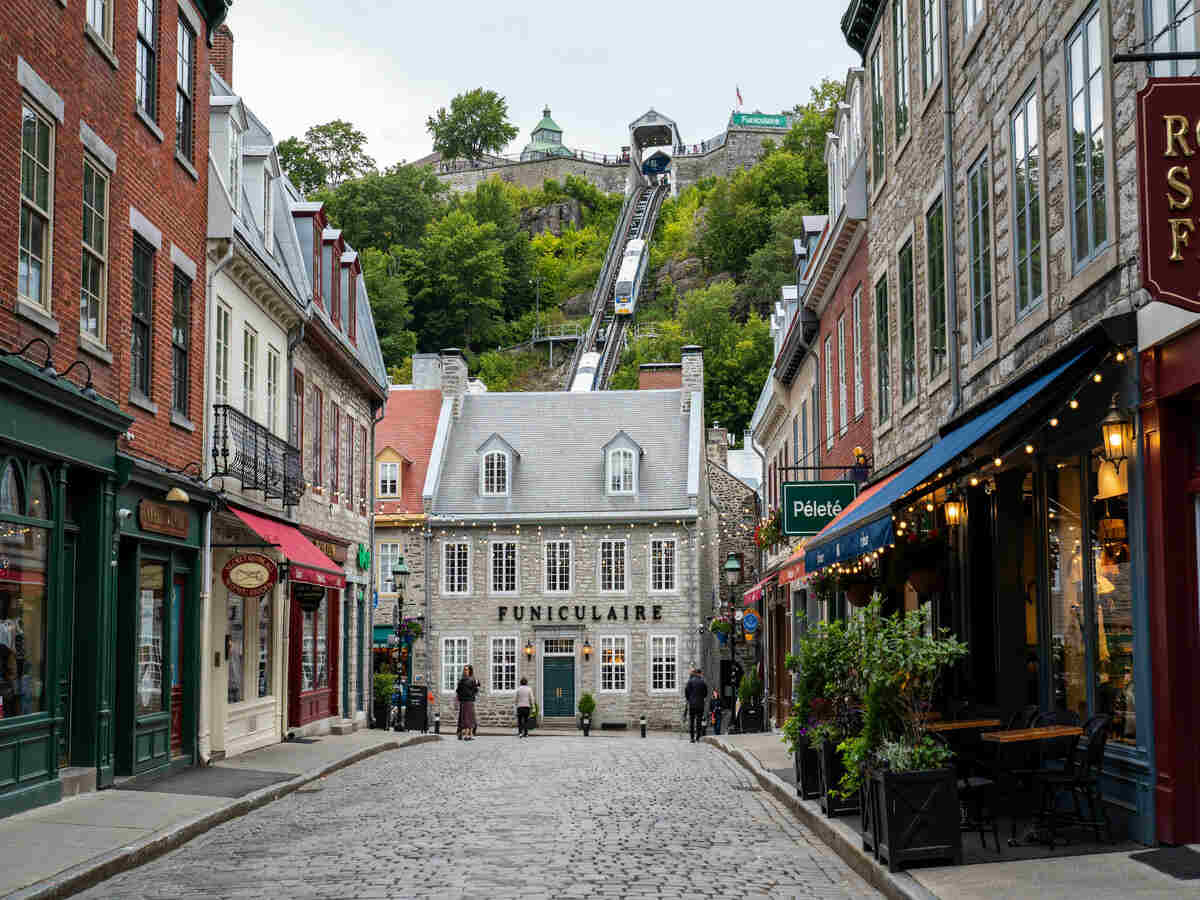
Image generated with Ai
Tourism in Canada increases owing to the efforts of British Columbia as a leader in innovations of artificial intelligence that revolutionise the experience of travellers in different parts of Canada. Tourism in Canada is on the verge of witnessing a technology-driven revolution in the year 2026, and British Columbia can be considered as one of the best cases of how artificial intelligence and technology-driven innovations can transform the experience of visitors. Vancouver, through its growing ecosystem of artificial intelligence, is transforming technology into a tourism driver.
While Ontario’s Toronto continues to remain one of Canada’s largest tourism and technology hubs, British Columbia is gaining momentum by combining natural attractions, global connectivity and AI-powered innovation. The province’s ability to connect technology with tourism is helping destinations move beyond traditional marketing and create smarter, more personalised journeys for travellers.
From Vancouver’s urban experiences to Banff’s wilderness connections, Canadian destinations are increasingly using AI tools, data platforms and digital services to attract international travellers, improve sustainability and strengthen tourism competitiveness.
British Columbia has become a major centre for artificial intelligence development in Canada, supported by technology companies, universities and innovation networks. The province’s AI ecosystem is expanding across industries, creating opportunities for tourism operators to adopt smarter solutions.
Advertisement
Advertisement
Vancouver is at the heart of this transformation. The city’s combination of technology talent, international tourism appeal and innovation infrastructure has created an environment where AI can support everything from visitor services to destination marketing.
AI is helping tourism businesses understand traveller preferences, predict demand, create personalised recommendations and improve customer engagement.
The impact is being seen across hotels, attractions, airports, cruise services, restaurants and tour operators.
| Rank | Destination | Province | How AI Innovation Is Boosting Tourism |
|---|---|---|---|
| 1 | Vancouver | British Columbia | AI travel recommendations, smart visitor services, digital destination marketing |
| 2 | Victoria | British Columbia | Digital heritage experiences, smart cultural tourism and personalised visitor engagement |
| 3 | Whistler | British Columbia | AI-supported outdoor tourism, demand forecasting and visitor management |
| 4 | Kelowna | British Columbia | Smart wine tourism, digital experiences and personalised travel services |
| 5 | Toronto | Ontario | Smart city technology, AI-powered attractions and data-driven tourism planning |
| 6 | Montréal | Québec | AI innovation, digital cultural experiences and technology tourism |
| 7 | Québec City | Québec | Digital heritage tourism and immersive visitor experiences |
| 8 | Banff and Canadian Rockies | Alberta | AI-supported sustainable tourism and visitor flow management |
| 9 | Calgary | Alberta | Smart events, digital tourism platforms and business travel innovation |
| 10 | Halifax | Nova Scotia | Digital coastal tourism and online visitor engagement |
Vancouver is becoming the leading example of how artificial intelligence can transform tourism in Canada.
The city combines a world-class natural environment with a growing technology sector, creating opportunities for AI-powered travel experiences. British Columbia’s AI ecosystem includes hundreds of companies working across technology fields, strengthening the province’s position as an innovation hub.
For tourism, Vancouver is using digital innovation to create:
Travellers visiting Vancouver can increasingly discover experiences based on their interests, whether they are searching for outdoor adventures, cultural attractions, food experiences or luxury travel.
AI is also helping tourism businesses analyse visitor behaviour and improve services during peak travel periods.
With attractions such as Stanley Park, Granville Island, waterfront areas and nearby mountain destinations, Vancouver is using technology to make traditional tourism experiences more connected and accessible.
Victoria is using digital technology to strengthen its position as a cultural and heritage destination.
The city’s historic architecture, gardens and coastal experiences are being supported by digital storytelling tools that allow travellers to explore destinations in more interactive ways.
AI-powered platforms can help visitors discover:
Victoria’s approach combines traditional tourism appeal with modern visitor expectations, allowing travellers to plan personalised journeys before arriving.
Whistler is one of Canada’s most recognised outdoor destinations, attracting visitors for skiing, mountain activities and year-round adventure tourism.
AI innovation is helping the destination improve:
For adventure travellers, AI tools can provide more personalised recommendations based on activity levels, weather conditions and seasonal opportunities.
The technology also supports better visitor management, helping protect the natural environment while maintaining a high-quality tourism experience.
Kelowna is becoming a leading destination for smart wine tourism in Canada.
The Okanagan Valley’s wineries, lakes and outdoor experiences are being promoted through digital platforms that allow travellers to discover personalised itineraries.
AI can support:
By combining technology with food, wine and nature tourism, Kelowna is attracting travellers looking for customised experiences.
Toronto remains one of Canada’s largest tourism centres and continues to expand its digital capabilities.
The city uses technology to improve visitor experiences across:
AI-powered tools can help visitors navigate the city, discover events and receive recommendations based on interests.
Toronto’s role as Canada’s financial and technology hub also strengthens its appeal among business travellers attending conferences and innovation events.
Montréal is using its reputation as an artificial intelligence research centre to strengthen tourism innovation.
The city’s combination of festivals, museums, food experiences and creative industries creates opportunities for digital tourism development.
AI can enhance:
Montréal demonstrates how technology can support cultural tourism without replacing authentic local experiences.
Québec City is embracing technology to modernise its historic tourism appeal.
Digital tools are helping visitors explore:
Virtual guides and interactive platforms allow travellers to engage more deeply with the city’s history.
This approach helps Québec City attract younger generations of travellers who increasingly expect digital convenience.
Banff represents how AI can support nature-based tourism.
As demand for national parks and outdoor experiences grows, technology is helping destinations manage visitors more effectively.
AI-supported systems can assist with:
This allows Canada to balance tourism growth with environmental protection.
Calgary is strengthening its position as a destination for business events, festivals and gateway tourism.
Digital technology supports:
The city’s connection with the Rocky Mountains also creates opportunities for AI-powered travel packages combining urban and outdoor experiences.
Halifax is using digital tools to expand its coastal tourism appeal.
Technology is helping travellers discover:
Digital platforms allow Atlantic destinations to reach international visitors who may previously have had limited awareness of the region.
The biggest change AI brings to Canadian tourism is personalisation.
Modern travellers no longer want generic travel information. They want experiences designed around their interests, budgets and travel styles.
AI enables destinations to provide:
This shift is helping Canadian destinations compete in a global tourism market where digital experiences increasingly influence travel decisions.
Canada’s investment in digital transformation is creating new opportunities for tourism growth. British Columbia’s success, led by Vancouver, shows how AI innovation can become a powerful tourism advantage.
From urban destinations to mountain resorts and coastal communities, Canadian regions are using technology to create smarter, more sustainable and more engaging visitor experiences.
As AI continues to evolve, destinations that successfully combine technology with authentic experiences will have a stronger position in attracting global travellers.
British Columbia shows the way forward in Canadian tourism as Vancouver employs innovations in AI to offer smart digital experiences and lure international tourists.
It is clear that British Columbia’s success shows that the future of Canadian tourism will not just be about landscapes and attractions; it will also about innovation in connecting with visitors.
Advertisement
Advertisement
Advertisement













Friday, September 4, 2026

Friday, September 4, 2026

Friday, September 4, 2026

Thursday, September 3, 2026

Wednesday, September 2, 2026

Friday, September 4, 2026

Friday, September 4, 2026