

Colombia Targets High-Value Tourism as Medellín and Cartagena Strengthen New Visitor Controls

Published
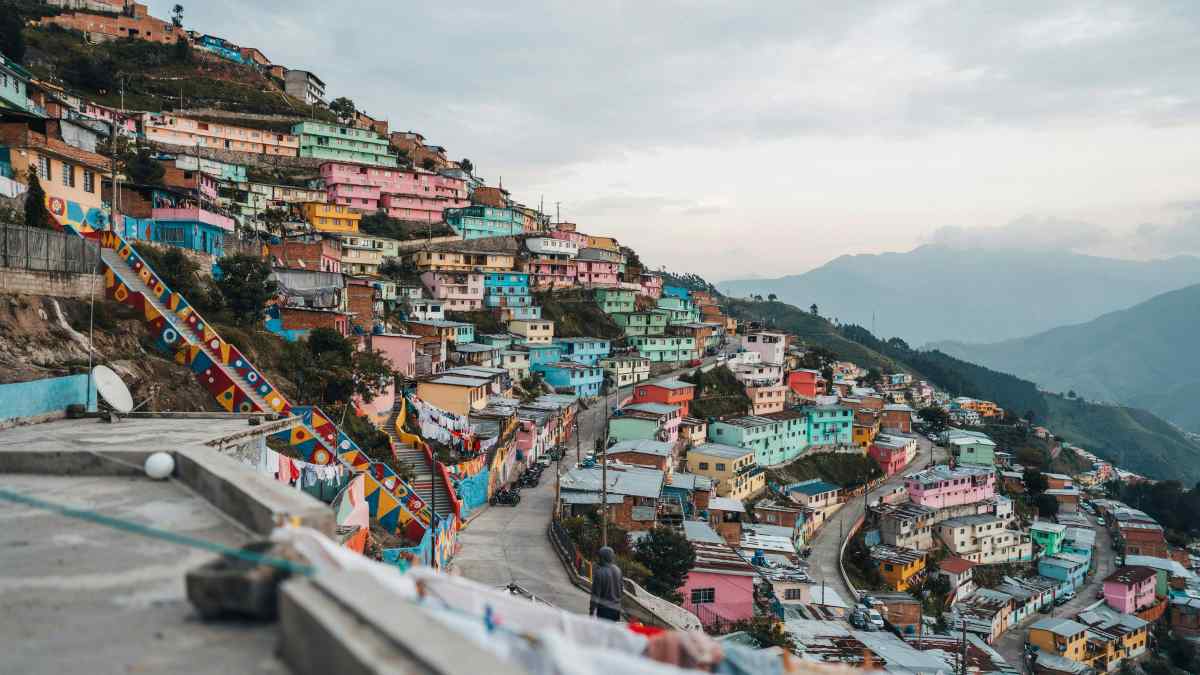
Colombia is increasingly prioritising sustainable tourism investment, regional development and monitoring of the growth of its visitor economy as it aims to enhance its position in the global market. Medellin and Cartagena are still major access points, but the overall strategy of the country is progressively extending to include coffee-growing areas, nature tourism and heritage destinations where the provision of more specialised experiences can take place. This strategy is based on the intention of the government to create additional value from tourism in terms of economic benefit while extending the range of tourism beyond the established visitor centres of the country. The government interventions focus on investment in infrastructure, competitive businesses, sustainability and regional tourism promotion. Boutique hotels, cultural tours and nature-based activities are some elements of the broader tourism potential available for investment and operation. Nonetheless, it should be noted that assertions regarding the establishment of hard annual caps for tourists via Colombia’s national entry portal and banning of repetitive border runs are not accurate.
Immigration oversight and tourist stay limits
Colombia’s immigration rules already establish limits on the time foreign visitors may remain in the country. For eligible nationalities entering without a visa, the permitted stay is determined by the immigration authority at the point of entry and is generally subject to a maximum of 90 days initially, with the possibility of an extension within the applicable annual limit.
Advertisement
Advertisement
The Colombian Foreign Ministry’s published guidance for tourist visas also sets out a maximum stay of 180 days within 365 days for the relevant visa category. This is a limit on authorised presence, rather than a newly introduced annual tourist quota applied through a national entry portal.
The distinction matters for visitors who attempt to maintain an extended presence through repeated exits and re-entries. Leaving the country does not automatically guarantee a fresh period of admission. Immigration officials retain authority to assess the purpose of travel, supporting documents and compliance with entry conditions.
Advertisement
Advertisement
Colombia has also increased checks on foreign visitors and tourism businesses in areas experiencing high international visitor activity. In November 2025, Migración Colombia reported inspection operations in Medellín’s main tourist corridors, including El Poblado, Provenza and Parque Lleras. The operations examined whether hotels, hostels, apart-hotels and platforms such as Airbnb were complying with the Sistema de Información para el Registro de Extranjeros, or SIRE, which requires relevant establishments to report foreign guests.
These checks form part of a broader effort to improve oversight of the visitor economy. They should not, however, be confused with a nationwide prohibition on repeat border crossings or a formal annual cap on all foreign tourists.
Advertisement
Advertisement
Medellín and Cartagena strengthen destination management
Medellín has become one of Colombia’s most internationally recognised urban destinations, attracting visitors through its cultural attractions, gastronomy, events and growing hospitality sector. Its tourism growth has also increased the importance of managing accommodation standards, visitor registration and compliance among businesses serving international guests.
The city’s inspection activity reflects the challenges associated with a rapidly developing visitor economy. Authorities have sought to ensure that accommodation providers meet their reporting responsibilities while strengthening checks in districts with substantial tourist activity.
Advertisement
Advertisement
Cartagena faces a different set of pressures. Its historic centre, colonial architecture, Caribbean coastline and established hotel market make it one of Colombia’s leading international leisure destinations. The city is also working to coordinate tourism investment with heritage protection, public-space improvements and more sustainable destination management.
Cartagena’s municipal tourism department identifies investment and sustainable development as key areas of responsibility. Its work includes planning tourism projects, coordinating public and private stakeholders, and improving infrastructure in ways that support visitors while protecting the city’s historic and cultural character.
For both cities, the challenge is to sustain international demand while ensuring that tourism growth does not place excessive pressure on residential neighbourhoods, heritage areas and local services.
Government funding supports sustainable tourism businesses
Colombia’s investment programme provides a more concrete indication of its ambitions to expand the economic contribution of tourism. In January 2026, the Ministry of Commerce, Industry and Tourism announced a national funding call worth more than 103 billion Colombian pesos through the General Royalties System.
Advertisement
Advertisement
The programme prioritises tourism competitiveness, promotion and infrastructure, with an emphasis on sustainable development and regional economic diversification. Eligible municipalities were invited to submit projects aligned with local tourism potential, employment generation and community development. The initiative forms part of the country’s 2025–2026 investment planning.
A further announcement followed in March 2026, when the ministry, Fontur and iNNpulsa Colombia introduced a 125-billion-peso programme aimed at improving the environmental sustainability and productivity of tourism micro, small and medium-sized businesses. The initiative seeks to benefit approximately 1,300 businesses and productive units across Colombia’s 32 departments.
These programmes are broader than a dedicated funding allocation for five-star eco-lodges or boutique hotels. Their stated priorities include helping local businesses improve operational standards, strengthen competitiveness and adopt more sustainable practices. Hotels, tour operators, food businesses and other tourism suppliers may all contribute to this development.
Coffee estates and nature-based experiences offer new opportunities
Colombia’s coffee-growing regions provide another route towards a more diverse tourism portfolio. The Coffee Cultural Landscape, recognised by UNESCO, offers visitors access to traditional coffee farms, mountain scenery, local architecture and agricultural heritage.
Private coffee-estate visits, accommodation on working farms and guided journeys through rural communities can help extend tourism spending beyond the country’s largest cities. These experiences also provide opportunities for smaller operators and local producers to participate in the visitor economy.
Nature-based tourism is similarly important. Colombia’s biodiversity, national parks and varied landscapes provide scope for birdwatching, guided ecological excursions, rural accommodation and conservation-focused travel. High-end eco-lodges and specialist itineraries can form part of this market, provided that development respects environmental regulations and local community interests.
Advertisement
Advertisement
The government has also used cultural tourism programmes to support community-led experiences. In February 2026, the Ministry of Cultures opened a funding call for community biocultural tourism projects, offering six grants of 40 million pesos each. The initiative sought to strengthen tourism linked to local cultural and environmental heritage.
Colombia’s changing position in the global tourism market
The goals of Colombian tourism have moved beyond targeting backpackers or focusing on the most renowned cities in the country. According to the official investment programs of the state, Colombia seeks to develop a tourism model centered on sustainable enterprises, culture, infrastructure and other diverse travel experiences. While Medellin and Cartagena are still key for international tourists, circuits in coffee estates, rural accommodation facilities and tours connected with nature may contribute to dispersing the economic benefit among a wider number of destinations. The regulation of foreign guests’ accommodation and registration in the country is another tool for controlling the expansion of the tourism industry. The shift to high-value tourism will not be possible in Colombia simply through the development of luxury hotels and visitor controls. The process requires efficient immigration administration, investment in local business, infrastructure development and protection of the region’s culture and natural resources. Therefore, Colombia is currently working on the complete transformation of its tourism economy, which seeks to balance international tourism appeal with greater involvement of the region and sustainability.
Advertisement
