

Hong Kong Tourism Gets a Powerful Boost as Guangdong’s Southbound Yacht Scheme Opens New Doors to Luxury Coastal Travel

Updated
Published
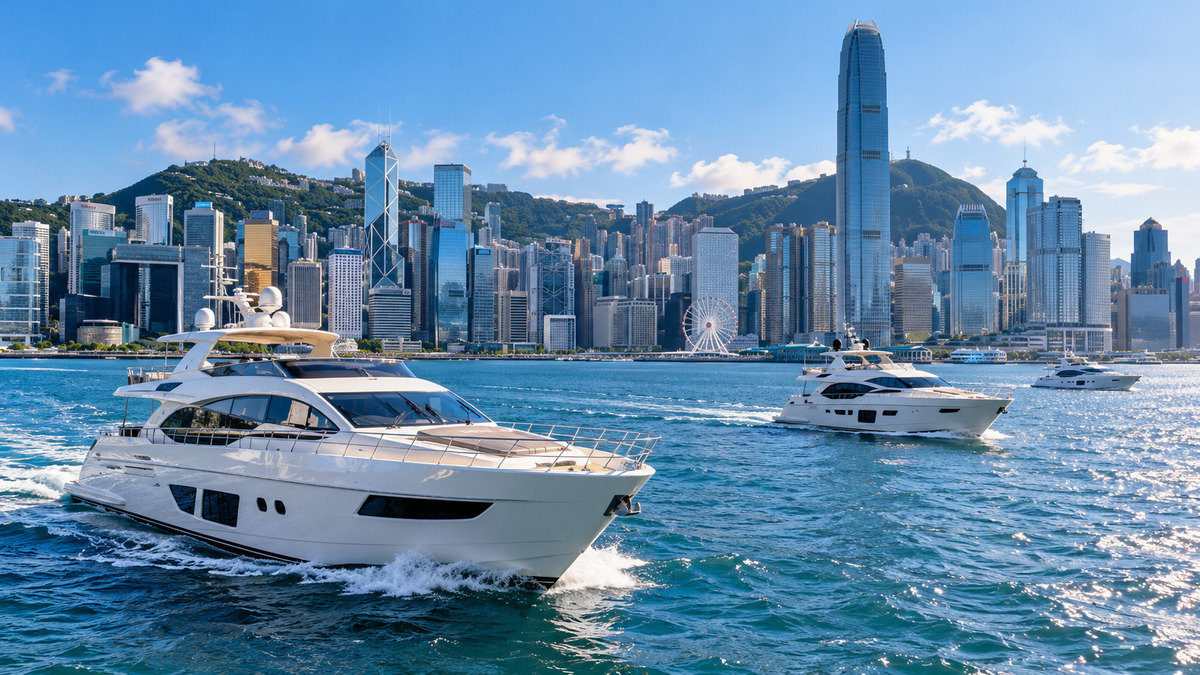
Hong Kong is preparing to welcome Guangdong-registered yachts from Friday, 16 October 2026, under the new Southbound Yacht Travel Scheme, opening another chapter in cross-border maritime tourism and strengthening leisure connectivity across the Guangdong-Hong Kong-Macao Greater Bay Area. The initiative follows a landmark agreement between Hong Kong’s Marine Department and the Guangdong Maritime Safety Administration and is designed to simplify recreational yacht journeys, encourage two-way visitor movement and create new opportunities for luxury hospitality, marine services and waterfront tourism.
The scheduled launch represents a significant development in Hong Kong’s efforts to establish itself as a regional yachting hub. It follows the introduction of northbound yacht travel arrangements earlier this year, which made it easier for eligible Hong Kong-registered yachts to visit mainland destinations. A maiden voyage ceremony is expected to mark the introduction of the southbound initiative on 16 October. The scheme will operate within established maritime safety, navigation and immigration requirements.
Advertisement
Advertisement
Hong Kong and Guangdong Prepare for a New Chapter in Cross-Border Yacht Tourism
The Southbound Yacht Travel Scheme will allow qualifying Guangdong-registered recreational vessels to enter Hong Kong waters through a more structured cross-border framework. The programme forms part of broader cooperation between Hong Kong and Guangdong to improve travel connections and expand economic activity across the Greater Bay Area.
Unlike conventional cross-border transport, recreational yachting serves a specialist leisure market that includes private yacht owners, boating enthusiasts and travellers seeking premium waterfront experiences. By improving access for this segment, Hong Kong aims to encourage more maritime visits while supporting the development of related tourism services. The initiative does not provide unrestricted access to all mainland-registered yachts. Participating vessels and their operators must satisfy the applicable approval, safety and clearance conditions.
Advertisement
Advertisement
Landmark September Agreement Establishes Foundation for Two-Way Yacht Travel
A major milestone occurred on 28 September 2026, when Hong Kong’s Marine Department and the Guangdong Maritime Safety Administration signed two work arrangements governing cross-boundary recreational yacht movements. The agreements cover the entry and exit of Guangdong-registered yachts into Hong Kong waters and the movement of Hong Kong yachts into Guangdong.
These arrangements establish an institutional foundation for reciprocal yacht travel between the two jurisdictions. They also support the Guangdong-Hong Kong-Macao individual yacht travel framework, which seeks to reduce administrative difficulties associated with cross-border recreational boating. The latest development builds on the Northbound Yacht Travel Scheme, introduced in June 2026, which simplified certain cross-border procedures for Hong Kong yacht owners travelling to nine mainland cities in the Greater Bay Area. The southbound initiative is intended to provide similar convenience for eligible Guangdong yacht owners visiting Hong Kong.
Advertisement
Advertisement
Key Dates and Developments Shaping Hong Kong’s New Yacht Tourism Strategy
| Date | Development |
|---|---|
| April 2025 | Guangdong, Hong Kong and Macao authorities began formal working-group discussions on individual yacht travel. |
| September 2025 | Hong Kong outlined plans to develop its yacht economy and expand marine tourism infrastructure. |
| May 2026 | Authorities detailed progress on cross-border yacht procedures and visitor clearance arrangements. |
| June 2026 | Northbound yacht travel facilitation began for eligible Hong Kong vessels visiting Guangdong. |
| 29 June 2026 | Hong Kong introduced enhanced digital clearance, designated anchorages and yacht-master qualification measures. |
| 16 September 2026 | The 2026 Policy Address reinforced the government’s focus on the yacht economy. |
| 28 September 2026 | Hong Kong and Guangdong signed two formal yacht travel work arrangements. |
| 16 October 2026 | The southbound scheme is scheduled to launch, accompanied by a maiden voyage ceremony. |
Together, these developments demonstrate how cross-border recreational boating is becoming part of a coordinated marine tourism strategy rather than remaining an isolated leisure activity.
Five Hong Kong Anchorage Areas Create More Options for Visiting Yachts
One of the most important improvements for visiting yachts is the introduction of five designated anchorage areas. Previously, securing appropriate berthing arrangements could create additional planning requirements for yacht operators. Hong Kong’s Marine Department has introduced a system allowing eligible visiting yachts to anchor in designated waters without necessarily reserving berths at privately operated yacht clubs or piers.
The approved areas are:
| Anchorage area | Location | Tourism relevance |
|---|---|---|
| Stanley Bay | Southern Hong Kong Island | Access to Stanley’s established waterfront and coastal leisure setting. |
| Tai Tam Bay | Southeastern Hong Kong Island | A scenic maritime environment close to natural coastal landscapes. |
| Repulse Bay | Southern Hong Kong Island | Proximity to one of Hong Kong’s best-known beachfront districts. |
| Three Fathoms Cove | Sai Kung | Access to the eastern New Territories’ boating and coastal recreation areas. |
| Tai O | Western Lantau Island | A coastal destination associated with traditional village heritage. |
These designated anchorages are intended to make visits more practical while allowing authorities to manage yacht movements. They should not be confused with full-service marinas offering guaranteed berths, maintenance facilities or passenger services. Anchorage availability remains dependent on vessel characteristics, occupancy and maritime safety requirements.
Digital Yacht Clearance Makes Maritime Travel More Convenient
Hong Kong has also introduced digital measures to simplify the administrative process for visiting recreational vessels. On 29 June 2026, the Marine Department launched an enhanced Electronic Business System, enabling yacht owners and masters to submit information without necessarily appointing local agents. The online platform supports advance submission of vessel, crew and passenger details for preliminary examination by relevant government departments.
It also covers applications for permission to enter Hong Kong waters, arrival reporting, navigation and anchorage approvals, port clearance and associated payments. For yacht operators, the system creates a more coordinated process for handling official formalities.
Advertisement
Advertisement
Existing requirements include submitting a pre-arrival notification to the Marine Department at least 24 hours before entering Hong Kong waters. The government has also maintained arrangements allowing visiting yacht operators to complete specified immigration procedures after arrival, subject to the prescribed time limits. These changes could help make short leisure visits easier to organise while preserving border controls.
Yacht Navigation Safety Remains Central to the New Scheme
The expansion of cross-border yachting requires careful management of vessel movements in Hong Kong’s busy waterways. The Marine Department has therefore introduced a Dynamic Yacht Monitoring System to manage visiting yachts using designated anchorages. The system considers vessel size, draft and existing anchorage occupancy when determining available capacity. It also enables authorities to monitor yacht movements within designated areas.
Visiting yachts using these anchorages must carry an Automatic Identification System and a Very High Frequency radio to support identification and communication. Yacht masters must meet relevant navigation qualification requirements, including knowledge of Hong Kong waters. To simplify compliance, the Marine Department has authorised relevant mainland authorities to conduct local knowledge examinations and approved seven training institutions to provide recognised courses. These requirements are intended to support safe recreational navigation alongside other maritime activities.
Luxury Travel and Premium Hospitality Could Benefit from New Maritime Visitors
The new scheme introduces another potential visitor segment for Hong Kong’s tourism economy. Guangdong yacht owners travelling south may combine recreational boating with overnight accommodation, shopping, entertainment and waterfront attractions. This could create additional opportunities for luxury hotels, specialist tour operators, private transport providers and premium leisure businesses.
Hong Kong’s established visitor infrastructure places it in a position to develop yacht-oriented travel experiences combining maritime access with urban attractions. Tourism operators could explore packages featuring coastal sightseeing, private leisure excursions and extended stays. Marina businesses may also benefit from demand for vessel servicing, technical assistance and other marine support activities. However, the actual commercial impact will depend on the number of visiting yachts, passenger spending and the length of individual trips. No official revenue forecast specifically measuring the southbound yacht scheme’s contribution has been established.
Hong Kong’s Tourism Economy Provides a Stronger Foundation for Maritime Growth
The initiative comes as Hong Kong continues to develop its wider visitor economy. According to the 2026 Policy Address, the city received 49.9 million visitor arrivals in 2025, representing year-on-year growth of 12 per cent. The government also estimated total inbound tourism expenditure of HK$238.1 billion in 2026, an increase of approximately 10 per cent compared with the previous year. These figures highlight the scale of Hong Kong’s broader tourism market, although they do not measure demand for recreational yachting.
Advertisement
Advertisement
The government has identified opportunities to diversify tourism products and encourage visitors to explore more of the destination. Marine tourism can complement traditional shopping, cultural attractions, exhibitions and major events by providing experiences centred on Hong Kong’s coastline and islands. For tourism businesses, the opportunity lies in connecting recreational yacht arrivals with established hospitality and destination services.
More Than 1,100 Proposed Yacht Berths Could Strengthen Hong Kong’s Maritime Infrastructure
Hong Kong’s long-term yacht economy strategy extends beyond changes to vessel entry procedures. The 2025 Policy Address proposed approximately 600 additional yacht berths through projects at the former Lamma Quarry site, the Aberdeen Typhoon Shelter expansion and the Hung Hom Station waterfront. A separate yacht bay at Airport City is intended to provide more than 500 additional berths, including facilities designed to accommodate superyachts exceeding 80 metres in length.
Together, these proposals represent more than 1,100 potential additional berths. The figures describe planned capacity rather than facilities already completed. Hong Kong has approximately 1,180 kilometres of shoreline and 263 islands, giving it extensive coastal resources for recreational boating and maritime tourism. The 2026 Policy Address and Hong Kong’s First Five-Year Plan for 2026–2030 have reinforced the importance of developing the yacht economy. Infrastructure expansion will be essential if increased cross-border yacht movements translate into sustained visitor demand.
Greater Bay Area Tourism Gains Another Cross-Border Travel Opportunity
The Guangdong-Hong Kong-Macao Greater Bay Area provides a substantial geographic framework for developing multi-destination tourism. The new yacht arrangements could encourage stronger links between Hong Kong and mainland coastal cities by creating more convenient recreational travel options. For destination management companies, the potential includes developing itineraries that combine city experiences, marina facilities and coastal attractions.
Marine service providers may also find opportunities for closer regional cooperation. The scheme complements broader initiatives designed to improve movement between Hong Kong and neighbouring mainland destinations. Its longer-term importance will depend on the availability of suitable facilities, consistent operating procedures and effective coordination between the relevant authorities.
Hong Kong’s Southbound Yacht Scheme Signals a New Direction for Maritime Tourism
The scheduled 16 October launch represents an important stage in Hong Kong’s efforts to develop reciprocal recreational yacht travel with Guangdong. By combining bilateral agreements, digital procedures, designated anchorages and navigation safety arrangements, the authorities are creating a more practical framework for cross-border maritime leisure.
Advertisement
Advertisement
The scheme also aligns with Hong Kong’s wider ambitions to expand its yacht economy and strengthen the Greater Bay Area’s tourism connectivity. For the travel and hospitality industry, the initiative introduces potential opportunities in premium accommodation, marine services, destination experiences and waterfront leisure. The immediate focus will be on implementation, vessel participation and operational efficiency. Over the longer term, stronger marina infrastructure and easier cross-border procedures could help recreational yachting become a more established component of Hong Kong’s tourism economy.
Advertisement
