
United States Opens a New Travel Chapter as Hawaiʻi Moves Towards Community-Driven Destination Management

Published
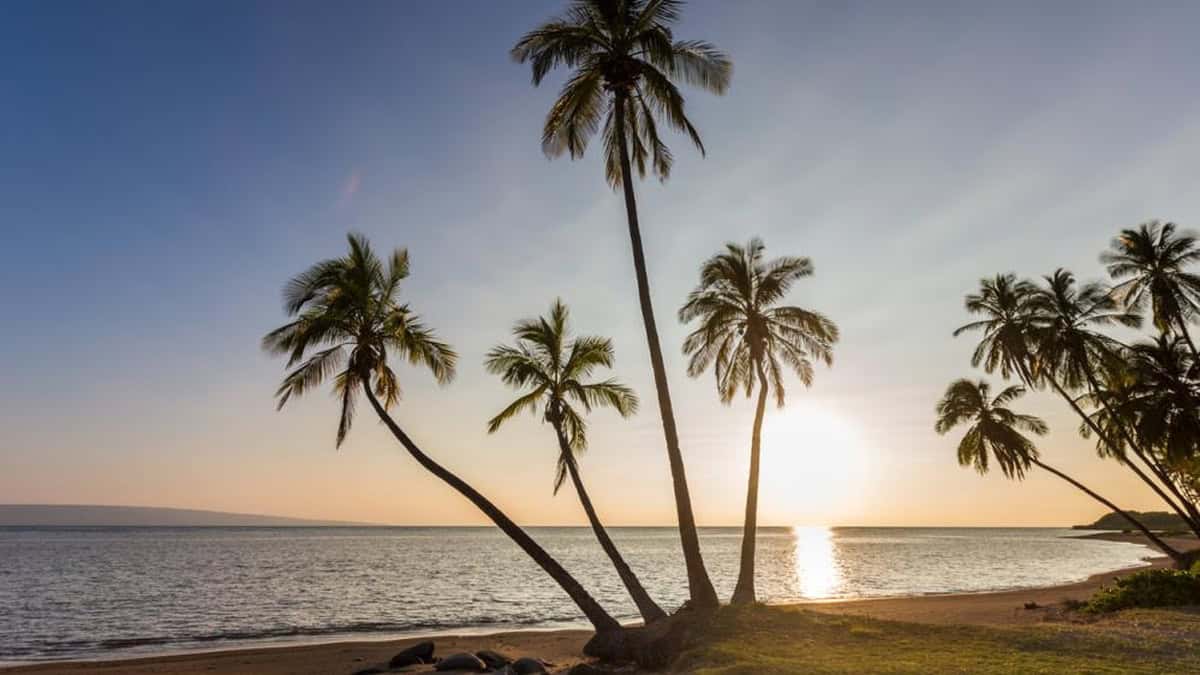
United States destination Hawaiʻi is advancing a new tourism management approach that places community priorities, environmental protection and cultural stewardship at the centre of future travel planning. Through the Hawaiʻi Tourism Authority’s Destination Management Action Plans (DMAPs) for 2026–2028, islands including Molokaʻi, Kauaʻi and Lānaʻi are moving towards a more controlled and locally guided tourism system designed to improve visitor experiences while protecting resources and resident quality of life.
United States Develops a New Island Tourism Strategy Focused on Stewardship Rather Than Volume
Hawaiʻi is entering a new phase of destination management as tourism planning increasingly moves away from a traditional visitor-growth approach towards a community-driven model focused on balancing economic benefits with environmental and cultural responsibilities.
The shift is being shaped through the Hawaiʻi Tourism Authority’s 2026–2028 Destination Management Action Plans, which identify priority areas under pressure and create island-specific actions based on community input, government coordination and visitor industry participation.
The development represents a significant change in how island destinations approach tourism. Instead of measuring success only through higher visitor numbers, Hawaiʻi’s latest framework focuses on questions such as how tourism affects residents, how natural resources are protected and how travellers can experience destinations more responsibly.
Advertisement
Advertisement
This approach positions Hawaiʻi among destinations globally exploring regenerative tourism models, where tourism is managed to create wider benefits for communities and ecosystems.
Hawaiʻi’s Tourism Model Shifts Towards Community-Led Destination Management
The latest DMAP framework is built around the idea that tourism decisions should reflect local conditions rather than follow a single statewide growth strategy.
Advertisement
Advertisement
According to HTA, the 2026–2028 plans were created through community engagement processes involving residents, industry representatives, government agencies and local advisory groups. Each island identified its own challenges and priorities rather than adopting a uniform tourism strategy.
The approach creates a different pathway for remote and smaller destinations. Instead of simply attracting more visitors, islands can determine:
| Traditional Tourism Approach | New Destination Management Approach |
|---|---|
| Focus on increasing arrivals | Focus on improving destination balance |
| Visitor numbers as a key measure | Resident wellbeing and visitor experience also considered |
| Broad marketing-driven growth | Local priorities and resource protection |
| Reactive problem solving | Planned management of pressure points |
This transition reflects a wider industry trend where destinations are seeking ways to prevent overcrowding, protect cultural identity and maintain long-term tourism resilience.
Molokaʻi Becomes a Key Example of Community-Based Tourism Planning
Among Hawaiʻi’s islands, Molokaʻi provides one of the clearest examples of a community-focused tourism strategy.
The Molokaʻi Destination Management Action Plan 2026–2028 identifies a need to protect natural and cultural resources while creating visitor experiences aligned with local values. The plan highlights guided access, visitor education and locally rooted opportunities as important elements of future tourism management.
Molokaʻi’s tourism profile differs significantly from Hawaiʻi’s larger visitor centres. HTA data shows the island recorded preliminary 2025 visitor expenditure of $28.80 million, while total visitor arrivals were 30,239, demonstrating a lower-volume tourism environment compared with major Hawaiian destinations.
Advertisement
Advertisement
This makes Molokaʻi an important case study for destinations seeking alternatives to high-volume tourism.
| Destination | Tourism Management Focus | Key Priority |
|---|---|---|
| Molokaʻi | Community-driven tourism planning | Protect resources and strengthen locally guided experiences |
| Kauaʻi | Managing priority sites under strain | Improve coordination and visitor experience |
| Lānaʻi | Sustainable visitor engagement | Prepare for potential future pressure |
Kauaʻi Uses Destination Planning to Manage Visitor Pressure and Protect Resources
Kauaʻi’s tourism strategy demonstrates how destination management can address challenges created by popular natural attractions.
The Kauaʻi DMAP 2026–2028 focuses on protecting natural and cultural resources while improving residents’ quality of life and creating meaningful visitor experiences. The plan identifies priority areas requiring stronger management, communication and coordination.
HTA reported that Kauaʻi recorded approximately $2.93 billion in visitor expenditures in 2025, with average daily visitor spending reaching $281.25, highlighting the island’s importance within Hawaiʻi’s tourism economy.
The challenge for destinations such as Kauaʻi is maintaining tourism value without increasing pressure on landscapes, infrastructure and local communities.
The new management model therefore focuses on improving the quality and sustainability of tourism rather than simply expanding visitor volume.
Advertisement
Advertisement
Lānaʻi Shows How Low-Volume Destinations Can Plan Future Tourism Growth
Lānaʻi presents a different tourism scenario. Unlike destinations experiencing intense visitor pressure, the island’s planning challenge is managing potential future growth while protecting its character.
The Lānaʻi DMAP states that the island faces less immediate overcrowding pressure but requires careful planning to prevent future strain as tourism develops.
HTA data shows Lānaʻi recorded preliminary 2025 visitor expenditure of $99.80 million, while average daily visitor spending reached $625.25, the highest among Hawaiʻi’s islands according to the plan’s visitor industry snapshot.
| Lānaʻi Tourism Indicator (2025 Preliminary Data) | Figure |
|---|---|
| Visitor expenditure | $99.80 million |
| Average daily visitor spending | $625.25 |
| Visitor arrivals | 43,945 |
This highlights how smaller destinations can pursue higher-value tourism models while maintaining environmental and community priorities.
Why Hawaiʻi’s New Tourism Approach Matters for Global Travel
The importance of Hawaiʻi’s strategy extends beyond the islands.
Many destinations worldwide are facing similar challenges:
Advertisement
Advertisement
- rising visitor demand;
- pressure on natural attractions;
- concerns about local community involvement;
- the need for sustainable tourism investment.
Hawaiʻi’s model provides an example of how governments and tourism organisations can move towards destination stewardship.
For international tour operators, this shift could mean greater demand for:
- smaller group experiences;
- culturally respectful itineraries;
- locally operated activities;
- nature-based travel;
- responsible tourism products.
The future traveller may increasingly seek destinations that offer authenticity and environmental responsibility rather than only famous attractions.
Travel Industry Impact: What Tour Operators Need to Know
For travel advisors, airlines, hotels and destination management companies, Hawaiʻi’s evolving model creates several operational considerations.
Key operational takeaways:
- Tour programmes should prioritise responsible visitor behaviour as destinations introduce stronger stewardship practices.
- Local partnerships will become increasingly important as community-led experiences gain importance.
- Travel planning should consider site-specific management rules in environmentally sensitive areas.
- Premium and experiential tourism opportunities may expand as destinations focus on quality rather than quantity.
- Sustainability messaging will become a stronger booking factor for environmentally conscious travellers.
Hawaiʻi’s Destination Management Strategy Signals a Wider Future for Island Tourism
Hawaiʻi’s latest tourism planning approach reflects a broader transformation in global travel. The future of island tourism is increasingly moving towards carefully managed growth, community participation and protection of natural and cultural assets.
The 2026–2028 Destination Management Action Plans do not represent an end to tourism expansion. Instead, they represent a change in how growth is evaluated, with greater emphasis placed on long-term destination health.
As remote islands worldwide face similar pressures, Hawaiʻi’s community-led planning framework could become an influential example of how destinations balance economic opportunity with environmental and social responsibility.
Advertisement
