
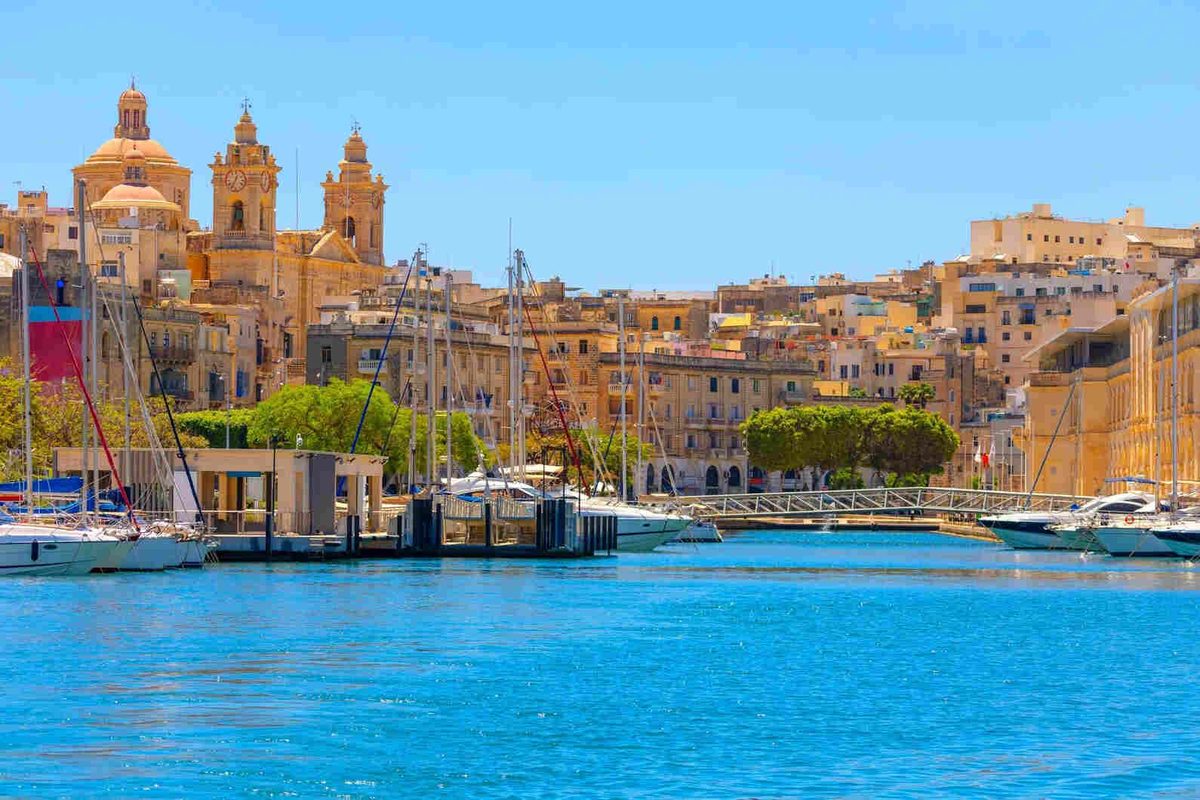
Image generated with Ai
The level of leadership needed for the WTTC Global Summit 2026 in Valletta shows that Malta is a more significant meeting point for the Travel & Tourism industry as a whole. From 7–9 October 2026, top executives and government representatives will join global investors to consider the challenges and new opportunities in travel for the next years.
The summit will create a unique environment where competing businesses, government authorities and destination leaders can exchange ideas beyond traditional industry boundaries. From aviation connectivity and hotel expansion to digital transformation and tourism investment, discussions in Valletta are expected to influence decisions that will affect destinations and businesses worldwide.
Advertisement
For Malta, the arrival of such a powerful group of decision-makers represents an important opportunity to strengthen its position as a destination capable of attracting international partnerships, high-value visitors and long-term investment.
The WTTC Global Summit is designed to bring together leaders from almost every corner of the Travel & Tourism ecosystem. The 2026 gathering will feature executives from hospitality, airlines, cruise companies, technology providers, travel distribution platforms, financial services and destination organisations.
Advertisement
Advertisement
The diversity of participants reflects how interconnected the modern travel industry has become. A traveller’s journey today involves a complex network of airlines, accommodation providers, payment companies, digital platforms, transport operators and destination services.
Among the influential leaders expected in Valletta will be executives representing some of the world’s most recognised travel brands.
The hospitality sector will have a strong presence, with senior figures from companies including Hilton, IHG Hotels & Resorts, Four Seasons, Marriott International, Accor, Iberostar and Minor Hotel Group.
Their participation comes at a time when global hospitality is undergoing major transformation, with companies focusing on premium experiences, personalised services, sustainability and technology-driven guest engagement.
Advertisement
Advertisement
The aviation sector will also be represented by leaders involved in expanding global connectivity and reshaping how travellers move between destinations. Companies connected to airlines, airports and transport infrastructure will contribute perspectives on future mobility, capacity growth and changing passenger expectations.
Meanwhile, travel technology and distribution companies will play a central role in discussions around artificial intelligence, digital platforms and the future of travel planning.
For Malta, hosting the WTTC Global Summit represents an opportunity to communicate its long-term tourism vision to some of the most influential people in the sector.
The island has traditionally been recognised for its historic attractions, Mediterranean coastline and cultural heritage. However, the country is increasingly positioning itself as a destination offering more than traditional leisure holidays.
Through the summit, Malta will showcase its potential across multiple areas, including luxury travel, business events, investment, maritime tourism and sustainable destination development.
The event will also allow international executives to experience Malta’s tourism infrastructure directly, including its accommodation sector, transport links, heritage attractions and visitor services.
Such exposure can prove valuable because many global tourism decisions are influenced not only by economic data but also by first-hand destination experiences.
A successful summit could encourage new partnerships between Maltese companies and international brands while increasing confidence among investors considering opportunities within the country’s tourism economy.
The timing of the summit comes as Travel & Tourism continues to play a major role in Malta’s economic development. The sector remains one of the country’s most important sources of employment, international revenue and business activity.
According to WTTC projections, Malta’s Travel & Tourism sector is expected to make a significant contribution to the national economy in 2026, highlighting the industry’s continuing importance to economic growth.
The summit will therefore provide more than international visibility. It will create a platform where Malta can attract future investment, strengthen industry relationships and demonstrate its ability to compete in an increasingly competitive global tourism market.
For tourism-dependent economies, attracting influential industry leaders can have long-term benefits. Connections created during major international events often lead to future collaborations, new business opportunities and increased global awareness.
One of the most important outcomes expected from the WTTC Summit will be discussions around investment.
Travel & Tourism is entering a period where destinations are competing not only for visitors but also for capital, infrastructure projects and technological development.
Investors are increasingly looking at destinations that can provide strong connectivity, political stability, skilled workforces, sustainable growth models and opportunities for innovation.
Malta’s location gives it a strategic advantage. Positioned between Europe, North Africa and the Middle East, the island has historically served as a meeting point between different cultures and economies.
The summit will allow Malta to highlight this geographic advantage while presenting opportunities across tourism-related industries.
From hotel development and cruise tourism to digital innovation and premium experiences, the discussions in Valletta will focus on how destinations can create stronger tourism ecosystems.
A defining feature of WTTC Global Summits is the interaction between business leaders and policymakers. The event is designed to encourage cooperation between governments and private companies to address shared challenges facing the tourism industry.
In Valletta, discussions are expected to focus on how collaboration can help destinations manage rapid change while creating sustainable growth.
Issues such as workforce shortages, climate adaptation, infrastructure development, responsible tourism and digital transformation require cooperation between multiple stakeholders.
No single company or government can solve these challenges independently. The future of tourism will depend on partnerships that combine private sector innovation with public sector planning.
The 2026 summit will therefore serve as a platform where ideas can move from discussion into practical strategies.
The expected attendance list reflects the enormous range of expertise represented at the summit.
Executives from travel companies, investment groups and destination organisations will bring experience from markets across Europe, Asia, the Middle East, Africa and the Americas.
Among those expected to participate are leaders from:
Their presence demonstrates that the summit is not focused on one segment of tourism but on the entire global travel economy.
As preparations continue, Valletta is emerging as the stage where the future direction of Travel & Tourism will be debated by some of the industry’s most influential leaders.
The WTTC Global Summit 2026 will place Malta in the international spotlight and provide a rare opportunity for the island to demonstrate its capabilities as a tourism destination, investment hub and global meeting location.
Beyond the conference rooms, the event represents a wider message: destinations that embrace innovation, collaboration and sustainable growth will be best positioned to succeed in the next chapter of global travel.
The conversations beginning in Valletta are expected to shape not only Malta’s tourism future but also the broader evolution of an industry connecting billions of people worldwide.
The 26th WTTC Global Summit in Valletta will arrive at a defining moment for the Travel & Tourism sector, with industry leaders preparing to discuss how the world’s largest economic sectors can adapt to rapid technological, environmental and social transformation. Under the theme “FUTU[RE]SET: Shaping the Future of Travel & Tourism,” the summit will examine the forces reshaping global mobility and explore how businesses and governments can create a stronger, more innovative and sustainable travel ecosystem.
The three-day gathering will bring together private sector executives, policymakers and international organisations to address some of the biggest questions facing tourism today: How will artificial intelligence redefine travel experiences? How can destinations balance growth with sustainability? How can businesses remain competitive as traveller expectations continue to evolve?
For Malta, hosting these conversations places the Mediterranean island at the heart of the global debate about the future direction of tourism.
The summit will not simply focus on celebrating the recovery and expansion of Travel & Tourism. Instead, it will look ahead at the next transformation of the industry, where technology, investment, innovation and collaboration will determine which destinations and businesses succeed.
Artificial intelligence is expected to become one of the most important themes discussed during the WTTC Global Summit 2026.
The travel industry is already experiencing a rapid digital shift, with AI influencing how travellers search, plan, book and experience journeys. From personalised recommendations and intelligent customer service tools to predictive analytics and operational improvements, technology is changing almost every stage of the travel process.
For airlines, hotels, airports and online travel platforms, AI offers opportunities to improve efficiency while creating more personalised experiences for customers.
Hotels are increasingly using technology to understand guest preferences, improve pricing strategies and enhance operational management. Airlines are exploring digital solutions to improve scheduling, customer communication and passenger services. Travel platforms are using advanced systems to provide more targeted recommendations based on individual traveller behaviour.
However, the summit discussions are expected to move beyond technology adoption. Leaders will also examine questions around responsible AI use, data protection, workforce transformation and ensuring that innovation benefits both businesses and travellers.
The challenge for the industry will be finding the right balance between automation and human connection.
Travel remains an experience built around people, cultures and personal interactions. The future of tourism will likely depend on combining advanced technology with authentic experiences that maintain the emotional connection travellers seek.
Sustainability will be another major focus at the Valletta summit as destinations and businesses continue searching for ways to achieve growth while protecting natural and cultural resources.
The global tourism industry has increasingly recognised that long-term success depends on responsible development. Destinations are under growing pressure to manage visitor numbers, reduce environmental impacts and ensure tourism delivers meaningful benefits for local communities.
The WTTC has consistently highlighted the importance of sustainable and inclusive growth within Travel & Tourism, bringing together businesses and governments to address shared challenges.
At the Malta summit, discussions are expected to explore how destinations can develop tourism models that support economic growth while preserving heritage, biodiversity and local identity.
For Malta, sustainability is particularly important. The island’s tourism success is closely connected to its historic cities, marine environment, cultural attractions and Mediterranean landscape.
Maintaining this balance will be essential as Malta continues attracting international visitors while protecting the assets that make the destination unique.
The summit will provide an international platform for discussing how destinations can move beyond traditional tourism growth models and focus on quality, value and long-term resilience.
One of the strongest messages expected from the WTTC Global Summit will be the importance of cooperation between governments and businesses.
The challenges facing modern tourism are complex and interconnected. Aviation capacity, visa policies, infrastructure development, workforce shortages, climate adaptation and digital transformation require cooperation between multiple stakeholders.
No individual company or destination can address these issues alone.
The summit will bring together public and private sector leaders to explore how stronger partnerships can accelerate investment, improve competitiveness and create sustainable tourism opportunities.
Governments will play a critical role in creating supportive policy environments, while businesses will contribute investment, innovation and operational expertise.
This collaboration model has become increasingly important as destinations compete globally for visitors, talent and capital.
The countries and regions that successfully combine government vision with private sector innovation are likely to gain a competitive advantage in the future tourism economy.
The future of Travel & Tourism will also be influenced by changing consumer expectations.
Modern travellers are increasingly seeking personalised, meaningful and flexible experiences rather than traditional holidays alone.
Visitors are looking for authentic cultural connections, wellness experiences, sustainable options and destinations that provide unique stories.
The growth of digital nomads, luxury experiential travel, adventure tourism and personalised journeys demonstrates how traveller behaviour is evolving.
Younger generations in particular are placing greater importance on sustainability, technology and local experiences when choosing destinations.
This shift is forcing businesses to rethink traditional tourism models.
Hotels are developing more lifestyle-focused concepts. Destinations are promoting lesser-known attractions to spread visitor demand. Travel companies are investing in digital platforms that allow travellers to customise their journeys.
The WTTC Summit will examine how businesses can respond to these changes while ensuring destinations remain competitive in a rapidly evolving marketplace.
Beyond tourism promotion, the Valletta summit will highlight the importance of investment in shaping the industry’s future.
Travel & Tourism requires continuous investment in airports, hotels, transportation networks, digital infrastructure and visitor experiences.
As global competition increases, destinations are seeking investment that creates long-term economic benefits rather than short-term visitor growth.
Malta’s role as host provides an opportunity to showcase its investment potential to some of the world’s most influential tourism executives.
The presence of leaders from hospitality groups, financial institutions, technology companies and destination organisations creates a valuable environment for exploring new partnerships.
For investors, destinations with strong connectivity, skilled workforces, political stability and sustainable development strategies are becoming increasingly attractive.
The summit will demonstrate how tourism investment is no longer limited to building hotels or expanding attractions. It now includes technology, renewable solutions, smart infrastructure and innovative visitor experiences.
The tourism industry continues to operate in a world shaped by geopolitical uncertainty, economic pressures, climate challenges and changing consumer behaviour.
The FUTU[RE]SET theme reflects the need for the sector to become more adaptable and resilient.
Future tourism success will depend on the ability of businesses and destinations to respond quickly to disruption while continuing to create positive experiences for travellers.
The summit will encourage leaders to rethink traditional approaches and explore new strategies for growth.
From strengthening supply chains to improving workforce capabilities, resilience will remain a critical priority for the global tourism economy.
The discussions in Valletta will therefore focus not only on where travel is today but where it needs to go tomorrow.
As global Travel & Tourism leaders prepare to gather in Valletta, the 2026 WTTC Global Summit is expected to become a landmark event for the industry.
The conversations surrounding artificial intelligence, sustainability, investment and innovation will help define the priorities shaping tourism in the coming decade.
For Malta, the summit represents international recognition of its growing role within global tourism.
For the wider industry, it represents a moment to rethink, rebuild and prepare for a future where technology, collaboration and responsible growth will determine success.
The message from Valletta will be clear: the future of Travel & Tourism will belong to destinations and businesses that are prepared to adapt, innovate and work together.
The WTTC Global Summit 2026 in Malta is set to become one of the most influential tourism gatherings of the year, with a remarkable group of global executives, business leaders, destination representatives and government officials preparing to participate in the three-day event.
The breadth of the attendance reflects the summit’s unique position as a meeting place for the entire Travel & Tourism ecosystem. From multinational hotel groups and airlines to technology companies, investment firms, cruise operators, luxury travel specialists and tourism authorities, leaders from across the industry will gather in Valletta to exchange ideas and explore future opportunities.
The participation of these executives highlights the international importance of the summit and reinforces Malta’s role as a destination capable of hosting conversations that influence global tourism strategies.
Unlike conventional travel conferences, the WTTC Global Summit brings together decision-makers with the authority to shape investment plans, business expansion strategies and destination development policies.
The 2026 gathering will provide a rare opportunity for leaders across different sectors to collaborate on issues affecting the future of global mobility, tourism growth and economic development.
The hotel industry will have a significant presence at the summit, with senior executives from some of the world’s largest hospitality organisations expected to attend.
These leaders represent companies responsible for millions of hotel rooms worldwide and play a major role in shaping guest experiences, accommodation trends and tourism investment.
Among the confirmed hospitality leaders are:
Their presence highlights the changing priorities of the hospitality sector, including luxury growth, sustainability, technology adoption, personalised guest experiences and investment in emerging markets.
Travel depends on efficient connectivity, and aviation leaders attending the summit will bring insights into how passenger movement is evolving worldwide.
Airlines, airports and transport companies are facing major transformation as demand increases, technology advances and travellers expect smoother journeys.
Executives participating from the wider mobility sector include:
The discussions will focus on connectivity, infrastructure investment, sustainable transport solutions and the role of mobility networks in supporting tourism growth.
For destinations such as Malta, strong international connectivity remains essential to attracting visitors and supporting economic development.
Technology companies will also play an important role at the summit as digital transformation becomes one of the defining forces shaping Travel & Tourism.
From artificial intelligence and online booking platforms to digital payments and travel management systems, technology is changing how people discover and experience destinations.
Key technology and digital industry leaders attending include:
These executives will contribute perspectives on how digital innovation can improve travel experiences, increase accessibility and create more efficient tourism operations.
Cruise tourism and experiential travel continue to expand globally, creating new opportunities for destinations and businesses.
The summit will welcome leaders from companies shaping cruise development, luxury journeys and specialised travel experiences.
Representatives include:
Their participation reflects the growing importance of experience-based travel, luxury tourism and destination-specific journeys.
Travel & Tourism is increasingly connected with finance, investment and global business strategy. The summit will welcome executives whose organisations influence tourism development through investment, consulting and financial expertise.
Participants include:
Their involvement highlights the growing importance of financial planning, risk management and strategic investment in tourism development.
The summit will also bring together tourism ministers and destination authorities responsible for shaping national tourism policies.
Government and destination representatives expected to attend include:
Their presence will allow destinations to exchange strategies on attracting visitors, improving competitiveness and building sustainable tourism models.
The extensive attendance list demonstrates the extraordinary reach of the WTTC Global Summit.
Executives arriving in Malta will represent markets across Europe, Asia, the Middle East, Africa and the Americas, creating a truly international forum for discussion and collaboration.
The gathering will allow leaders to explore common challenges while identifying new opportunities for tourism growth.
From hotel investment and aviation expansion to digital innovation and sustainable development, the discussions in Valletta will involve every major element of the modern travel economy.
The summit’s global representation reinforces Malta’s position as a destination capable of hosting world-class events and connecting influential leaders from across the tourism landscape.
The upcoming WTTC Global Summit 2026 in Malta represents the next chapter in a long-running global conversation about the future of Travel & Tourism. Following the success of the 25th WTTC Global Summit held in Rome in 2025, the industry’s most influential leaders will once again gather to examine the opportunities, challenges and transformations shaping one of the world’s most important economic sectors.
Over the years, WTTC Global Summits have become recognised as strategic platforms where private sector leaders, government officials and international organisations come together to discuss the direction of global tourism.
Previous editions have explored some of the biggest issues affecting the sector, including sustainable tourism development, artificial intelligence, aviation transformation, investment opportunities, workforce challenges and the emergence of new travel markets.
The Malta edition will continue this tradition while placing renewed attention on how the industry can prepare for a rapidly changing future.
The WTTC Global Summit has developed into a key annual meeting point for decision-makers who influence how tourism operates worldwide.
Unlike traditional industry events focused primarily on promotion and networking, the summit provides a strategic environment where leaders discuss policies, investments and innovations that shape the future of travel.
The discussions held during previous summits have addressed critical issues such as:
The 2026 summit in Valletta will build on these themes while addressing new challenges emerging in the global travel landscape.
As tourism continues to evolve after years of disruption and transformation, leaders will examine how businesses and governments can create a sector that is more adaptable, inclusive and prepared for future uncertainty.
For Malta, the opportunity to host the WTTC Global Summit represents a major milestone in its international tourism journey.
The event will bring global attention to Valletta and provide the country with a platform to demonstrate its capabilities as a destination, investment location and international business hub.
The summit will allow Malta to highlight several strengths that contribute to its tourism appeal, including:
Beyond showcasing attractions, Malta will demonstrate how smaller destinations can compete successfully in a global tourism environment by focusing on quality, innovation and sustainable development.
The arrival of global executives will also create opportunities for local businesses to connect with international partners and explore new collaborations.
For the first time, senior leaders from organisations outside the WTTC Membership community will have an opportunity to participate in the Global Summit through the Executive Access Pass programme.
The initiative aims to expand access to the event by allowing additional industry decision-makers to join the world’s leading Travel & Tourism executives and government representatives in Valletta.
Participants with Executive Access Passes will receive access to:
The limited availability of these passes reflects the exclusive nature of the summit and its position as one of the most influential gatherings in the global tourism calendar.
For executives looking to understand emerging trends, identify investment opportunities and build strategic partnerships, the event provides a valuable platform.
The WTTC Global Summit 2026 comes at a time when Travel & Tourism is entering a new phase.
The industry is no longer focused only on recovery and growth. It is now confronting deeper questions about how travel should evolve in a world shaped by technology, environmental challenges and changing consumer expectations.
The summit in Valletta will explore how the sector can create growth while maintaining responsibility.
Leaders will examine how destinations can attract visitors without compromising natural resources, how companies can use technology while maintaining human connections and how governments and businesses can work together to strengthen tourism economies.
These discussions will be particularly important as destinations compete for travellers, investment and global attention.
As the countdown continues, Malta is preparing to welcome a gathering unlike any other in its tourism history.
The arrival of more than 200 global Travel & Tourism executives will transform Valletta into a centre of international discussion, innovation and collaboration.
The 2026 WTTC Global Summit will provide a rare opportunity for leaders to exchange ideas, challenge existing approaches and develop strategies that will influence the future of travel.
For Malta, it will be a moment to showcase its identity, ambitions and potential on a global stage.
For the wider tourism industry, it will be a moment to look beyond the present and prepare for what comes next.
Under the theme “FUTU[RE]SET: Shaping the Future of Travel & Tourism,” the summit will send a powerful message: the future of travel will belong to those destinations, businesses and leaders willing to innovate, collaborate and adapt.
As Valletta welcomes the world in October 2026, Malta will not simply host a tourism conference. It will host a global conversation about where travel goes next.
Advertisement
Advertisement
Advertisement













Thursday, September 3, 2026

Thursday, September 3, 2026

Thursday, September 3, 2026

Thursday, September 3, 2026

Thursday, September 3, 2026

Wednesday, September 2, 2026

Thursday, September 3, 2026

Thursday, September 3, 2026


