
Experience La Caverne du Pont Neuf: The Ultimate Paris Art Journey That You Need To Know

Published
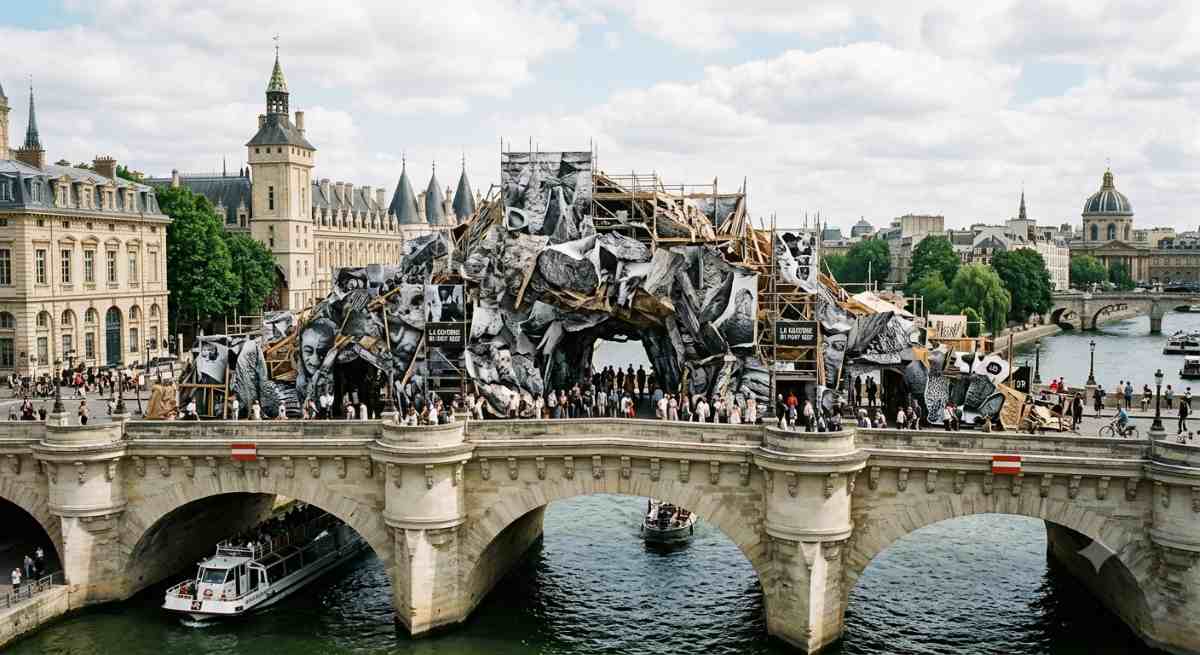
Image generated with Ai
The oldest bridge in Paris, the legendary Pont Neuf, was recently transformed into a striking immersive artwork known as La Caverne du Pont Neuf. This monumental project, conceived by the renowned artist JR, invites the public to engage with the urban environment in an unprecedented way. By turning a historic thoroughfare into an experiential space, the installation bridges the gap between ancient stone architecture and contemporary art.
Background and Contextual Origins
The conceptual foundations of this installation are rooted in the artistic fabric of Paris. In 2025, the city marked the 40th anniversary of the iconic project The Pont Neuf Wrapped, created by Christo and Jeanne-Claude. Those legendary artists profoundly influenced JR. Consequently, La Caverne du Pont Neuf is presented as a vibrant tribute to their transformative vision.
Advertisement
Advertisement
At the invitation of the Christo and Jeanne-Claude Foundation, JR sought to create a dialogue between different eras. He blended the historical boldness of previous interventions with his own monumental approach. The choice of a cavernous structure is significant. This project serves as a culmination of the artist’s reflection on the human need to reconnect with the sensory world.
The Pont Neuf is constructed from Lutetian limestone. This material, sourced from underground basins in the Paris region, formed the foundation for structures like the Louvre. By reimagining the bridge as a cavern, the installation draws the city back to its raw material origins. It invites visitors to journey into the very belly of the capital.
Advertisement
Advertisement
Impact on Travellers and Urban Engagement
For those traversing the city, the installation provides a profound disruption to the everyday commute. The structure facilitates a complete sensory shift. It effectively makes individuals forget they are walking across a traditional bridge.
Advertisement
Advertisement
- The sensation of crossing a standard thoroughfare is replaced by a move toward the unknown.
- Fullness and emptiness are held in careful balance.
- The environment is enhanced by an electro-acoustic soundscape created by Thomas Bangalter.
- This sonic texture is both intimate and all-encompassing.
- The experience encourages a slowed pace and heightened awareness.
This public art project remains free and accessible to all. It operates 24 hours a day, ensuring that the encounter is available to a diverse audience.
Industry Insights and Artistic Production
La Caverne du Pont Neuf stands as an example of significant private-sector involvement in the arts. The project was realized through the initiative of L’Amicale des Ponts de Paris, a private endowment fund. Notably, this installation was funded entirely through private partners. No public money was utilized in its execution.
This model of funding highlights a growing trend in metropolitan areas. Private endowment funds now play a central role in commissioning large-scale public art. By managing logistics, L’Amicale des Ponts de Paris has demonstrated that art can be placed at the heart of the city through dedicated private patronage.
Advertisement
Advertisement
Practical Information for Visitors
The installation is situated on the Pont Neuf in Paris. As a 120-meter immersive work, it is designed for general access.
- Location: Pont Neuf, Paris 1st arrondissement.
- Access: Free, no booking required.
- Operating Hours: Open 24/7.
- Visitor Tips: Prepare for potential wait times due to high demand.
- Information: Live updates regarding wait times are available on the official project website.
Visitors are advised to verify operating dates. As an ephemeral installation, it is subject to a final closing date, marking the conclusion of its temporary tenure.
Advertisement
Advertisement
Comparison with Previous Policies and Developments
Historically, public art projects in Paris have frequently engaged with landmark sites. Yet, La Caverne du Pont Neuf distinguishes itself through its specific, long-term conceptual evolution. While earlier projects, such as the work by Christo and Jeanne-Claude, focused on the wrapping of the monument to challenge visual perception, the approach of JR emphasizes internal space.
The development of this project signifies a shift. Public monuments are no longer viewed merely as static heritage sites. They are now treated as dynamic, interactive platforms. Unlike past installations that operated within restricted schedules, the 24/7 nature of this work reflects a modern desire for spontaneous public engagement. The integration of technology, through the electro-acoustic contributions of Thomas Bangalter, further differentiates this experience from purely visual historical interventions. It cements its status as a multifaceted, contemporary art evolution in the realm of site-specific work.
Advertisement
